

New York City opened 2026 with a striking public-safety milestone. The NYPD said the city recorded 12 murders and 40 shooting incidents in January, the fewest for that month in the modern era of the department’s crime-tracking system. The totals also included 47 shooting victims, another January low, according to police. The headline number was the drop in killings. January’s 12 murders were down from 30 in January 2025, a 60% decline that would have been difficult to imagine during the city’s far more violent years a generation ago. The early figures do not answer every question about why violence fell, or whether the pace can last into warmer months, but they do give New York one of its strongest starts to a year in recent memory.
January’s numbers were unusually low even by recent standards
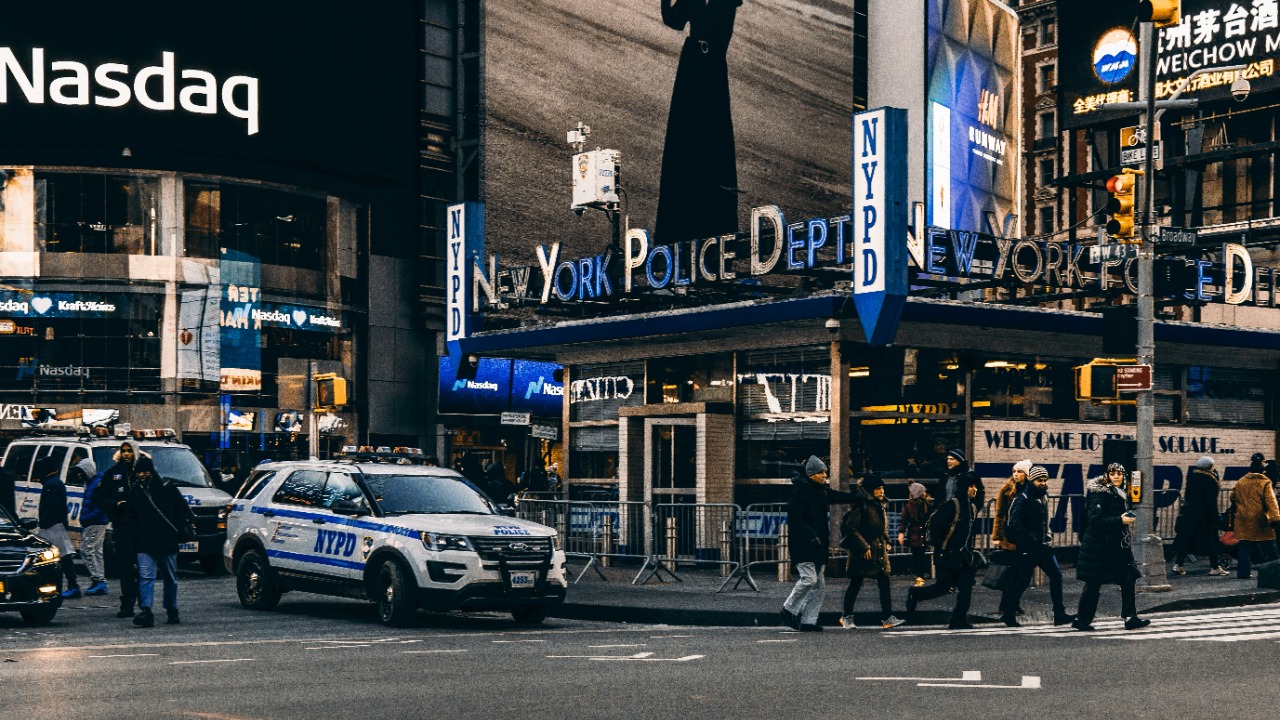
In its Feb. 2 announcement, the NYPD said January 2026 produced the fewest shooting incidents, shooting victims, and murders for any January in its recorded city history. The department reported 40 shooting incidents, 47 shooting victims, and 12 murders citywide. Those figures matter because they are not merely low. They are low against a city that has already spent years moving downward from the pandemic-era spike in violence. The murder drop alone stands out. A fall from 30 killings to 12 in a city of roughly 8 million people is the kind of month that draws national attention, especially when shootings also drop to a fresh January low.
| Category | January 2026 | January 2025 | Change |
|---|---|---|---|
| Murders | 12 | 30 | -60.0% |
| Shooting incidents | 40 | Not cited in release comparison | January record low |
| Shooting victims | 47 | Not cited in release comparison | January record low |
What “recorded history” means in this context
The phrase “recorded history” is powerful, but it needs precision. The NYPD’s public-facing crime statistics are built around CompStat, the data-driven system the department launched in 1994. The department’s CompStat 2.0 platform now makes that information available in much more detailed form to the public. That matters because it gives the January 2026 claim a clear methodological frame. The city can confidently say this was the safest January for gun violence in the CompStat era, the period covered by the NYPD’s standardized modern tracking. That is a strong and newsworthy claim on its own. It is also more precise than treating the figure as a clean apples-to-apples comparison with every decade before CompStat, when recordkeeping and public reporting were less uniform. Even with that caveat, the scale of the shift is unmistakable. New York’s homicide totals in the early 1990s routinely topped 2,000 a year, a level that now feels far removed from the current city. A month with just 12 murders underscores how dramatically the long arc has changed.
The milestone is real, but the explanation is still incomplete
The official release tells readers what happened. It is less useful on why it happened. The NYPD provided the citywide totals and noted that murder declined in every borough, but it did not use the announcement to spell out whether the drop was concentrated in particular neighborhoods, whether certain dispute types fell more than others, or how much of the change came from enforcement, deterrence, or broader social conditions. That gap is important because crime statistics are easiest to misuse when they are treated as self-explanatory. A steep one-month decline can reflect real improvement, but it can also be influenced by timing, weather, retaliation cycles, or plain month-to-month volatility. The strongest reading of January is not that the city has solved gun violence. It is that New York entered the year with exceptionally favorable numbers, extending a broader downward trend that had already shown up in 2025. That distinction makes the story more credible, not less. Readers do not need inflated certainty here. The numbers are impressive enough on their own.
Why the spring and summer will matter more
January is usually one of the quieter months for gun violence in northern cities. Cold weather limits outdoor activity, shortens street loitering, and reduces some of the conditions under which disputes can escalate. That does not diminish the achievement. It simply places it in context. The better test comes later. If New York keeps shootings and murders well below last year’s pace through late spring and summer, the January milestone will begin to look like the opening chapter of a genuinely exceptional year. If violence rises sharply once temperatures climb, the city will still have posted a remarkable January, but the larger story will look less transformative. That is why the most useful way to read the month is with cautious optimism. The improvement is real. The durability is still unproven.
A safer month is meaningful even before the full year is known
Statistics can flatten what these changes mean in daily life. A decline in shootings is not just a better chart. It can mean fewer families getting late-night calls from hospitals, fewer children hearing gunfire outside apartment windows, and fewer blocks absorbing the aftershocks that follow a killing. That is also why the January figures resonate beyond police messaging. In a city where public safety is debated constantly and politically, a 60% drop in murders is more than a talking point. It is a measurable improvement in harm reduction, even if officials still owe the public a fuller account of what drove it. For now, the cleanest conclusion is also the strongest one. January 2026 gave New York City its safest January for gun violence in the modern CompStat era, with murders down 60% from a year earlier. That is a legitimate milestone. Whether it becomes a lasting turning point will depend on what happens next.