The United States seized the oil tanker Olina in the Caribbean on Friday, marking the fifth vessel intercepted in recent weeks as Washington intensifies its effort to shut down sanctioned Venezuelan crude shipments. U.S. officials said the tanker had previously sailed from Venezuela while falsely flying the flag of Timor-Leste, placing it at the center of a fast-expanding maritime campaign that has turned oil sanctions into an operation backed by warships, boarding teams and public displays of force. The seizure matters not just because another cargo was stopped, but because it shows how far the U.S. is now willing to go to choke off what it says are illicit oil revenues tied to Caracas. Earlier rounds of pressure relied mainly on sanctions designations, financial restrictions and shipping warnings. This phase is different. Tankers are now being tracked, intercepted and physically taken under U.S. control, with the Caribbean increasingly treated as the front line of a broader crackdown on what officials describe as a shadow shipping network.
How the Olina was intercepted
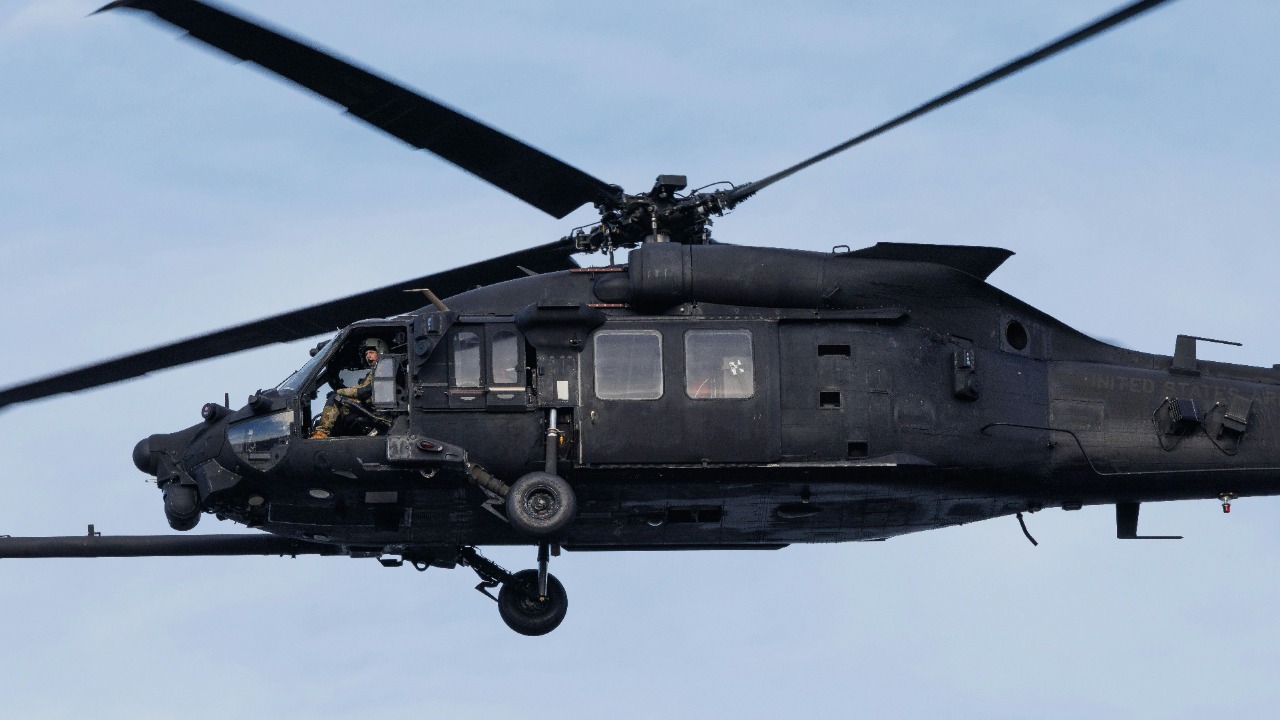
According to Reuters and The Associated Press, the predawn operation was carried out by Marines and Navy sailors launched from the USS Gerald R. Ford. U.S. Southern Command said the boarding took place in the Caribbean Sea without incident, and AP reported that the Coast Guard later assumed control of the vessel. Video released by U.S. officials showed a helicopter landing on the tanker and armed personnel moving across the deck, imagery clearly designed to make the interdiction visible far beyond the ship itself. That optics campaign is part of the point. Seizing a tanker is not only about stopping one cargo. It is also a warning to shipowners, charterers, insurers and flag registries that Washington wants the risks of carrying Venezuelan crude to feel immediate and expensive. A naval boarding backed by a carrier sends a different message than a Treasury Department notice or a courtroom filing. It tells the market that the danger is no longer limited to fines or paperwork. A voyage can now end with a helicopter on the deck.
A vessel already under scrutiny
The Olina was not an unknown ship that suddenly appeared on U.S. radar. Reuters reported that it had previously operated under the name Minerva M, and the vessel appears in the U.S. Treasury’s OFAC sanctions database under that earlier identity. Public shipping data cited by Reuters indicated the ship was falsely flying the Timor-Leste flag, while AP reported that the vessel’s registration history had shifted and that its claimed nationality was not considered valid in international records. Those details are important because vessels in this trade rarely rely on one layer of concealment. They cycle through new names, questionable flags, ownership changes and dark periods when tracking signals go silent. AP reported that the Olina had not transmitted its location for weeks. Reuters, citing maritime risk firm Vanguard, said its AIS tracker was last active 52 days earlier in Venezuela’s exclusive economic zone northeast of Curacao. In practical terms, that means the tanker fit the profile of a ship operating inside the murky world of sanctions evasion long before Friday’s boarding.
The fifth seizure, not a one-off
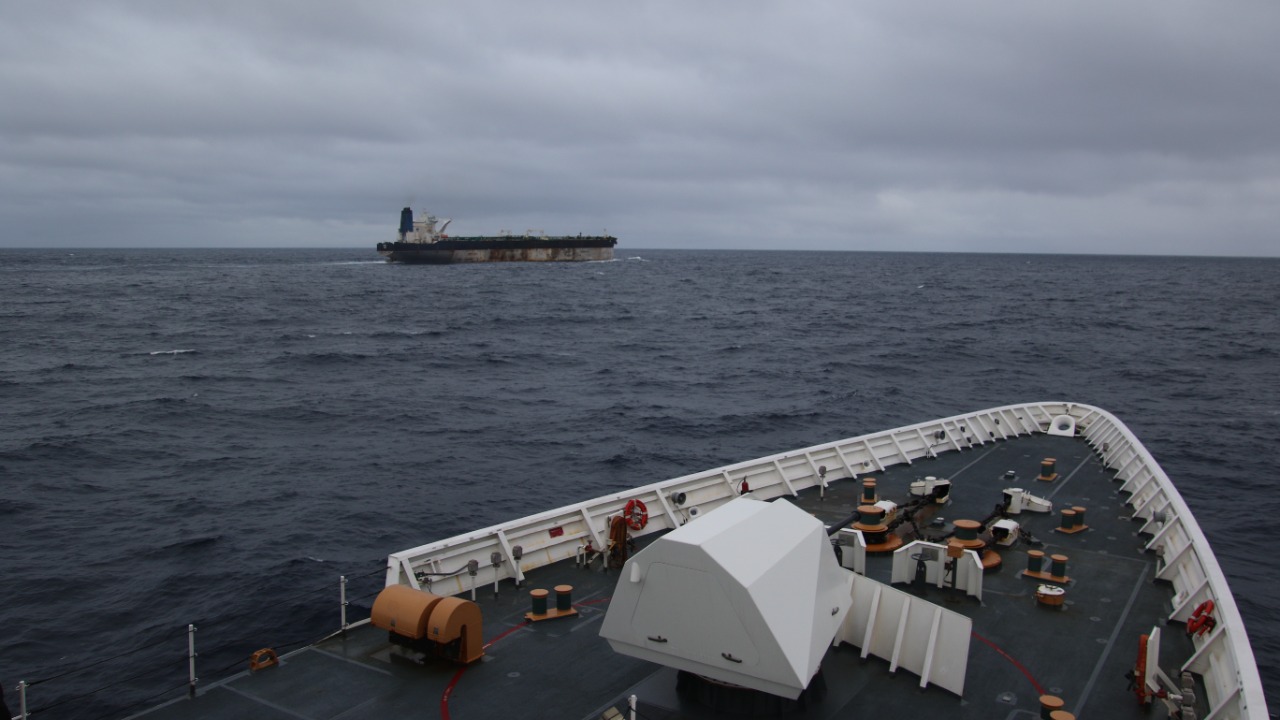
The larger significance of the Olina case is that it was described by U.S. officials and reported by both Reuters and AP as the fifth tanker taken in recent weeks. That alone turns the incident from a dramatic isolated raid into evidence of a sustained enforcement pattern. Reuters has separately reported on the earlier seizure of the tanker Skipper in December, followed this week by action against the Panama-flagged M Sophia near the northeast coast of South America and the Russia-linked tanker formerly known as Bella 1, later renamed Marinera, after a lengthy pursuit in the Atlantic. Even without a full public accounting of every step in each case, the pattern is now clear. Ships linked to Venezuelan crude are being watched across regions, tracked through identity changes and stopped after leaving Venezuelan waters. Reuters also reported earlier this week that roughly a dozen loaded tankers left Venezuela in dark mode, underscoring how this has become a contest between concealment on one side and surveillance on the other. Every additional seizure raises the cost of running that playbook.
Why the false-flag issue matters
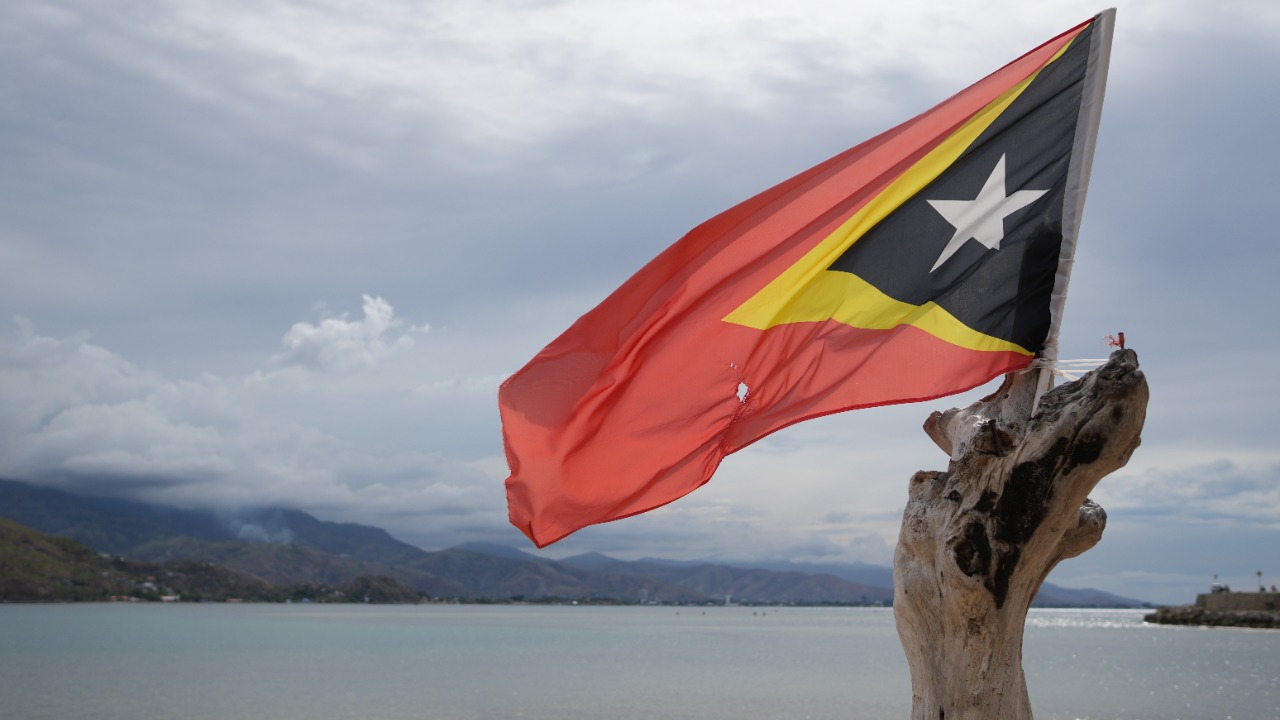
The Timor-Leste angle gives the Olina story sharper edges than a standard sanctions enforcement piece. False flags are one of the most effective tools available to opaque shipping networks because they exploit the fact that smaller registries do not always have the resources to aggressively police misuse of their names. A tanker that looks properly registered at a glance can keep moving long enough to load cargo, secure services or pass through checkpoints before inconsistencies are exposed. That is why officials keep stressing the ship’s claimed identity. A tanker that has switched names, gone dark and sailed under an invalid flag looks less like a routine commercial vessel caught in a diplomatic dispute and more like a moving compliance problem that was built to frustrate oversight. The U.S. position, as reflected in statements cited by Reuters and AP, is that these are not ordinary shipping disputes but deliberate attempts to preserve oil flows that sanctions were meant to stop.
What this means for Venezuela’s oil trade
For oil markets, the immediate supply effect is likely limited. Venezuela matters, but it is not large enough on its own to jolt global prices every time one tanker is boarded. The more meaningful consequence is friction. Each seizure makes it harder to find ships willing to carry the crude, registries willing to back the paperwork and insurers willing to touch the voyage. That kind of pressure does not always show up in one dramatic price spike. More often, it appears as slower loadings, costlier transport and a smaller circle of companies willing to get involved. It also raises the geopolitical temperature. Boarding a tanker in the Caribbean is one thing. Chasing one across the Atlantic, as happened in the Marinera case reported by Reuters, is another. That broadens the argument from Venezuela sanctions into a wider debate about how far the U.S. can project force against oil shipments tied to sanctioned states and shadow fleets. The Trump administration has made clear that it wants those doubts to work in its favor. Uncertainty itself becomes part of the pressure campaign. The Olina seizure therefore lands as more than another dramatic boarding video. It is a fresh sign that Washington is trying to make Venezuelan crude exports harder to move at every stage, from departure and paperwork to insurance and final delivery. If that strategy continues, the most important effect may not be how many tankers are seized, but how many ships decide the trade is no longer worth the risk.