
The reported death toll from the U.S. military operation that removed Venezuelan leader Nicolás Maduro has climbed to 100, according to Venezuelan Interior Minister Diosdado Cabello, with Cuba separately confirming that 32 members of its armed forces and intelligence agencies were among the dead. The figure, announced several days after the January 3 assault on targets in and around Caracas, has added a sharper human toll to an operation Washington has defended but not publicly broken down in detail. With Caracas and Havana releasing their own casualty counts and the United States offering no comparable public assessment, the picture remains incomplete even as the broad outlines of the raid have become clearer.
Strikes hit before dawn as U.S. seized Maduro
The operation began in the early hours of January 3, when U.S. forces carried out a large-scale strike on Venezuela and captured Maduro and his wife, Cilia Flores, in a mission that quickly reshaped the country’s political landscape. The Council on Foreign Relations’ Global Conflict Tracker described the assault as a major military action centered on Caracas and surrounding areas, while The Associated Press reported that the raid followed months of escalating U.S. pressure and culminated in Maduro’s transfer to the United States to face criminal charges. That much is no longer in dispute. What remains contested is the full casualty count and who, exactly, was killed. Washington has defended the operation as justified, but it has not released a public battle damage assessment or a comprehensive breakdown of military and civilian losses. That silence has left room for Venezuela and Cuba to shape the early public accounting of the toll, and those governments have moved quickly to do so.
Cabello puts the death toll at 100
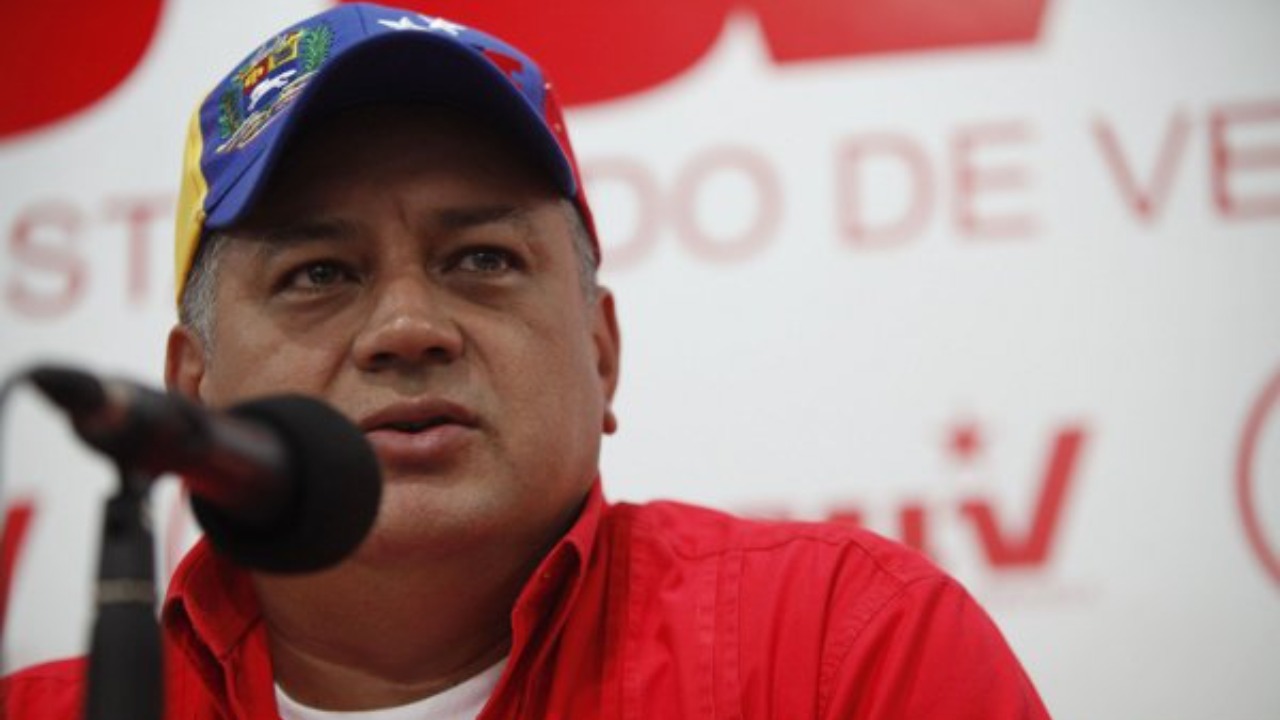
Cabello said the death toll had reached 100, giving Venezuela its highest official tally yet. Reuters reported that the figure marked the first broad accounting from senior Venezuelan officials after days of lower and more fragmented disclosures from the military and other state bodies. The number is politically potent because it turns a chaotic, fast-moving military action into a single, stark statistic. But it also arrives with obvious limits. Cabello did not publicly provide a full breakdown separating Venezuelan troops, Cuban personnel and any civilians who may have been caught in the strikes. That leaves the 100 count important, but still incomplete. For a story like this, attribution matters. The death toll may prove accurate, but as of now it remains an official Venezuelan claim rather than a fully documented public accounting supported by hospitals, morgues, independent monitors or international investigators. That distinction is not a technicality. It is the difference between reporting a government’s allegation and presenting a contested wartime number as settled fact.
Cuba confirms 32 dead and publishes identities
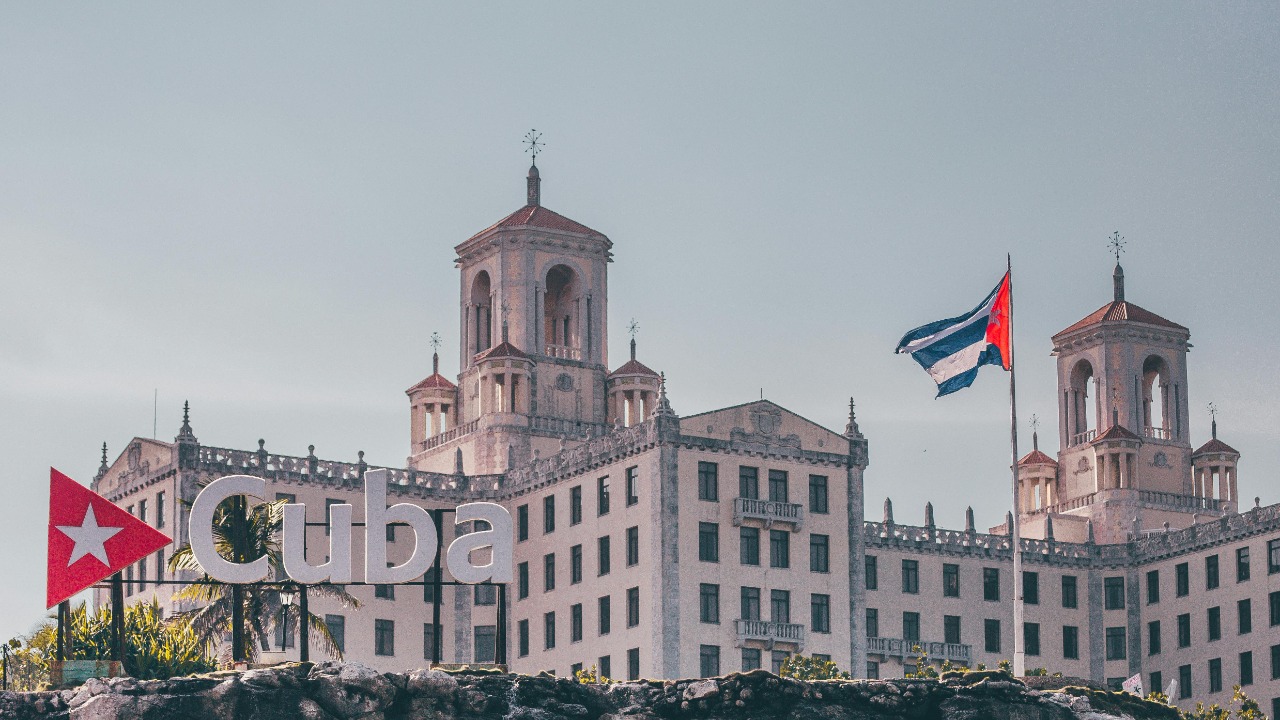
The most concrete casualty disclosure so far has come from Havana. Cuba said 32 of its military and intelligence personnel were killed during the U.S. operation, and state media later published their names, ranks and ages. Reuters first reported Cuba’s death count, and AP later reported that the Cuban government had released a full roster of the dead. That roster gave the Cuban claim more weight than a simple headline number. It also underscored something the strike laid bare: Cuba’s role in Venezuela was not merely rhetorical or diplomatic. The dead included officers and intelligence-linked personnel embedded deeply enough in the country’s security structure to be caught in a U.S. operation aimed at the heart of Maduro’s power base. For years, analysts and officials had described Cuban influence in Venezuela as extensive but often difficult to measure from the outside. The publication of names, ranks and ages changed that. It did not answer every question about what those personnel were doing, but it made their presence harder to dismiss as rumor or propaganda.
Mourning in Cuba highlights the alliance
Cuba’s response showed how seriously it viewed the losses. The government declared two days of national mourning, and later received the remains of the dead in a ceremony that cast them as national heroes. Reuters reported that the caskets arrived draped in Cuban flags, a highly symbolic display that turned the deaths into a national political event rather than a quiet military acknowledgment. The mourning cut two ways. It allowed Havana to present itself as a victim of U.S. force, a message likely to resonate in parts of Latin America where suspicion of American intervention remains strong. At the same time, the tribute underscored the depth of Cuba’s security relationship with Caracas, effectively confirming that Cuban personnel were not on the margins of the Venezuelan state but inside the system Washington chose to hit.
The biggest unanswered question is who made up the rest of the dead
If Cabello’s total of 100 is accepted and Cuba’s count of 32 is accurate, that leaves 68 additional deaths not fully accounted for in public. Some of those casualties are almost certainly Venezuelan security personnel. Reuters later reported that Venezuela’s defense minister said 47 Venezuelan soldiers had been killed, which helped fill in part of the gap but still did not completely resolve it. The civilian question also remains critical. AP footage from La Guaira state showed residents sifting through rubble at a damaged residential complex after the operation, a reminder that even a mission aimed at leadership and security targets can leave destruction beyond military sites. Without a detailed public accounting, it is still not possible to say with confidence how many civilians, if any, were included in Cabello’s 100. That uncertainty is now central to the story. If the remaining deaths were overwhelmingly military, the debate will focus on proportionality, legality and the targeting of a foreign-backed security apparatus. If civilian casualties were substantial, the diplomatic and legal consequences could become far more severe.
Washington’s silence has widened the credibility gap
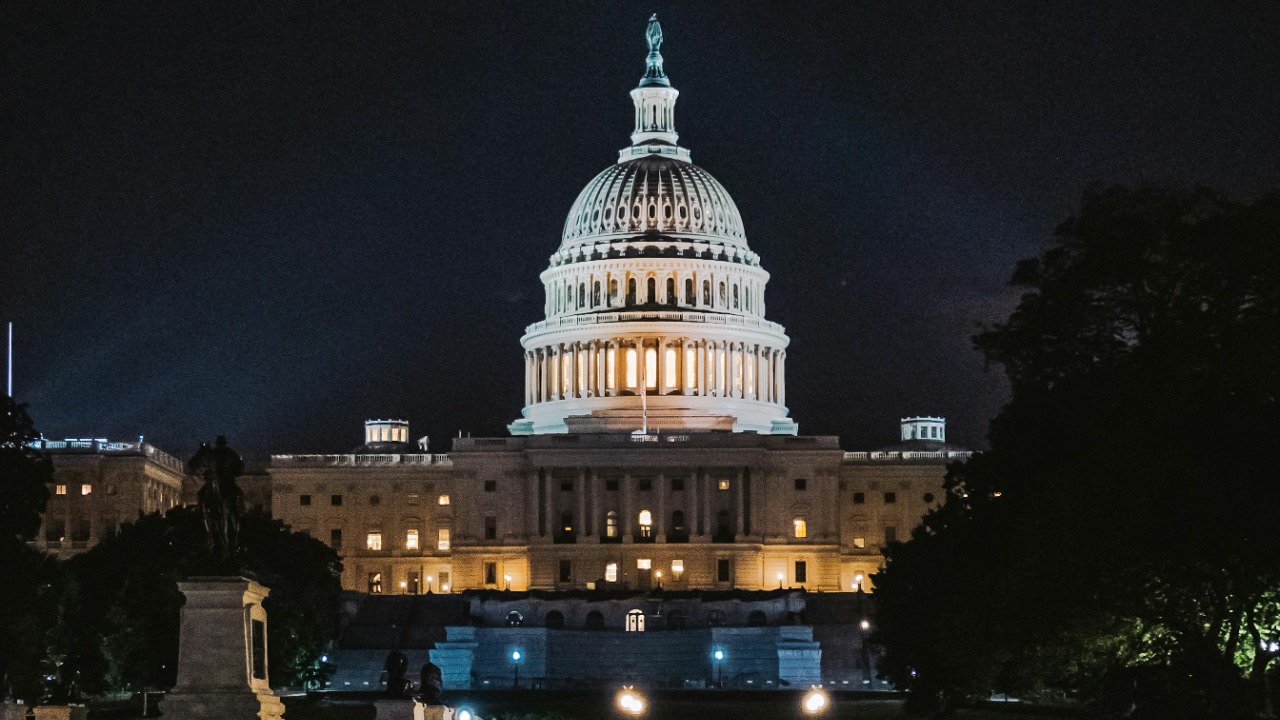
The U.S. administration has defended the operation, but it has not matched the public detail released by its adversaries. That approach may be familiar in the immediate aftermath of a military action, especially one involving intelligence and special operations. Still, it comes with a cost. In the absence of an American casualty assessment, the public record is being built largely by Venezuela and Cuba, governments with every incentive to frame the dead in the most politically damaging way for Washington. That does not automatically make their figures false. It does mean those numbers should be handled carefully and attributed clearly. For now, the most defensible version of events is this: Venezuela says 100 people were killed, Cuba has publicly identified 32 of its own personnel among the dead, and the United States has yet to provide a detailed competing account. Until that changes, the human cost of the January 3 operation will remain one of the most consequential and contested parts of the story.