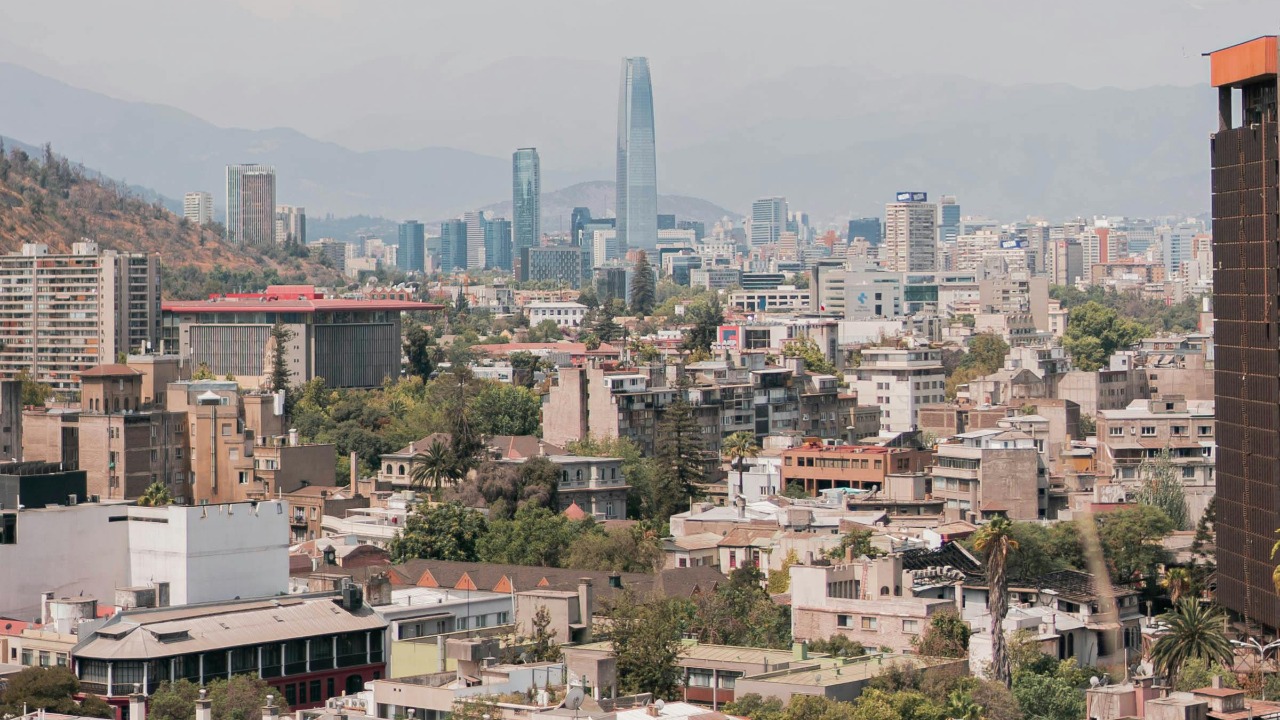
Chile escalated its response to a deadly wave of wildfires after fast-moving blazes swept through parts of the country’s center and south, killing at least 19 people and forcing about 50,000 residents to flee. As firefighters battled multiple active fronts, families returned to blackened neighborhoods, wrecked vehicles and homes reduced to ash. The emergency quickly grew beyond a local firefighting crisis. Authorities moved to a state of catastrophe in the hardest-hit areas as the fires spread through communities in the Biobío and Ñuble regions, where high heat, dry vegetation and strong winds helped push flames into residential zones with alarming speed.
Emergency powers were triggered as the toll climbed

President Gabriel Boric’s declaration gave Chile broader authority to coordinate the response, deploy additional resources and tighten security measures in affected areas. The move reflected how quickly the situation had deteriorated as several fires burned at once and threatened both towns and key infrastructure. According to Reuters, authorities said at least 19 people had died as evacuations continued and more than 30 blazes were being fought. The news agency reported that more than 35,000 hectares, or about 86,500 acres, had burned, with major damage concentrated in south-central Chile. The Associated Press reported that 15 wildfires were still active as emergency crews worked across the fire zone. Officials said the blazes had destroyed homes, vehicles, forests and other infrastructure, leaving entire communities facing a recovery that was likely to stretch well beyond the first phase of containment.
The early numbers showed how hard the fires had hit
One of the clearest official snapshots came from UN Chile’s first situation report, which compiled Chilean government figures current to the morning after the worst of the initial spread. The report listed 19 deaths, 50,000 evacuations, 1,533 affected people and 325 destroyed homes, including 300 in Biobío and 25 in Ñuble. It also said 600 people were being housed in shelters as the response expanded. Those counts made clear that the disaster was not defined only by the death toll. It was also a housing and displacement emergency. Families who escaped the flames were left waiting to find out whether their homes had survived, whether roads would reopen and whether it would be safe to return. In many disasters of this kind, the first death and damage totals capture only part of the real impact. This one already appeared to be following that pattern.
Heat and wind turned dangerous fires into a fast-moving disaster
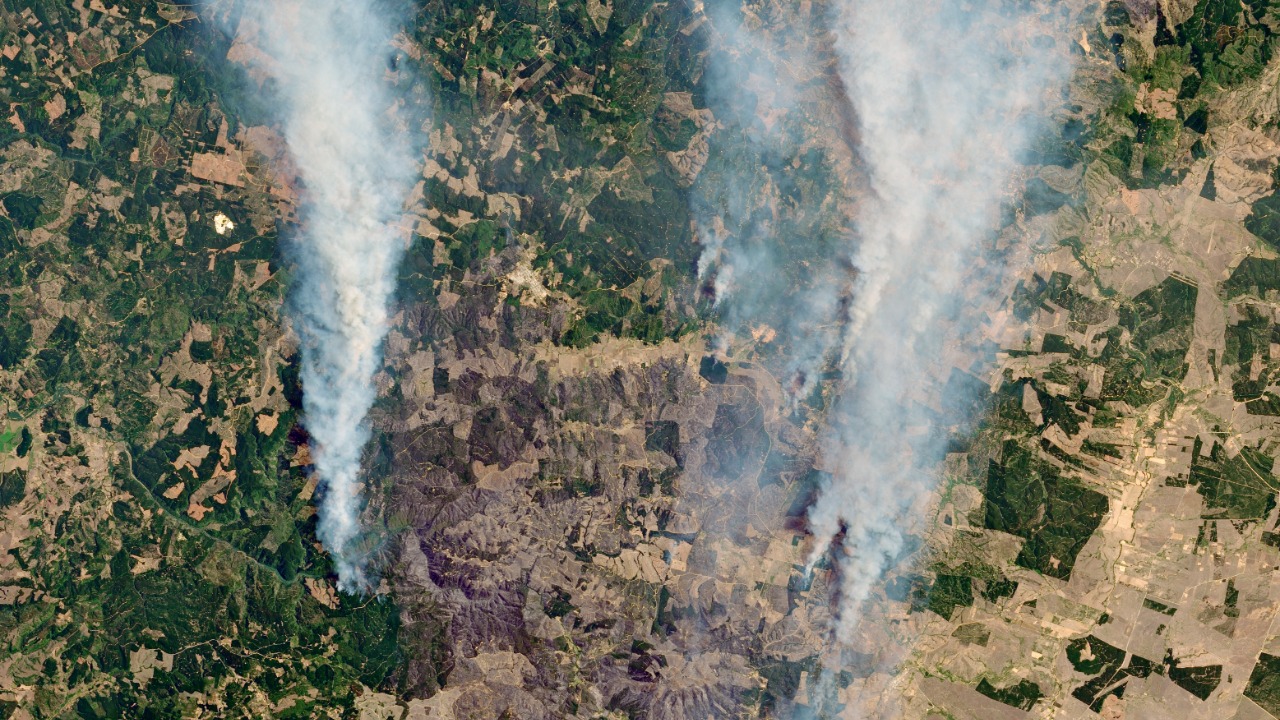
The pace of the spread was one of the most striking parts of the crisis. Reuters reported that temperatures in parts of central and southern Chile were expected to reach as high as 99 degrees Fahrenheit, while strong winds helped push flames across dry brush and into populated areas. Under those conditions, even a fire that begins outside a town can reach homes in minutes. Reuters also cited Miguel Castillo, a professor and researcher at the University of Chile’s Forest Fire Laboratory, who said the region had gone through several consecutive days above 86 degrees Fahrenheit, an unusual run for the Concepción area. Once fires reached a certain size under that combination of heat and wind, they became much harder to stop. That helps explain why eyewitness accounts carried such urgency. In Reuters’ reporting from the Biobío region, one resident described the blaze arriving “like lightning,” a phrase that captured both the speed of the advance and the lack of time many residents had to react.
Communities near Concepción absorbed some of the worst losses
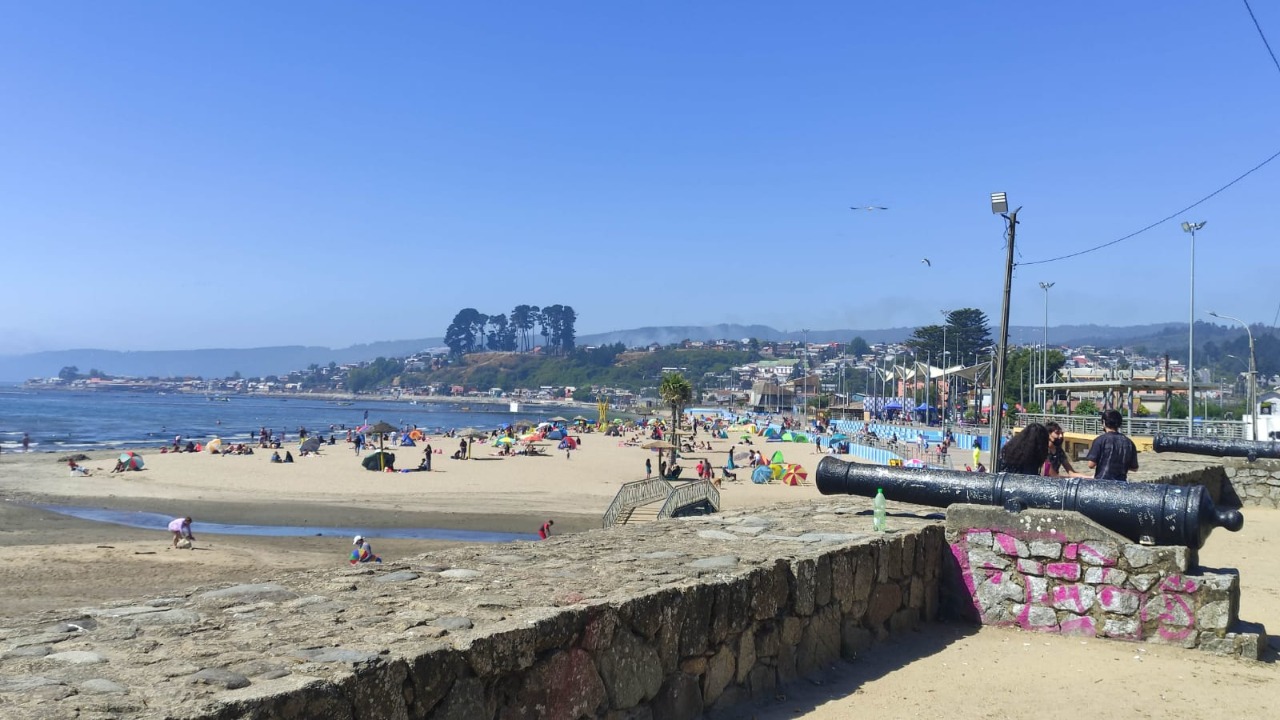
While the emergency affected a broad stretch of south-central Chile, some of the deadliest and most visible destruction was reported in communities near Concepción. Reuters said most of the confirmed deaths were in Penco, a coastal city north of the regional capital. AP’s reporting from the area described residents walking through burned-out neighborhoods and trying to recover whatever belongings had survived. That local devastation made the national response feel especially urgent. This was not a story of remote forest loss alone. The fires tore into lived-in areas, putting working neighborhoods, family homes and ordinary daily routines directly in the path of the flames. For readers, that distinction matters. It is the difference between a wildfire on a map and a disaster measured street by street.
The crisis quickly became bigger than firefighting alone
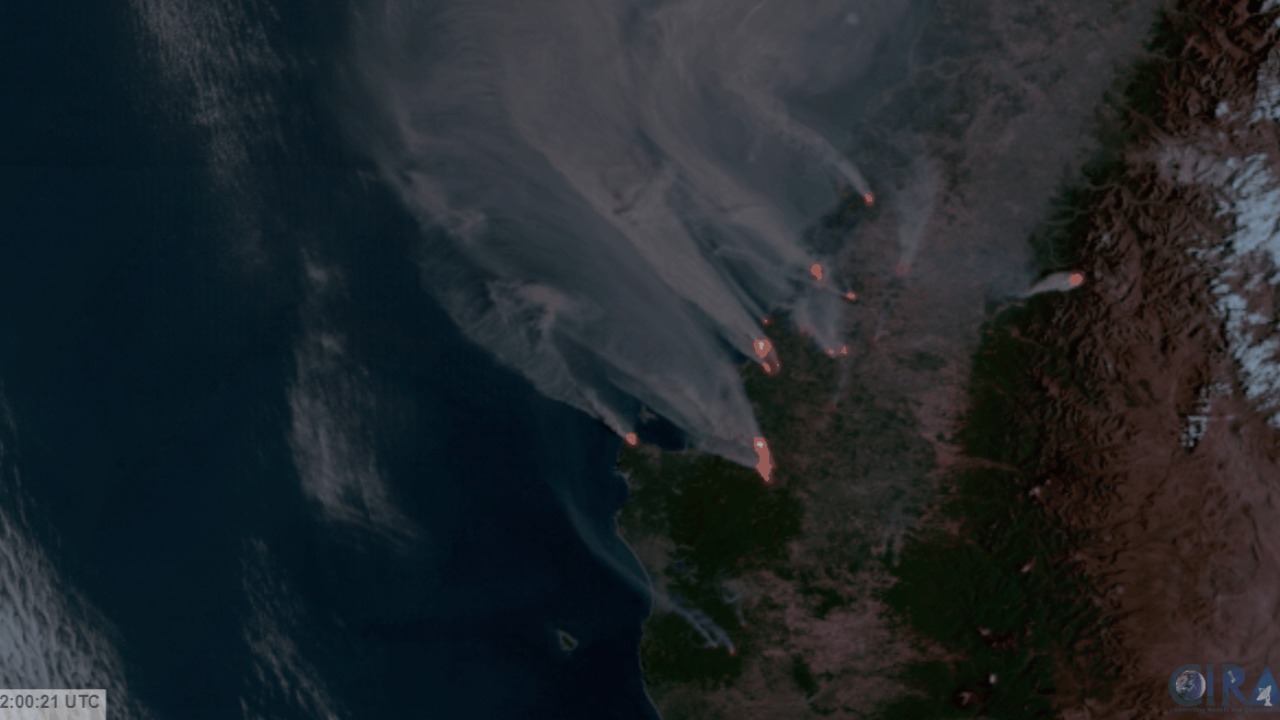
As the response widened, it became clear the emergency was stretching local capacity across several fronts at once. A ReliefWeb update published on January 19 said 25 fires were still being actively fought, while dozens of others had either been controlled or remained under observation. That underscored how scattered the threat was and why authorities needed a coordinated response rather than a town-by-town approach. The state of catastrophe was meant to help do exactly that. It allowed the government to move personnel and equipment more quickly, support evacuations, protect affected communities and stabilize conditions in places where residents had left with little warning. AP also reported that Boric thanked Mexico, Argentina and Brazil for sending firefighters and supplies, a sign that the scale of the emergency had already drawn regional support.
What remained unresolved after the first shock
Even as the broad outline of the disaster came into focus, some of the most important questions were still unanswered. How many additional homes would ultimately be declared uninhabitable? How long would evacuees remain out of their neighborhoods? And how much higher might the casualty count rise as authorities completed damage assessments in areas that were initially inaccessible? Those questions mattered because early disaster figures almost always move as search efforts continue and officials verify losses. In Chile’s case, the first phase had already established the scale of the event: a state of catastrophe, at least 19 dead, tens of thousands evacuated and hundreds of homes destroyed. That alone made the fires one of the country’s most severe emergencies of the season. What Chile faced in those first days was not simply a bad stretch of fire weather. It was a national emergency defined by rapid fire growth, mass displacement and sharp losses in some of the country’s most exposed communities. The immediate challenge was containment. The longer one, already taking shape, was how quickly those communities could begin to rebuild after the smoke cleared.