A Texas jury has acquitted former Uvalde Consolidated Independent School District police officer Adrian Gonzales on all 29 counts of child abandonment and endangerment tied to the May 24, 2022, massacre at Robb Elementary School. The verdict, returned in Corpus Christi after more than seven hours of deliberations, closes the first criminal trial stemming from the law enforcement response to one of the deadliest school shootings in U.S. history. The acquittal ends an extraordinary prosecution that asked jurors to do something American courts have rarely done: treat an officer’s alleged failure to move quickly enough toward an active shooter as a criminal offense. Gonzales had been accused of failing to confront or disrupt the gunman before children and teachers were trapped inside the school. Jurors ultimately found prosecutors had not proved that case beyond a reasonable doubt.
What the jury decided
The case had been moved out of Uvalde to Nueces County, where Gonzales stood trial on 29 felony counts tied to children and school staff members prosecutors said he had a duty to protect. Each count carried the weight of a tragedy that left 19 students and two teachers dead and turned the police response into a national symbol of hesitation and confusion during an active shooter attack. As reported by Reuters and the Associated Press, jurors returned not-guilty verdicts on every count after working through the charges one by one. That clean sweep mattered. A split verdict might have suggested the panel accepted some part of the state’s argument. Instead, the outcome showed the prosecution never cleared the high bar required for a criminal conviction. The result is significant not only for Gonzales but for the broader question hanging over Uvalde since 2022: whether any officer can be held criminally responsible for the delayed response inside Robb Elementary. So far, the legal answer remains difficult and uncertain.
How prosecutors framed the case
Prosecutors argued that Gonzales was not just another responding officer caught in a chaotic scene. He was a school district police officer assigned to protect students, and the state contended that role gave him a direct duty to act when the gunman approached the school. In court, prosecutors said Gonzales did not do enough to confront, distract, or slow the shooter in those critical early moments. That theory was always ambitious. According to trial coverage from the Texas Tribune and Texas Public Radio, the state tried to distinguish Gonzales from the hundreds of other officers who eventually converged on the campus. Prosecutors focused on his training, his position, and his proximity to the scene, arguing that his failure to move decisively amounted to child endangerment under Texas law. It was a bold attempt to fit the facts of a mass shooting into a statute more commonly used in other kinds of neglect cases. That may have given the prosecution a path to bring charges, but it also made the case harder to explain. Jurors had to decide not whether Gonzales could have done more, but whether his conduct met the legal definition of a crime.
Why the defense found room to win
The defense did not need to prove Gonzales performed well that day. It needed to persuade jurors that the state’s theory stretched criminal law too far. Defense lawyers argued Gonzales was being isolated and blamed for a catastrophic multi-agency response that involved breakdowns in leadership, communication, and command. That argument had force because the broader failures at Robb Elementary are already well documented. The Justice Department’s critical incident review described cascading failures in leadership, tactics, training, and policy. A Texas House investigative report likewise concluded that officers failed to follow active shooter doctrine and lost valuable time while children and teachers remained in danger. But acknowledging a disastrous response is not the same as proving one officer committed child endangerment. Defense lawyers leaned into that distinction. They argued that Gonzales was not the incident commander, did not control the hallway response, and was reacting inside a fast-moving, confusing situation where officers had incomplete information and conflicting signals. That is where the prosecution’s moral case and legal case began to split apart. The trial asked jurors to translate outrage over what happened in Uvalde into a criminal verdict against one officer. They declined to do it.
Why these cases are so hard to win
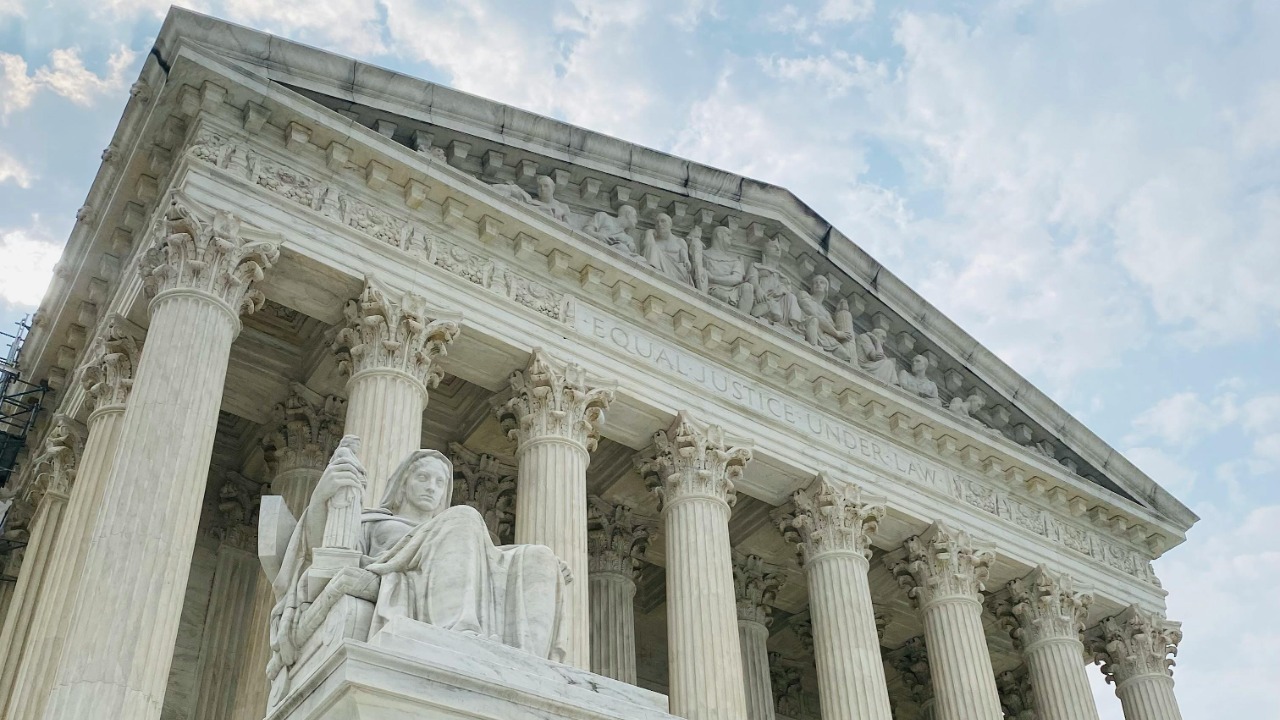
The acquittal also fits a long legal pattern. Courts have historically been reluctant to impose liability on police for failing to protect specific individuals, and the U.S. Supreme Court’s ruling in Castle Rock v. Gonzales remains part of the backdrop whenever prosecutors or plaintiffs try to argue otherwise. That ruling did not govern this Texas criminal case directly, but it reflects the broader legal culture around police duty and discretion. That makes Uvalde especially frustrating for families who have spent years hearing that the response was a failure, yet have seen limited courtroom accountability. Only Gonzales and former school police chief Pete Arredondo have faced criminal charges tied to the response, even though hundreds of officers from multiple agencies were eventually at the scene. Gonzales became the first to go to trial, and the first to walk away cleared. For prosecutors elsewhere, the message will be sobering. Even in a case with overwhelming public outrage, detailed investigative reports, and emotionally devastating testimony, jurors may still hesitate to convert operational failure into criminal guilt.
What the verdict means for Uvalde families
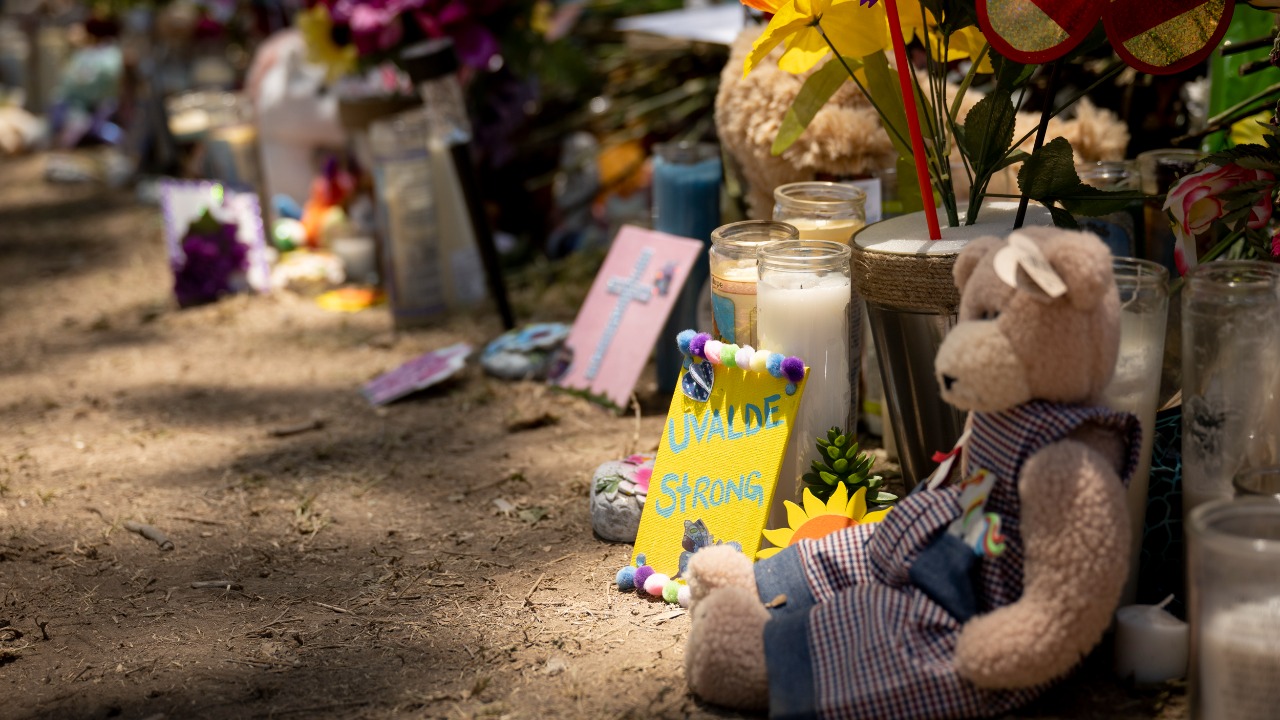
For survivors and relatives of those killed at Robb Elementary, the verdict is unlikely to bring any sense of closure. The not-guilty finding does not erase the facts laid out in federal and state reviews, nor does it change the anguish that has followed Uvalde for years. What it does do is shut one of the most visible paths toward criminal accountability. That does not mean every avenue is closed. Civil lawsuits remain an important arena. Public pressure has already led to firings, resignations, and years of scrutiny over training, command structure, and how officers communicate during school attacks. The Justice Department review also laid out recommendations aimed at preventing another delayed response of this kind. Still, criminal court carries its own symbolic weight. It is the forum where the public expects the clearest answer to the simplest question: was what happened illegal? In Gonzales’s case, the jury’s answer was no.
What comes next
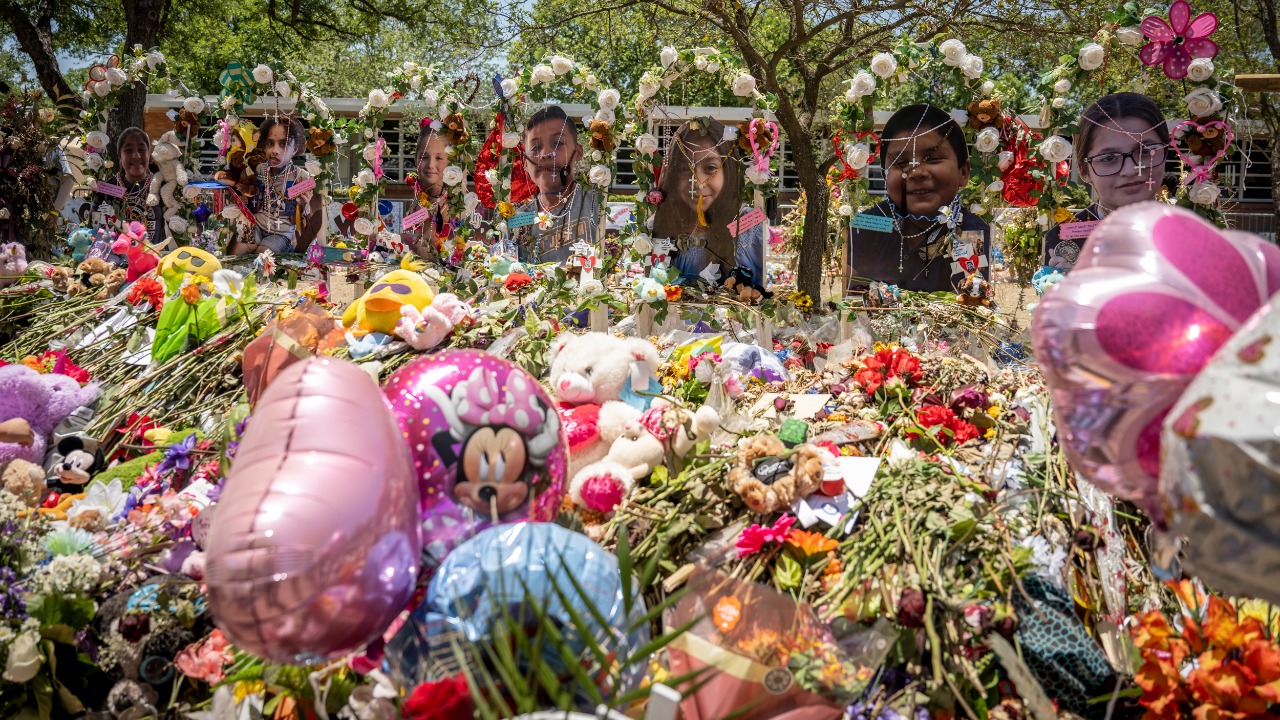
The acquittal settles only one case against one former officer. It does not settle the debate over what police are supposed to do when children are under fire, or whether existing laws are equipped to punish hesitation during a school shooting. Those questions remain alive in courtrooms, statehouses, police academies, and in Uvalde itself. For news readers, that is the real meaning of the verdict. The trial did not rewrite the history of Robb Elementary. It clarified the limits of criminal law. Investigations can condemn a response. Families can demand accountability. The public can see the failure plainly. But turning that failure into a conviction remains far harder than many people expected. That tension will outlast this verdict. Uvalde has already changed the national conversation about school safety and police readiness. Gonzales’s acquittal adds another hard lesson: when accountability depends on proving criminal guilt for inaction in chaos, even one of the most infamous police failures in recent memory may not be enough.