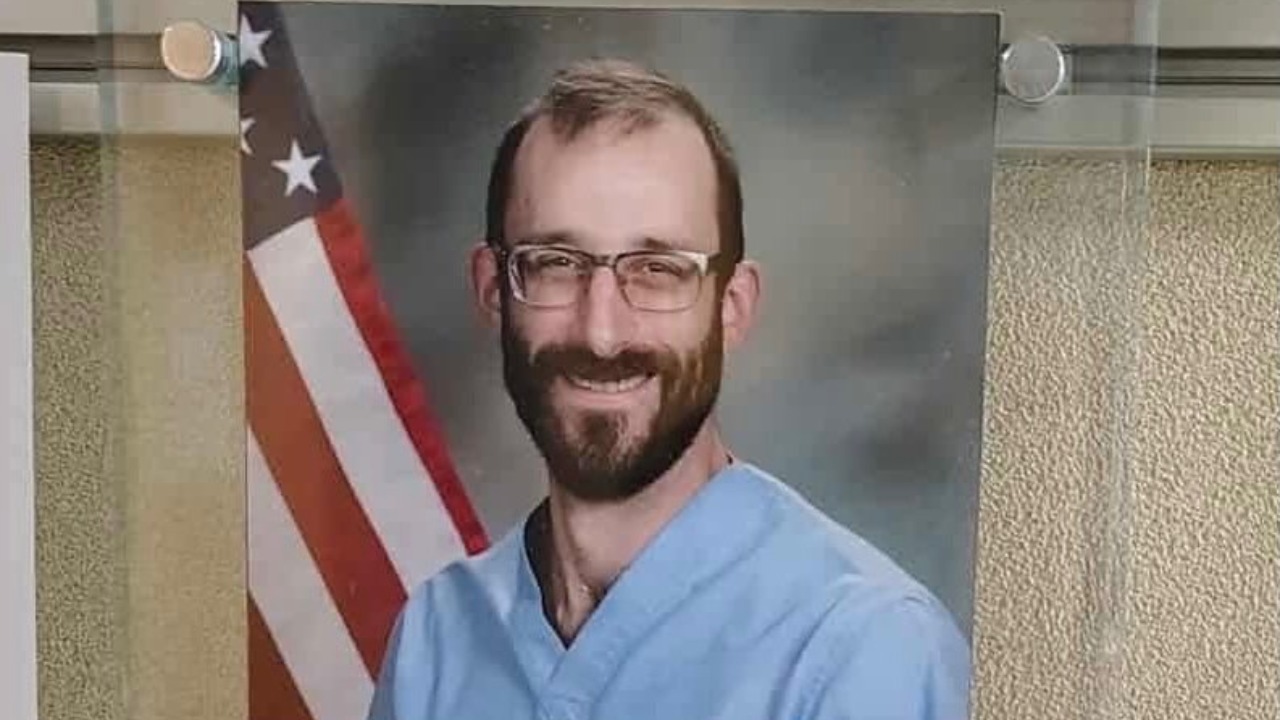
The killing of Alex Pretti in Minneapolis quickly became more than a local breaking news story. It became a test of whether the public should trust the first official version of a deadly federal encounter or the videos that surfaced within hours and raised harder questions. Pretti, a 37-year-old intensive care nurse at the Minneapolis VA hospital, was fatally shot on Nicollet Avenue South on Jan. 24 during a federal immigration operation that immediately set off outrage across the city. By the end of the day, the case had already turned into a flashpoint in the wider debate over immigration enforcement, use of force, and how much transparency the federal government owes when someone dies in public view. What drove the shooting into national focus was not only that Pretti was killed, but that the early federal account ran into bystander footage that told a more complicated and far more damaging story.
What the videos show, and why they changed the story
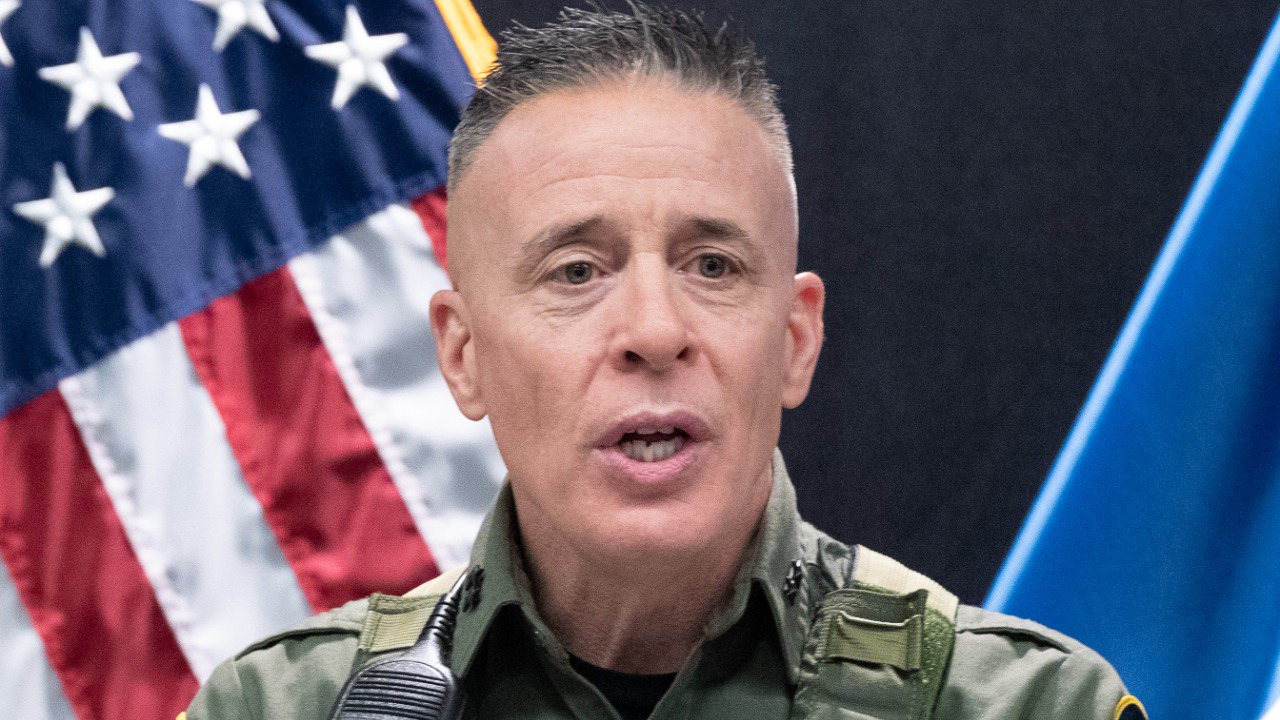
In the first hours after the shooting, federal officials described Pretti as armed and threatening during an effort to detain a different person. That framing mattered because it shaped the initial understanding of why agents opened fire. But reporting from Reuters and later coverage from The Associated Press showed why that first narrative did not hold. Video reviewed by journalists appeared to show Pretti holding up a phone in the seconds before shots were fired. Reuters also reported that an initial U.S. government review of the killing did not say Pretti had brandished a firearm, even though public statements by officials initially emphasized that he was armed. That distinction has become the center of the case. The core question is no longer simply whether Pretti owned or carried a gun. It is whether he presented an immediate threat at the precise moment deadly force was used. In any shooting review, possessing a firearm and actively threatening officers with one are not the same thing. The public debate in Minneapolis now turns on that difference. The videos do not answer every legal question. They rarely do. But they narrowed the dispute sharply enough that the federal government’s first description could no longer settle the matter on its own.
Two officers fired, and the official footage remains under wraps
Federal reporting to Congress, first detailed by AP, said two officers fired their weapons during the encounter. A preliminary federal review also said an agent yelled, “He’s got a gun!” just before the shots were fired. That warning is likely to remain one of the most contested details in the entire case. It may reflect panic, misidentification, or a genuine belief that officers were facing an imminent threat. Investigators will have to determine which explanation is best supported by the full record. What makes that harder is that the public still has not seen the body-camera footage federal officials say exists. Reuters and AP both reported that official review materials referenced body-camera evidence, yet those recordings were not released alongside the initial public explanation. That gap has widened the trust problem rather than calming it. When officials ask the public to accept a justification for lethal force while withholding the most direct government footage, suspicion hardens quickly. In this case, that suspicion intensified because civilian videos were already circulating and did not neatly match the government’s first account.
An earlier confrontation raised the temperature even more
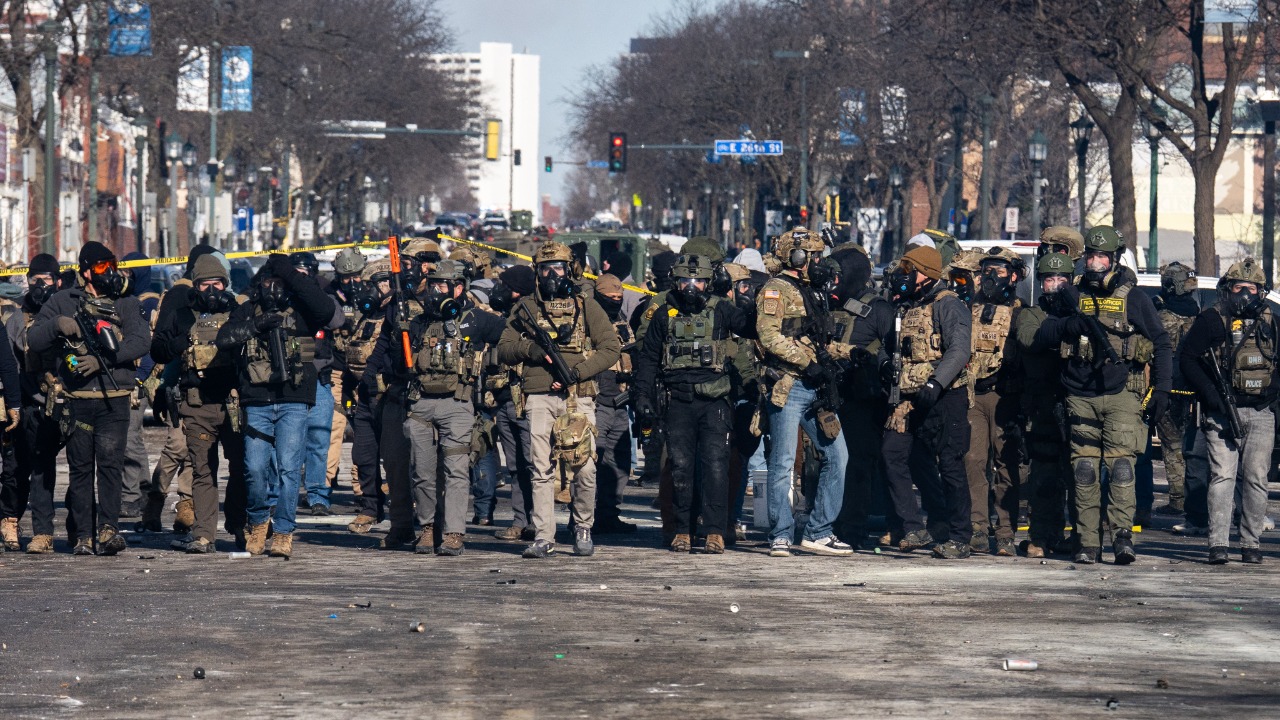
The shooting also did not occur in isolation. New video that emerged after Pretti’s death showed him in a separate confrontation with federal officers 11 days earlier. Reporting from PBS NewsHour and other outlets described footage of Pretti being forcefully taken to the ground after he damaged a federal vehicle during a protest. That earlier clash does not determine what happened on Jan. 24, but it changed the context around the fatal shooting. It suggested that Pretti and federal agents had already crossed paths during a period of escalating enforcement and escalating tension in Minneapolis. For readers trying to understand why the shooting immediately triggered such a fierce reaction, that background matters. By the time Pretti was killed, Minneapolis was already on edge over aggressive federal operations. The fatal encounter landed in a city that had been primed for confrontation, not in a vacuum.
State and local officials moved fast, and publicly
Minnesota officials did not quietly wait for a federal internal review. On the day of the shooting, the Hennepin County Attorney’s Office, Minnesota Bureau of Criminal Apprehension, and Minnesota Attorney General’s Office filed suit seeking to stop the destruction of evidence tied to Pretti’s death. That was an extraordinary sign of distrust toward a process that might otherwise have remained largely in federal hands. The legal filing sought immediate preservation of evidence related to the shooting, including records and materials state investigators believed needed to be secured right away. Later, the BCA publicly updated the investigation and said it was working to conduct a joint inquiry into the death. Those moves showed something politically important. Minneapolis and Hennepin County were not treating the shooting as a routine federal matter beyond local concern. State and local authorities were asserting a direct interest in accountability, evidence control, and public credibility.
Body cameras came after the shooting, not before
One of the clearest signs of how badly the case rattled officials came in the aftermath. Reuters reported that Homeland Security moved to deploy body cameras more broadly to federal field officers in Minneapolis after the shooting. That announcement amounted to its own quiet indictment of the status quo. If body cameras were suddenly necessary after Pretti’s death, the obvious question was why they were not already standard in a city under such visible strain. The policy change may shape future encounters, but it does nothing to resolve the central dispute in this case unless the existing footage is ultimately released in a meaningful way. The larger issue goes beyond Minneapolis. Federal law enforcement agencies operating in American cities have often faced less local scrutiny than municipal police departments, even though the consequences of a disputed shooting are just as severe. The Pretti case exposed that gap in full public view.
The unanswered questions are now the real story
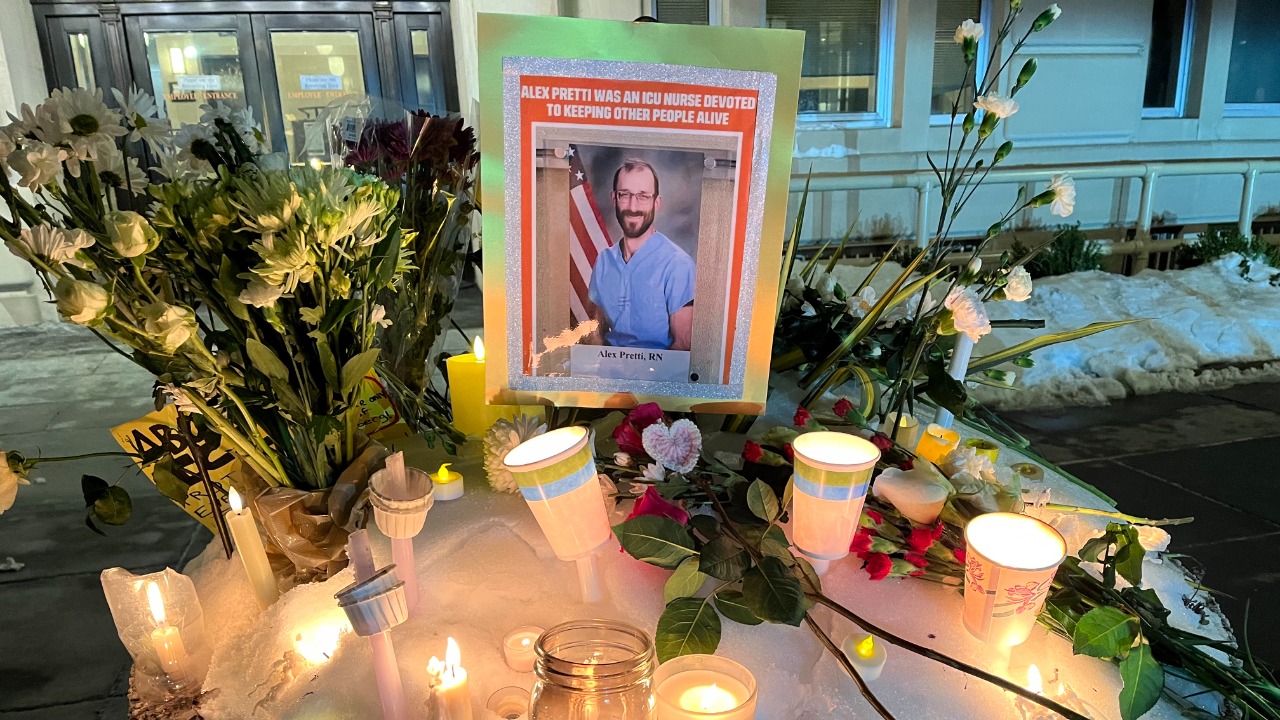
Several facts still matter more than rhetoric. Did officers clearly identify themselves. What commands were given. What did agents believe they were seeing in the final seconds before they fired. And do the body-camera recordings support or undercut the shouted claim that Pretti had a gun in hand. Pretti’s death was later ruled a homicide by the Hennepin County medical examiner, according to reporting carried by ABC News. That finding does not answer the legal question of justification, but it adds weight to the demand for a fuller public accounting. However the investigations conclude, the meaning of the case has already taken shape. The videos prevented the initial official narrative from settling in unchallenged. State authorities forced their way into a process that might otherwise have remained almost entirely federal. And Minneapolis was left confronting a stark possibility: that in one of the country’s most scrutinized immigration crackdowns, the clearest early record of what happened came first from ordinary people holding up their phones. That is why the killing of Alex Pretti continues to resonate beyond one block of Nicollet Avenue. It is now a case about evidence, credibility, and whether deadly force by federal agents can be judged fairly if the public is asked to trust explanations before seeing the full record for itself.