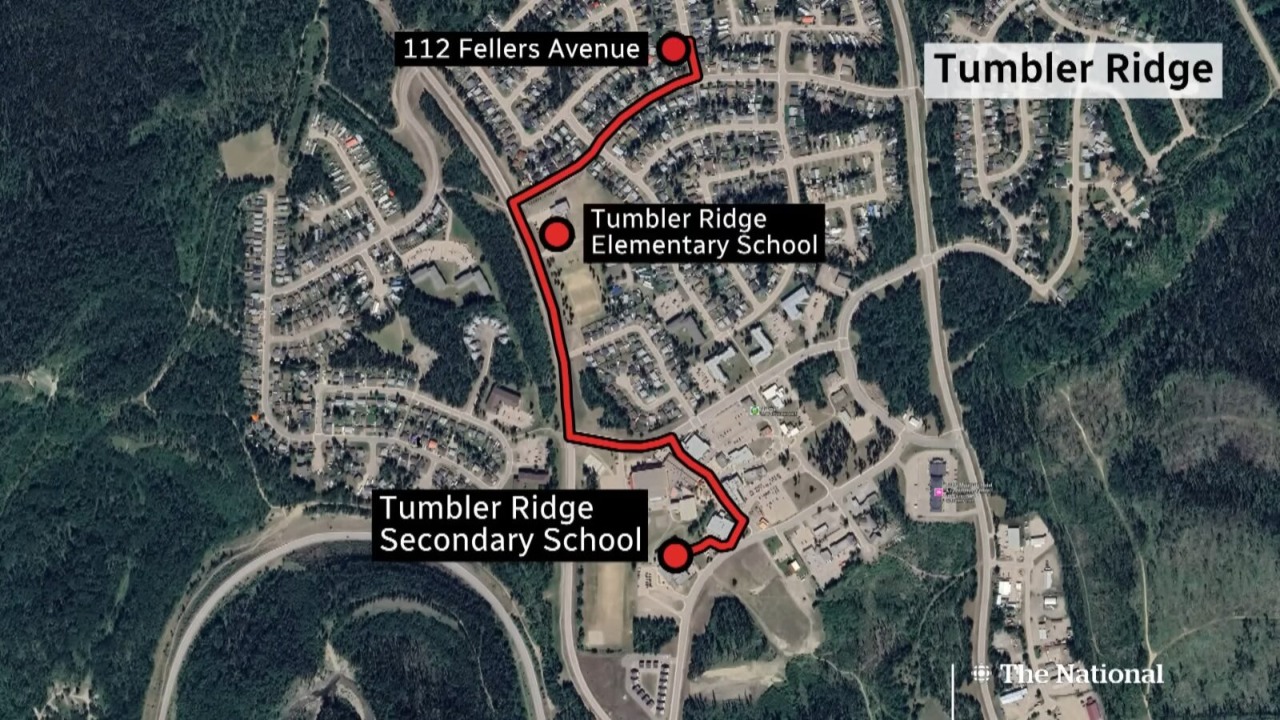
A mass shooting at Tumbler Ridge Secondary School in northeastern British Columbia left nine people dead, including the gunman, after a day of violence that also extended to a nearby home.
Authorities said the attacker died from what appeared to be a self-inflicted gunshot wound after opening fire at the school in the small mining community of Tumbler Ridge. Police later linked the school attack to two additional deaths at a residence in town, turning an already horrifying school shooting into one of the deadliest mass killings Canada has seen in years.
The attack stunned a remote town of about 2,400 people where schools, homes, and public spaces had long felt far removed from the kind of gun violence more often associated with much larger places. By the end of the day, families were searching for answers, students were recounting the terror of lockdown, and officials were trying to piece together a timeline that stretched across two crime scenes.

What happened at the school
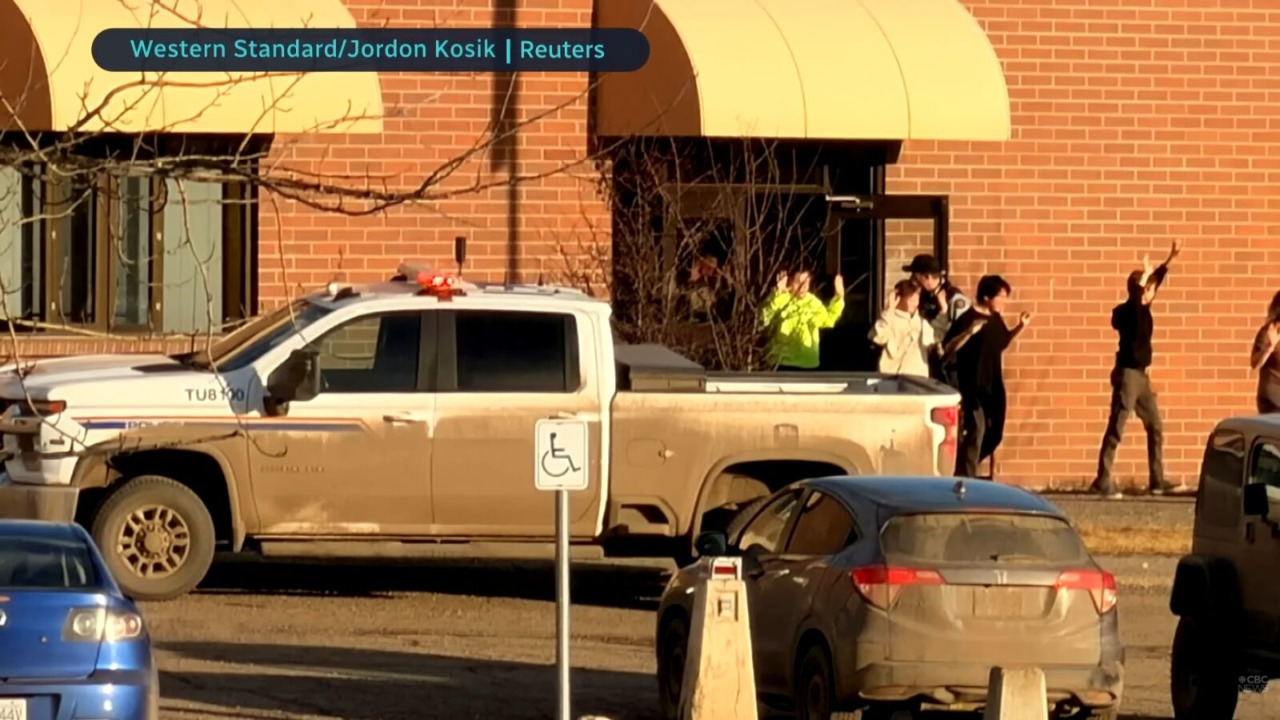
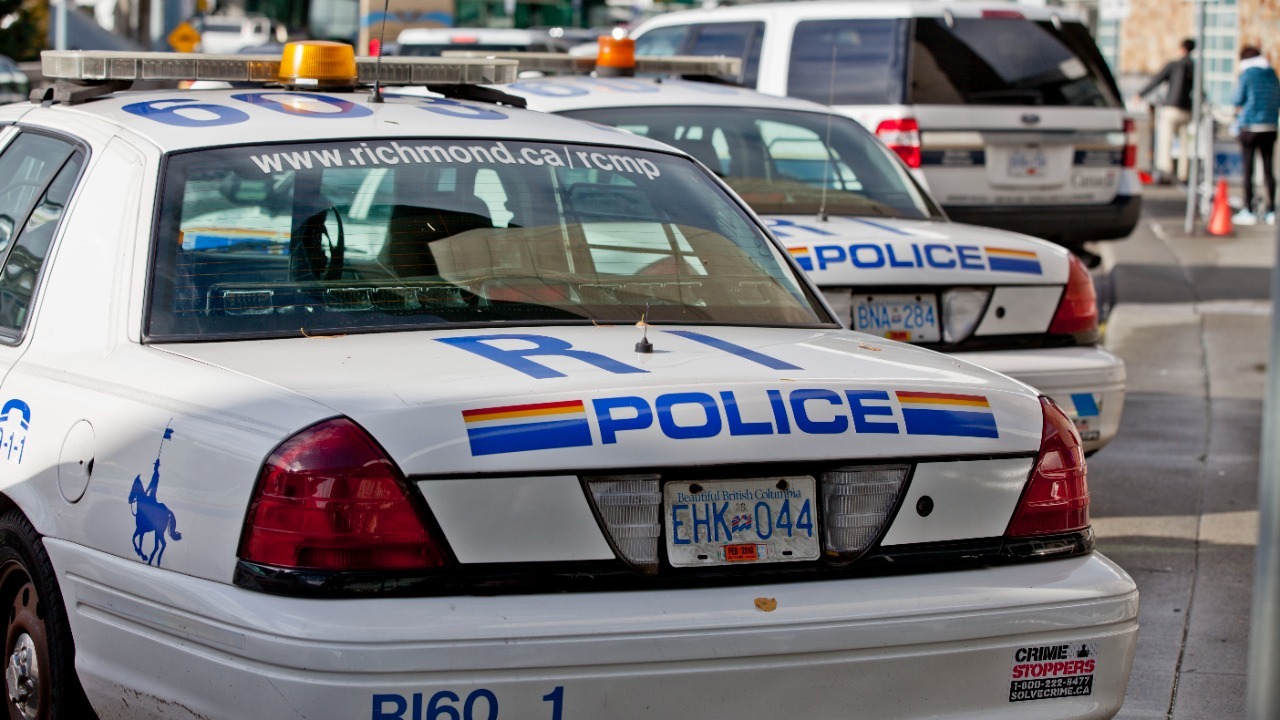
According to the Royal Canadian Mounted Police, officers received a report of an active shooter at Tumbler Ridge Secondary School at about 1:20 p.m. local time. A public emergency alert was later issued as officers rushed to the campus, and British Columbia Premier David Eby said police reached the school within minutes. Investigators said six victims were found dead inside the school, while the suspect was also found dead there after the shooting ended. Students and staff scrambled to lock doors and barricade themselves inside classrooms as gunfire echoed through the building. CBC News reported that students described a surreal lockdown, with teenagers using tables and other furniture to reinforce doors while they waited for word that police had secured the campus. The school serves a relatively small student body, which deepened the sense of shock. In a community this size, the impact does not stay contained within one hallway or one class. It moves quickly through nearly every family, every workplace, and every neighborhood.
A second scene raised the toll
As officers worked the school scene, investigators also discovered two people dead at a home connected to the suspect. That second location quickly changed the scale of the tragedy and complicated public understanding of the event in its first hours. Reuters and The Associated Press reported that the suspect had killed her mother and younger male relative at the residence before going to the school. Police said the attacks were connected and that investigators were still working to establish the full sequence of events, including how the suspect moved from the home to the campus and how long the violence lasted before officers brought the scene under control. That two-location timeline matters. It suggests this was not only a school shooting, but a broader attack that began in a domestic setting and then spread into the public heart of a small town. For investigators, that means tracing not just what happened at the school, but what may have unfolded in the home beforehand.
The suspect and the early investigation
Police identified the suspect as 18-year-old Jesse Van Rootselaar, a former student of the school. Officials said the motive remained under investigation and cautioned that many core questions were still unanswered in the immediate aftermath. Authorities said they believed the suspect acted alone. They also said police had previously had contact with her in relation to mental-health concerns, though investigators did not offer evidence of a clear motive or suggest that any one factor could explain the killings. That distinction matters in a case already at risk of attracting broad theories before the facts are fully established. Early reporting also indicated that the suspect had once held a firearms license that had expired. What has not yet been clearly established is how the weapons used in the shooting were obtained, whether they were legally owned by someone else, or whether any prior warning signs should have triggered a stronger intervention. Those are likely to become central questions as the investigation continues.
Dozens injured in a town with limited resources
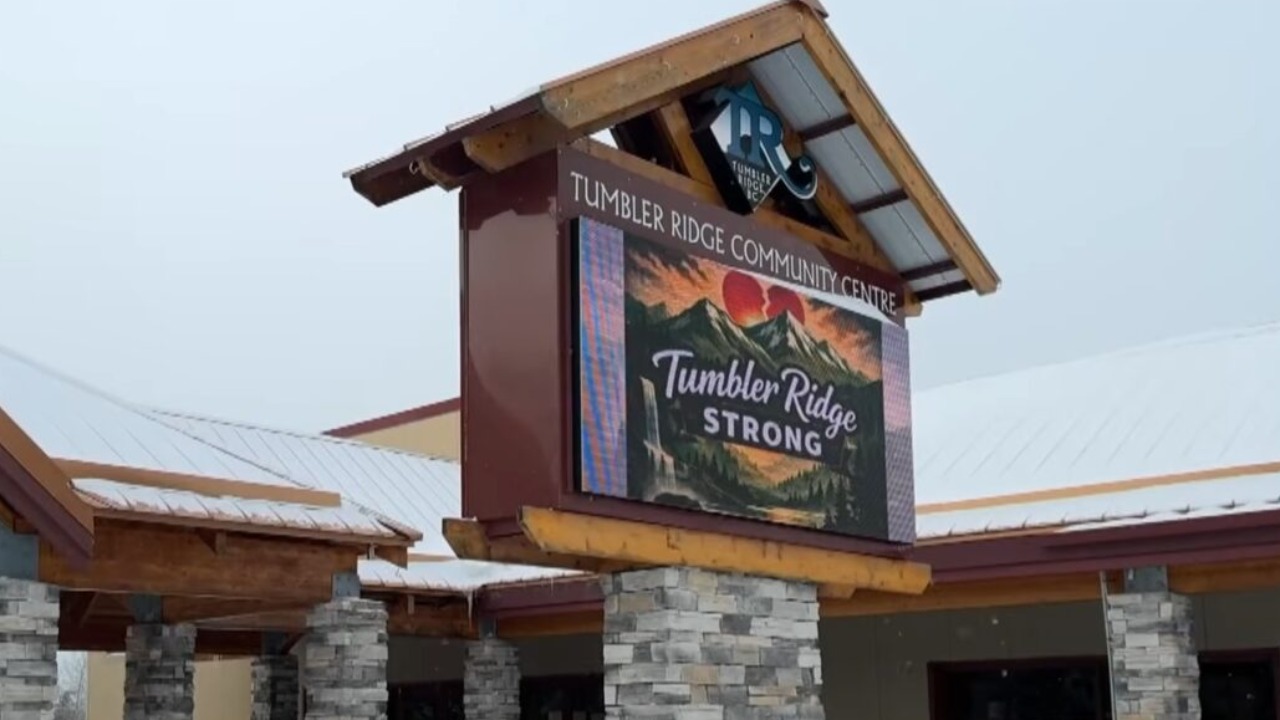
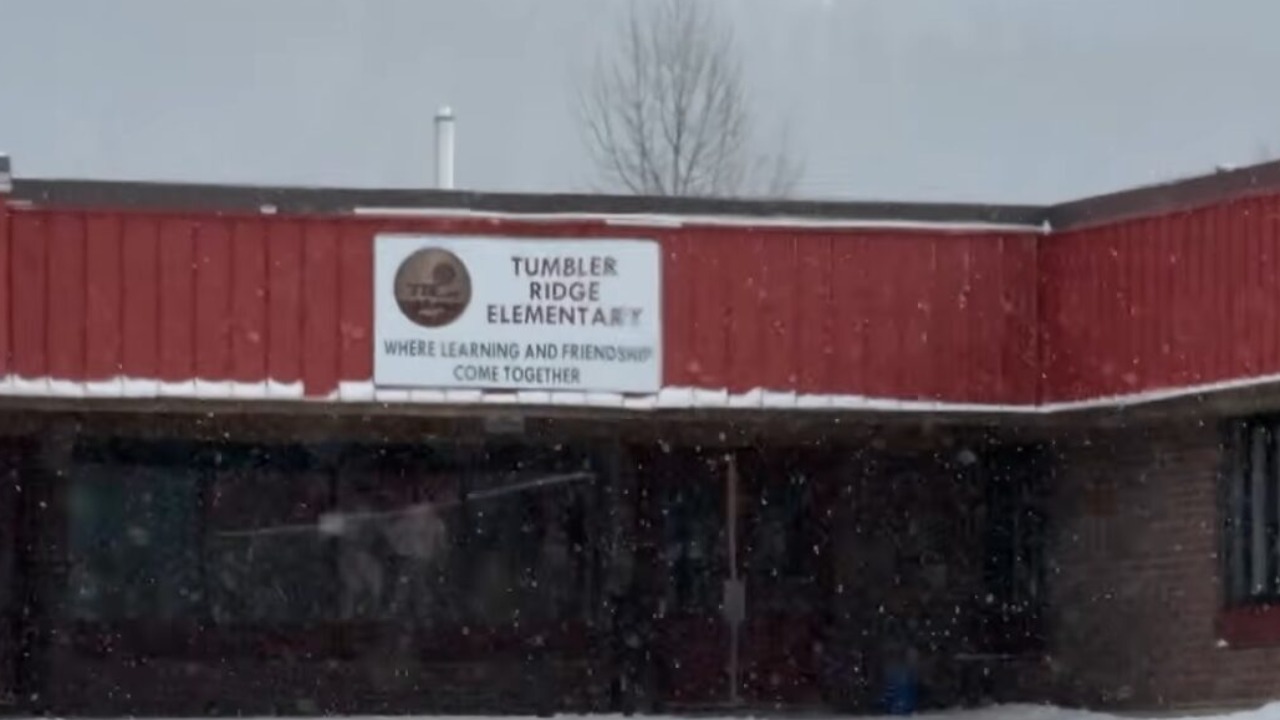
Beyond the death toll, officials said more than two dozen people were injured. In a larger city, that number alone would be significant. In Tumbler Ridge, it is devastating. The town sits in a remote part of British Columbia, and serious medical emergencies often require patients to be moved long distances for specialized care. Reporting after the attack said some of the injured were airlifted for treatment, underscoring the pressure the shooting placed not only on local first responders but on the wider emergency system that serves northern communities. School District 59 announced that both Tumbler Ridge Secondary School and Tumbler Ridge Elementary School would remain closed for the rest of the week while supports were arranged for students, staff, and families. In practical terms, the damage extends well beyond the victims counted by police. There are students who heard shots, classmates who hid behind barricaded doors, parents who spent hours waiting for news, and emergency workers who entered a bloodied school in a town where many people know one another by name. In places that are small and isolated, trauma tends to spread widely and settle deeply. That will likely shape Tumbler Ridge long after the investigation moves out of the headlines.
A national shock for Canada

Mass shootings are far less common in Canada than in the United States, which is one reason the Tumbler Ridge attack landed with such force across the country. Prime Minister Mark Carney called the killings horrific and heartbreaking, and federal and provincial leaders moved quickly to offer support and condolences. The scale of the attack immediately placed it among the most serious acts of gun violence in Canada in recent memory. It also reopened familiar debates over firearm access, public safety, and the challenge of identifying intervention points before a crisis becomes irreversible. But the most urgent story, at least for now, remains the one in Tumbler Ridge itself: a grieving community trying to account for the dead, care for the injured, and understand how violence on this scale reached a school in one of British Columbia’s most remote towns. For residents, the loss is not abstract. It is personal, local, and immediate. The school was not just a building at the center of the attack. It was one of the places where the town gathered, where children spent their days, and where families assumed they were safe. That sense of safety has now been shattered, and it will take far longer to rebuild than it did for the gunfire to end.