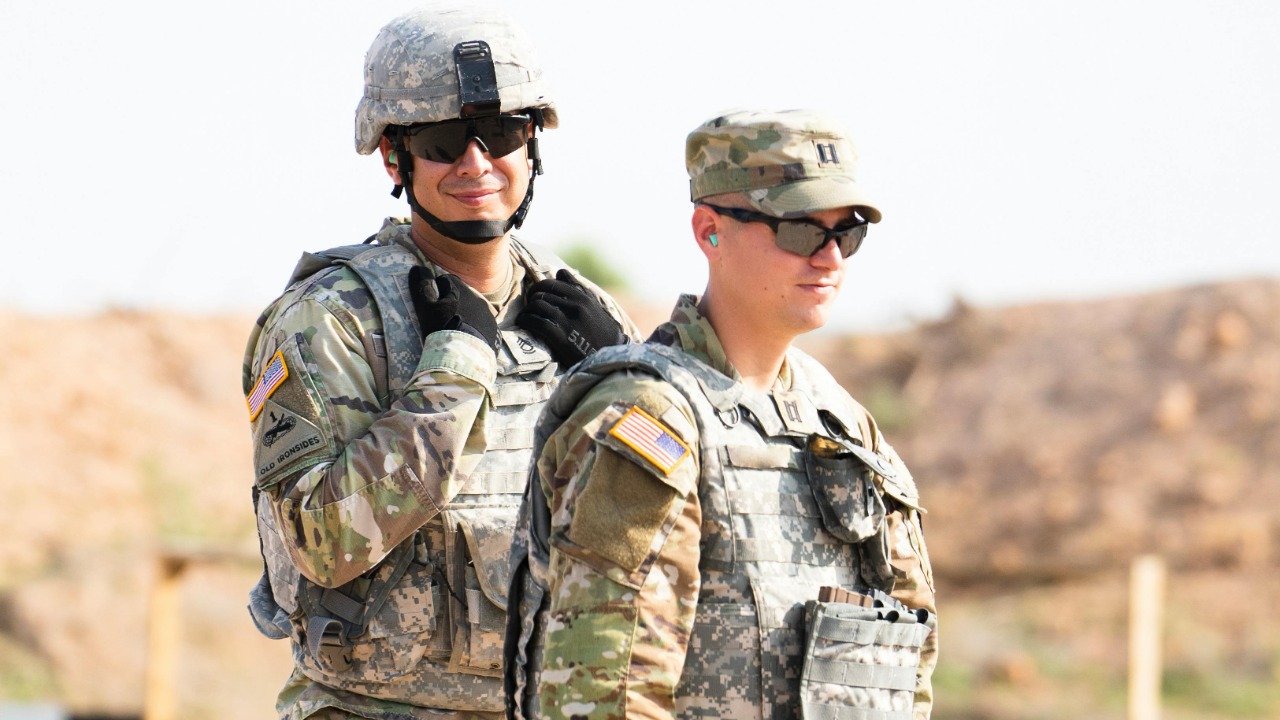
The United States is moving ahead with a new military training mission in Nigeria, sending troops and equipment to help local forces confront Boko Haram, Islamic State West Africa Province, and other armed groups that have intensified attacks in the country’s north. The deployment is limited in size and scope, but it is significant enough to signal a deeper U.S. security commitment at a moment when Nigerian officials are under growing pressure to show they can contain the threat. About 100 U.S. military personnel had arrived in Nigeria by mid-February, according to Nigerian military officials, with roughly 200 expected overall. American troops are not being sent into combat. Instead, they are there to train, advise, and provide technical support while Nigerian commanders retain control over operations. That distinction matters politically as much as militarily. Abuja can present the arrangement as requested assistance, not outside intervention, and Washington can argue it is helping a regional partner without opening another open-ended war.
How the mission came together
The broader deployment came into public view when Reuters reported that the United States planned to send about 200 troops to Nigeria to train the country’s military in its fight against Islamist militants. That report said the move would build on an existing American presence that included a smaller team already on the ground. Days later, the Nigerian military said about 100 U.S. personnel and associated equipment had arrived, a development also reported by the Associated Press and Reuters. Nigerian officials have said the mission was requested by Abuja and will focus on training support, intelligence sharing, and technical assistance. Maj. Gen. Samaila Uba said the Americans would operate under Nigerian command authority and would not take on a combat role. That framing is central to how both governments are selling the arrangement. It keeps the mission narrow on paper while still allowing Nigeria to tap U.S. expertise at a time when its forces are facing mounting strain.
Why Nigeria is asking for help now
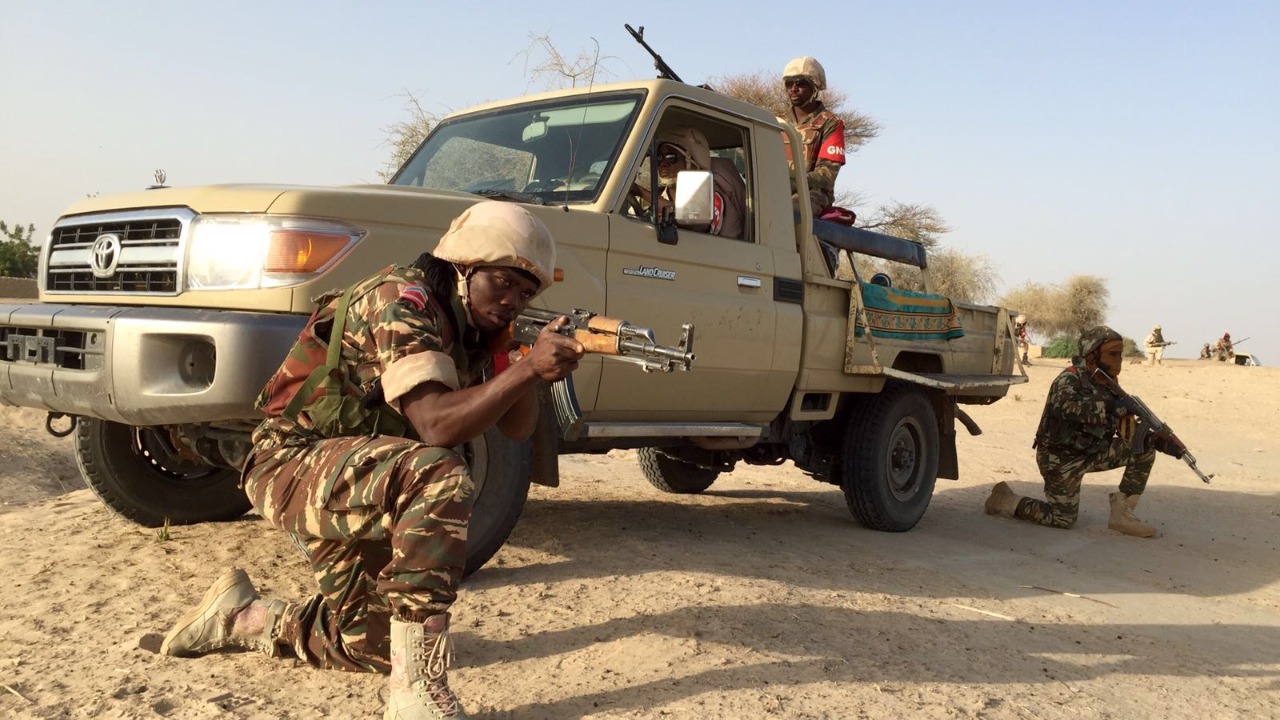
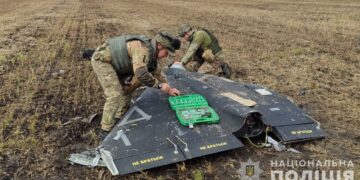
The deployment comes against a backdrop of worsening insecurity. In late January, Reuters reported that militants backed by armed drones attacked a Nigerian army base in Borno State, highlighting how insurgent tactics have become more sophisticated. On February 16, Reuters reported that Nigerian troops had repelled coordinated assaults on two military bases in Borno in some of the fiercest clashes seen in the northeast this year. In early March, both Reuters and the Associated Press described fresh deadly attacks and mass abductions in the same broader conflict zone. That renewed pressure helps explain why the timing shifted from quiet planning to a visible deployment. Nigeria’s armed forces are dealing with overlapping crises, from insurgency in the northeast to banditry and kidnapping elsewhere, and the northeast remains the most symbolically important theater because it is where Boko Haram and ISWAP have inflicted some of the country’s worst violence over the past decade and a half.
What the U.S. troops will actually do
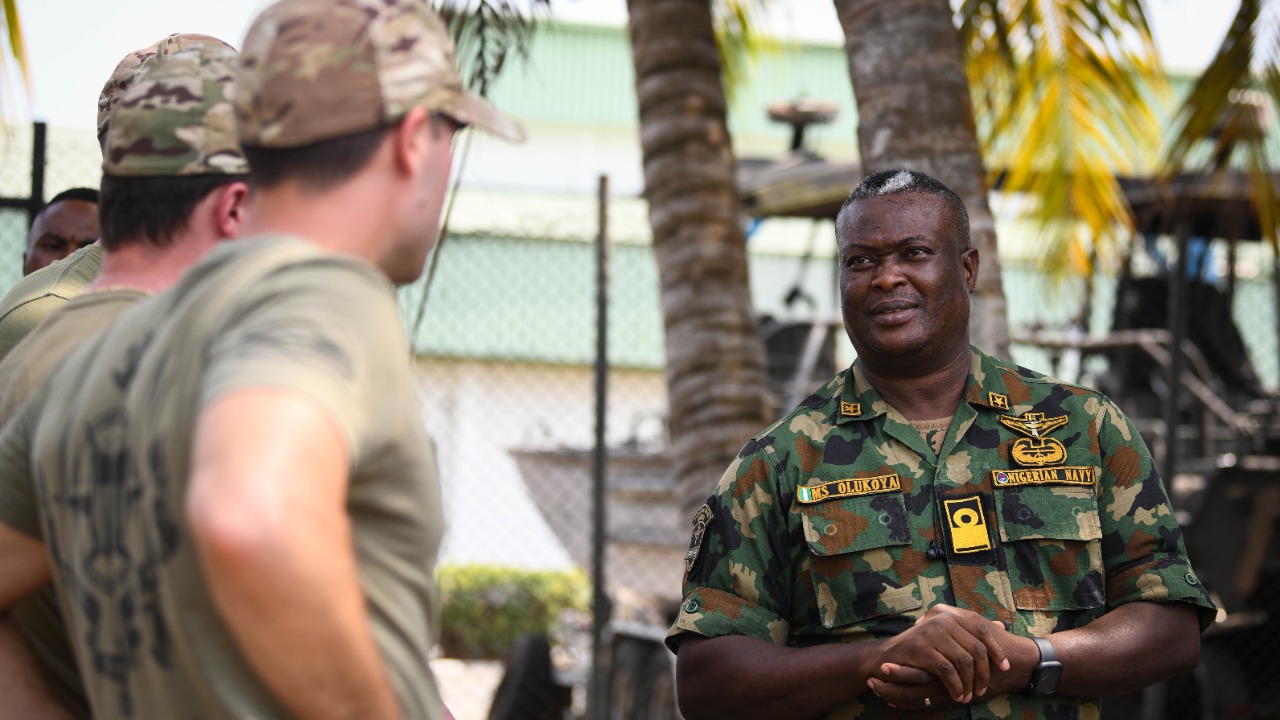
The available reporting points to a mission built around advising rather than fighting. The Americans are expected to help with training, intelligence support, and technical capabilities rather than accompanying Nigerian units into battle. That may sound limited, but advisory missions are often designed to improve how local forces plan, move, and respond rather than to change the battlefield overnight. The likely value of the mission is not that 200 troops can transform Nigeria’s war effort by themselves. They cannot. The more realistic goal is to sharpen parts of the military system that have come under stress, especially in a theater where militants have repeatedly hit bases, ambushed convoys, and exploited difficult terrain. If Nigerian units get better targeting support, better planning support, and more consistent training, the effect could show up less in dramatic territorial gains than in whether attacks become harder to pull off and easier to disrupt.
The limits of a small deployment
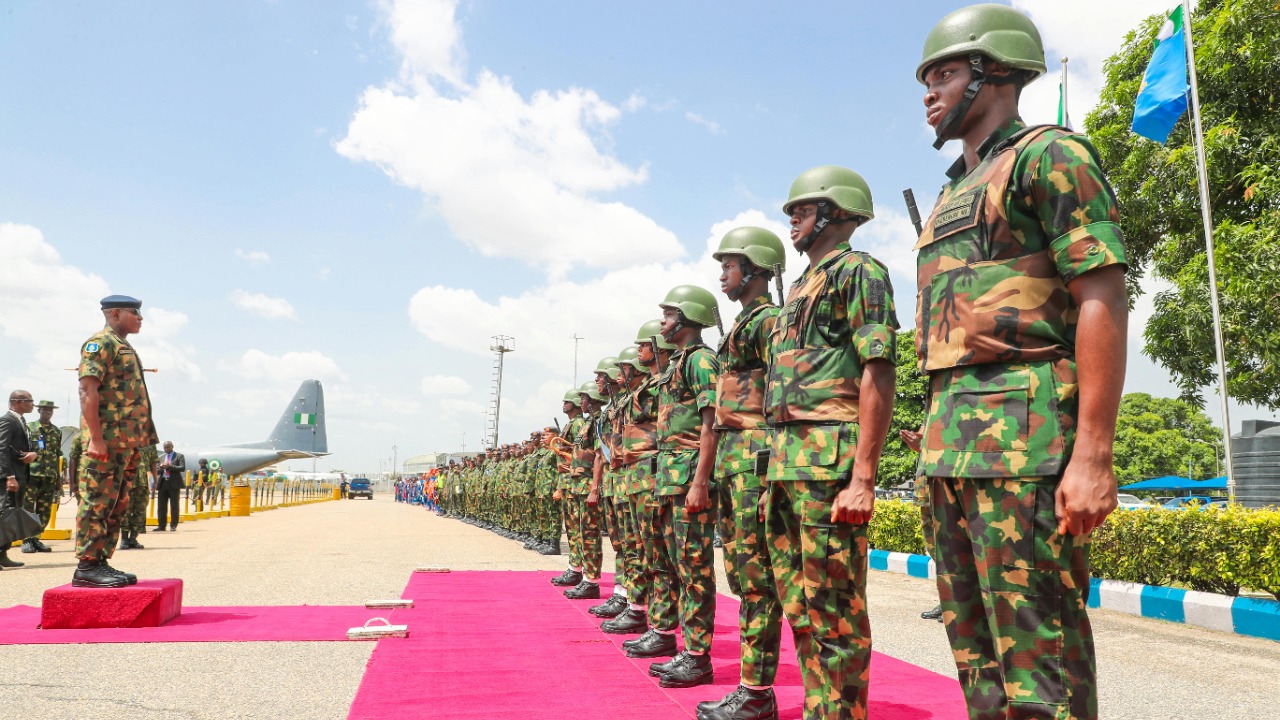
That said, the size of the mission places obvious limits on what it can achieve. Two hundred troops is enough to run a focused training and advisory effort. It is not enough to solve structural problems inside a military as large and overstretched as Nigeria’s. The deployment may improve specific units or capabilities, but it is not a substitute for wider institutional reform, better logistics, and sustained political attention from Abuja. There is also the political reality that foreign troops on Nigerian soil can quickly become controversial. That is one reason officials have repeatedly emphasized that the mission is temporary, requested by Nigeria, and non-combat in nature. The language is careful because sovereignty remains a sensitive issue, particularly when security cooperation involves a foreign military power.
Why Washington sees Nigeria as a key partner
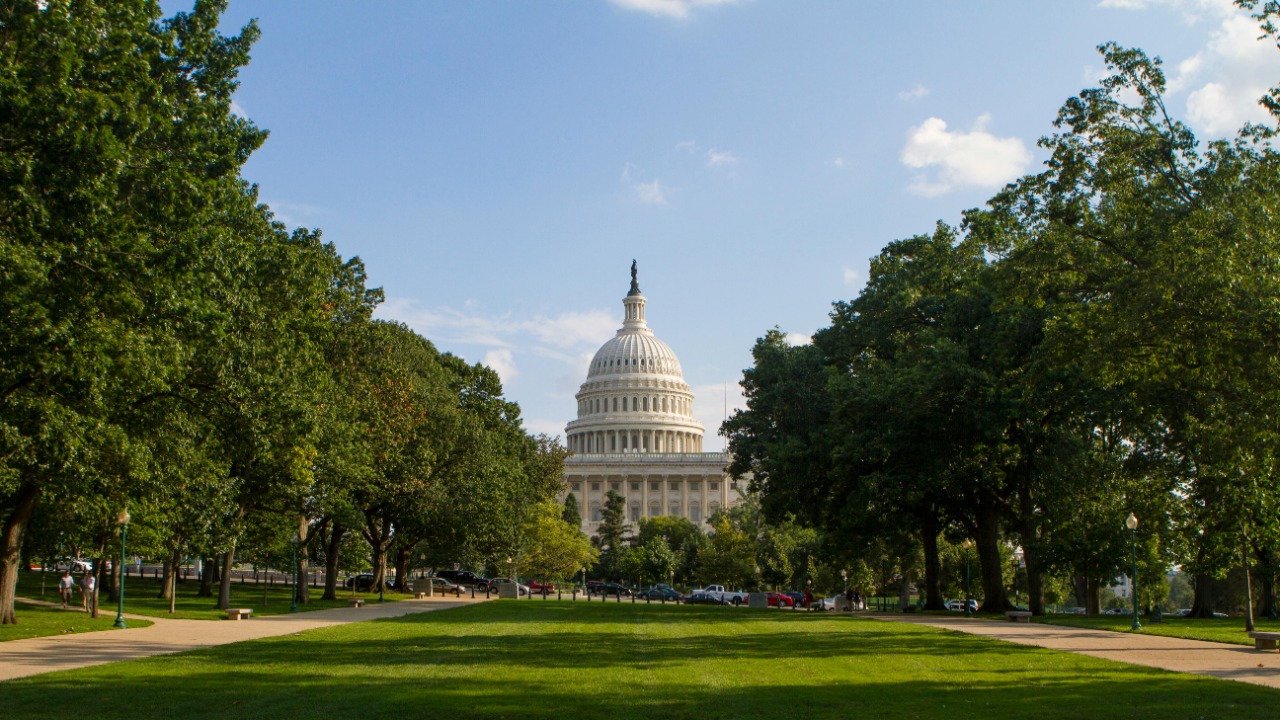
For the United States, the move fits a broader pattern of relying on smaller advisory missions in Africa rather than large-scale combat deployments. It also reflects Nigeria’s weight in the region. Nigeria is Africa’s most populous country and one of its most important militaries, so a sustained deterioration there would have consequences well beyond its borders. At a time when parts of the Sahel have become more difficult for Western security partnerships, Nigeria remains a partner Washington does not want to lose. The regional context also matters because insecurity is not contained neatly inside one country. The wider Lake Chad Basin has long been affected by militant movements, displacement, and food insecurity. The humanitarian strain in northeastern Nigeria remains severe, especially in Borno, Adamawa, and Yobe states, where violence and displacement continue to disrupt daily life. That leaves the deployment carrying a significance beyond narrow military assistance. If Nigerian forces become more effective, even modestly, the benefits could extend to civilian protection and access in some of the hardest-hit areas.
What success would look like
The test for this deployment will not be the announcement itself. It will be whether the security situation in northeastern Nigeria becomes measurably more manageable in the months that follow. That means watching whether attacks on bases ease, whether communities and major roads become easier to secure, and whether Nigeria can show that outside support is strengthening its own capacity rather than creating dependency. For now, the mission is best understood not as a U.S. combat intervention, but as a narrowly defined effort to help a strained partner confront a worsening insurgent threat. That is a more modest story than the headline of a new American war. It is also the more accurate one.