
The North Texas Food Bank is set to welcome supporters to its Perot Family Campus in Plano for the 26th annual Empty Bowls fundraiser, a signature event that has become one of the nonprofit’s most recognizable nights of the year. Scheduled for Thursday evening at 3677 Mapleshade Lane, the fundraiser will bring together food, art and philanthropy in support of hunger relief across North Texas.
Running from 6 to 9 p.m., with VIP check-in beginning at 5 p.m., Empty Bowls blends restaurant tastings, live entertainment, a silent auction and a wine pull with the event’s signature tradition: guests selecting handcrafted ceramic bowls to take home. The bowls are meant to be more than a keepsake. They serve as a reminder of the people across the region who still struggle to keep food on the table. That symbolism has helped give the fundraiser staying power. More than two decades after its launch, Empty Bowls remains one of the North Texas Food Bank’s best-known public events, partly because it offers a social night out with a clear mission and partly because it turns a complex issue into something guests can see and hold in their hands.
What guests can expect in Plano
According to the North Texas Food Bank’s official event materials, this year’s Empty Bowls is a 21-and-over evening built around movement and interaction rather than a formal seated dinner. Guests will circulate through the campus to sample food, browse auction items, listen to live music and choose from a wide selection of artist-made bowls.
Ticket materials released by the organization say each $100 ticket helps provide 300 meals, tying the event directly to the food bank’s day-to-day work. The format is a big part of the event’s appeal. Instead of asking attendees to sit through a long program, Empty Bowls lets the mission reveal itself through the experience. Visitors eat, mingle, bid and shop while surrounded by reminders of the operation they are helping support.
Because the event is held at the Perot Family Campus rather than a hotel ballroom, the setting also reinforces that this is the working home of a regional hunger-relief network, not simply a rented venue for a gala. The food is expected to be one of the night’s biggest draws. In a later pre-event update, the North Texas Food Bank said nearly 20 restaurants would take part, including Asian Mint, Celebration Restaurant & Catering, Empire Baking Co. and If Jesus Made Quesadillas. The lineup gives the evening the feel of a local tasting event while keeping the focus on fundraising.
Kroger’s role as presenting sponsor
Kroger was named the presenting sponsor for the 2026 fundraiser, continuing a partnership that has become closely tied to Empty Bowls over the years. For the North Texas Food Bank, that kind of backing matters well beyond logo placement. Signature events are expensive to stage, and a major sponsor helps absorb costs while also bringing visibility and credibility to the evening.
The pairing also makes sense at a practical level. Grocery chains sit inside the same broader food system that hunger-relief groups are working to support and stabilize. Kroger’s role gives the event an added layer of relevance, linking a high-profile retailer to a cause that touches food access, supply logistics and community giving across North Texas. The food bank’s announcement also framed Empty Bowls in terms of long-term impact. Since the event began, supporters have helped provide more than 9 million meals through Empty Bowls, according to the organization. It is one of the North Texas Food Bank’s established engines for raising money and keeping hunger visible in a fast-growing region.
The artists behind the bowls

One reason Empty Bowls stands apart from a standard fundraiser is the work that goes into the bowls themselves. Rather than handing out generic event favors, the evening depends on local ceramic artists and volunteers who donate time, materials, and skill to create the pieces guests take home. That process has been visible this year at FCS Clayworks in Garland, where volunteers gathered to make bowls for the event.
Local television coverage of the studio’s effort showed how artists are contributing to hunger relief in a way that fits their craft. That creative pipeline gives Empty Bowls a different texture than a conventional charity dinner. The object guests leave with is not mass-produced. It carries the mark of the person who made it. The bowls create a more personal exchange between donor and mission, and they make the fundraiser memorable in a way few event keepsakes do. A ceramic bowl kept on a kitchen shelf can continue to prompt conversation long after the music stops and the auction closes.
Why Empty Bowls still resonates in North Texas
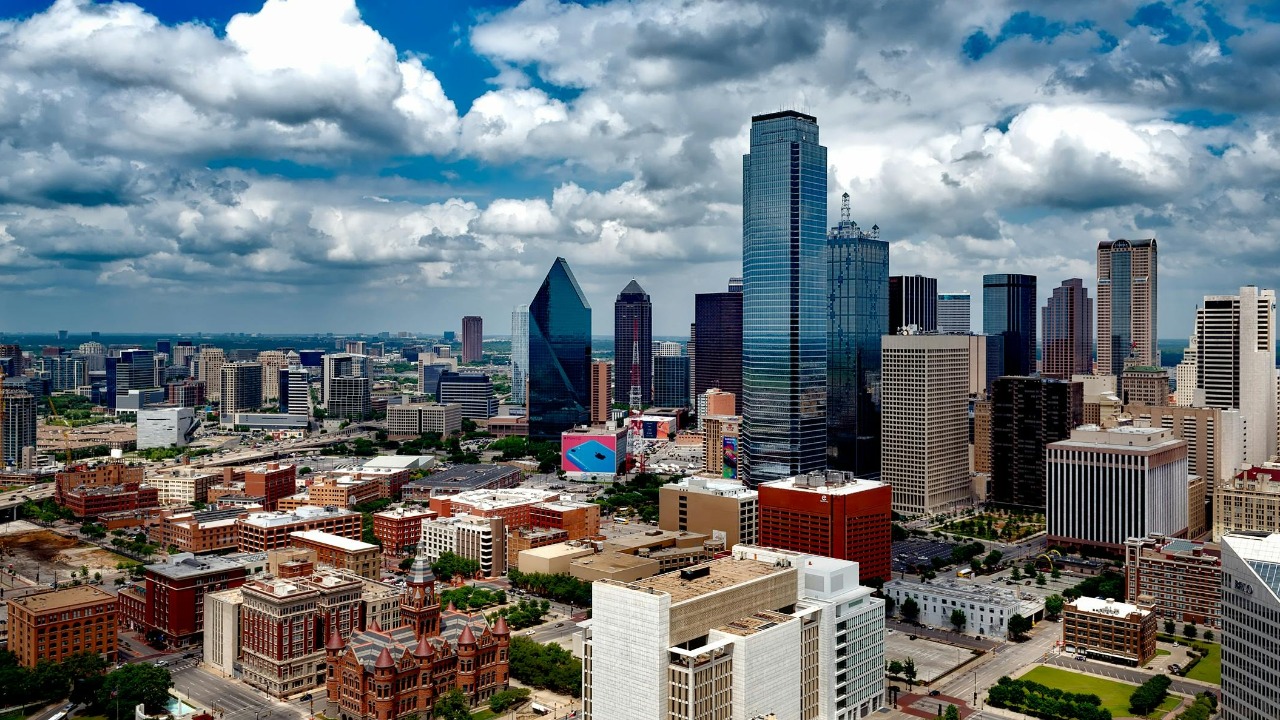
North Texas is one of the country’s fastest-growing regions, but growth has not eliminated need. The North Texas Food Bank has repeatedly said that 1 in 6 North Texans faces hunger, a statistic it has used across recent campaigns and event messaging.
In that context, Empty Bowls works because it translates an enormous regional challenge into something local, visible and emotionally immediate. North Texas Food Bank President and CEO Trisha Cunningham said in the organization’s announcement that the event reflects both the history of Empty Bowls and the mission behind it, describing the evening as a chance for the community to come together in support of neighbors in need.
Recent local coverage has also highlighted how the fundraiser fits into the food bank’s broader strategy. Reporting ahead of this year’s event pointed to the success of the 2025 fundraiser and to expectations that this year’s gathering would again draw a strong crowd to Plano. That is part of the strength of a well-established signature event: it can raise money, bring in new donors and remind people that hunger is not limited to any one ZIP code or demographic.
More than a single night out
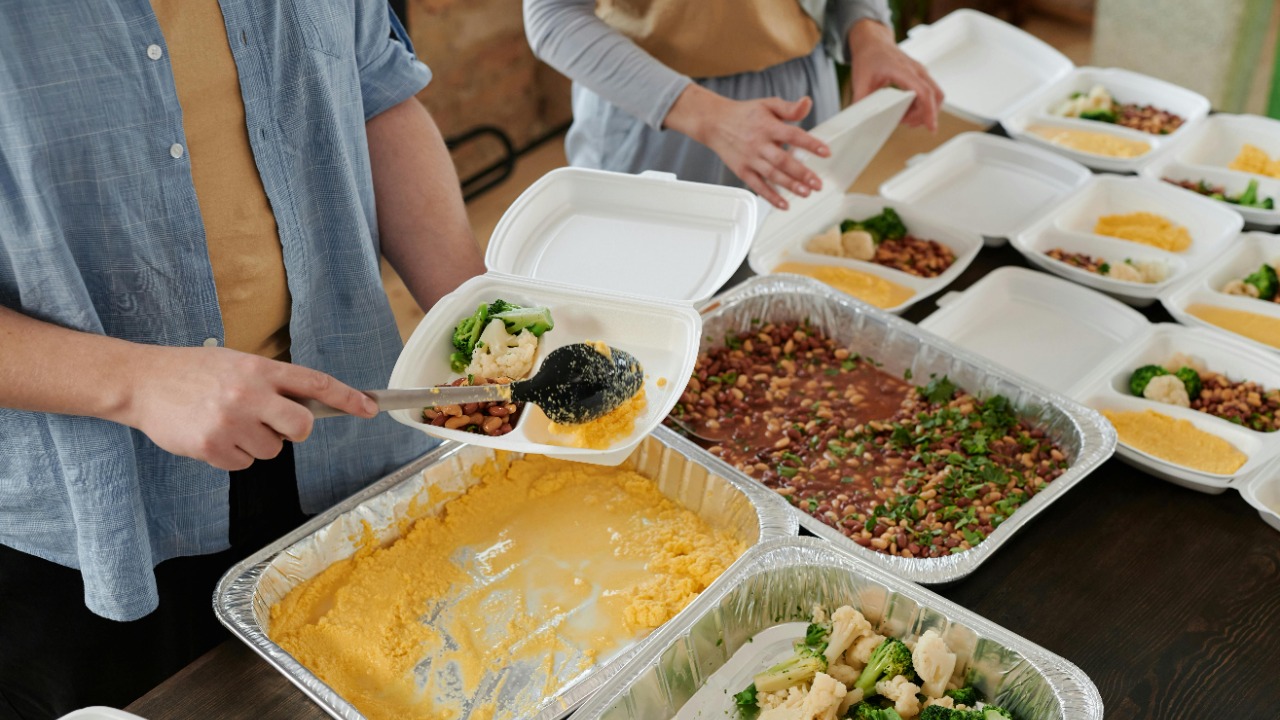
For all the attention Empty Bowls receives as a social event, its real significance lies in what happens after guests head home. The money raised helps support the North Texas Food Bank’s wider distribution network, which moves food through partner pantries, schools, shelters and community organizations across the region. The auction items, restaurant samples, sponsor dollars and bowl selections all connect back to that everyday operation. That is also why the fundraiser has remained relevant. It does not pretend to solve hunger on its own.
Instead, it offers a practical way for residents, artists, restaurants and corporate partners to plug into a larger system already doing the daily work. The event gives supporters a reason to show up, but the real point is what their participation helps sustain afterward. When guests arrive at the Perot Family Campus this week, they will come for a night that is polished, social and unmistakably local. They will leave with bowls in hand, but also with a reminder of what the evening is meant to represent. In North Texas, where growth and need continue to coexist, that reminder has helped keep Empty Bowls relevant for 26 years and counting