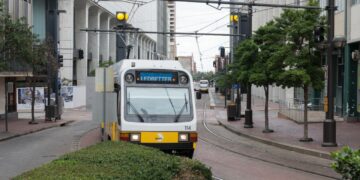
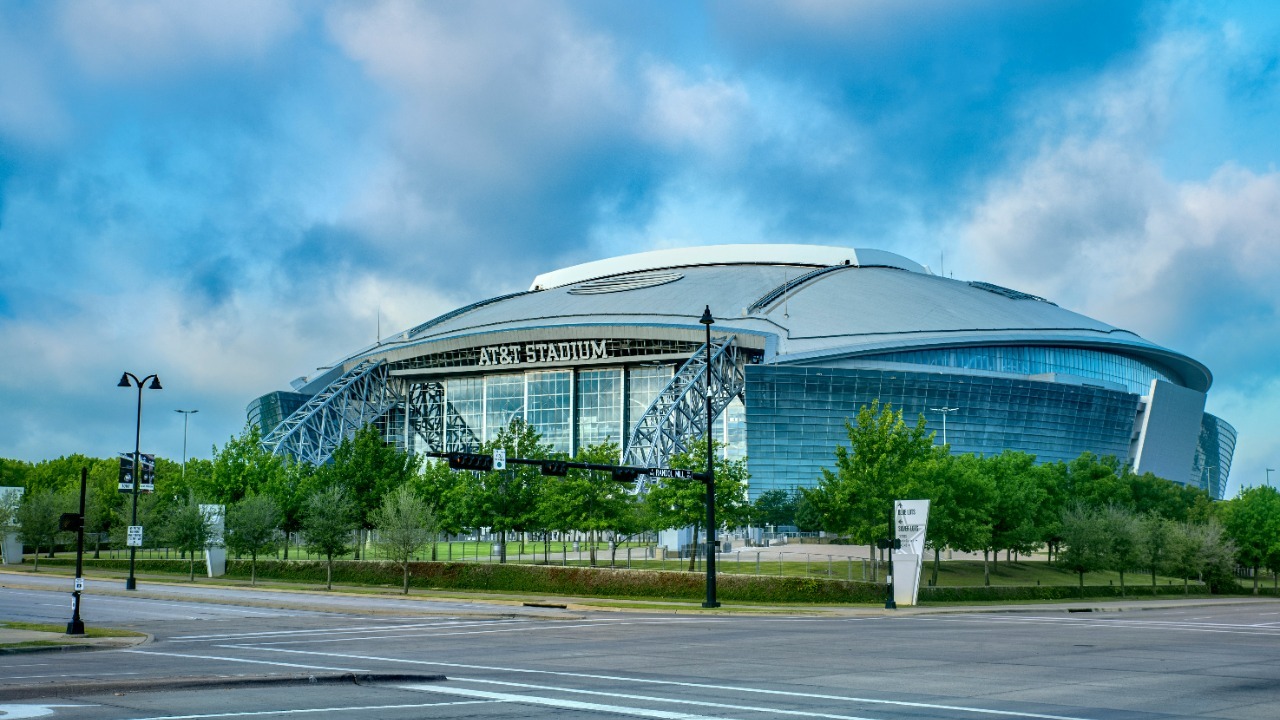
North Texas has finally put its World Cup transportation concept on the table, and the message is straightforward: Getting fans to Arlington will depend on a carefully timed chain of trains, charter buses, walking routes and traffic controls, not one simple fix. For a region that still leans heavily on the car, that is an ambitious way to move World Cup-sized crowds.
It is also a test that will not be evenly distributed. Arlington is hosting nine matches, more than any other stadium in the tournament, and one of the most demanding dates on that calendar is the late-June Jordan-Argentina fixture. If the rail-to-bus handoff works that night, local officials will have strong evidence that the broader plan can hold. If it stumbles, the weak spots will become obvious fast.
What is locked in
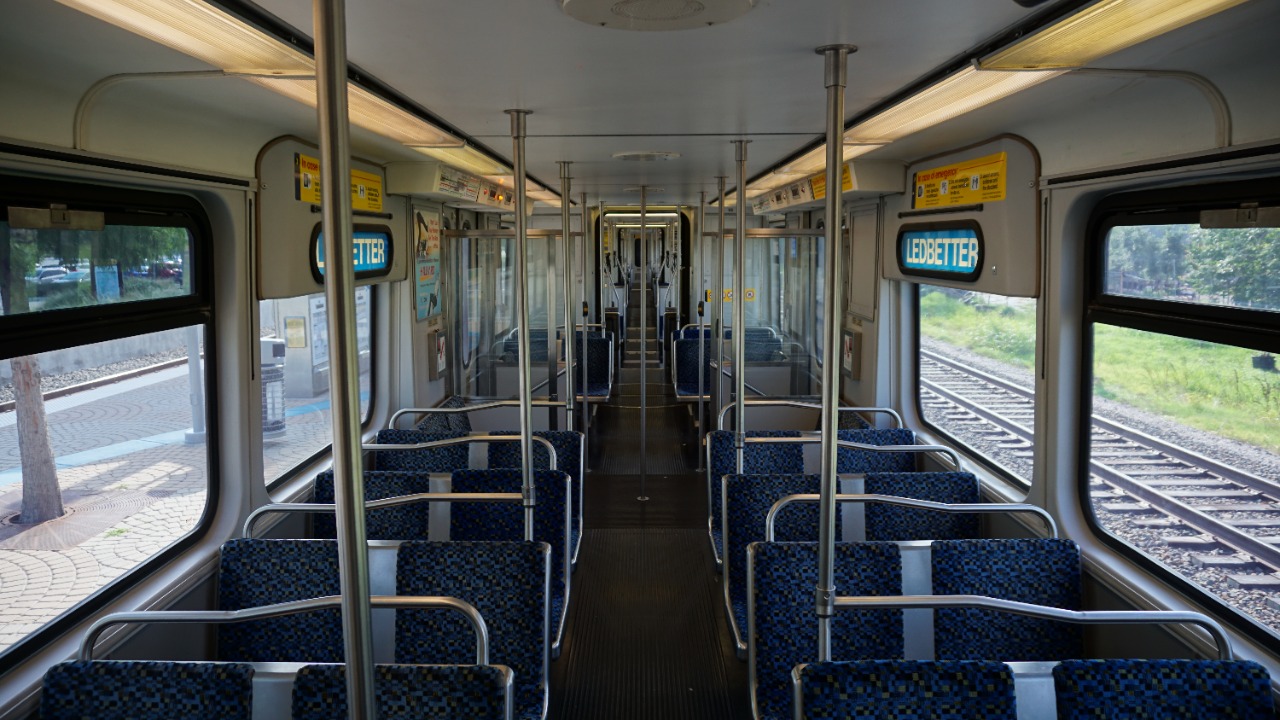
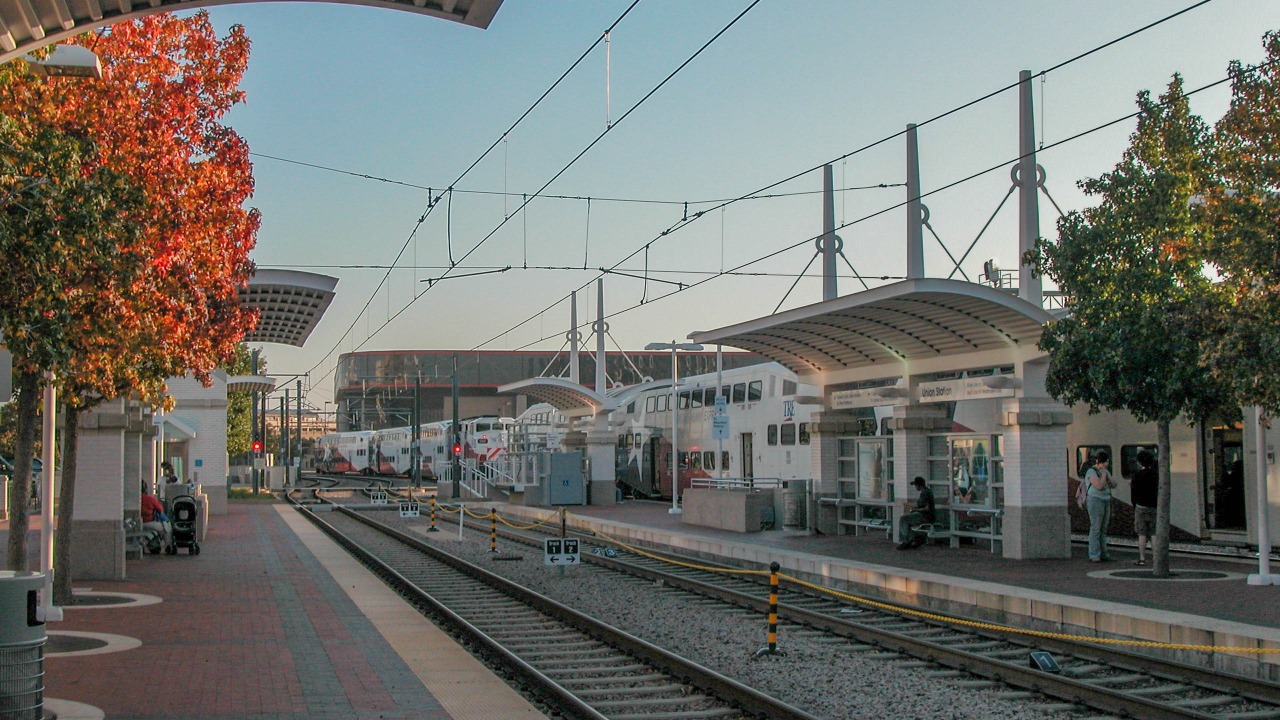
The official transportation plan released by NCTCOG and the North Texas organizing committee confirms the backbone of matchday travel. Ticket holders can ride the Trinity Railway Express from Dallas or Fort Worth to CentrePort Station, transfer to charter buses headed to the bus hub near the stadium, then complete the final half-mile walk on foot. The City of Arlington’s own summary repeats that same sequence, which matters because it shows the rail-to-bus-to-walk model is not a loose concept. It is the operating assumption for Arlington’s entire World Cup setup.
Reporting from KERA fills in the part local fans actually need to picture. Regional planners say Trinity Railway Express service will run more frequently with additional train cars, while 125 charter buses are being positioned as the pressure valve for overloads and scheduled to use reversible managed lanes on Interstate 30. A more detailed CBS Texas breakdown makes the larger point even clearer: this is a multistep trip that fans should treat as a full journey, not a quick stadium shuttle.
The surrounding infrastructure is not standing still either. In February, the City of Arlington said it had expanded sidewalks and other walkability upgrades in the Entertainment District, improved overhead traffic message boards and built a new traffic management center aimed at handling major event flows. Those are not flashy additions, but they are the kind of improvements that determine whether a stadium district feels orderly or overwhelmed when tens of thousands of people arrive in tight windows.
Why the Argentina match stands out

The basic question is not whether Arlington can host a World Cup game. It has the stadium size, the event experience and the regional profile for that. The real question is whether a transfer-heavy transport design can keep pace on its busiest days. The published match schedule for Arlington makes that concern easy to identify. The stadium will stage nine matches, including Argentina versus Austria on June 22 and Jordan versus Argentina on June 27. Even without a publicly released match-by-match ridership model, it is reasonable to treat the second Argentina date as one of the clearest stress tests on the calendar. The original 1 million framing works only if it is handled carefully. Recent KERA reporting says the broader World Cup is expected to bring more than 1 million visitors to North Texas over the tournament as a whole. That is not the same thing as 1 million people converging on Arlington for one match, or 1 million fans riding the transit system tied to AT&T Stadium. The stronger read is that North Texas is preparing for a region-wide surge, while certain Arlington dates, especially those involving Argentina, are more likely to expose the plan’s sharpest pressure points.
Where the public plan still looks thin
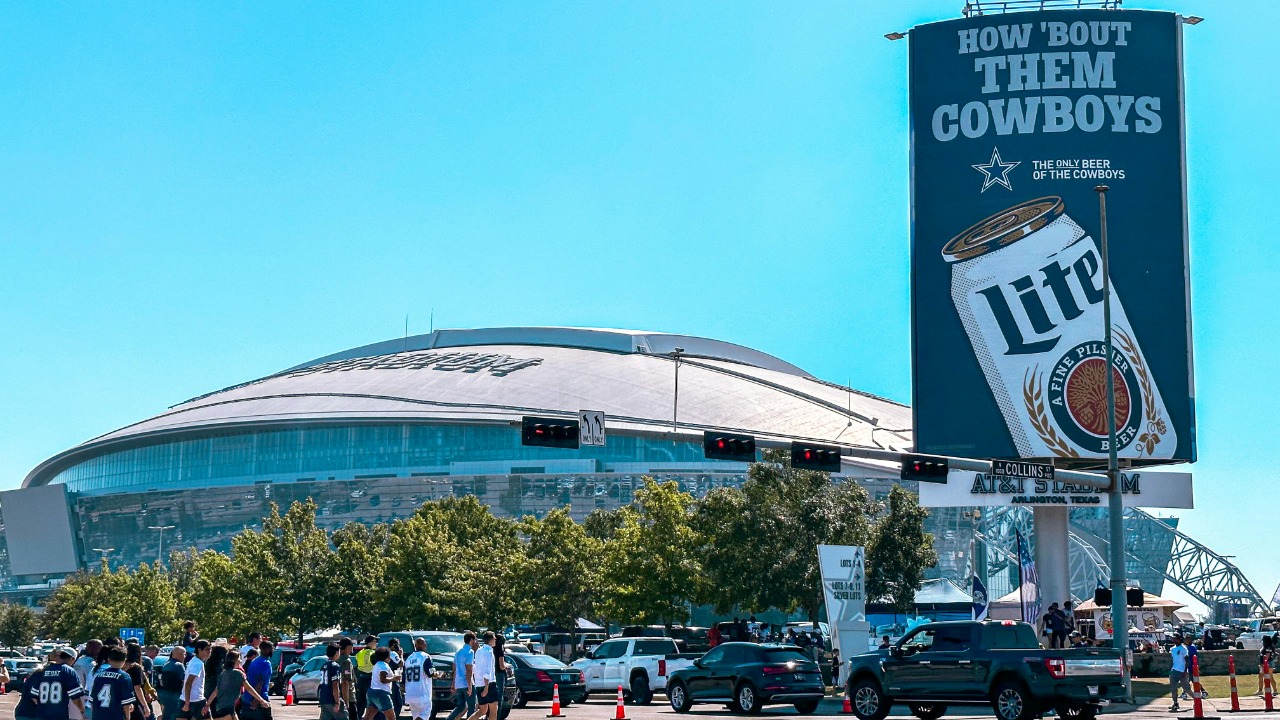
The public record is strongest when it describes the spine of the system. It gets thinner when it reaches the places where real-world friction usually shows up. The newly unveiled plan and local coverage confirm the transfer route, the rideshare lot, the use of managed lanes and the extra buses. What officials have not put plainly into the public record is how many people they expect to move by rail, by charter bus, by rideshare and by private car on the most heavily loaded matchdays.
That missing demand detail matters because almost every piece of the Arlington operation is connected to something else. If Trinity Railway Express riders stack up at CentrePort, bus boarding backs up. If buses get slowed on the corridor, the walking route loads harder in shorter bursts. If rideshare demand overshoots expectations, the overflow lands on streets and lots that were never meant to function as informal staging zones. The official plan acknowledges the need for a dedicated Esports Stadium Arlington rideshare lot, rideshare lot, and Texas Register procurement notices show that the North Central Texas Council of Governments has been contracting for both rideshare-lot operations and pedestrian wayfinding. That is reassuring because it proves the work is operational, not theoretical. It also underlines that some important pieces are still being translated from planning language into event-day execution.
Heat is another place where the public-facing explanation remains lighter than it should be. Arlington’s route design asks fans arriving by bus to finish with a half-mile walk, while the rideshare lot sits about 0.7 miles from the stadium, or roughly 10 to 15 minutes on foot, according to CBS Texas. In late June, that is manageable for many visitors, but it is not trivial. Families with children, older supporters and fans with mobility limitations will remember that final stretch more vividly than they remember a planning diagram. The city’s pedestrian upgrades help, but the public materials still leave too much guesswork around shade, water access, medical support and how multilingual wayfinding will function when the district is full.
What would make the plan look more convincing

The transit strategy is not flimsy. The evidence so far suggests North Texas planners understand the scale of the challenge better than some early skepticism implied. The region has a defined matchday travel chain, backup charter capacity, managed-lane priority, a designated rideshare site, active wayfinding procurement and a city government that has spent years strengthening the district around safety and circulation.
What is missing is the final layer of public confidence. A clearer fan-facing release with arrival windows, transfer expectations, parking guidance, walking maps, heat-mitigation points and accessibility instructions would do more than another press event. A more direct explanation of what happens if one link in the chain falls behind would also help. Major events rarely fail because every moving part breaks at once. They fail when one transfer point becomes slower than expected and the queue has nowhere to go.
The bottom line
The North Texas World Cup transit plan is real, more detailed than early sketches suggested and the product of coordination across the North Central Texas Council of Governments, Arlington, transit agencies and state partners. But it is also a plan built around transfers, timing and crowd behavior in a metro area built for cars. That makes execution, not just design, the story to watch.
For that reason, the most direct reading is not that North Texas has solved World Cup mobility. It is that officials have assembled a credible operating framework, and the Argentina match is likely to be one of the clearest public tests of whether that framework can absorb a surge without fraying. If the handoffs work, Arlington will appear prepared. If they do not, the failure points are visible enough to identify in advance..