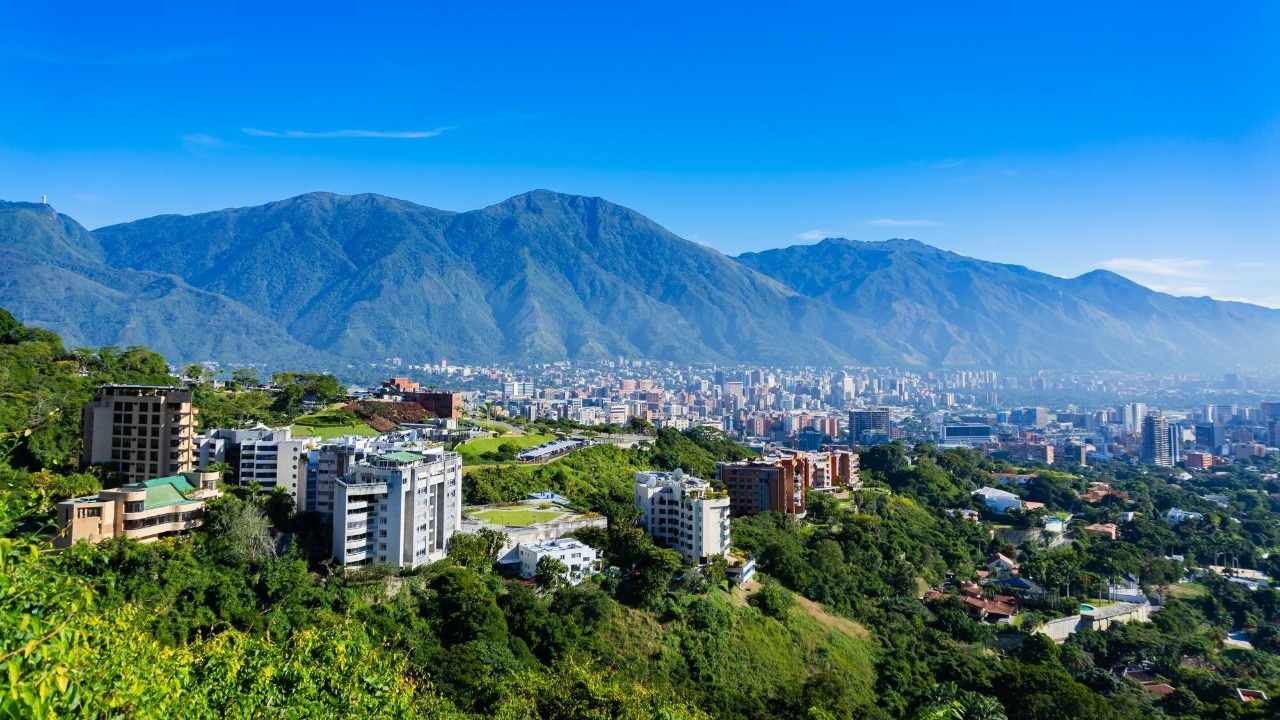
The reported U.S. strike on a dock facility inside Venezuela marked a sharp turn in Washington’s campaign against Nicolás Maduro, pushing American pressure past sanctions, seizures and offshore military action into a direct hit on Venezuelan soil. President Donald Trump publicly described an attack on a drug-loading area, and subsequent reporting tied the operation to the CIA, making the episode one of the clearest signs yet that the administration is willing to use covert force inside the country rather than only around it.
A strike inside Venezuela is harder to dismiss as maritime interdiction or regional policing. It raises immediate questions about sovereignty, congressional oversight, civilian risk and whether the administration is building toward a broader confrontation while still avoiding the political cost of calling it one. Even if the target was limited, the move suggests Washington now sees covert action as a central tool, not a backup option, in its effort to pressure Maduro’s government.
Trump’s comments pulled a covert action into public view
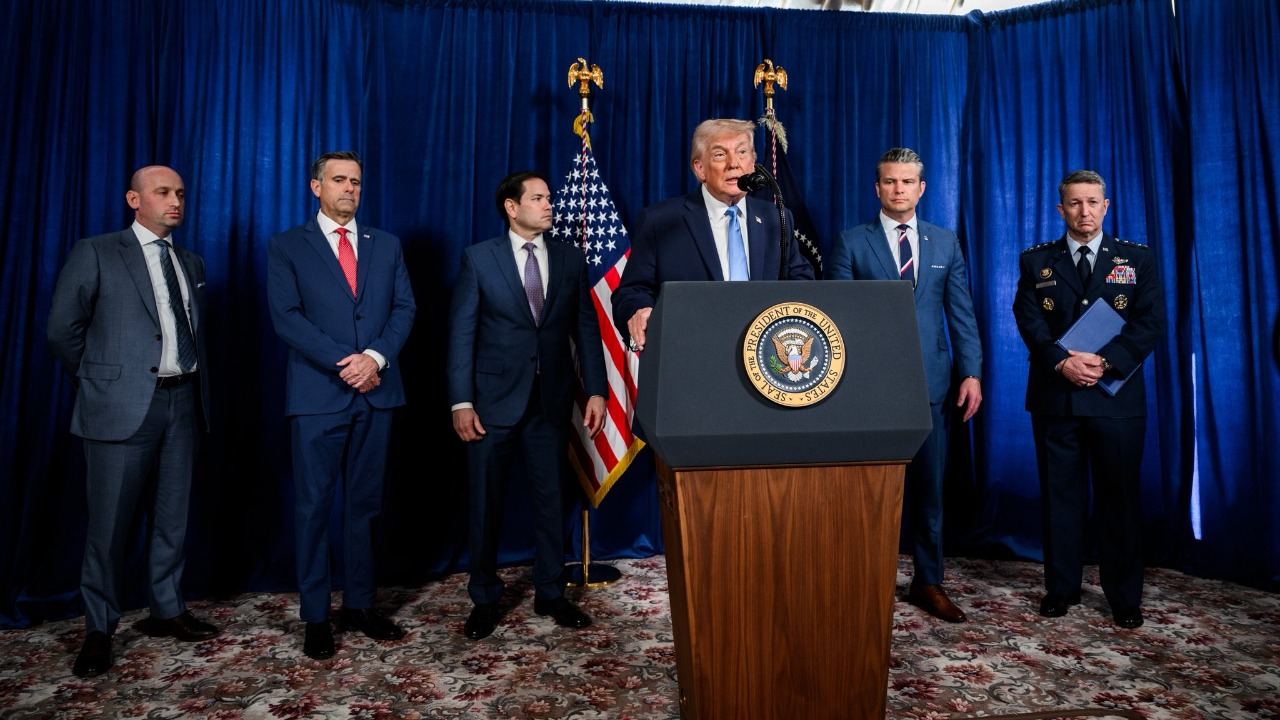
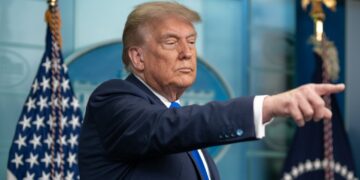
The story broke in unusual fashion. Trump told interviewers and later reporters that the United States had “hit” an area in Venezuela where boats were loaded with drugs, describing a major explosion in a dock area and saying the site was no longer there. That public account was striking on its own. Presidents do not usually volunteer details that point to a covert operation, especially before agencies involved have said anything publicly.
According to Reuters, Trump declined to say which arm of the U.S. government carried out the strike, even while making clear that Washington was responsible. Reuters reported that the White House, CIA and Pentagon all declined to elaborate, and that Venezuelan authorities had not publicly commented on the incident at that stage. The combination of disclosure and silence gave the episode a strange quality. Trump effectively confirmed an American attack while leaving the official record hazy enough for agencies to avoid answering the most important questions, including exactly what was struck, what intelligence supported the operation and whether anyone was hurt.
Reporting pointed to the CIA, not the Pentagon
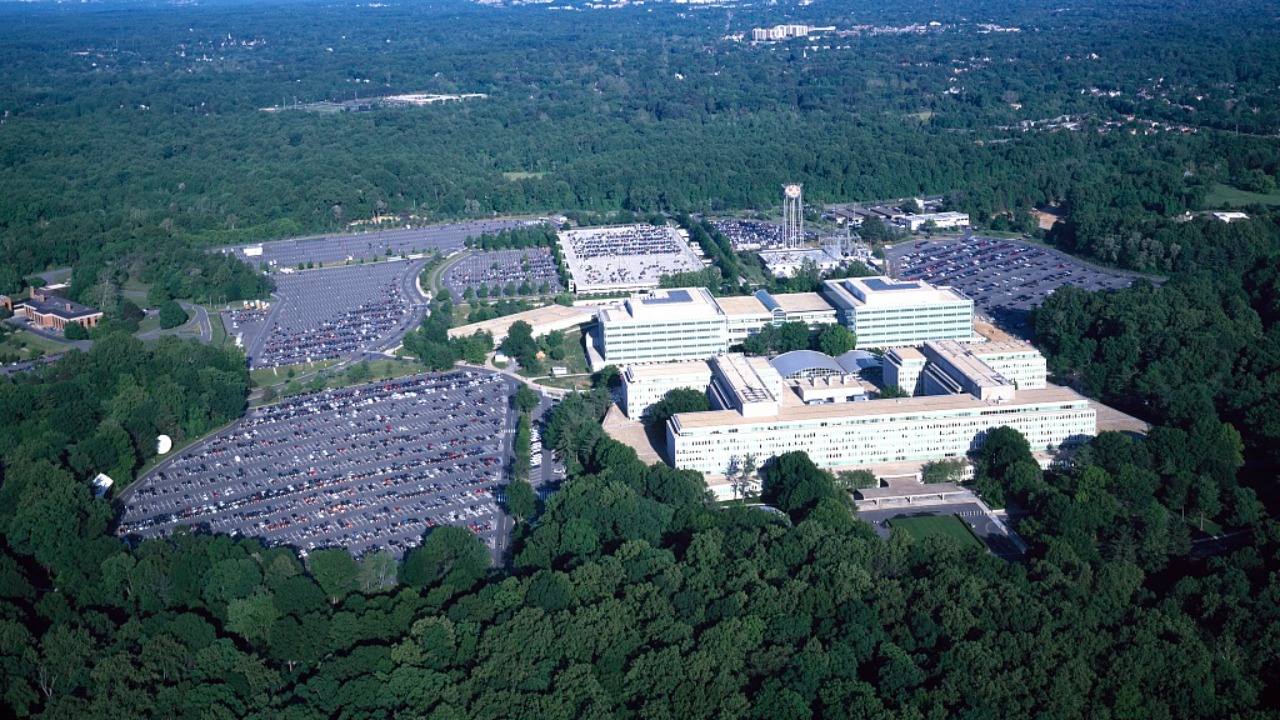
The biggest follow-up development came from subsequent reporting that placed the operation under CIA authority. The Associated Press, citing two people familiar with the matter, reported that the CIA was behind a drone strike on a docking area believed to have been used by drug traffickers.
Reuters had earlier reported that Trump publicly acknowledged in October that he had authorized the agency to conduct covert operations in Venezuela. A CIA-run mission falls under a different legal and oversight structure than a conventional Pentagon strike. A military operation would normally produce a more visible chain of accountability. A covert action can be briefed more narrowly and explained more sparingly, particularly if the administration wants freedom to act without a prolonged public debate.
Using the CIA also fits the administration’s broader approach to Venezuela, where force has increasingly been paired with secrecy, selective disclosures and messaging designed to show aggression without fully owning every operational detail. It lets the White House project resolve while preserving room to avoid answering how far the campaign may go.
The strike fit a broader escalation, not an isolated event
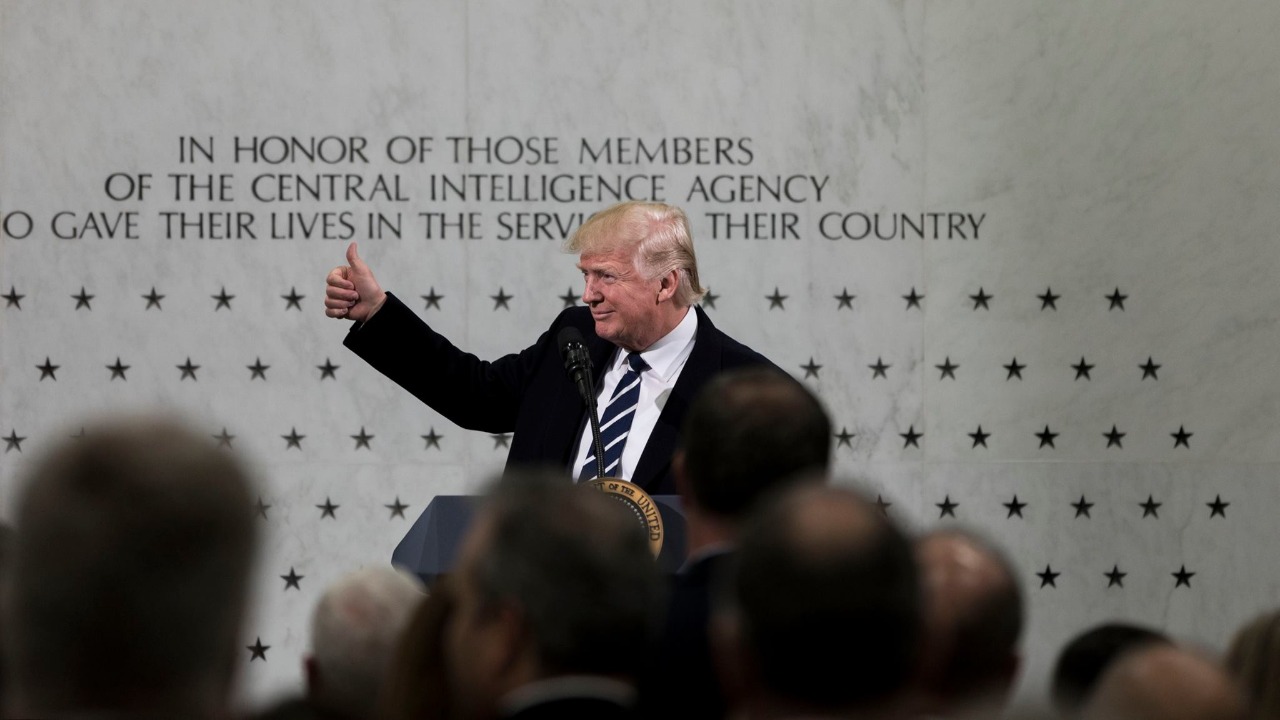
The dock strike did not emerge from nowhere. Reuters reported in October that Trump had confirmed authorizing CIA covert operations in Venezuela. It then reported in November that U.S. officials expected covert operations to be the first step in a new phase of pressure on Maduro. By late December, Reuters described the Venezuela dock attack as the first known land operation inside the country since that campaign began.
The administration has framed the broader mission as a fight against narcotics trafficking and violent criminal networks, particularly Tren de Aragua. But the operational picture has already extended beyond chasing boats. Reuters has reported on a buildup of U.S. forces in the Caribbean and on repeated strikes against suspected drug trafficking vessels, steps that critics say blur the line between counter-narcotics enforcement and undeclared warfare.
Sanctions and the Iran drone issue added another layer
The timing also matters because the operation landed alongside a widening sanctions push. On the same day the strike story dominated headlines, the U.S. Treasury announced new sanctions tied to Iran-Venezuela weapons cooperation. In a Treasury statement, OFAC said it was targeting a Venezuelan company and its chair over the acquisition and production of Iranian-designed UAVs in Venezuela.
Reuters reported that the measures were part of Washington’s broader pressure campaign on Caracas, giving the administration a wider strategic frame. The public rationale was not only drugs. It also touched weapons networks, drone cooperation and the claim that Venezuela is tied into a larger anti-U.S. security problem. Whether that case has been fully substantiated in public is another question, but politically it gives Washington more than one argument for acting aggressively.
What remains unproven may matter most
For all the attention the strike drew, some of the most important facts remain unsettled. Reuters said there were no independent reports from Venezuela at the time it published its account, and U.S. agencies did not publicly release intelligence showing what was at the site or why a strike was necessary.
A gap remains between what officials say they targeted and what outside observers can verify. It also leaves the legal argument incomplete. The administration has pointed broadly to drug trafficking and national security, but it has not publicly laid out a detailed legal theory for using kinetic force inside a country with which the United States is not formally at war.
That issue is likely to stay alive in Congress and among legal experts, especially if further operations come to light. Strategically, the strike may have been meant to show Maduro and his allies that the United States is willing to move past interdiction and sanctions into deniable force on land. The risk is that once that threshold has been crossed, every future explosion, missing vessel or damaged facility in Venezuela will be read through the lens of an expanding covert war. The administration may see that ambiguity as useful pressure. It could also become the very thing that makes the confrontation harder to control.