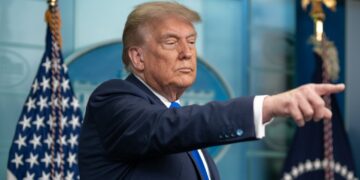
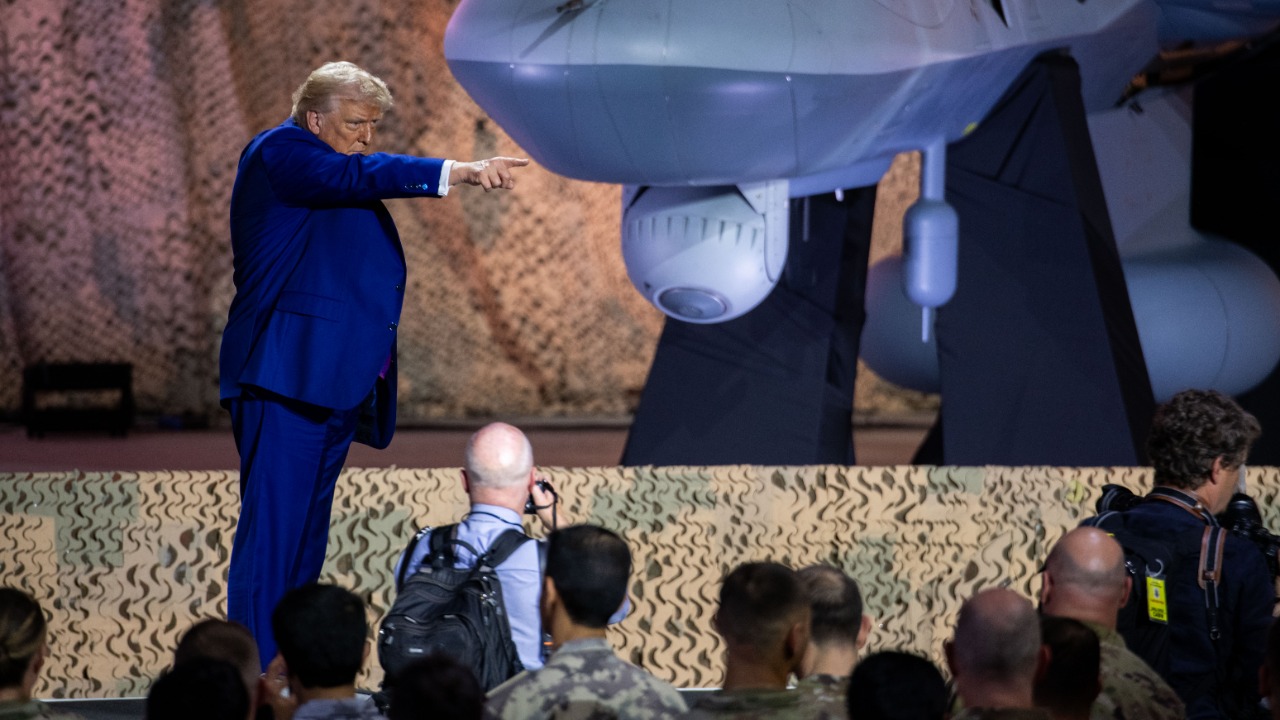
President Donald Trump said he was pulling National Guard troops from Chicago, Los Angeles and Portland after months of legal defeats that steadily narrowed, and in some cases outright blocked, the deployments he ordered during his immigration crackdown. The announcement, made in a Dec. 31 social media post, ended a fight that had become one of the clearest tests of how far a president can go in using military power inside American cities over the objections of governors and mayors.
The retreat mattered not only because of the politics surrounding the deployments, but also because of what the court record showed by the end of the year. In Portland and Chicago, judges blocked the Guard missions outright. In Los Angeles, the administration managed to keep troops in place for a time after an early appellate stay but later suffered major losses as a federal judge ruled the operation unlawful and ordered it wound down. Taken together, the cases left the White House with an increasingly fragile legal position in three of the country’s largest Democratic-led urban centers.
A presidential order that opened a broad new fight
The conflict began on June 7, 2025, when Trump issued a presidential memorandum invoking 10 U.S.C. Section 12406 to call National Guard members into federal service. The order said the troops were needed to protect ICE personnel, other federal workers, and federal property at sites where protests were underway or expected. It set a minimum force of 2,000 Guard personnel for 60 days and gave the defense secretary room to continue the mission beyond that initial period.
Section 12406 gives the president authority to federalize Guard units in narrow circumstances, including invasion, rebellion, or situations in which ordinary federal enforcement has become impracticable. Trump’s administration argued that protests around immigration enforcement met that standard. Democratic state officials argued the White House was trying to turn a rarely used emergency power into a standing tool for domestic immigration operations.
Portland became the cleanest repudiation
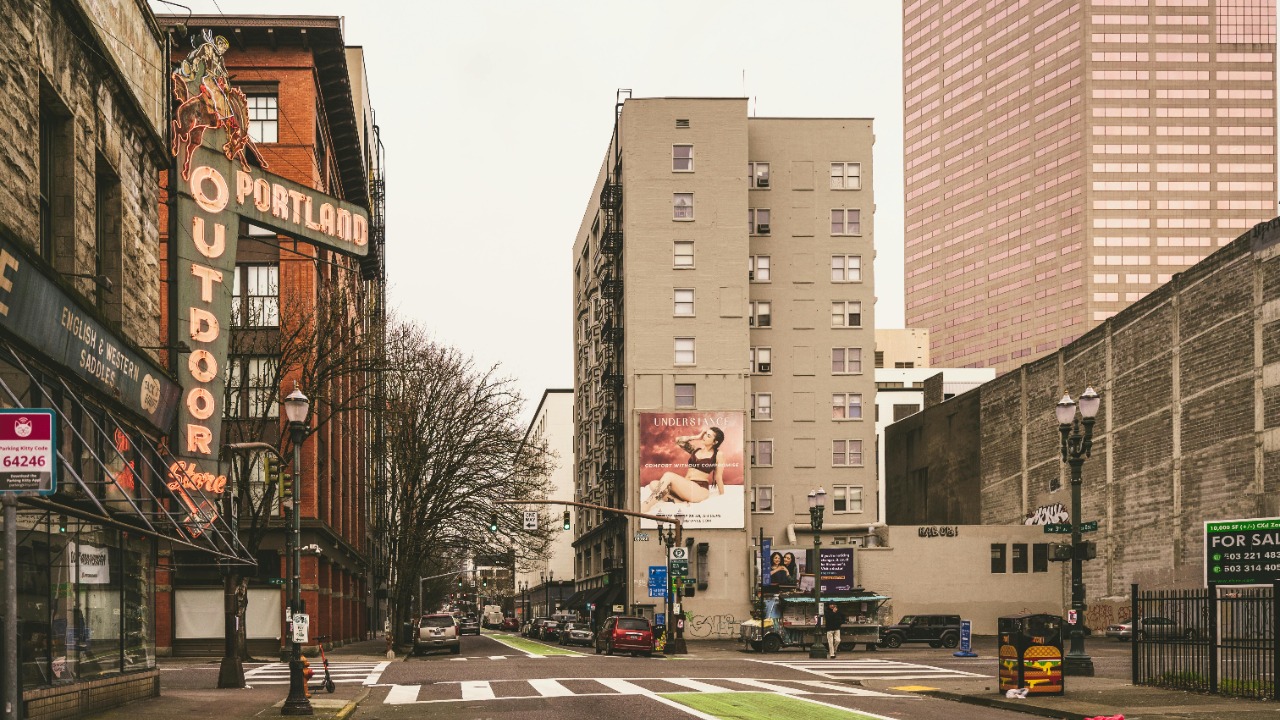
Portland produced the clearest early rejection. After Defense Secretary Pete Hegseth moved in late September to federalize Oregon Guard members for deployment tied to protests around an ICE facility, Oregon and the city of Portland sued. Their case argued that the administration had misused Section 12406 and crossed into territory barred by the Posse Comitatus Act, the federal law that sharply limits military involvement in civilian law enforcement. U.S. District Judge Karin J.
Immergut granted a temporary restraining order in October, concluding that the plaintiffs were likely to succeed on key statutory claims. The challenge then moved beyond the emergency stage, and Oregon officials said the court later entered a broader ruling that prevented the administration from carrying out the Portland deployment. Portland mattered because it gave other states a roadmap: move fast, build a factual record, and force the administration to show exactly why civilian authorities were supposedly unable to handle conditions on the ground.
Chicago brought the issue to the Supreme Court
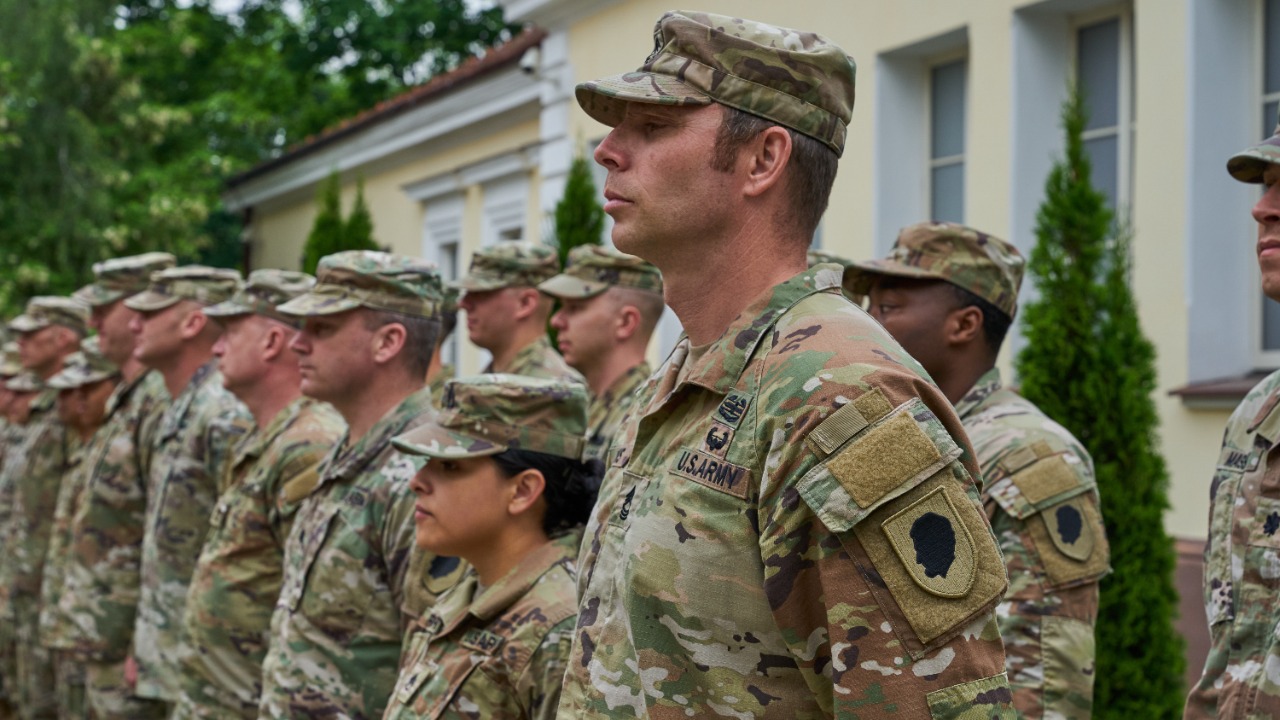
Illinois followed with a similarly direct challenge. A federal judge in Chicago blocked the administration’s effort to deploy Guard troops in the area, finding the government had not shown the kind of extraordinary breakdown that would justify such a move. The administration pressed the fight upward, asking the Supreme Court to step in and allow the deployment while the litigation continued. The justices refused. In late December, the Supreme Court left the Chicago block in place, dealing the administration one of its most consequential losses in the wider Guard dispute.
That order was technically preliminary, not a final decision on the merits, but it sent a blunt signal. At least for the moment, the court was not willing to let the White House use the military to support immigration enforcement in Illinois on the theory that urban unrest had made ordinary law enforcement impossible.
Los Angeles was messier, but it also ended badly for the White House
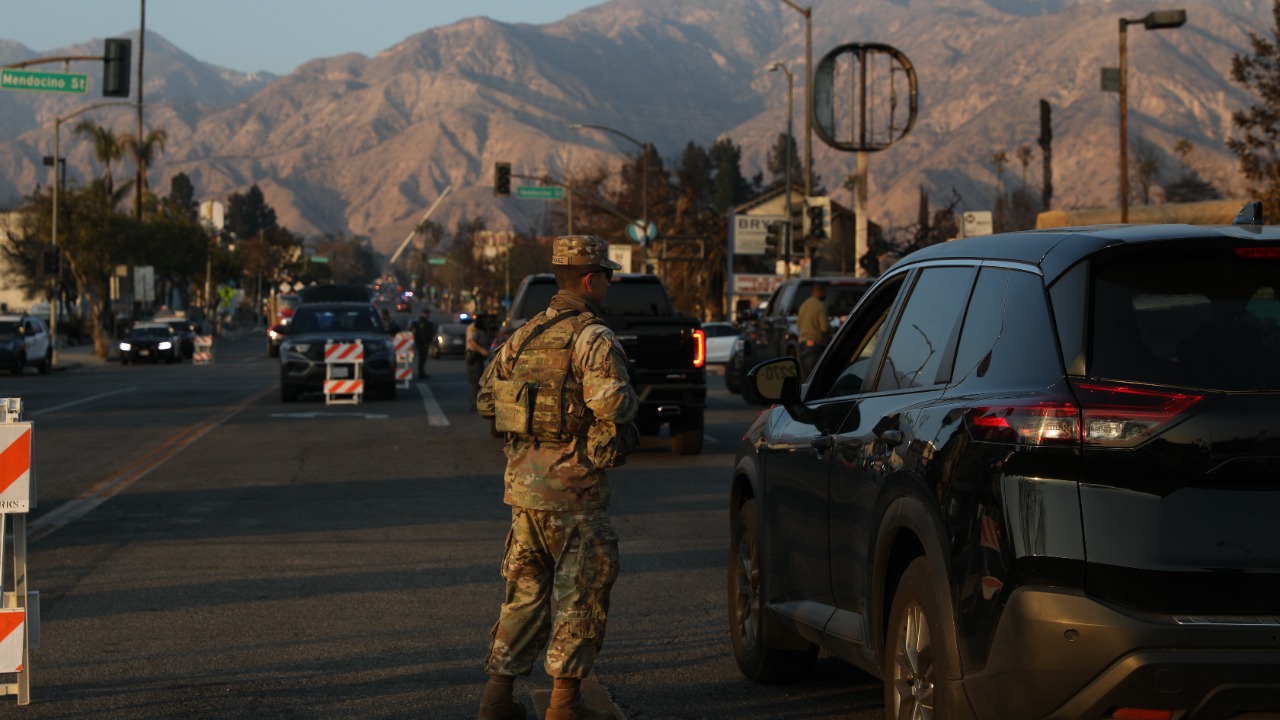
Los Angeles was the most complicated front, and that is where the original narrative around the withdrawal needs the most care. California initially won a June court order blocking Trump’s takeover of the California National Guard, and Gov. Gavin Newsom’s office quickly claimed victory. But the administration did not simply lose and leave. Litigation continued for months, and appellate rulings allowed the federal government to keep some control in place while the legal battle played out. By September, though, the administration’s position had weakened substantially.
A federal judge ruled that the use of troops in Los Angeles violated legal limits on domestic military enforcement. Then, on Dec. 10, U.S. District Judge Charles Breyer ordered an end to the National Guard deployment in Los Angeles and directed that control return to the state, writing that Trump had exceeded his authority. Reuters reported that Breyer found no evidence supporting the administration’s claim that the protests amounted to a rebellion that could justify the federal move.
The Associated Press described the ruling as a direct rebuke to Trump’s effort to keep using state troops in Los Angeles months after the original protests had faded. That does not make Los Angeles identical to Portland or Chicago. It does, however, put L.A. in the same final pattern: the White House entered with sweeping claims of authority and ended the year facing a federal court order telling it the operation had to stop.
A withdrawal framed as choice, shaped by defeat
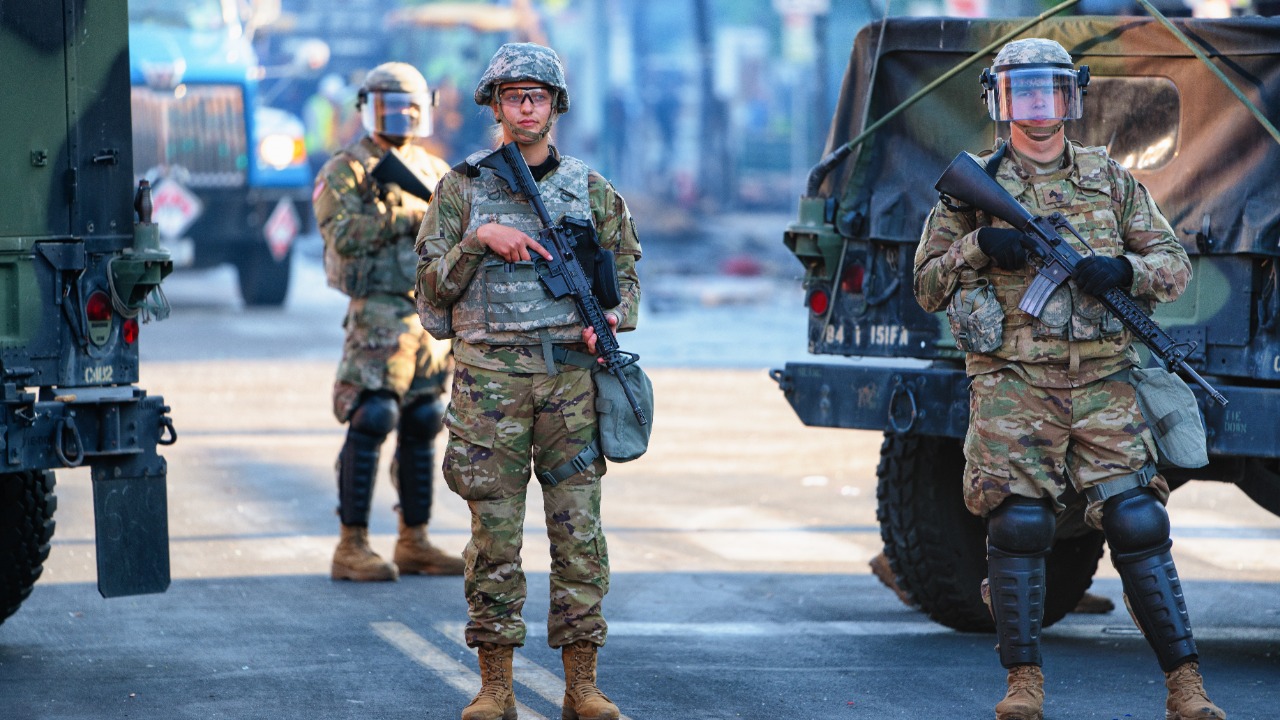
Trump tried to present the pullback as voluntary. In his Dec. 31 post, he said crime had fallen and declared, “We are removing the National Guard from Chicago, Los Angeles, and Portland,” while warning that troops could return later. But the broader record undercut that framing. The Washington Post reported that the legal setbacks in blue-state cities had boxed in the administration, with Portland and Chicago largely blocked and Los Angeles already under a new adverse ruling by the time Trump announced the move.
What remains after the withdrawal is less a story about a show of force than a story about a legal ceiling. Judges were not persuaded that protests tied to immigration enforcement automatically became rebellion, or that a president could use a guard-federalization statute as a flexible domestic policing tool whenever local officials resisted his agenda. Future administrations may still test the boundary, but the paper trail from Chicago, Los Angeles, and Portland now offers state and local governments a detailed playbook for how to fight back, and for the moment, it is the courts, not Congress, that have drawn the clearest line.