
China’s BYD has officially passed Tesla as the world’s largest electric vehicle maker, closing a rivalry that Elon Musk once publicly brushed aside. Full-year 2025 results from both companies show BYD sold more battery-electric vehicles than Tesla for the first time on an annual basis, while Tesla’s deliveries fell for a second straight year. That crossover is more than a symbolic changing of the guard. It signals a deeper shift in the global auto business, where scale, pricing power and manufacturing discipline are becoming just as important as brand cachet and early-mover advantage. For years, Tesla defined the modern EV market and forced the broader industry to catch up. BYD was often treated as a fast-growing Chinese challenger, important but still secondary. That framing no longer works. By the start of 2026, the numbers had made the pecking order much harder to debate. BYD was not only bigger in total electrified vehicle sales, where it has long benefited from a huge plug-in hybrid business, but also ahead in the battery-electric category Tesla once dominated almost by default.
BYD’s 2025 totals leave little room for debate
BYD’s own January 1 stock exchange filing reported 2,256,714 battery-electric vehicle sales for full-year 2025. Its total new-energy vehicle sales, a category that includes both BEVs and plug-in hybrids, reached 4,602,436 units. Tesla’s official fourth-quarter production and deliveries update, released the next day, showed 1,636,129 deliveries for 2025. That means BYD did not just edge Tesla on a technicality or by leaning on hybrids. On a straight battery-electric comparison, the Chinese automaker won by more than 620,000 vehicles. Reuters treated the handoff as definitive, noting that BYD outsold Tesla on an annual basis for the first time. In practical terms, the company that built its reputation around proving EVs could go mainstream is no longer the category leader by volume.
Tesla’s decline is no longer easy to explain away
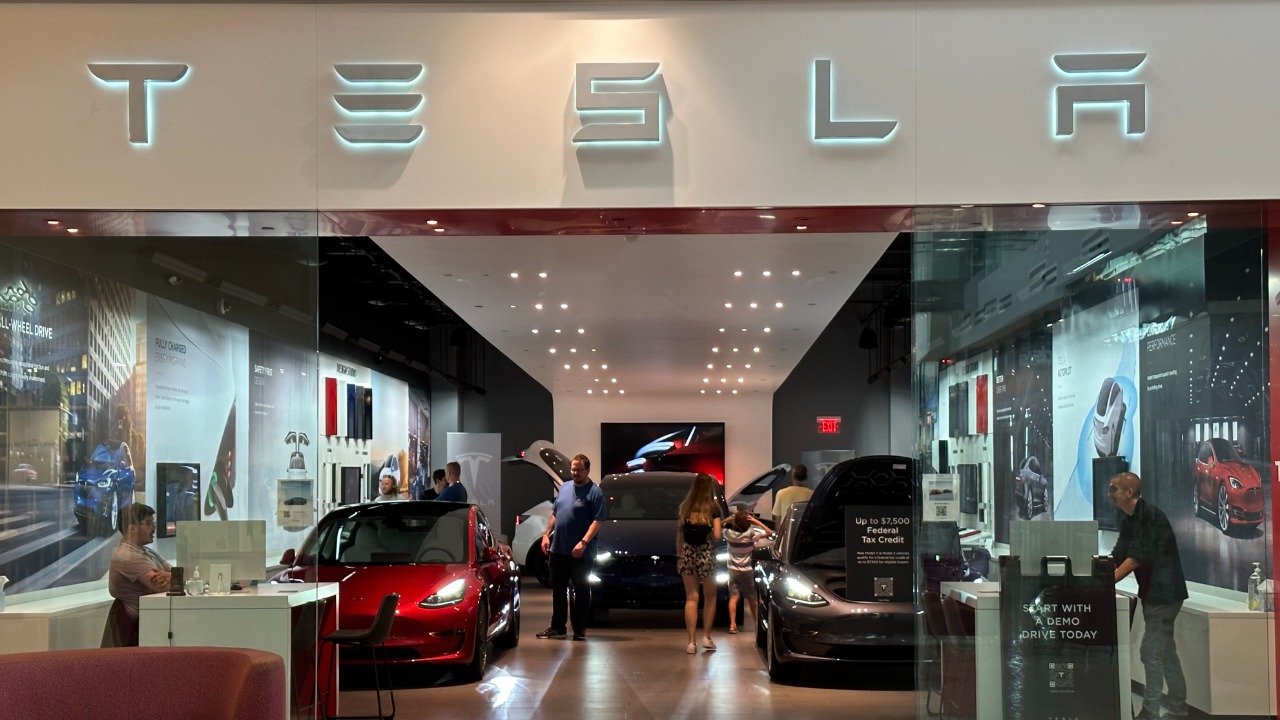
The more troubling part for Tesla is that the loss of the crown came during another down year. Tesla’s 2025 deliveries fell from 1.79 million in 2024 to 1.64 million in 2025, according to the company’s investor relations release. That is an annual drop of roughly 8.6%, and it marks the second consecutive year of declining deliveries. For a company long valued as a growth story first and a carmaker second, that trend matters more than the symbolism of one headline. A single weak quarter can be blamed on timing, production changeovers or regional volatility. Two straight years of lower annual deliveries are harder to dismiss. They suggest Tesla is dealing with a more basic problem: its core vehicle business no longer has the same growth engine it once did. Competition is broader, the model lineup looks older, and price cuts alone have not been enough to restore the momentum investors once took for granted.
Policy changes made a bad year worse
Competition was not the only issue. Tesla was also hit by a policy change at exactly the wrong time. Reuters reported that third-quarter deliveries were boosted by buyers rushing to secure the federal $7,500 EV tax credit before the Trump administration ended it in September 2025. That pull-forward effect helped prop up one quarter but left less demand for the next one. The result was a softer finish to the year. Reuters also cited J.D. Power data showing EVs accounted for 6.2% of U.S. retail vehicle sales in the fourth quarter, down 3.6 percentage points from a year earlier, while average transaction prices rose to $53,300. That combination made the market tougher for everyone, but it was especially painful for Tesla because the company still depends heavily on the United States and Europe, where competition has intensified and policy swings can quickly change buying behavior.
BYD built the kind of machine Tesla now has to chase
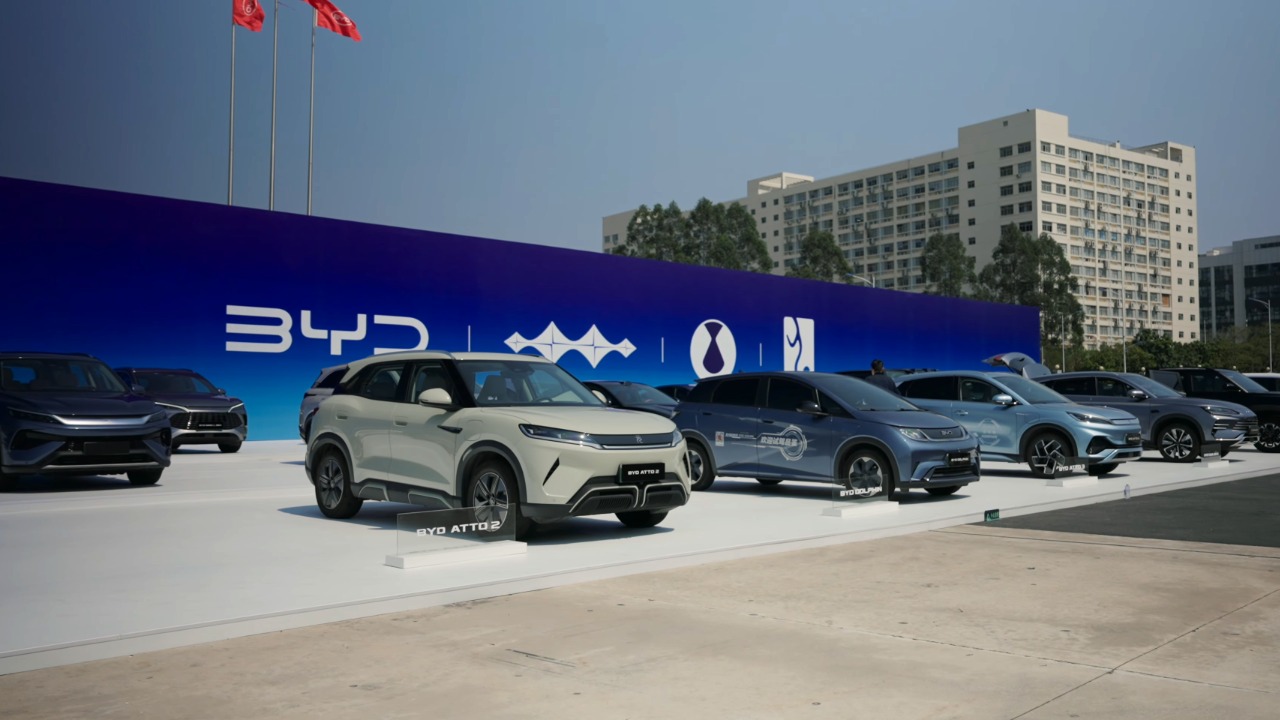
BYD’s rise did not come out of nowhere. Long before it moved ahead on annual BEV volume, it was already building a business with the scale and cost structure to challenge Tesla more directly. The company said in its 2024 financial results that revenue rose to 777.1 billion yuan, or about $107 billion, topping Tesla’s 2024 revenue on an annual basis. Both BYD’s official release and an Associated Press report highlighted how large that revenue base had become even before the 2025 delivery crossover was official. The advantage is not only size. BYD is deeply integrated across batteries, components and vehicle production, giving it more room to compete on price without surrendering scale. It also has a wider spread of products, from smaller lower-cost models to premium offerings, and it has been expanding exports quickly. Reuters reported that BYD’s sales outside China climbed to a record 1 million vehicles in 2025, a sign that the company’s growth story is no longer confined to its home market.
A rivalry that has completely flipped
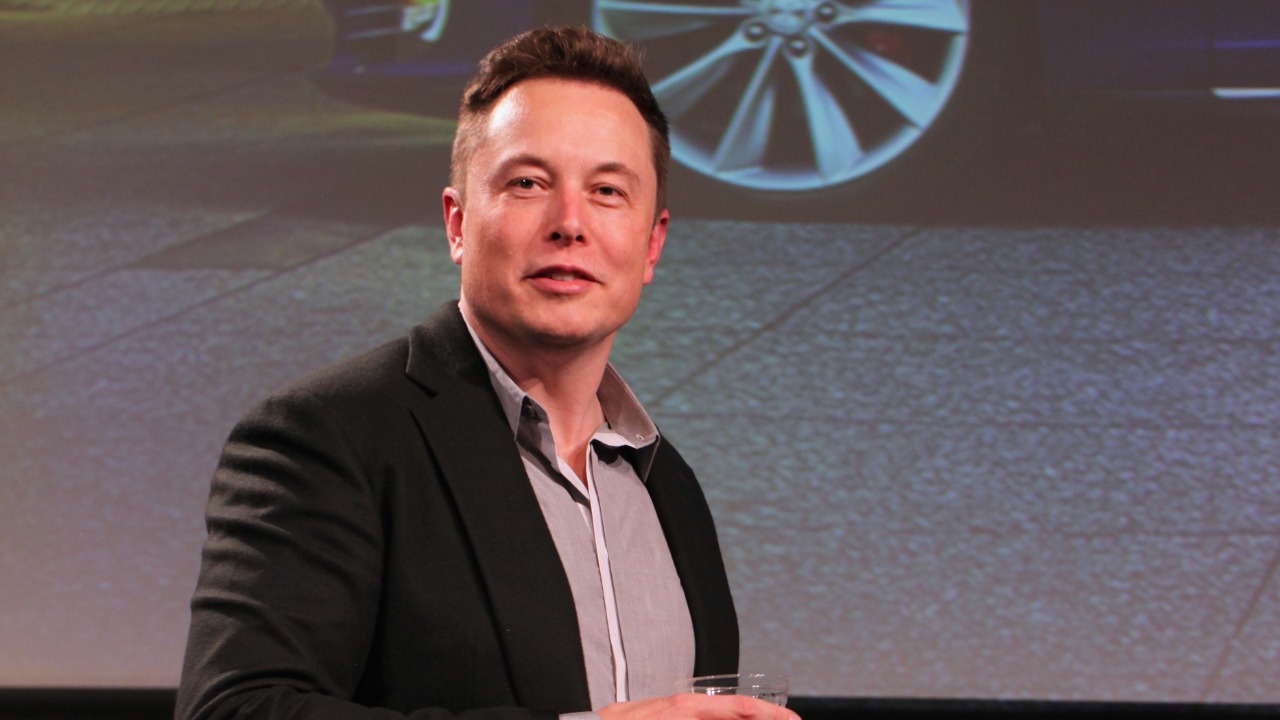
The reversal is especially striking because Musk once laughed off the idea that BYD was a real threat. At the time, Tesla looked untouchable, while BYD was still better known in many Western markets as a battery specialist and Buffett-backed Chinese manufacturer. That old hierarchy is gone. BYD is now setting the pace on unit volume, and Tesla is the company being measured against a rival that kept improving while expanding into more price bands and more countries. The broader lesson is that early leadership in a fast-moving industry does not guarantee durable leadership. Tesla changed the car business, but BYD has shown that manufacturing efficiency, supply-chain control and sharper pricing can be just as decisive once EV adoption moves from niche growth into a more mature global fight for share.
What this means now
For Tesla, the question is no longer whether BYD has caught up. It has. The next question is whether Tesla can restart meaningful growth in vehicles while it asks investors to stay focused on self-driving software, robotics and other future-facing bets. For BYD, the challenge is different: proving it can turn volume leadership into durable global influence despite tariffs, trade friction and resistance in Western markets. But on the central point, the numbers are settled. BYD ended 2025 as the largest electric vehicle maker in the world by annual battery-electric sales, while Tesla’s deliveries fell again. For an industry that once revolved around one dominant EV name, that is a genuine power shift, not just a quarterly talking point.