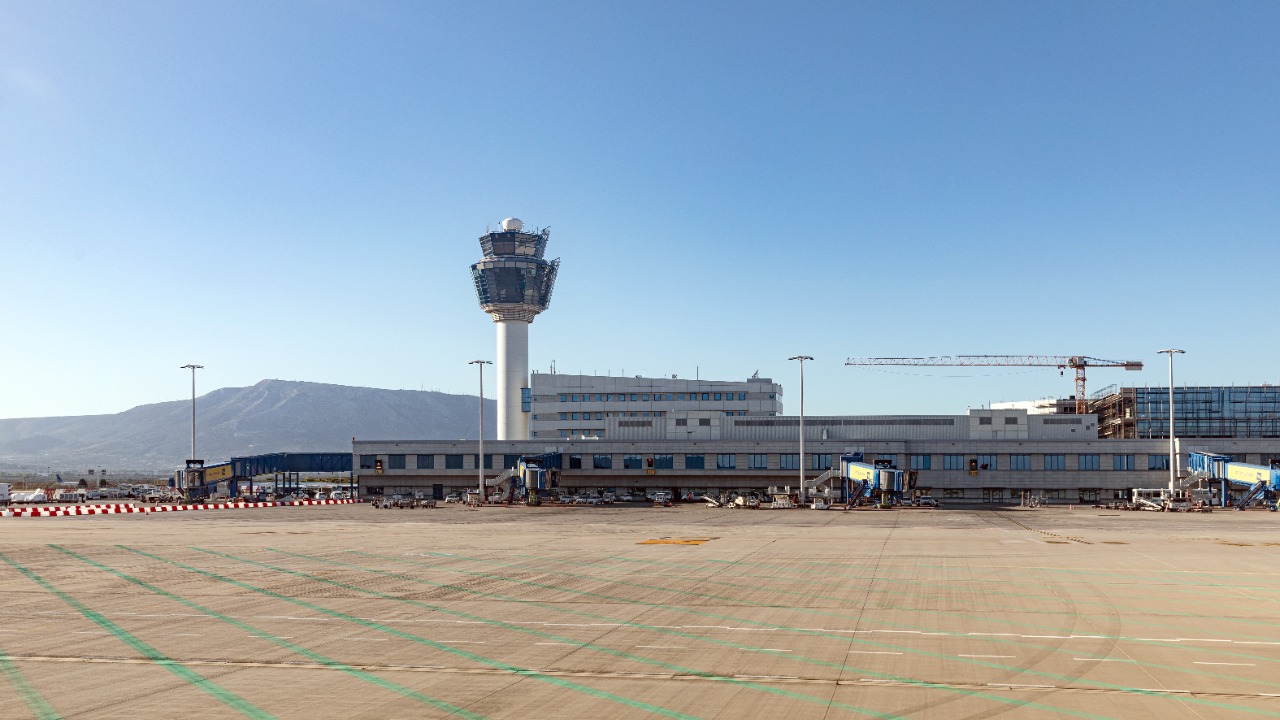
Greece’s airspace was thrown into chaos after a collapse in aviation radio communications forced authorities to halt flights for roughly seven hours, disrupting travel across the country during one of the busiest weekends of the holiday season. The breakdown left air traffic controllers unable to maintain normal contact with aircraft, grounding takeoffs and landings at key airports including Athens and Thessaloniki and stranding thousands of passengers. By late in the day, limited service had started to return, but the disruption had already rippled through airline schedules, airport operations, and connecting routes across the region.
Radio interference knocked out the system at the center of Greek air traffic
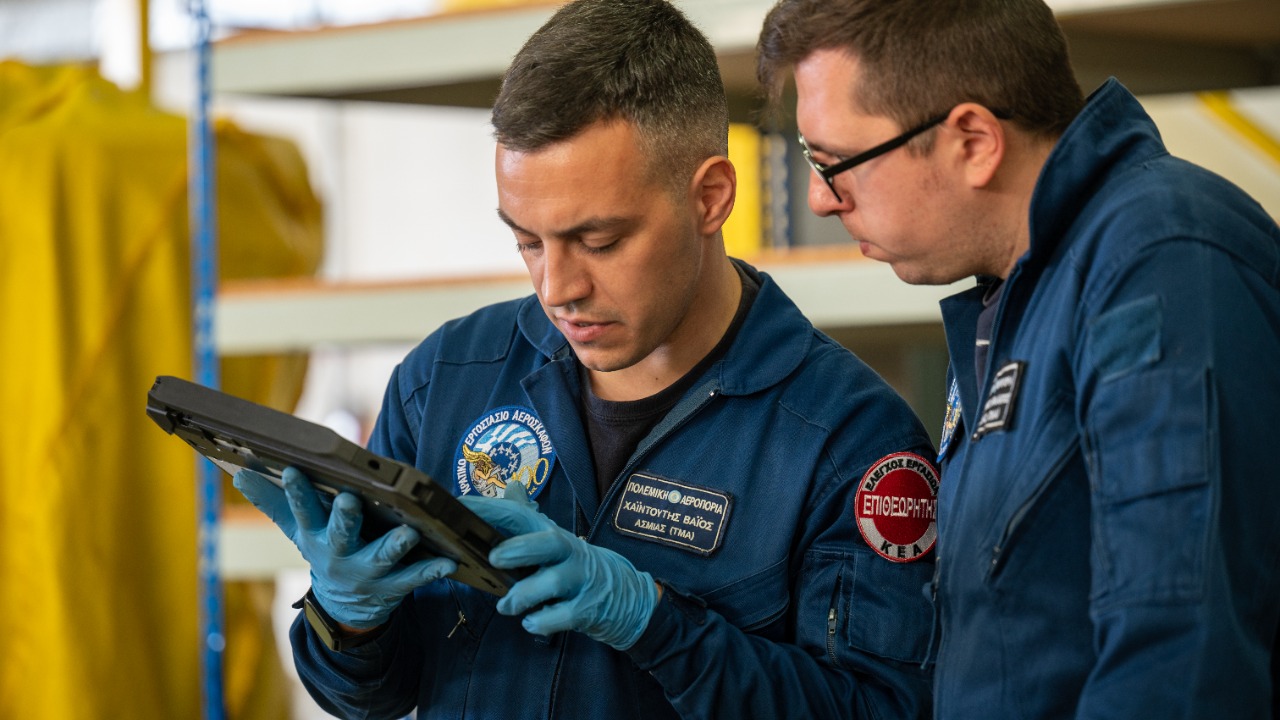
The failure began at 8:59 a.m. local time, when what Greek aviation authorities described as persistent radio “noise” hit a wide range of communication channels used to manage flights. According to Reuters, the disruption affected the radio frequencies controllers rely on to communicate with aircraft in Greek airspace, creating an immediate safety problem that authorities could not ignore. The scale of the disruption made the incident especially serious. Greek air traffic controllers said they suddenly lost contact with aircraft and could no longer rely on normal voice communication, a basic requirement for managing departures, arrivals, and the flow of traffic through controlled airspace. Officials did not immediately offer a technical explanation for what caused the interference, and the exact source of the noise remained unclear as flights were suspended. That uncertainty mattered because modern air traffic control is built around constant communication. Once controllers could no longer be sure that pilots would receive timely instructions, the system had little room for improvisation. Rather than try to operate under unstable conditions, authorities opted for the safer response: stop traffic until communications could be restored.
Flights stopped at Greek airports while overflights were still handled
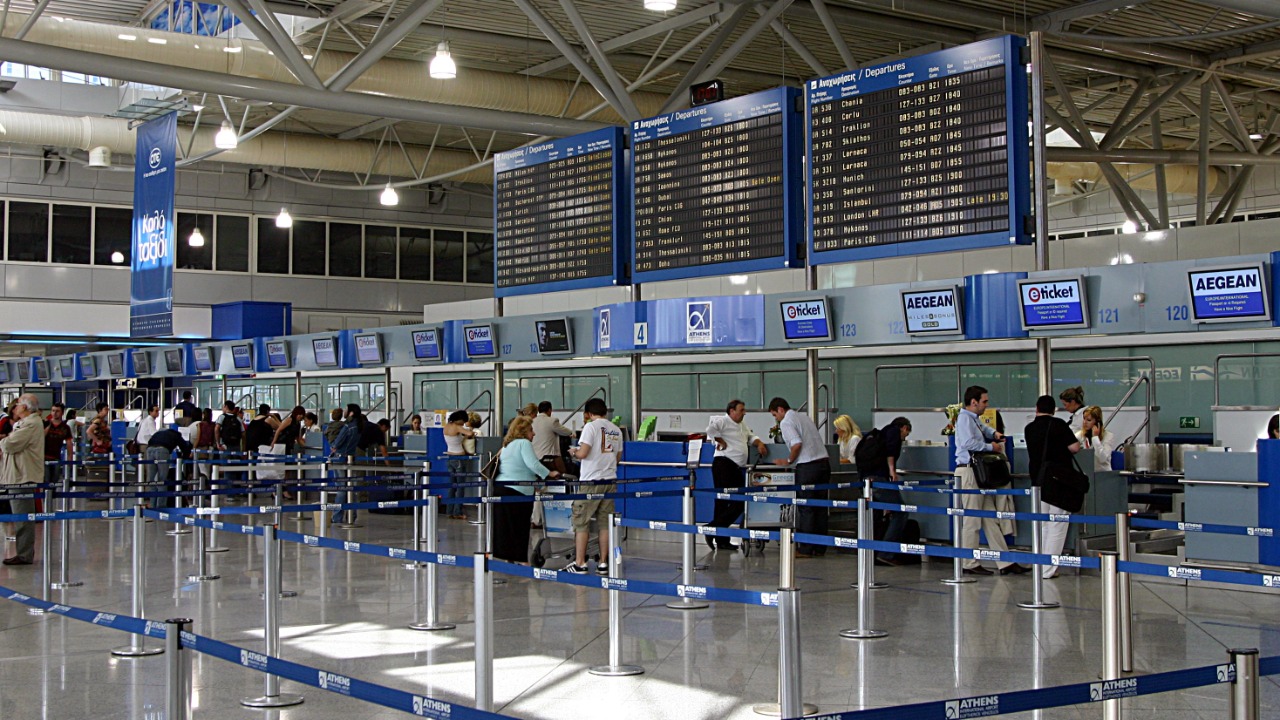
The shutdown did not mean every aircraft above Greece vanished from the sky at once, but it did effectively freeze the country’s airport operations. Reuters reported that authorities were still able to service some flyovers while suspending airport traffic, an important distinction that explains why the disruption looked uneven from the outside. For passengers on the ground, however, the practical effect was straightforward. Planes could not depart normally, incoming flights faced delays and diversions, and departure boards filled with interruptions at the country’s biggest hubs. Athens International Airport and Thessaloniki’s Makedonia Airport became focal points of the disruption because of the volume of domestic and international traffic they handle. That split between overflights and airport operations reflected the different demands of each phase of aviation. High-altitude transit can sometimes be managed with reduced communication and coordination between neighboring control centers, but takeoffs and landings require dense, continuous exchanges between pilots and controllers. Once those channels became unreliable, the margin for normal airport operations collapsed.
The timing turned a technical failure into a major travel disruption
The outage came during the busy final stretch of the holiday travel period, magnifying its impact almost immediately. Greece was already handling heavy passenger volumes from travelers returning home after New Year’s trips, and the communications collapse landed at exactly the wrong moment for airports, airlines, and customers alike. Passengers were left waiting for hours as airlines scrambled to update schedules and reposition aircraft. Dozens of flights were delayed, and airport staff were forced into crisis-response mode, dealing with rebookings, missed onward connections, and a stream of travelers looking for information that was changing by the hour. For many people, the seven-hour airspace shutdown was only the beginning of the problem, because delays in aviation rarely end when the technical fault itself is over. Even after some service resumed, airlines still had to work through displaced aircraft, crews pushed out of rotation, and passengers stranded away from their original itineraries. That kind of backlog can keep disrupting schedules long after the immediate emergency appears to have passed, especially in a network as interconnected as European air travel.
Officials stressed safety as questions grew about the system itself
Greek authorities and transport officials moved quickly to emphasize that safety had not been compromised. That argument rested on the fact that controllers stopped normal operations instead of trying to manage flights under uncertain communications conditions. In other words, the shutdown itself was presented as proof that safety procedures worked the way they were supposed to. At the same time, the scale of the incident ensured that larger questions would follow. Panagiotis Psarros, chair of the Association of Greek Air Traffic Controllers, told state broadcaster ERT and later Reuters that the outage exposed the vulnerability of an aging system that, in his view, should have been replaced years ago. That criticism gave the story weight beyond a single day’s disruption. The immediate issue was the loss of radio communications. The broader issue was whether Greece’s aviation infrastructure had been left too exposed to a failure that should never have spread this far, this fast, or this widely.
Flights resumed gradually, but the unanswered questions remained
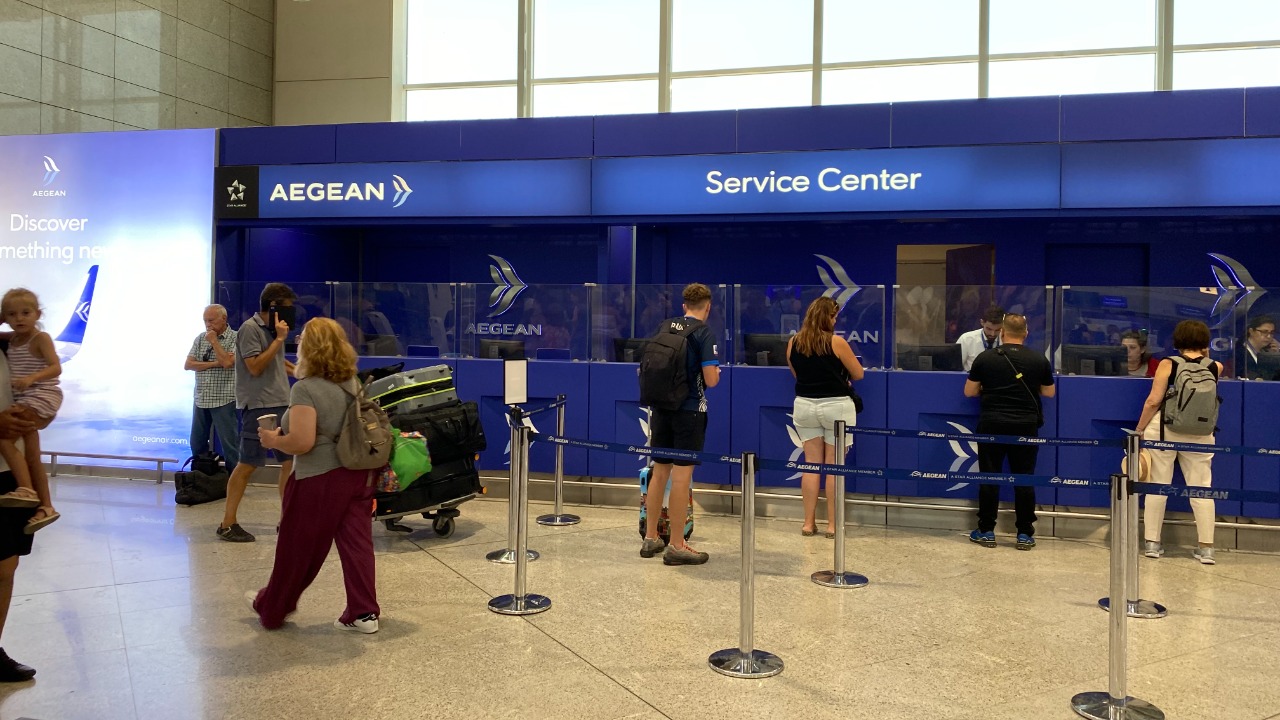
By late afternoon, authorities had restored enough capability for some flights to begin operating again. Reuters reported that about 45 flights per hour were departing Greek airports as service started to return, a sign that technicians and controllers had regained at least part of the system’s functionality. The restart was cautious rather than dramatic, reflecting the need to verify that communications were stable before allowing traffic to build again. What remained unresolved was the question at the center of the entire episode: what exactly caused the radio collapse in the first place. Officials described the problem as interference and said the channels had been overwhelmed by noise, but that still left open the issue of how such a broad communications breakdown was able to take hold across a national air traffic system. For travelers, the lesson was immediate and uncomfortable. Air transport can appear seamless right up until one critical layer fails. For Greek authorities, the pressure now falls on explaining not only what happened during those seven hours, but what changes, if any, will be made to keep the same kind of breakdown from paralyzing the country’s skies again.