
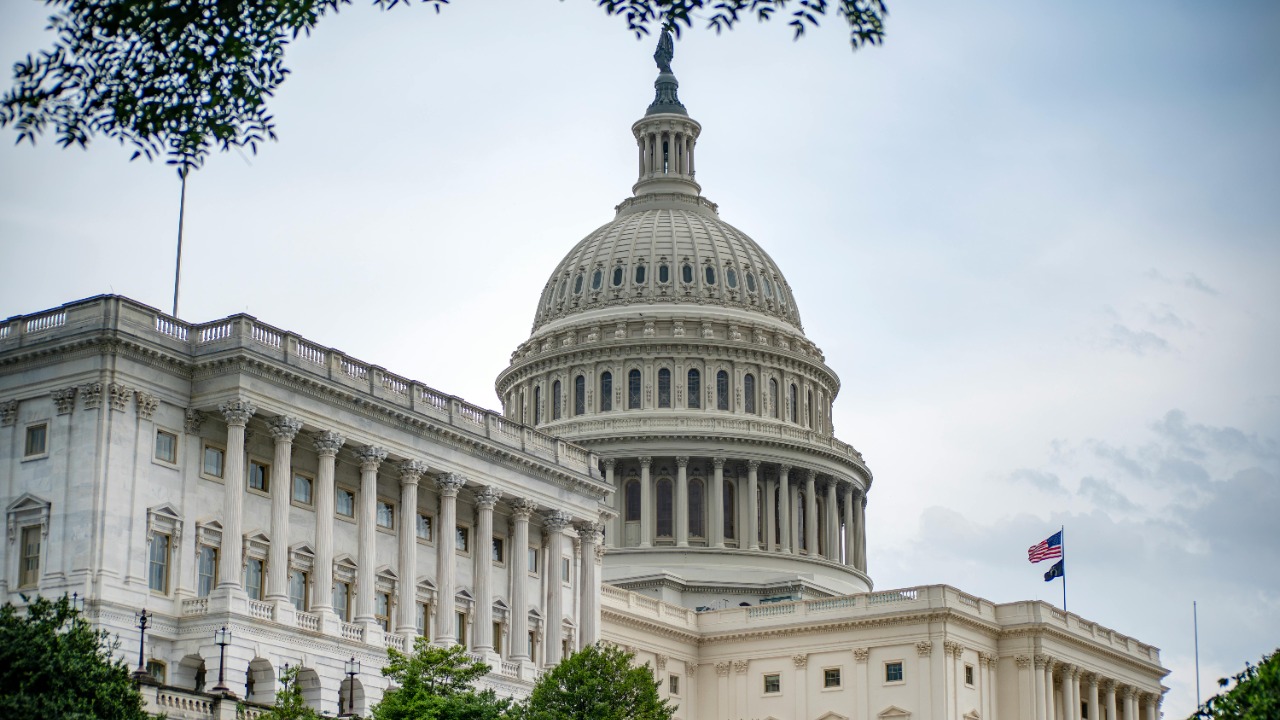
House Democrats used the fifth anniversary of the Jan. 6, 2021, Capitol attack to renew one of their most pointed lines of attack against President Donald Trump: his sweeping clemency for rioters convicted or charged in connection with the assault on the Capitol. At a Democratic hearing titled “After January 6th: Setting the Record Straight on the Capitol Insurrection,” Rep. Jamie Raskin argued that the violence of that day cannot be separated from the broader effort to overturn the 2020 election. The anniversary became less a moment of shared remembrance than a fresh display of how sharply Washington remains divided over what Jan. 6 means, who bears responsibility, and whether the country is moving toward accountability or away from it.
Raskin ties the pardons to the broader election pressure campaign
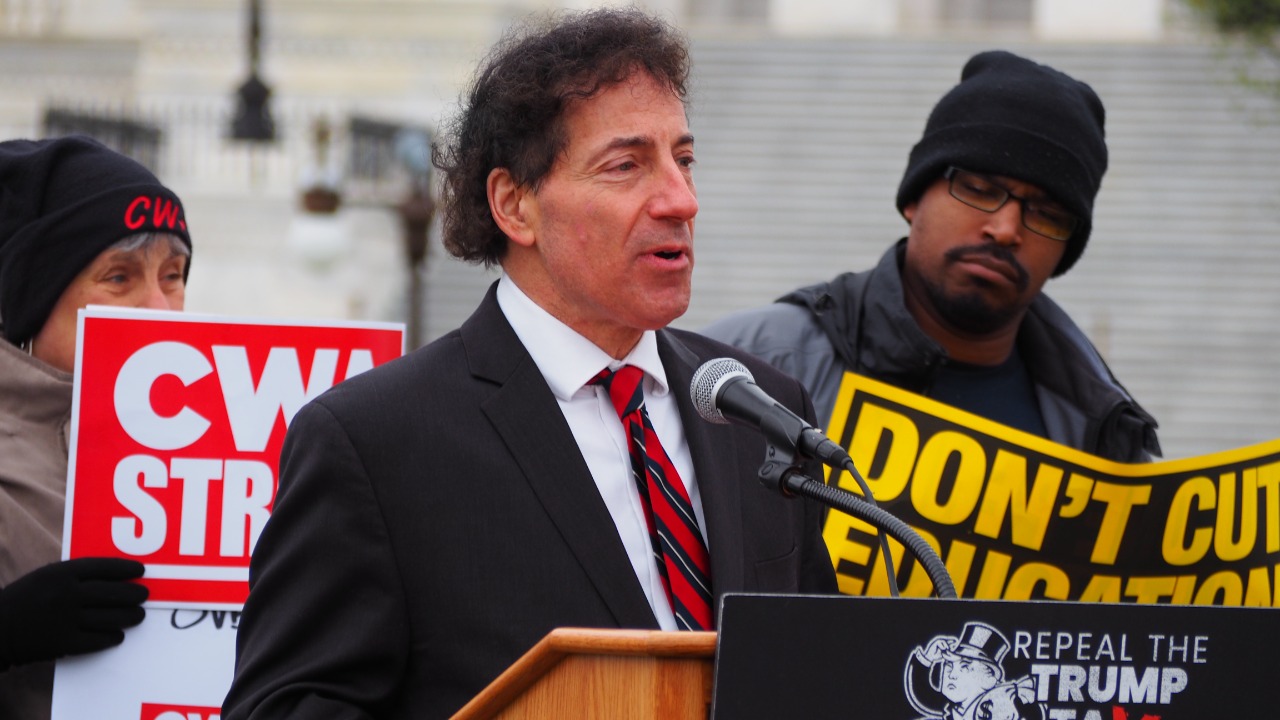
The clearest Democratic argument came from Raskin, the top Democrat on the House Judiciary Committee, who used his opening remarks to frame January 6 not as a self-contained riot but as the violent climax of a wider attempt to reverse Trump’s 2020 defeat. In remarks posted by Judiciary Committee Democrats, Raskin pointed to Trump’s pressure on Georgia officials to “find 11,780 votes,” the fake electors effort, and the push to pressure then-Vice President Mike Pence during the electoral count. That framing is politically important because it moves the pardon debate beyond broken windows, trespassing charges, or even assaults on police. Democrats want voters to see the pardons as part of the same continuum as the events of January 6 itself: first the effort to challenge the election result, then the mob attack on the Capitol, and finally a decision to wipe away punishment for many of the people who carried it out. In that sense, Democrats are not presenting the clemency as a conventional act of mercy. They are presenting it as a political statement, one that they say rewards people who tried to stop the peaceful transfer of power.
The clearest Democratic argument came from Jamie Raskin, the top Democrat on the House Judiciary Committee, who used his opening remarks to frame Jan. 6 not as a self-contained riot but as the violent climax of a wider effort to reverse Trump’s 2020 defeat. In remarks posted by Judiciary Committee Democrats, Raskin pointed to Trump’s pressure on Georgia officials to “find 11,780 votes,” the fake electors effort, and the push to pressure then-Vice President Mike Pence during the electoral count.
That framing is politically important because it moves the pardon debate beyond broken windows, trespassing charges or even assaults on police. Democrats want voters to see the pardons as part of the same continuum as the events of Jan. 6 itself: first the effort to challenge the election result, then the mob attack on the Capitol, and finally a decision to wipe away punishment for many of the people who carried it out. In that sense, Democrats are not presenting the clemency as a conventional act of mercy. They are presenting it as a political statement, one they say rewards people who tried to stop the peaceful transfer of power.
Committee Democrats used the anniversary to push back on efforts to recast January 6
House Judiciary Democrats paired the hearing with a newly launched “January 6: Five Years Later” resource hub which gathers reports, fact sheets, hearing materials and links to prior investigations. The page includes a report on what Democrats describe as the public safety implications of Trump’s mass pardons, a review of the evidentiary record of the insurrection and a comparative look at where key perpetrators and defenders of the Capitol stand today. A related committee press release said at least 33 pardoned Jan. 6 defendants have since been accused of additional crimes.
Rather than treating the pardons as the closing chapter of a politically painful episode, they argue the clemency may have reduced deterrence and signaled tolerance for politically motivated violence. The package also serves another purpose. It gives Democrats a ready-made factual record to push back against the broader Republican effort to revisit or recast the history of Jan. 6. The anniversary materials are written as a rebuttal to what Democrats repeatedly call a whitewash, and they are clearly intended to outlast a single news cycle.
The contrast between rioters and defenders became a core part of the message
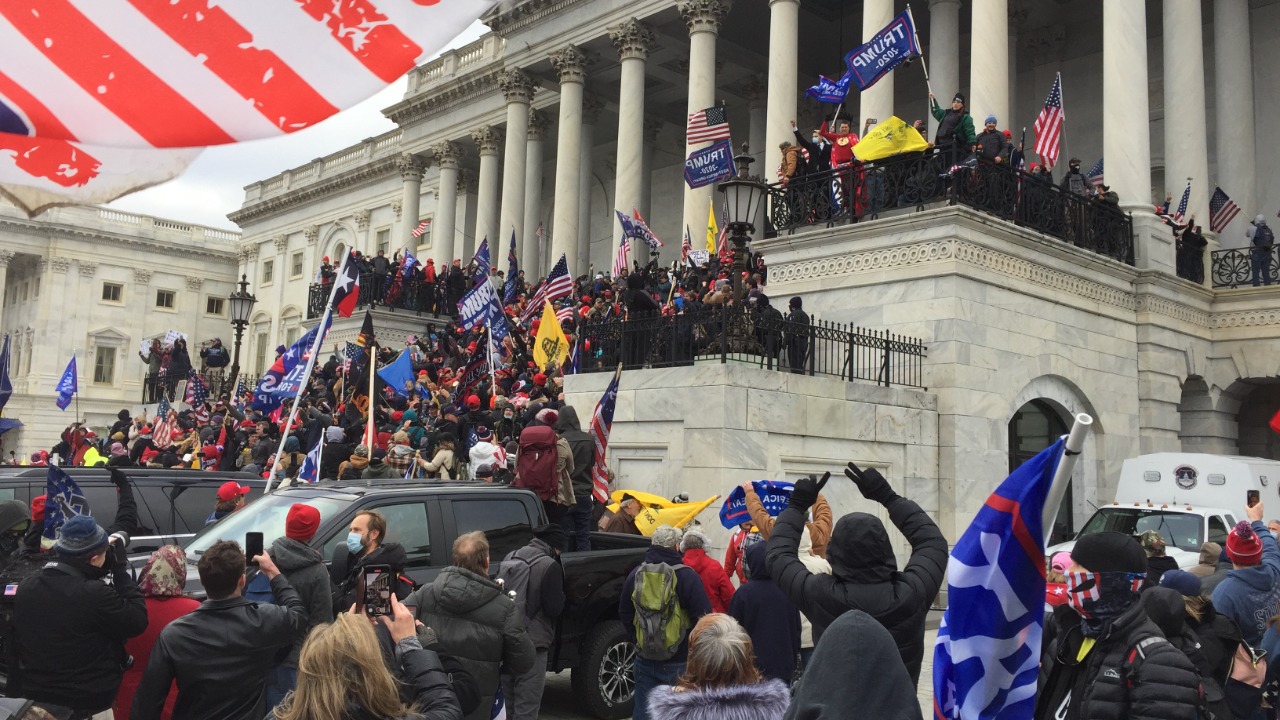
One of the more effective parts of the Democratic rollout was its focus on the diverging paths taken by those who attacked the Capitol and those who defended it. Their materials emphasize that some rioters and election deniers have remained politically influential, while many of the officers and public servants who faced the mob continue to live with physical injuries, trauma, and the long aftershocks of that day.
As the Associated Press reported, the plaque required by law still was not on display around the fifth anniversary, and Democratic lawmakers instead mounted replica versions outside their offices. Raskin made that absence part of his message, accusing Republican leaders of choosing forgetfulness over remembrance. The symbolism matters. For Democrats, the missing plaque and the pardons tell the same story: an institutional retreat from accountability and an effort to blur the moral lines around January 6.
Jeffries and Durbin helped turn the anniversary into a party-wide message
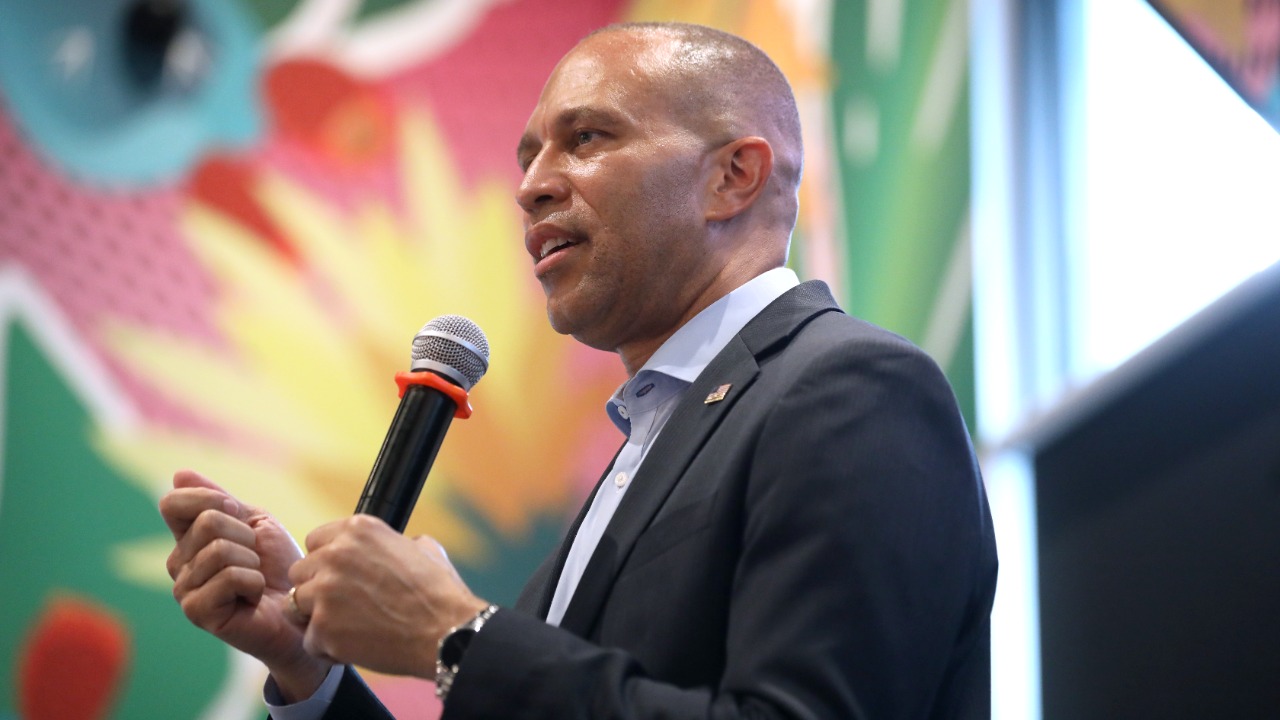
The House hearing was not an isolated event. Democratic leaders across Capitol Hill used the anniversary to push a coordinated message. According to Reuters, House Democratic Leader Hakeem Jeffries said Trump and far-right allies in Congress were trying to “rewrite history and whitewash the horrific events of January 6.” In the Senate, Judiciary Committee Democrat Dick Durbin issued a statement marking the anniversary that went straight at the pardons.
Durbin’s official release stated Trump pardoned “more than 1,500 people charged and convicted of offenses related to January 6” on his first day back in office and warned against normalizing political violence. That cross-chamber alignment suggests Democrats see the pardons as more than a retrospective grievance. They see them as a living political issue that can be used to define Trump’s second term and force Republicans to defend one of the most controversial acts of presidential clemency in modern memory.
No shared commemoration, and no shared story of what happened
The fifth anniversary did not bring anything close to a unified official observance. Reuters reported that Democrats held a forum on the Capitol attack while Trump appeared before House Republicans and made only brief mention of the riot. Outside the Capitol, a small group of Trump supporters marched in a demonstration organized by Enrique Tarrio, one of the most prominent January 6 figures to receive clemency.
Trump’s January 2025 clemency order, detailed by both Reuters and the Justice Department’s Office of the Pardon Attorney, covered roughly 1,500 defendants and included commutations for several high-profile figures. For Democrats, that action transformed the anniversary from a backward-looking exercise into a live debate about what consequences remain for an attack that injured more than 140 officers and shook the foundations of Congress itself.
Why Democrats believe this still matters politically
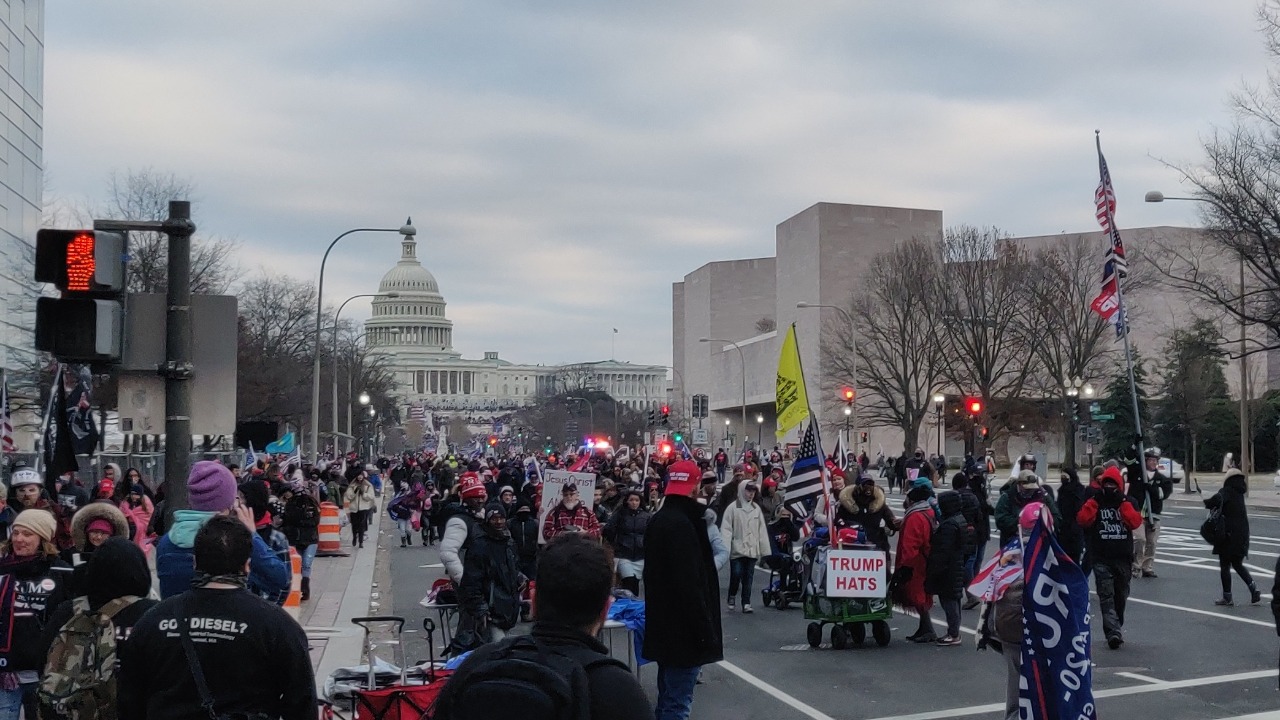
Five years later, the fight is no longer only about the riot. It is about whether the political system can preserve a shared understanding of the attack and whether consequences for trying to overturn an election can survive a change in power. That is why Democrats marked the anniversary so aggressively. They are trying to fix January 6 in public memory not just as a traumatic day, but as a test case for what happens when a movement rejects an election result, turns to pressure and violence, and then sees many of its participants granted clemency by the president who inspired them. In their telling, the pardons did not close the book on January 6. They reopened the central question it raised: whether American democracy is strong enough to defend itself when political power is used to erase accountability for those who attacked it.