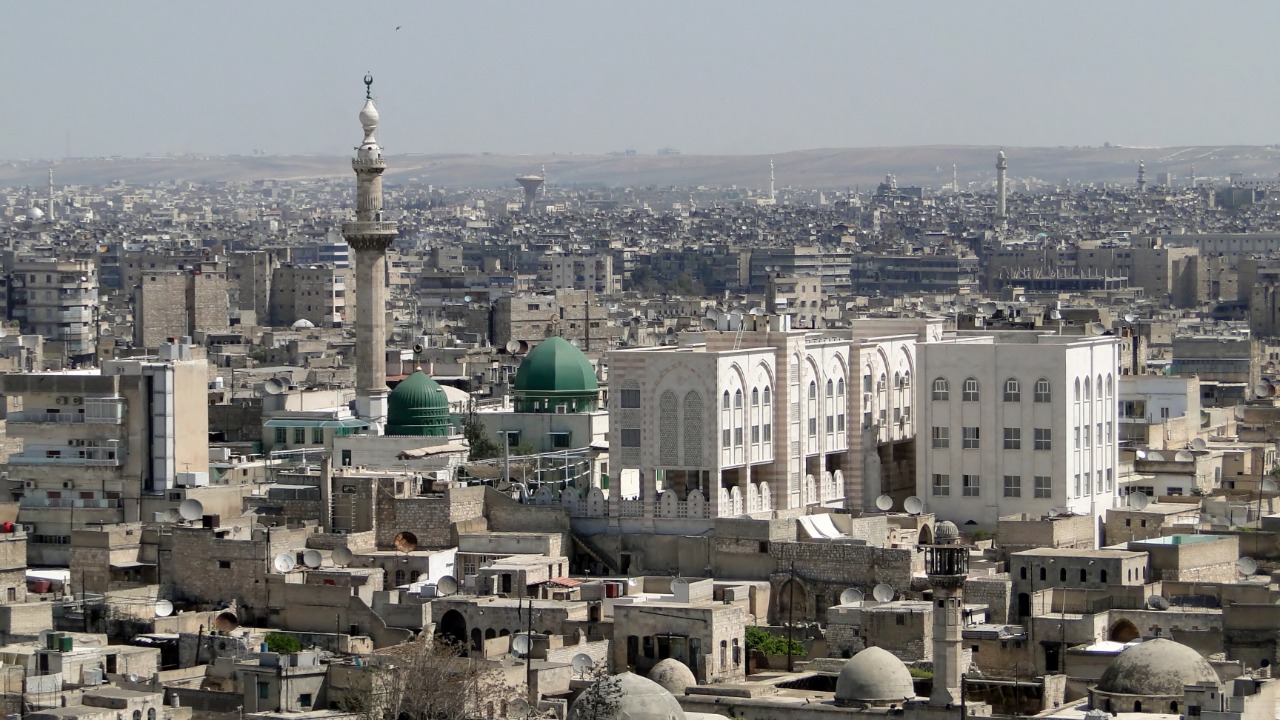
A ceasefire announced before dawn brought a tentative halt to some of the fiercest fighting Aleppo has seen in months, after Syrian government forces and Kurdish-led fighters battled for control of key neighborhoods in the city’s north and east. The truce was meant to stop the shelling, open a path for withdrawals, and give civilians a chance to escape after days of violence that tore through densely populated districts. For residents trapped in Sheikh Maqsoud, Ashrafieh, and Bani Zaid, the pause offered the first real break after days of artillery fire, street battles, and hurried evacuations. But even with the guns briefly quieting, the agreement underscored how fragile the balance remains in northern Syria, where military pressure, unresolved political disputes, and outside interests continue to shape events on the ground.
Fighting in Aleppo forced both sides toward a truce
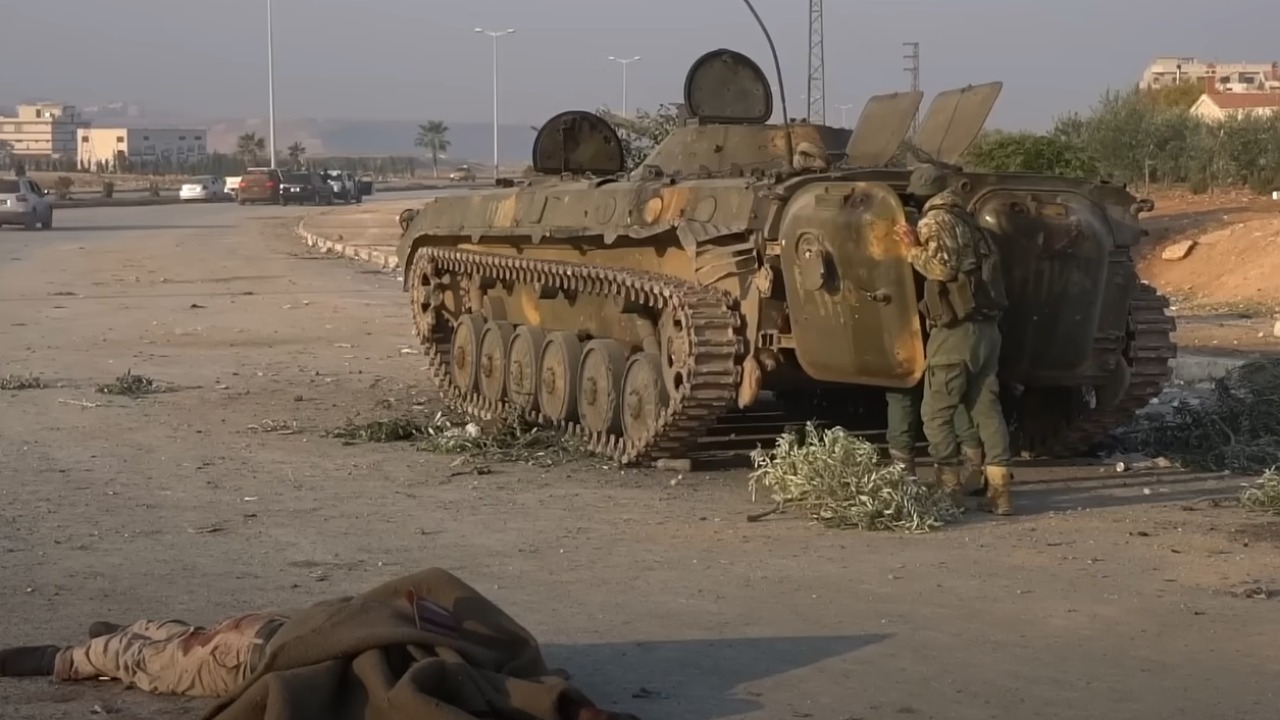
The latest confrontation erupted after efforts to settle the status of Kurdish forces in Aleppo broke down, turning a long-running political dispute into open combat. Reuters reported that Syria’s defense ministry declared a ceasefire effective at 3 a.m. in the neighborhoods of Sheikh Maqsoud, Ashrafieh, and Bani Zaid, saying it was intended to protect civilians and restore state authority. Under the announced terms, Kurdish fighters were to leave within a six-hour window and were permitted to carry only personal light weapons. Al Jazeera, citing Syrian state media, reported the same withdrawal deadline and noted that the truce came after curfews, evacuation orders, and heavy exchanges of fire. The language of the deal made clear that Damascus was not presenting the ceasefire as a negotiated power-sharing arrangement inside Aleppo, but as a controlled exit for armed groups after the government seized the initiative.
Neighborhoods long outside full government control became the focal point
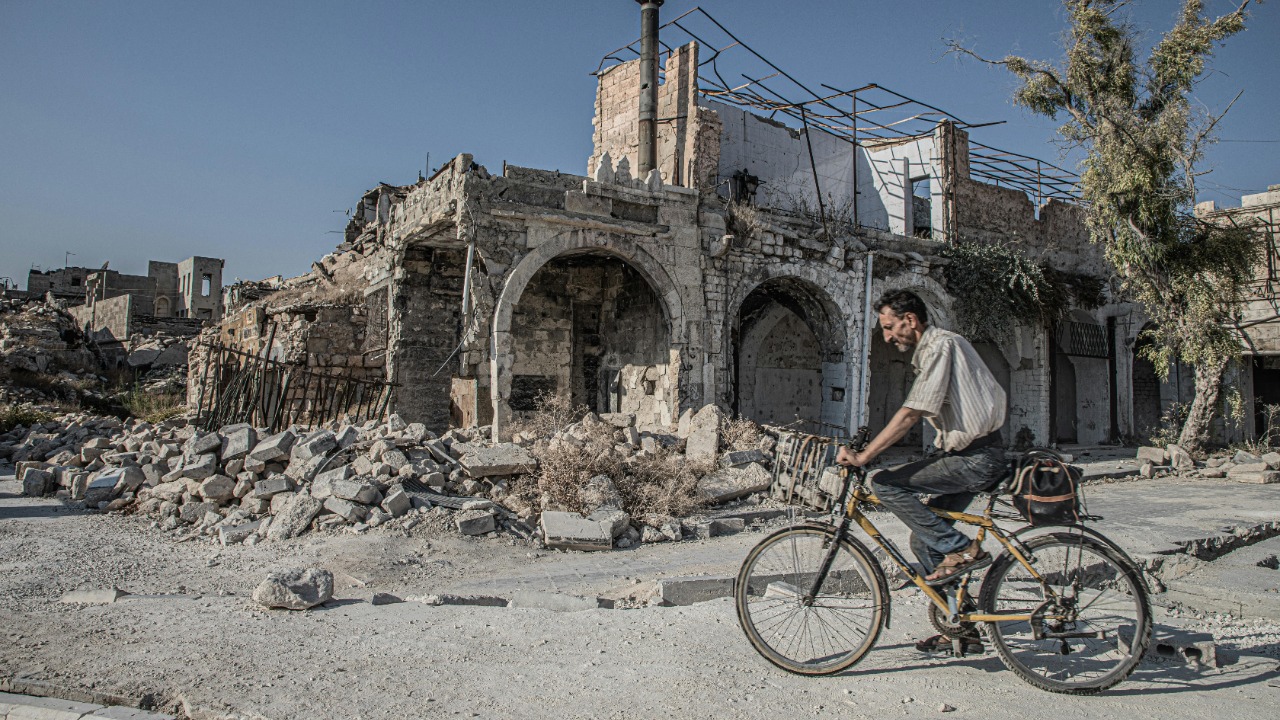
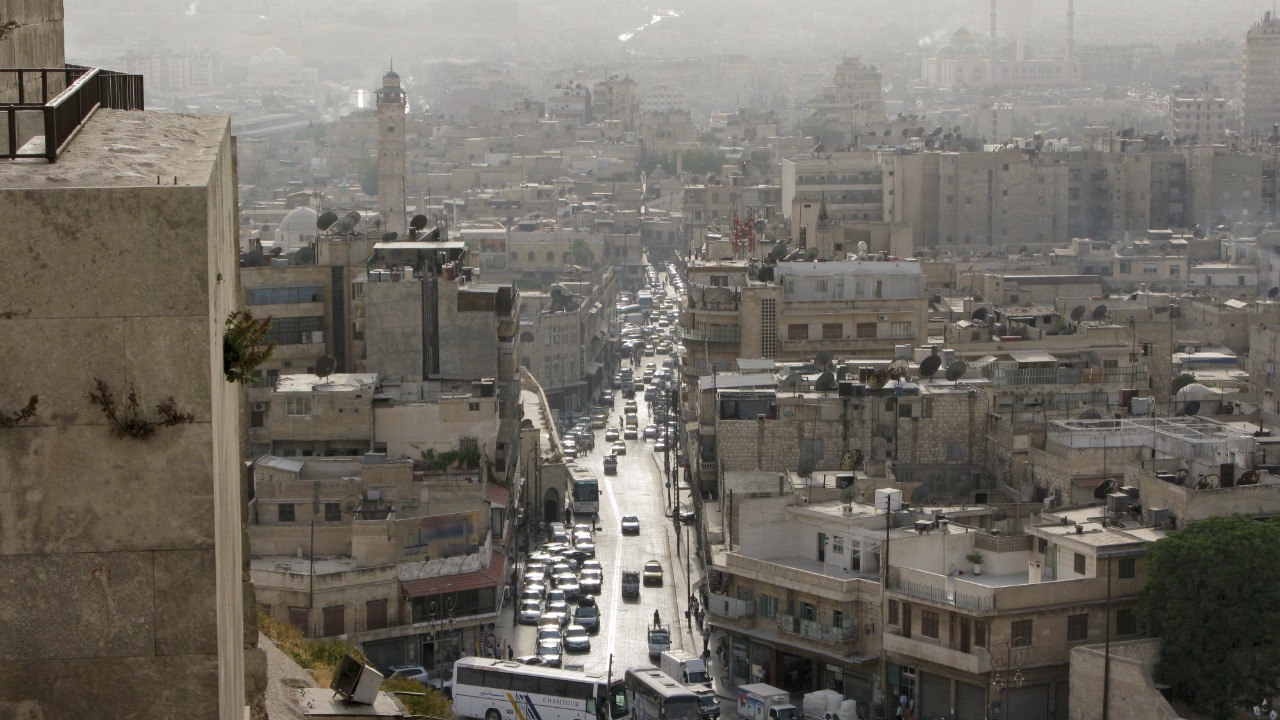
The battle centered on areas that for years had sat at the intersection of Aleppo’s ethnic, military, and political fault lines. Sheikh Maqsoud and Ashrafieh, both with large Kurdish populations, had remained under Kurdish-led administration even as the Syrian state regained ground elsewhere. Their strategic position made them especially sensitive once Damascus renewed pressure on armed groups that had resisted folding into the national military structure. A humanitarian update published through ReliefWeb said the ceasefire announcement followed several days of escalating violence and mass displacement from the affected neighborhoods. AP reported that the clashes were among the most intense since Syria’s political order was upended in late 2024, leaving at least 23 people dead and displacing more than 140,000 residents. That scale of disruption helps explain why the ceasefire mattered beyond the front line itself. In Aleppo, civilian life is never far from the battlefield. Once fighting breaks out in urban districts, the consequences spread quickly through apartment blocks, schools, clinics, and local supply routes.
The ceasefire was also a test of Damascus’s wider strategy
Although the agreement focused on Aleppo, the fighting was tied to a much larger issue: the Syrian government’s push to bring Kurdish-led forces under the authority of the state. Reuters later reported that the ceasefire quickly came under strain when Kurdish groups rejected withdrawal terms they viewed as surrender, showing how far apart the two sides still were even as diplomacy continued. That distinction is important. The Aleppo truce was not, by itself, a sweeping settlement of Damascus’s dispute with the Syrian Democratic Forces. It was a battlefield pause shaped by immediate military realities. The deeper argument over integration, command, and local authority was still unresolved, even if it clearly formed the backdrop to the violence. For Damascus, regaining control in Aleppo would reinforce its message that armed actors operating outside the central chain of command no longer had much room to maneuver. For Kurdish leaders, the confrontation showed how hard it may be to defend isolated positions in major cities while also trying to preserve leverage in broader negotiations over the future of northeastern Syria.
Human costs mounted as civilians fled in huge numbers
The human toll gave the story its urgency. Al Jazeera reported that local officials said more than 138,000 people had been displaced from Sheikh Maqsoud and Ashrafieh as emergency plans were put in place to move civilians out. Reuters later reported that tens of thousands had already been uprooted by the time government forces consolidated their position. Those figures underline why even a temporary halt in fighting carried such weight. In Syria, ceasefires are often judged not by what they promise on paper but by whether families can return home, whether ambulances can move, and whether armed men stop firing long enough for exhausted residents to breathe. The Aleppo truce offered that opening, but only narrowly.
What happens next depends on whether the pause becomes something more durable
The immediate question after the ceasefire was whether it would hold long enough to produce an orderly withdrawal and prevent another round of shelling. The broader question was whether Aleppo marked the start of a more serious effort to redefine relations between Damascus and the Kurdish-led forces that have controlled large parts of the northeast for years. That larger process was still unsettled on January 9, even if its outlines were becoming clearer. Later reporting would show the two sides moving toward a more formal integration framework, but at the moment of the Aleppo ceasefire, what existed was a fragile military pause under heavy pressure, not a completed political settlement. Reuters would later report that a broader phased deal emerged only afterward, confirming that the Aleppo truce was one step in a bigger and still uncertain sequence. For now, the ceasefire has halted the immediate fighting in Aleppo and created a brief opening after days of bloodshed. Whether that opening leads to a more stable arrangement, or simply postpones the next confrontation, will depend on what both sides do once the battlefield quiet gives way to the harder politics that caused the crisis in the first place.