A fatal shooting during a federal immigration operation in Minneapolis has set off protests across the United States, deepened a confrontation between Minnesota officials and the Trump administration, and turned one local encounter into a national fight over federal power, public accountability, and the use of force on city streets. Renee Good, 37, was shot by an Immigration and Customs Enforcement officer on January 7 during an enforcement action in south Minneapolis. Federal officials said the officer fired in self-defense. Minnesota officials quickly challenged that account, and bystander video became central to the public debate almost immediately. Within days, demonstrations spread beyond Minneapolis as activists, residents, and elected officials demanded a more independent review of what happened and questioned the scale and tactics of the broader immigration crackdown that had brought federal agents into the region.
How the shooting became a national flashpoint
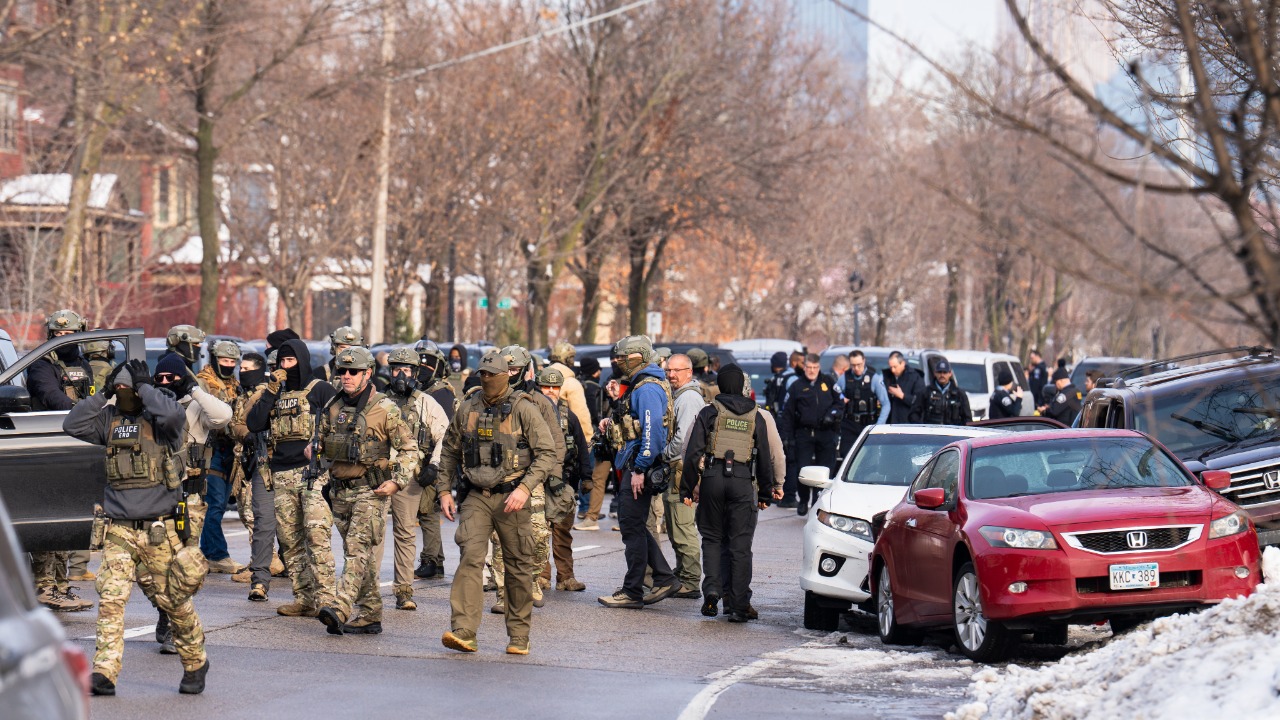
Authorities were called to the area of East 34th Street and Portland Avenue after the shooting, which took place during what the federal government described as part of a large enforcement action. Good was transported to Hennepin County Medical Center, where she died. Federal officials argued the officer faced an immediate threat. Critics, including state and local leaders, pointed to video they said raised serious questions about whether deadly force was justified. That dispute over the basic facts is what gave the case national force so quickly. It was not only that a woman had been killed by a federal officer in a city already deeply sensitive to questions of police accountability. It was that the killing happened in the middle of a sweeping immigration operation under an administration already facing fierce resistance over aggressive enforcement tactics, and in a state whose leaders made clear from the start that they did not trust Washington to investigate itself. As images and video spread online, the story moved beyond Minnesota. Protest organizers tied Good’s death to wider concerns about militarized federal policing, surveillance in immigrant neighborhoods, and the use of lethal force during operations officials often describe as routine. That combination gave the demonstrations reach far beyond the Twin Cities.
Minnesota’s investigators were pushed aside almost immediately
One reason the protests have remained so intense is the fight over who gets to investigate the shooting. The Minnesota Bureau of Criminal Apprehension said it was initially expected to participate in a joint investigation with the FBI, but that arrangement changed the same day. State officials said federal authorities denied the BCA access to evidence, interviews, and other materials needed to conduct a full review. That decision created an immediate credibility problem. In Minnesota, the BCA is the kind of agency the public expects to see involved in a fatal officer-involved shooting. Once it was shut out, the inquiry began to look less like an independent examination and more like a federal process controlled from within, even before Justice Department leaders weighed in publicly. Hennepin County Attorney Mary Moriarty later urged the public to submit photos, video, and other evidence directly to her office as local authorities tried to preserve material that might otherwise remain under federal control. The move underscored how unusual the situation had become. Rather than receiving evidence through ordinary law enforcement channels, local prosecutors were effectively asking the public to help assemble the factual record from the outside.
Protests spread from Minneapolis to cities across the country
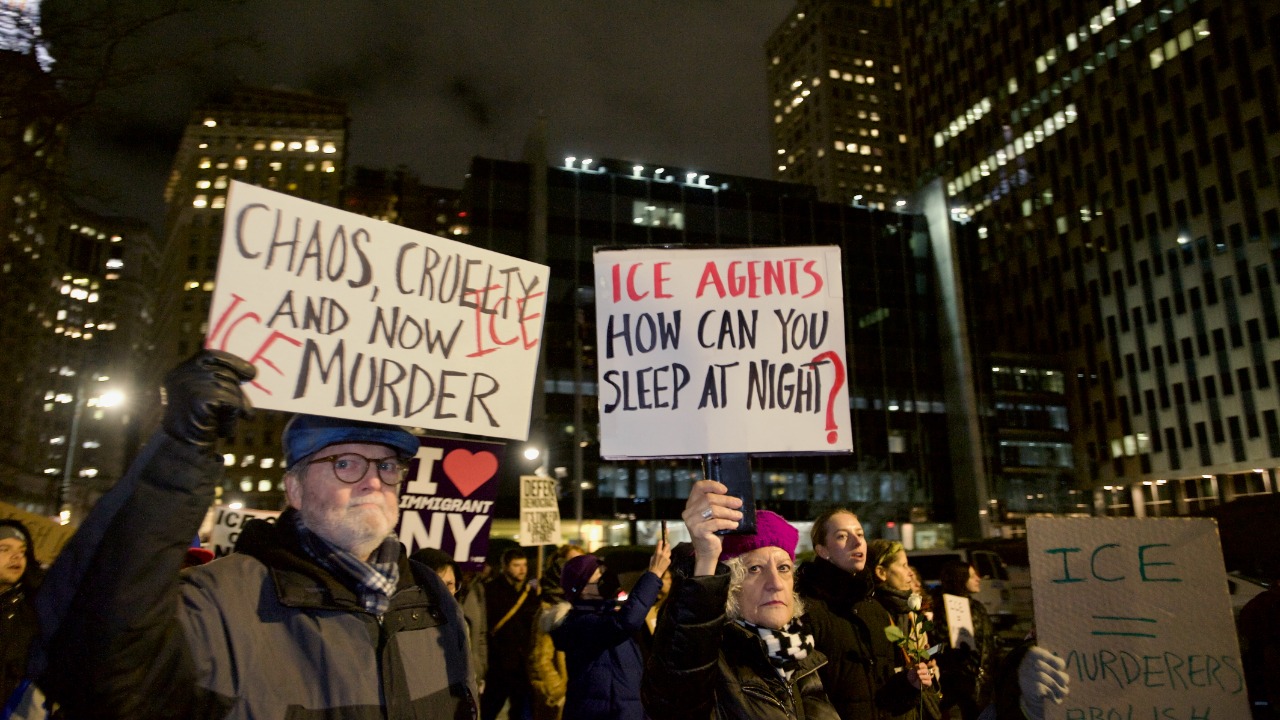
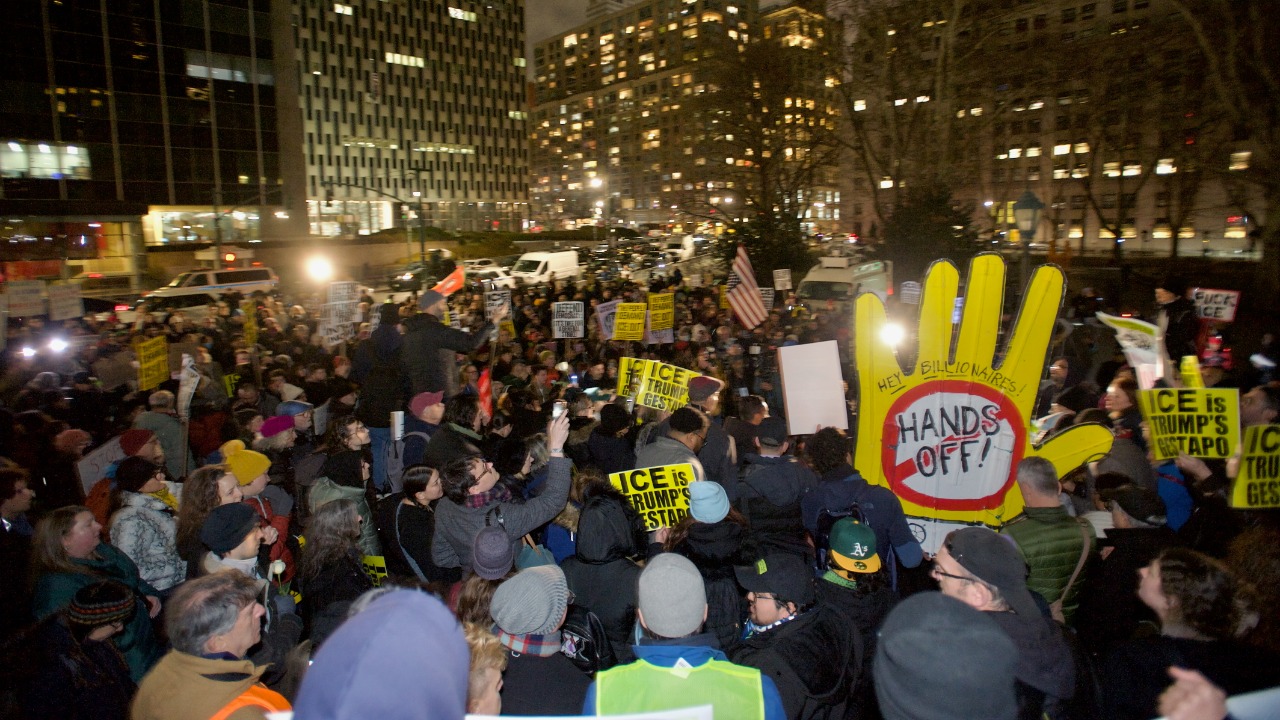
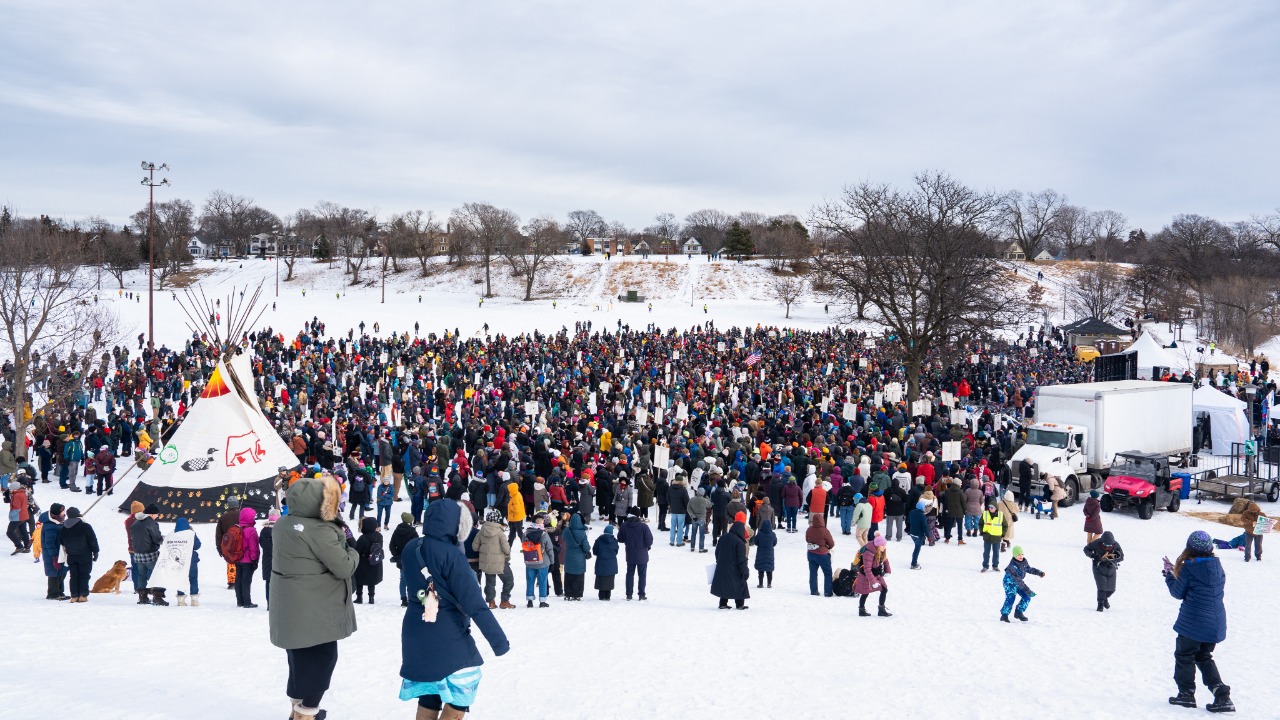
Demonstrations began in Minneapolis almost immediately and then widened into a broader anti-ICE mobilization. Reuters reported that tens of thousands gathered in Minneapolis as protests expanded nationally, with organizers staging rallies in cities far from Minnesota under slogans demanding accountability for Good’s death and an end to large-scale immigration sweeps. The size of the Minneapolis response was especially significant because it showed how quickly the case had moved from a disputed shooting to a broader symbol of federal overreach. Protesters were not only mourning Good. They were also reacting to the scale of the enforcement campaign in Minnesota, where federal authorities had surged personnel into the region and created a visible show of force that many residents said changed the atmosphere in immigrant neighborhoods almost overnight. Some demonstrations remained peaceful and tightly organized. Others brought tense standoffs with law enforcement, especially when crowds gathered near federal buildings or attempted to track enforcement activity. The unrest reflected more than anger over a single headline. It reflected a growing belief among critics that the institutions usually expected to provide accountability were either absent or too compromised to command public trust.
The lawsuit widened the conflict beyond the shooting itself
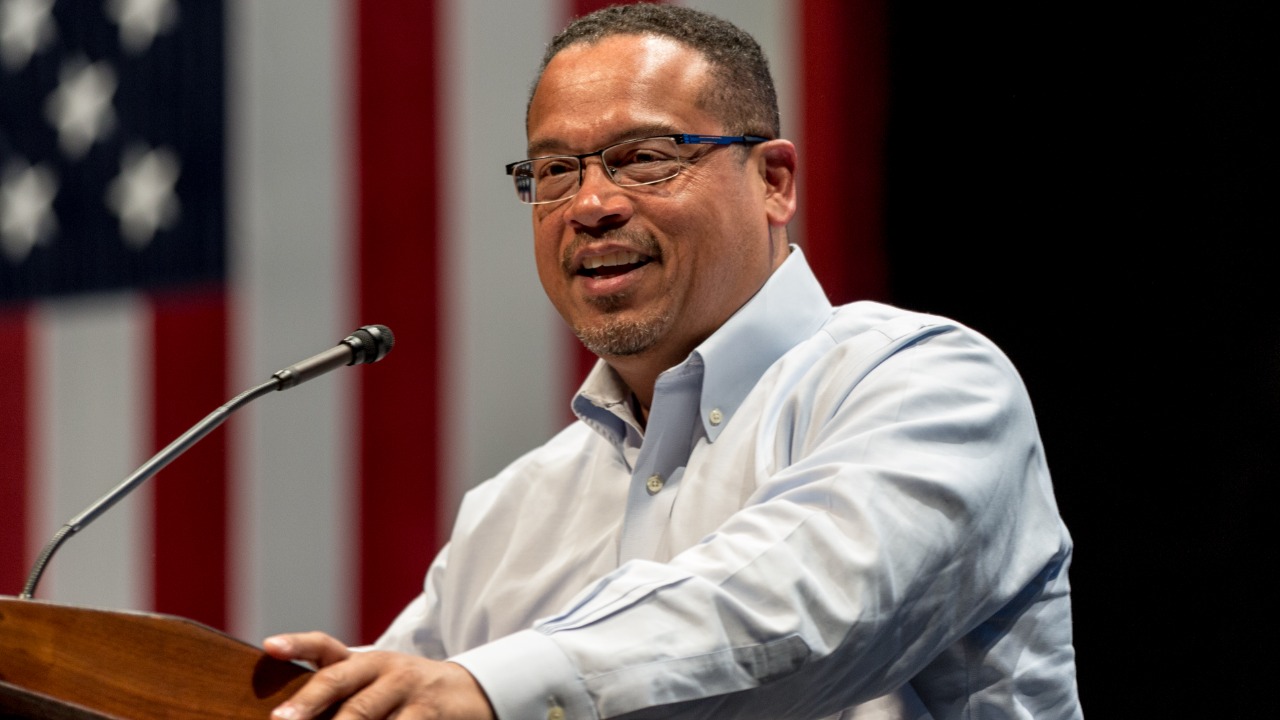
Minnesota Attorney General Keith Ellison, joined by Minneapolis and St. Paul, responded with a lawsuit aimed at stopping or scaling back Operation Metro Surge, the federal enforcement campaign at the center of the confrontation. According to Reuters and the Associated Press, the lawsuit argued that the operation imposed major burdens on state and local governments and raised constitutional concerns, including retaliation against protected speech. At first, Judge Katherine Menendez declined to grant the sweeping preliminary relief Minnesota wanted, allowing the broader operation to continue while the case moved forward. That meant federal agents remained active in the Twin Cities even as the political conflict escalated. Later court action narrowed in on protest-related tactics, but the government retained substantial room to keep enforcing immigration law in the area. That distinction matters. The legal fight is not simply about whether Minnesota opposes federal immigration policy. It is about whether the federal government can flood a state with enforcement personnel, strain local systems, provoke predictable disruption, and then insist the state has little practical recourse when the consequences turn deadly.
The accountability question is what keeps the story alive
The most combustible part of the story is not only the shooting itself. It is the perception that no truly independent body has full control of the evidence, the witnesses, and the investigative process. The FBI is reviewing the case, but it remains part of the same federal branch that employs the officer. The Justice Department, meanwhile, said it saw no basis at that stage for a criminal civil rights investigation into Good’s death, a decision reported by AP and examined by Reuters. That combination has left critics arguing that the usual checks are missing at the exact moment they are most needed. Federal officials maintain the officer acted lawfully. Minnesota officials say the public deserves a fuller and more transparent accounting. Between those positions sits the unresolved question that continues to drive demonstrations: who, if anyone, can independently test the federal government’s version of events? That is why this case has proved harder to contain than official statements seemed to anticipate. Good’s death is now tied to a larger argument over immigration enforcement, federal immunity, protest rights, and local self-government. Until there is a process the public sees as credible, the unrest is likely to remain about more than one woman’s killing. It will continue to be about power, who gets to use it, and who gets to review it when the outcome is fatal.