
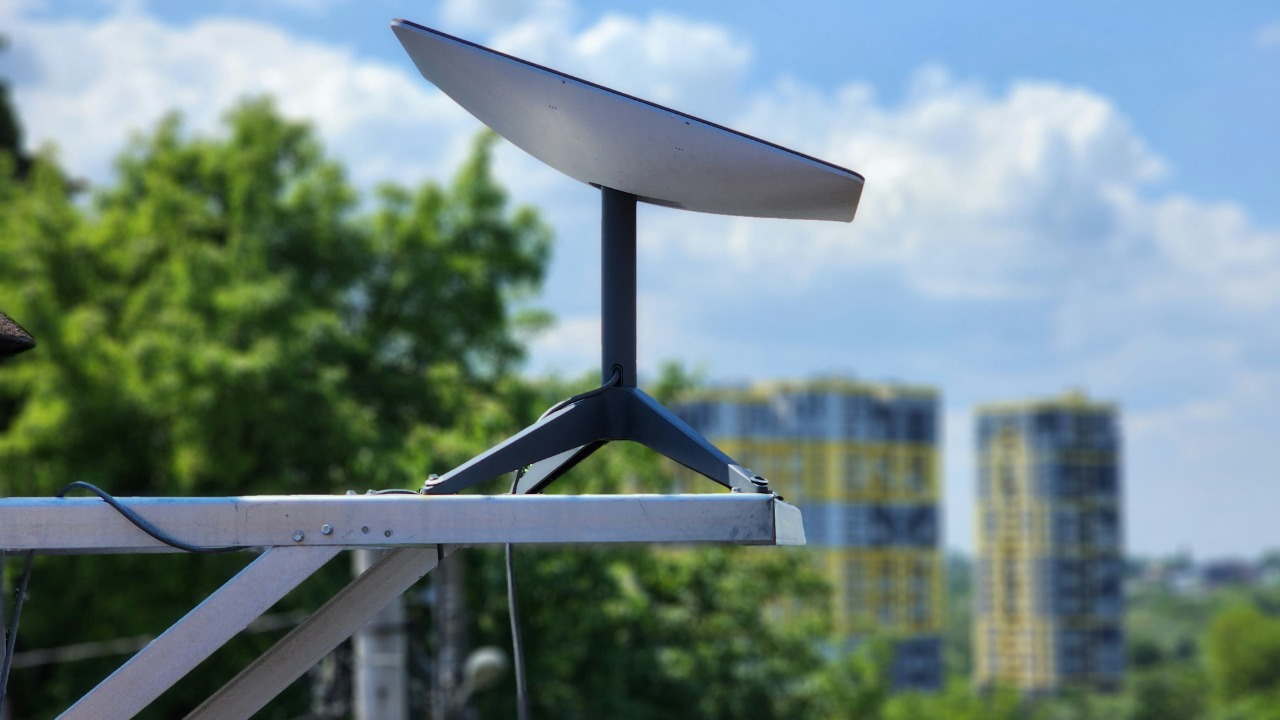
Iran’s January 2026 communications crackdown did more than throttle apps or block websites. It aimed to remove the country’s ability to share what was happening at street level, in real time, as protests spread and security forces moved to regain control.
For years, satellite internet has been held up as a workaround when governments pull the plug on traditional networks. In this blackout, Iran signaled it was prepared to fight that workaround directly, targeting Starlink with interference that, for many users, made the service effectively unusable when it mattered most.
A blackout designed to silence witnesses
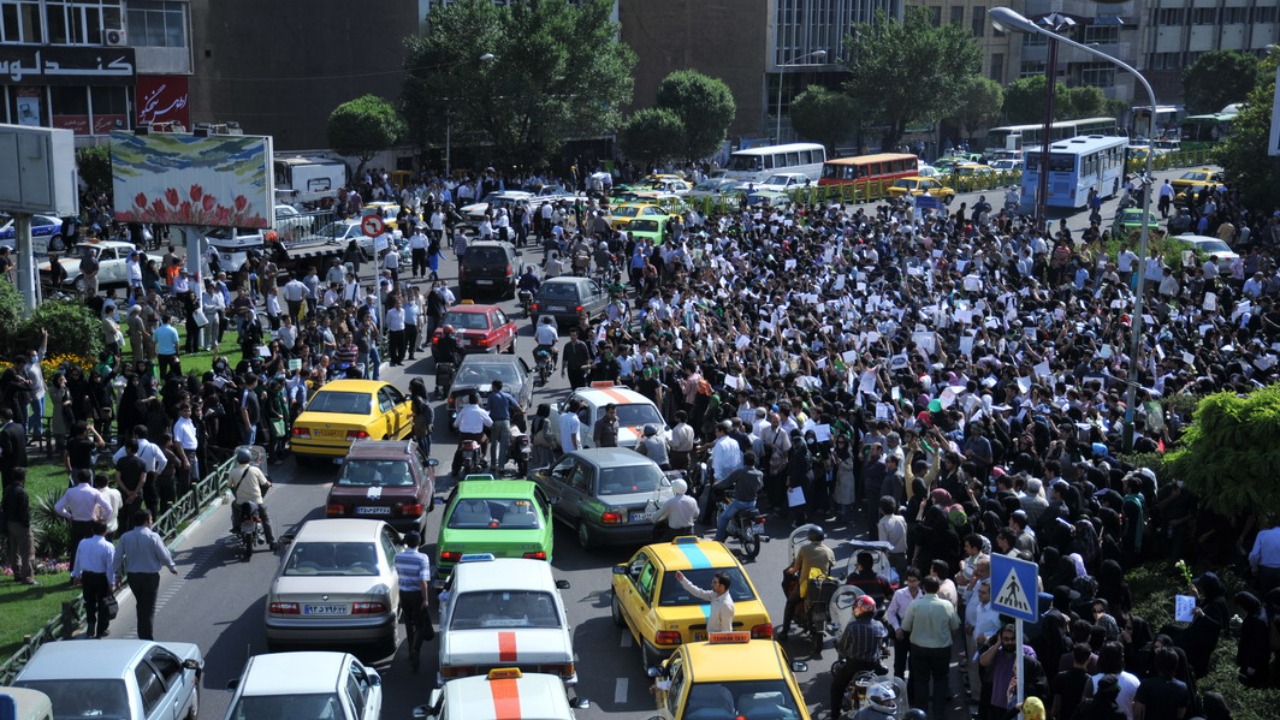
Multiple monitors and news reports described a fast escalation from localized disruptions into a near-total nationwide cutoff. Reuters reported that internet access dropped sharply across providers as protests intensified, citing monitoring that described a wide-ranging blackout and severe constraints on public communication. Reuters report
Georgia Tech’s Internet Outage Detection and Analysis (IODA) project also described the shutdown as broad enough to suppress the flow of information out of the country, with reporting that the disruption extended beyond typical consumer internet restrictions and reached phone services and Starlink access as the crisis deepened. Georgia Tech IODA summary
These crackdowns are designed for outcomes, not clean technical definitions. A government does not need to flip every connection to “off” for every person. If it can prevent the public from uploading video, calling relatives, coordinating safe routes, or confirming who has been detained, the blackout has achieved its core purpose even if a restricted slice of connectivity remains available to select users.
Starlink’s promise meets state-level interference

Starlink is built to operate outside national telecom infrastructure, which is why it is often framed as a censorship workaround. But independence from local carriers does not mean immunity. A determined state can target the radio environment that terminals depend on, degrading service without touching a single fiber cable.
Reuters reported that despite the nationwide blackout, some Iranians continued to access the internet using Starlink, but users described the service as uneven and patchy, a signal that authorities could not easily “turn it off” like terrestrial networks but could still make it unreliable. Reuters report
“Shut down” versus “functionally unusable”

The argument over whether Iran “shut down” Starlink often comes down to definitions. If a few terminals can still connect intermittently, the service is not fully severed in an engineering sense. But when interference drives extreme packet loss or instability, it can still be down in the only way that matters to people trying to communicate: they cannot get photos, video, or messages out reliably.
Associated Press reporting captured that practical reality by describing a tug of war between workarounds and suppression as demonstrators tried to route information outside the country, and as authorities intensified efforts to keep details from spreading. AP report
Al Jazeera likewise reported that Starlink was helping some Iranians push information out, while also noting that Iran was attempting to jam signals, highlighting the gap between theoretical resilience and real-world interference. Al Jazeera explainer
A lifeline available to very few

Even before interference, Starlink’s impact inside Iran was constrained by hardware, risk, and visibility. Terminals are physical objects that must be powered and positioned. In an intense crackdown, that can raise the stakes for users, especially if possession is treated as evidence of illegal connectivity or suspected collaboration.
This limited footprint is why Iran did not need a perfect nationwide Starlink kill switch to achieve a communications freeze. If only a small subset of people has terminals, the state can focus on disrupting enough of those connections to prevent high-volume uploads and real-time coordination. The blackout does not need to be technically absolute to be socially total.
Countermeasures, and their limits
Satellite internet can evolve quickly in software, but states can evolve quickly in tactics. Public reporting described Starlink-side adjustments during the blackout period, while also making clear that real-world performance is hard to verify without terminal-level data. Outside observers can see traffic drops and broad anomalies, but they cannot measure every terminal’s experience under interference.
That gap is why the January 2026 episode is likely to linger in policy and technology debates. If satellite internet is marketed as a tool that can keep information flowing during repression, the record of how it performs under sustained state interference becomes central, not optional.
What this signals beyond Iran

The assumption in many Western policy and technology circles has been that satellite internet is inherently harder to censor than terrestrial networks. Iran’s January 2026 blackout challenged that belief in a concrete way. While Starlink was not necessarily “off” everywhere, the combination of signal interference, the small number of terminals inside the country, and the broader shutdown of traditional networks meant satellite connectivity failed to operate as a reliable substitute at national scale.
Chatham House described the blackout as reflecting a dangerous embrace of digital isolation as a long-term strategy, arguing the shutdown signaled a new stage of repression rather than a one-off response. Chatham House analysis
Filterwatch monitoring also described how Iran’s connectivity shifted from targeted disruptions into a near-total blackout and then toward restricted, whitelisted access, reinforcing the idea that partial restoration can still preserve granular control. Filterwatch report
The takeaway is not that satellite internet is useless. It is that resilience depends on more than orbital architecture. It also depends on terminal distribution, user safety, transparency during attacks, and a realistic understanding of what “available” means when interference can reduce connectivity to something too unstable to document events or coordinate basic movement.