
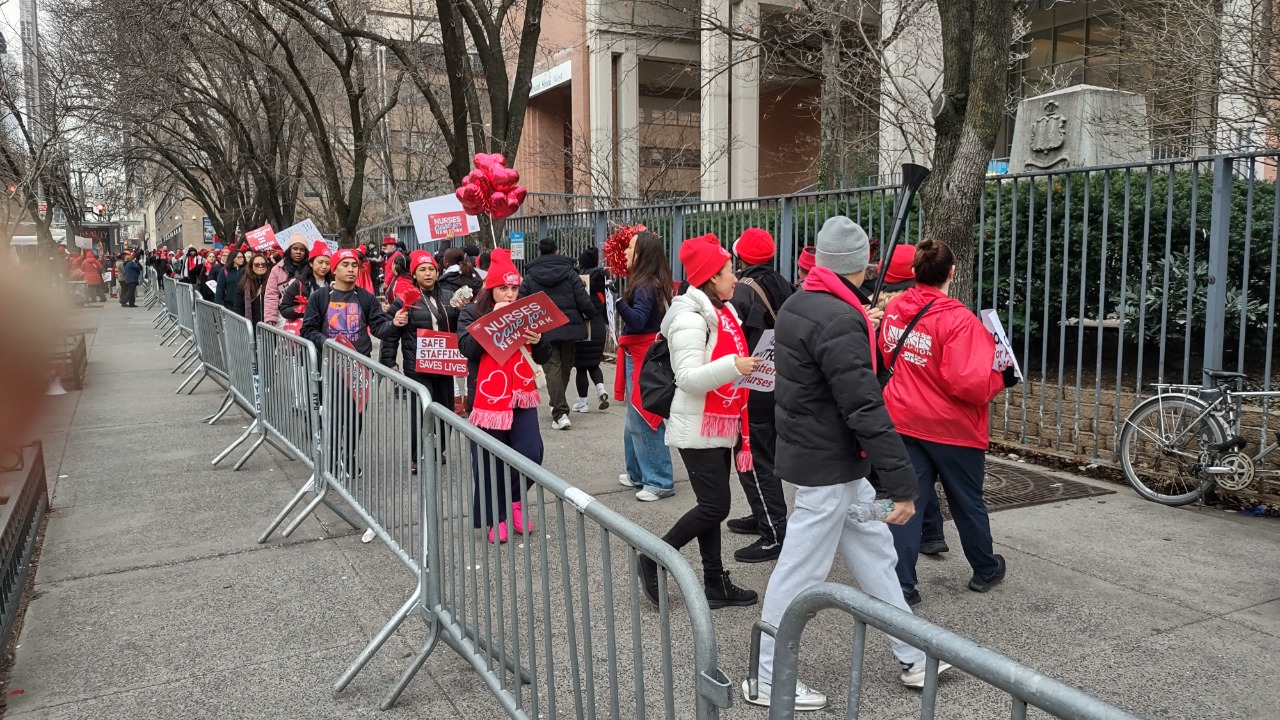
Nearly 15,000 nurses walked off the job in New York City in January, setting off what was widely described as the largest nursing strike in the city’s history.
The action hit major hospitals tied to Mount Sinai, Montefiore and NewYork-Presbyterian, turning a contract fight over staffing, pay and working conditions into a six-week showdown that rippled across some of the city’s busiest private medical centers.
What made the strike so consequential was not only its size. It came during the winter respiratory virus season, affected hospitals that serve large volumes of emergency and specialty patients, and exposed how deeply the staffing crisis that followed the pandemic still runs in New York’s health care system.
By the time the final holdouts voted to ratify a deal, the strike had become more than a labor dispute. It had become a test of how much strain hospitals, nurses and patients could absorb before one side gave way.
How the walkout began
The strike began after contract talks between the New York State Nurses Association and three major hospital systems failed to produce last-minute agreements. Reuters reported that roughly 15,000 nurses across 10 private hospitals joined the walkout, demanding better staffing, stronger protections from workplace violence and improved benefits in addition to wage gains.
The scale alone made the action historic. New York had seen hospital strikes before, including a shorter two-system walkout in 2023, but nothing this broad.
This time, the strike reached facilities across Manhattan and the Bronx and immediately raised concerns about how hospitals would handle emergency care, surgeries and routine treatment without thousands of regular bedside nurses.
Gov. Kathy Hochul had already acted before the strike began, issuing a disaster emergency order over expected staffing shortages and later extending it as the labor dispute continued.
Staffing, not just pay, drove the dispute

The hospitals and the union argued over compensation, but staffing was the issue that gave the strike its force. Nurses said hospitals had spent years managing chronic shortages with overtime, floated assignments and temporary labor rather than rebuilding permanent bedside staffing.
In practical terms, that meant heavier patient loads, fewer breaks, more burnout and a growing sense that routine understaffing had become normal.
That argument carried extra weight because New York already has a law intended to address the problem. Under Public Health Law 2805-t, hospitals must maintain clinical staffing committees and annual staffing plans.
For striking nurses, the issue was not whether staffing plans existed on paper. It was whether those plans were meaningful, enforced and capable of protecting patient care on hospital floors during real shifts.
Hospitals prepared for a long fight
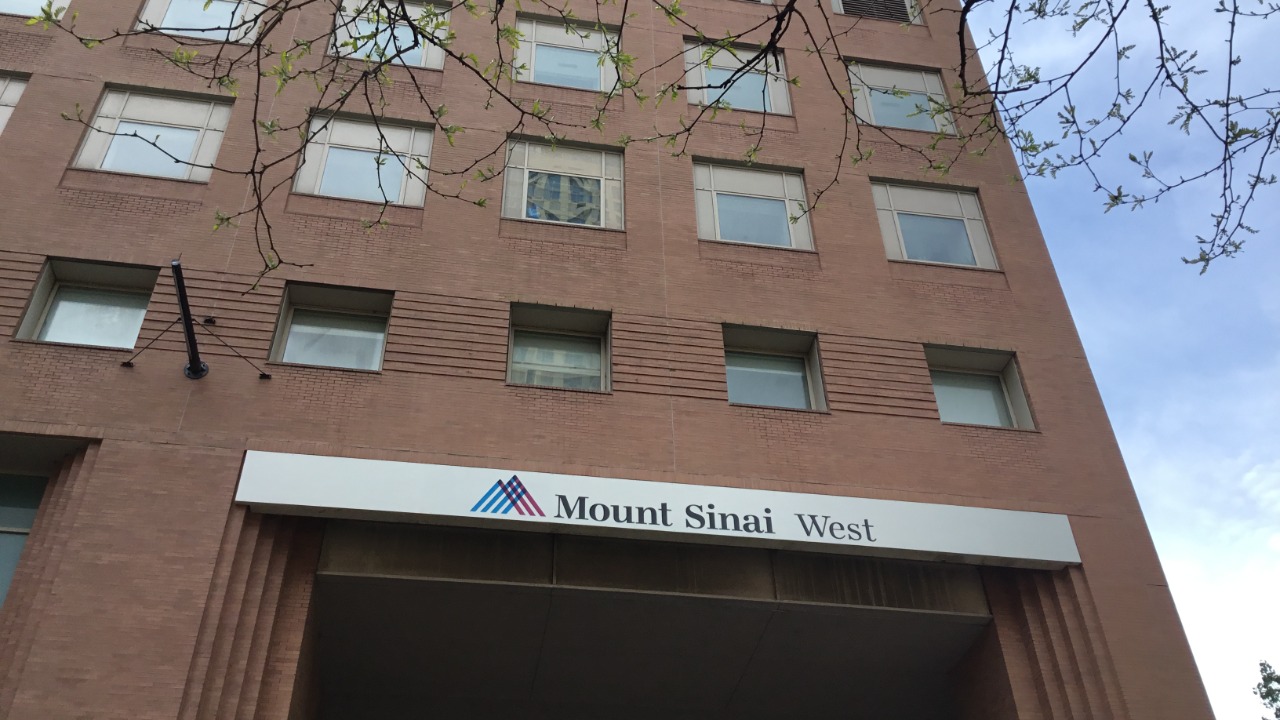
Hospital leaders insisted they were ready. They brought in agency nurses, shifted patients, postponed some procedures and sought to reassure the public that care would continue. Mount Sinai said on its strike information site that it had lined up large numbers of replacement staff and would keep affected hospitals operating through the dispute. Mount Sinai’s updates emphasized continuity plans even as negotiations remained stalled.
But continuity was never the same as normal operations. Temporary nurses can help keep units open, yet they do not arrive with the institutional familiarity that long-time staff bring to complex hospital systems.
As the strike wore on, the cost of those stopgap measures rose. So did pressure on hospital executives, who had to defend why they were spending heavily on replacements while nurses argued the same money could have gone toward safer, permanent staffing.
Mount Sinai and Montefiore settle first
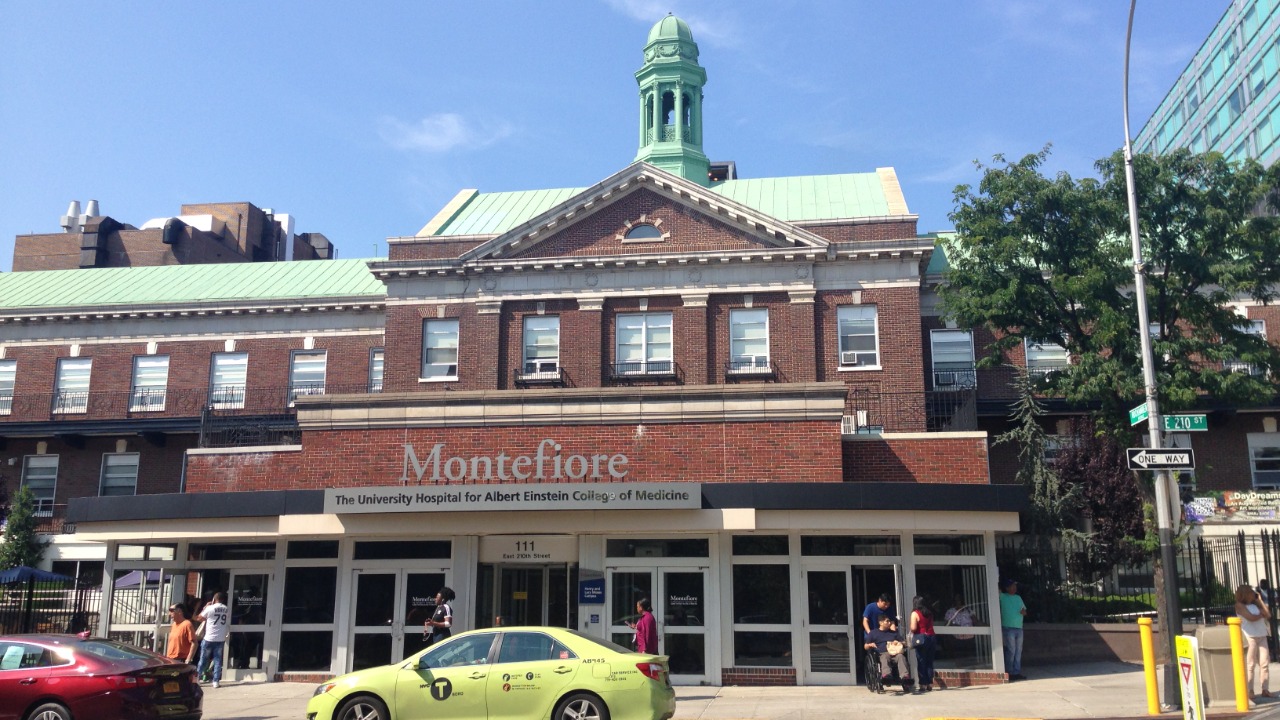
The first major break came when nurses at Mount Sinai and Montefiore reached tentative agreements, allowing about 10,500 of the roughly 15,000 striking nurses to return to work. The Associated Press reported that those deals included more than 12% in pay raises over three years, preserved health benefits, staffing improvements, workplace safety protections and language related to the use of artificial intelligence in hospital settings.
That changed the shape of the dispute. Once two systems had settled, NewYork-Presbyterian became the decisive battleground. The public now had a clear comparison point: other hospitals had found a path to agreements, while one of the city’s largest and most influential systems remained locked in a prolonged standoff with its nurses.
NewYork-Presbyterian becomes the last holdout
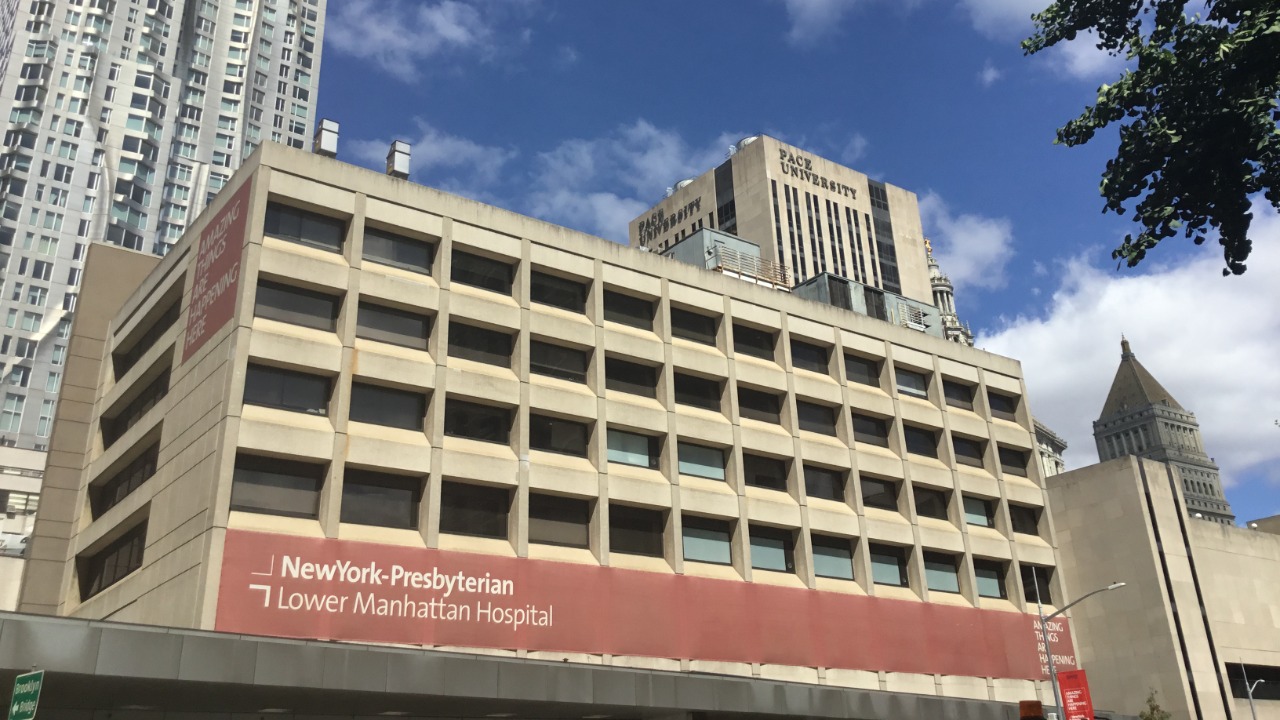
More than 4,000 NewYork-Presbyterian nurses remained on strike after rejecting an earlier proposal they considered inadequate on staffing and other protections. Their portion of the strike lasted 41 days, making it the longest phase of the citywide walkout.
Reuters and The Associated Press reported that the final agreement included more than 12% in raises over three years, health benefit protections, staffing improvements, workplace violence language and safeguards tied to artificial intelligence.
When the nurses voted, the strike ended citywide. The New York State Nurses Association said the contract was ratified by an overwhelming margin, closing what the union described as a historic fight for safe patient care.
The result gave the final deal significance beyond one employer. It suggested that nurses were willing to sustain a costly, high-pressure strike for weeks if they believed the staffing language still fell short.
What patients experienced during the six-week disruption

For patients, the strike meant rescheduled appointments, postponed procedures and uncertainty about whether familiar care teams would still be in place.
Hospitals maintained that they protected patient safety throughout the dispute, but even when core services continue, prolonged disruption leaves its own mark. Delays in routine care, unfamiliar staffing arrangements and longer waits are all meaningful burdens in systems that many New Yorkers depend on for cancer treatment, emergency medicine, maternity care and specialty services.
The hardest-hit effects are often felt most sharply by people with the fewest alternatives. Large private hospital networks in New York do not just compete for prestige. They also anchor access to specialty care in many neighborhoods.
That is one reason the strike drew close attention from public officials and the broader labor movement. It exposed how quickly a staffing dispute can become a citywide health care issue when it touches institutions of this size.
Why the strike matters beyond New York
The strike is likely to be studied beyond the city because it combined several forces shaping hospital labor nationwide: post-pandemic burnout, persistent vacancies, the cost of temporary labor, growing concern over workplace violence and new anxiety about how artificial intelligence will be used in clinical settings.
New York’s nurses did not win only raises. They pushed staffing and job-protection language to the center of bargaining, which may matter more over time than any headline percentage increase.
For hospital executives elsewhere, the lesson is clear. Emergency staffing plans can keep doors open, yet they come at a financial and reputational price, especially when a strike stretches from days into weeks.
For nurses, the lesson is the opposite: a large, coordinated action can force major systems back to the table and keep them there.
That is why this dispute will be remembered not simply as the largest nursing strike in New York City history, but as a warning about what happens when staffing problems are managed too long and addressed too late.