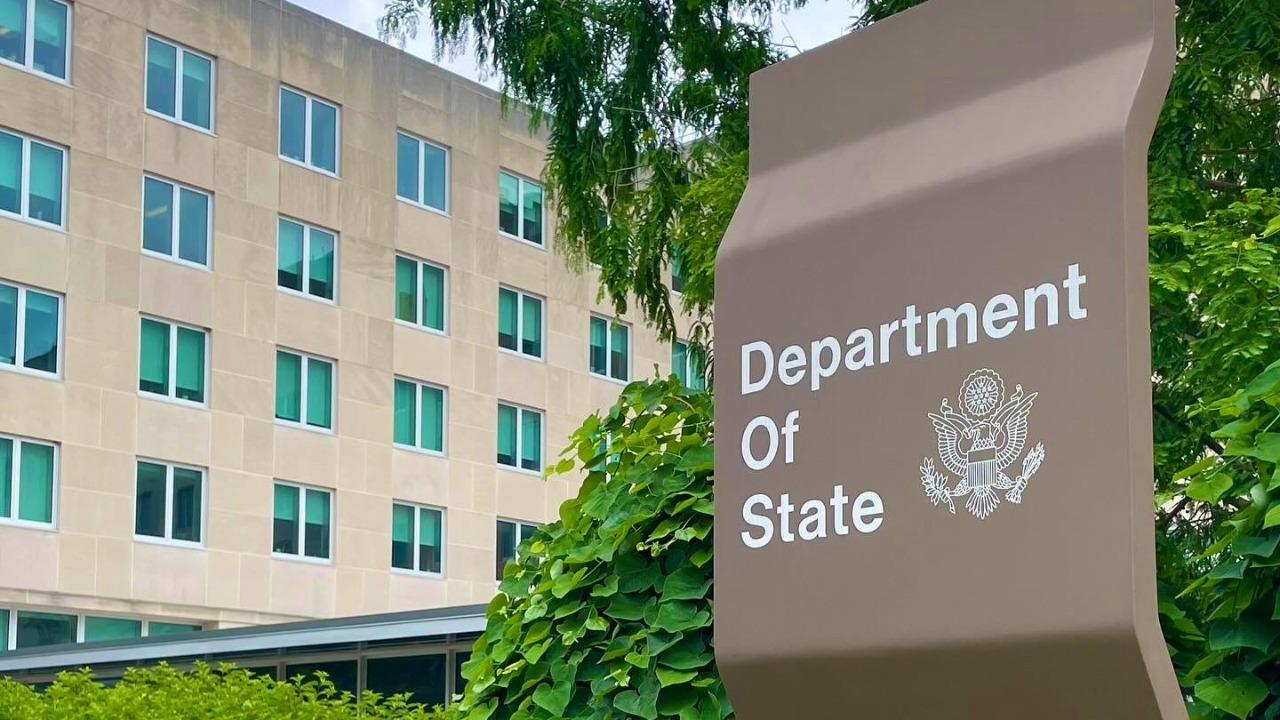
The U.S. State Department has moved to halt immigrant visa issuances for nationals of 75 countries, opening a new front in the Trump administration’s push to tighten legal immigration pathways on economic grounds. The policy took effect January 21 and reaches across family-based immigration, employment-based green cards, and diversity visa cases handled at American embassies and consulates abroad. For many applicants, the shift lands in the middle of a process that can take months or years.
Families waiting to reunite, employers trying to bring in permanent hires, and diversity visa selectees working against a statutory deadline now face a system in which cases may continue moving in some respects, but final visa issuance can stop at the finish line. For people who have already paid fees, completed paperwork, and lined up plans around a move to the United States, it creates the same practical outcome: an indefinite delay.
What the State Department actually announced
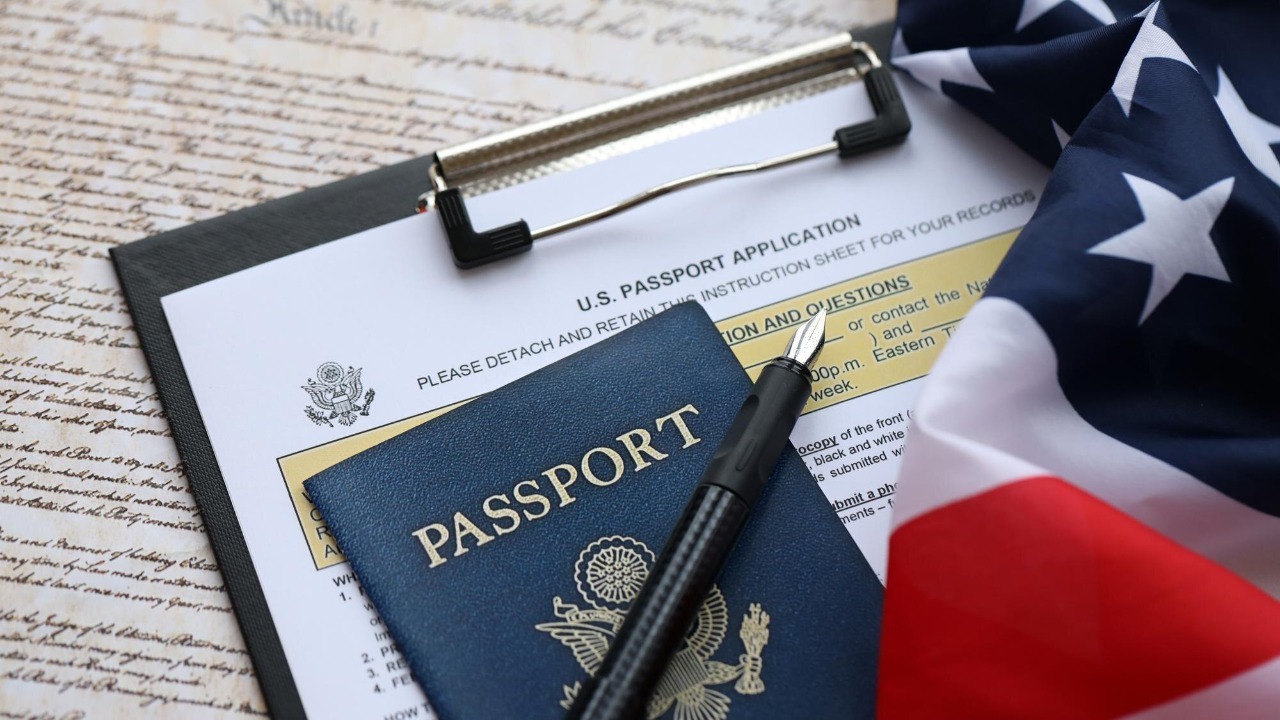
In a notice posted on its travel information portal, the State Department said that, effective January 21, 2026, it had paused immigrant visa issuances to applicants who are nationals of 75 listed countries. The department framed the move as part of a broader review meant to ensure that immigrants from what it calls high-risk countries do not unlawfully use welfare or become a public charge after arriving in the United States.
The government’s own guidance says affected applicants may still submit visa applications and attend interviews, and that consular posts will continue scheduling interviews. In other words, the administration has not shut down every step of the pipeline. What it has done is pause the point at which an immigrant visa is actually issued. For readers, that is the clearest way to understand the rule: the process may continue, but approval no longer guarantees a visa will be printed and released. The department also says the policy does not revoke immigrant visas that have already been issued. People who already hold valid immigrant visas are not swept into the pause. That carve-out narrows the immediate effect for some travelers, but it does nothing for applicants still stuck inside the consular system abroad.
How this fits into the broader Trump immigration framework
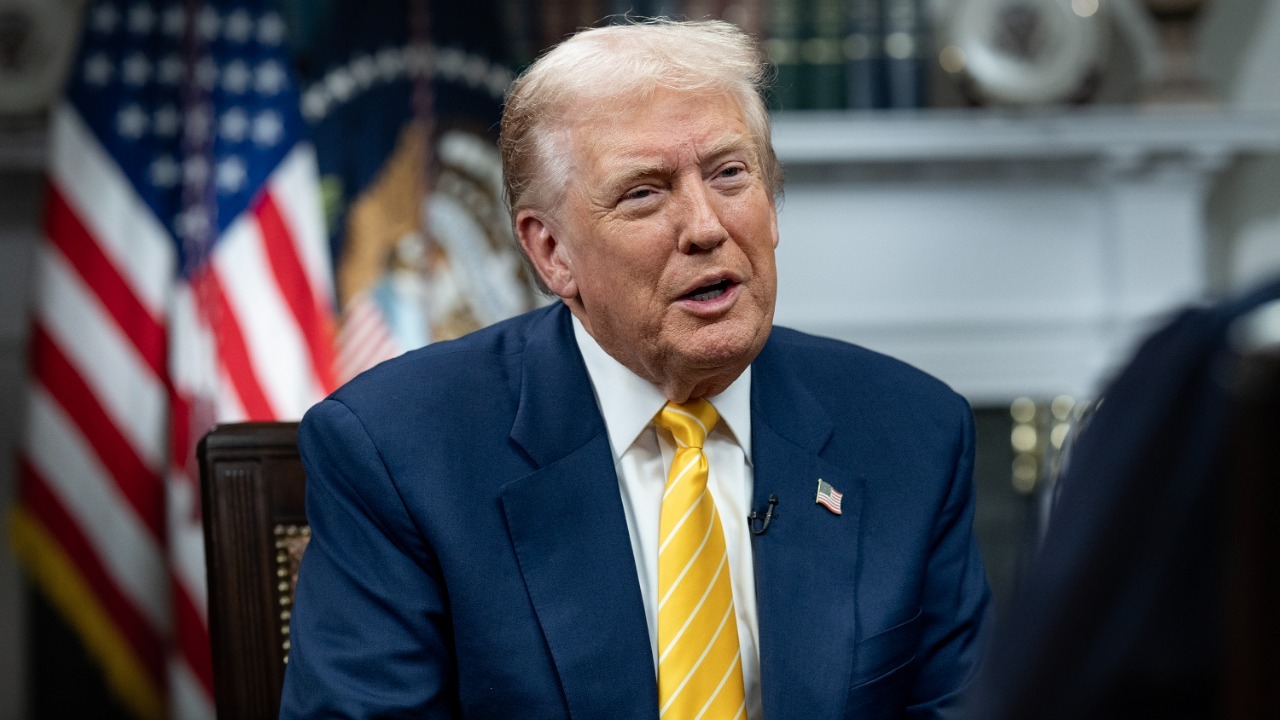
The January 21 policy did not appear out of nowhere. It sits alongside separate State Department restrictions tied to Presidential Proclamation 10998, a December 2025 order that imposed full or partial visa suspensions on a separate set of countries on national security grounds. The text of Proclamation 10998 took effect January 1, creating a larger legal and administrative framework for nationality-based visa limits. That layered structure is one reason the policy is likely to matter beyond the first wave of cases.
The administration is no longer relying only on individual discretionary calls from consular officers. It is combining country-based restrictions, expanded public charge scrutiny, and centralized State Department guidance into a system that can reshape who reaches permanent residence through consular processing. Associated Press reporting on the decision described it as part of a broader campaign to tighten entry standards for foreign nationals, while Washington Post reporting noted that the move adds to earlier travel and immigration restrictions that already limited lawful pathways for many applicants. Read together, the official guidance and outside reporting show a policy that is narrower in wording than some headlines suggest, but still sweeping in effect.
Exceptions are real, but they are narrow
The pause is not absolute. According to the State Department, dual nationals applying with a valid passport from a country not on the 75-country list are exempt. That means citizenship status can sharply change an applicant’s options. A person with only one listed nationality may be stalled indefinitely, while another person from the same place who also holds a non-listed passport may still move forward.
There is also a limited path for certain adoption cases. In separate guidance on national interest exceptions for adoption visas, the State Department said children being adopted by Americans can qualify for an exception in countries where immigrant visa issuance is currently limited or paused. For families already deep into international adoption proceedings, that exception could be critical. But it is not a broad humanitarian release valve. It is a narrow administrative opening inside a much larger restriction.
Why the public charge rationale is drawing attention
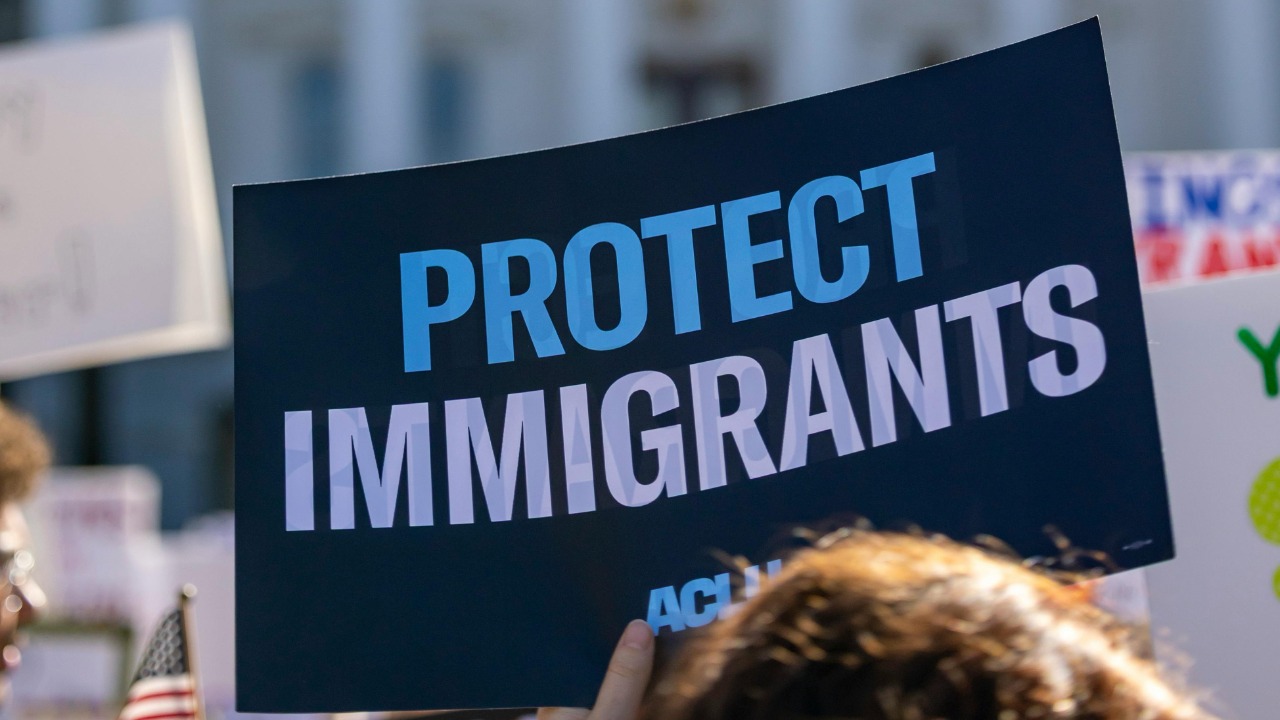
The administration has tied the new pause to concerns that some future immigrants will rely on public benefits in the United States. That language builds on a longer-running policy fight over the meaning of public charge in immigration law. Traditionally, those determinations turned on individual evidence such as age, health, financial resources, education, and affidavits of support.
The newer approach goes further by using nationality as a screening proxy before a visa is even issued. The AP also reported that a State Department cable instructed consular officers to scrutinize nonimmigrant visa applicants for possible reliance on public benefits and to require more financial proof when necessary. That reporting suggests the immigrant visa pause is not an isolated rule, but part of a broader tightening in how economic self-sufficiency is being judged across visa categories. The distinction is that nonimmigrant visas continue to be processed, while immigrant visa issuance for nationals of the 75 listed countries is now subject to an indefinite stop.
Who is affected, and who is not

The people hit hardest are those seeking permanent residence from abroad. Spouses, parents, and children in family-based categories can be left waiting even after an approved petition. Employment-based applicants who expected to immigrate permanently may have to stay on temporary options, if those are available at all. Diversity visa selectees face an even harsher problem because their opportunity is tied to a fixed fiscal year.
A prolonged freeze can wipe out eligibility altogether. By contrast, nonimmigrant visas such as tourist, student, and many temporary work categories are not covered by this 75-country immigrant visa issuance pause. That split creates a strange imbalance. A person may still be able to study or work in the United States on a temporary basis, but have no viable path to complete an immigrant visa case that would allow permanent settlement.
Why the rollout has been so disorienting
Part of the confusion comes from the way consular systems work in practice. Policy is set in Washington, but implementation happens through embassies and consulates spread across the world. Some posts move quickly to update websites and explain changes. Others provide little more than generic notices. Applicants often learn their case is stalled through a short email or the absence of movement in a scheduling system they have been tracking for months. That uncertainty is one reason the article needs to be precise about what has and has not changed.
The government has not said that every affected case disappears. It has said visa issuance is paused. But for applicants whose lives depend on the final document, that can feel like the same thing. It is the difference between being allowed to keep standing in line and being told the window will not open.
What comes next for applicants
For now, options are limited. Dual nationals may want to confirm whether they can lawfully proceed under a different passport. Families in adoption proceedings may be able to pursue a national interest exception. Everyone else is left watching for updates from the State Department and from the specific embassy or consulate handling the case. That is what makes this policy so consequential.
It does not just add another document request or a longer wait time. It changes the value of reaching the last stage of consular processing at all. Until the administration narrows the rule, courts intervene, or the State Department issues new operational guidance, thousands of applicants could remain suspended between formal eligibility and actual admission to the United States.