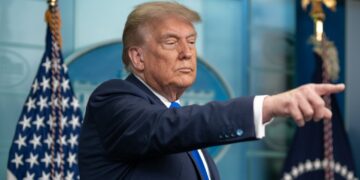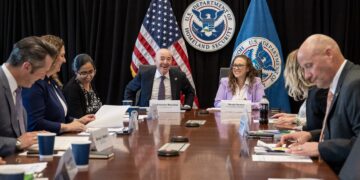
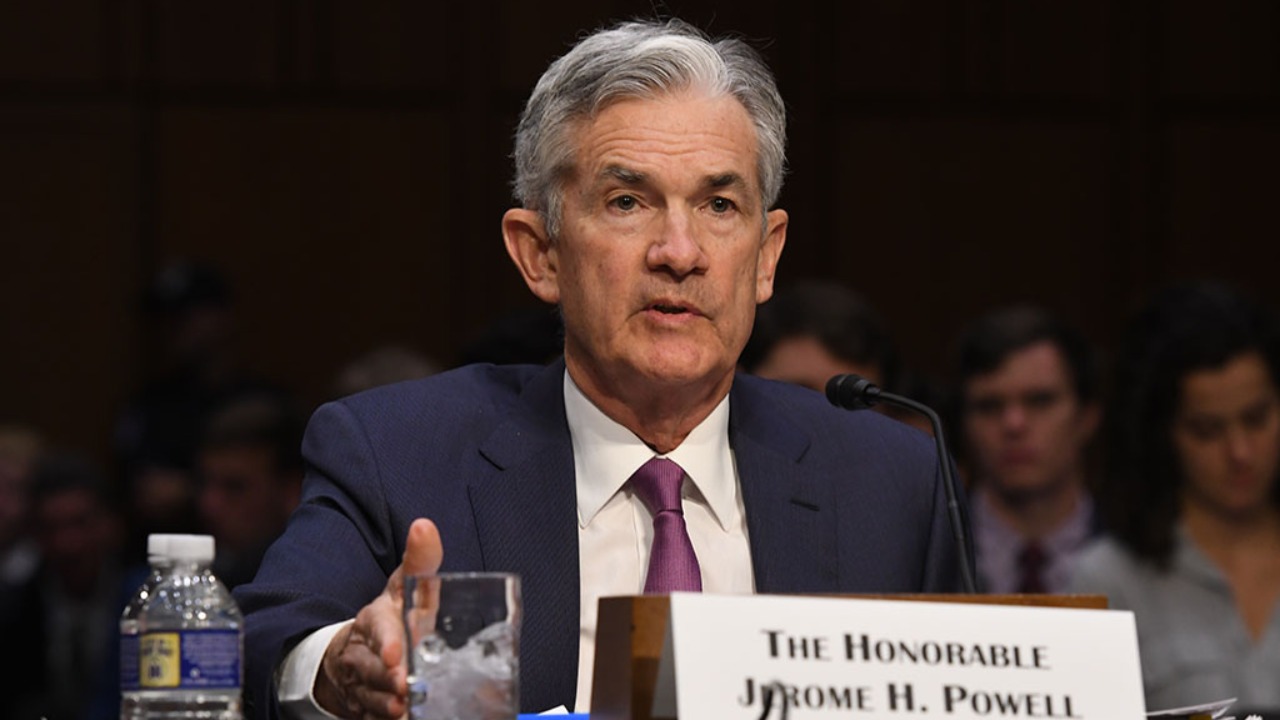
A rare joint warning from some of the most prominent names in U.S. economic policymaking has turned a dispute over building renovations into a much bigger fight over the future of the Federal Reserve. Former Federal Reserve chairs and Treasury secretaries from both parties have condemned the Justice Department’s criminal investigation into Fed Chair Jerome Powell, arguing that the case risks turning prosecutorial power into a tool for pressuring an independent central bank. What began as scrutiny of a costly renovation project at the Fed’s Washington headquarters has quickly become a test of whether the White House can use legal threats to influence interest-rate policy.
Subpoenas turn a long-running feud into a direct institutional clash
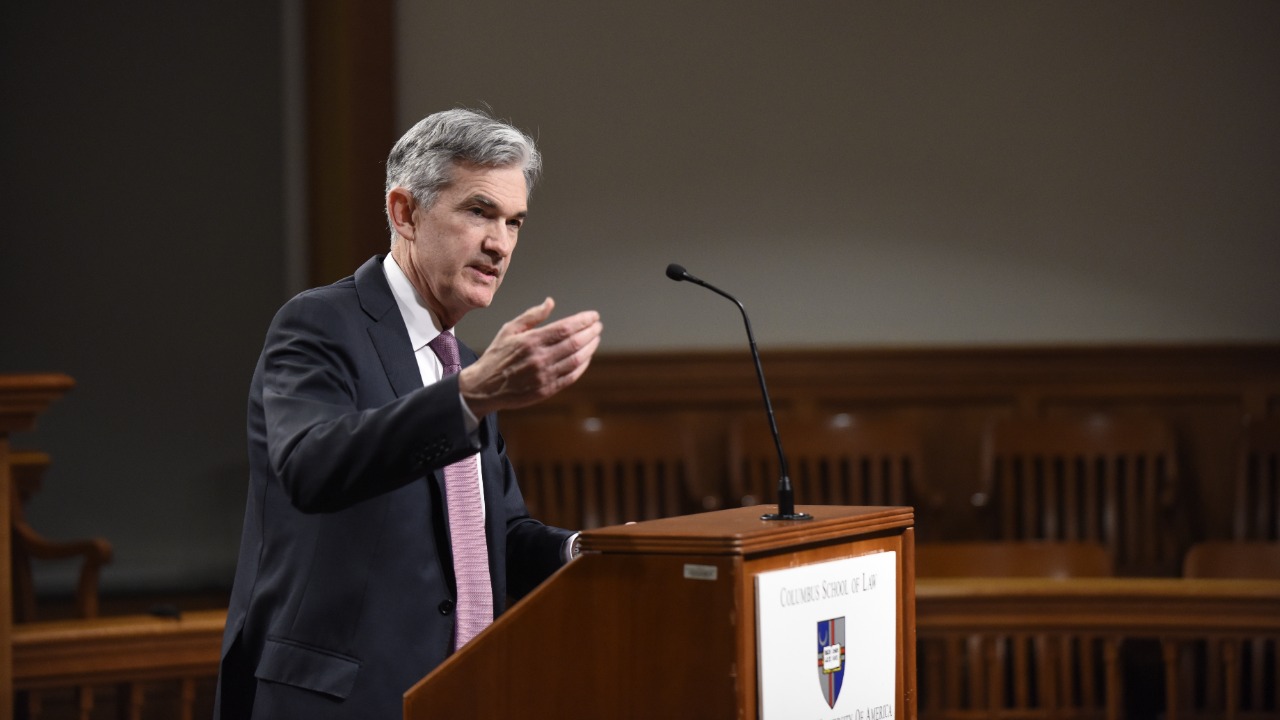
The standoff escalated when Powell disclosed that the Federal Reserve had received grand jury subpoenas and had been threatened with possible criminal charges tied to his congressional testimony about the central bank’s building renovation project. In a public response, Powell rejected the allegations and argued that the investigation was unfolding amid sustained White House pressure for lower interest rates.
The Associated Press reported that Powell described the investigation as a threat to the institution itself, while Reuters reported that the probe was approved by then-U.S. Attorney Jeanine Pirro, according to sources familiar with the matter. Trump had repeatedly attacked Powell over interest rates long before the subpoenas emerged, and critics of the probe argue that sequence is impossible to ignore. A criminal investigation aimed at a sitting Fed chair is extraordinary on its face. Coming after months of public demands for rate cuts, it has alarmed investors, lawmakers, and former officials who see a direct attempt to bend monetary policy through intimidation rather than persuasion.
Why the statement from former officials matters
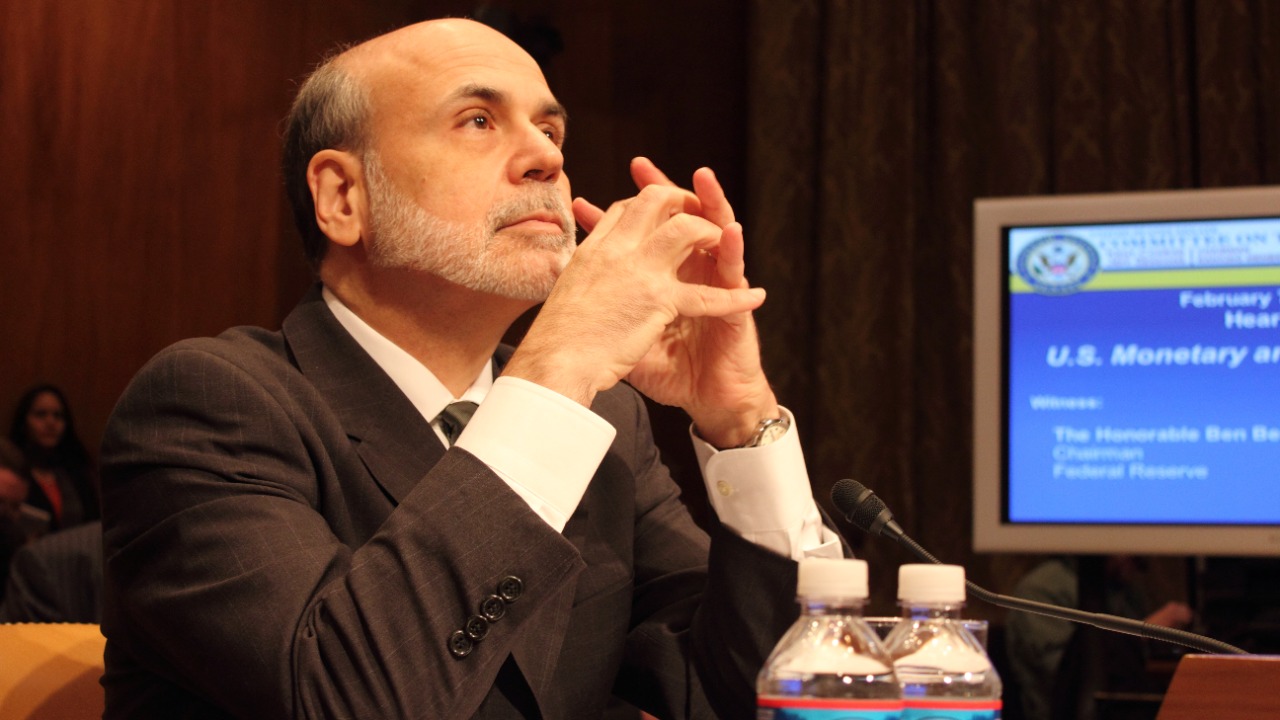
The response from past policymakers was striking not only for its substance but for the fact that it happened at all. Former Fed chairs and Treasury secretaries do not typically intervene in live disputes involving the current chair. Their silence is usually part of the tradition that protects the institution from appearing like just another political faction in Washington.
AP reported that the statement was signed by former Fed chairs Ben Bernanke, Janet Yellen, and Alan Greenspan, along with former Treasury secretaries Henry Paulson and Robert Rubin. Reuters described the group’s message as a denunciation of an “unprecedented assault” on the central bank. Their concern goes beyond Powell personally. The signers warned that if prosecutors can be used to target a Fed chair during a disagreement over interest rates, future central bankers may conclude that unpopular decisions carry not just political costs but legal peril. That would weaken the institution long after this particular fight ends.
Warren argues the investigation cannot be separated from rate pressure
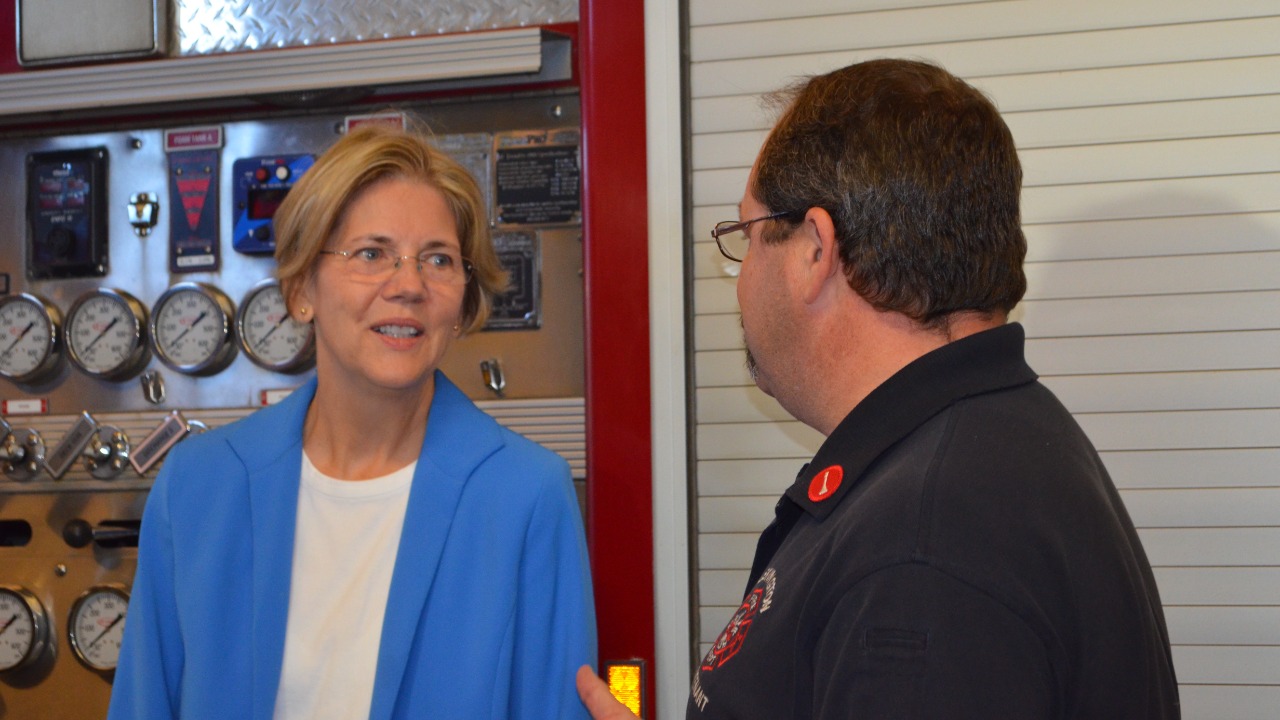
Sen. Elizabeth Warren has pushed the issue further, framing the Powell investigation as part of a broader campaign to subordinate the Fed to presidential preferences. In a letter to Trump, the Massachusetts Democrat pointed to comments from Treasury Secretary Scott Bessent suggesting that DOJ investigations are “up to the President,” a remark that immediately deepened concerns among Powell’s defenders. Warren’s letter argues that the timing of the probe, paired with Trump’s long-running attacks on Powell and demands for lower rates, creates the appearance of a pressure campaign rather than a neutral inquiry. Reuters later reported that Warren specifically sought answers about whether the White House had influenced the Powell investigation and a separate matter involving Fed Governor Lisa Cook. Even if prosecutors insist they are examining testimony and project disclosures on the merits, the investigation does not exist in a vacuum. It arrived in the middle of a high-profile effort by Trump to force a more accommodative interest-rate stance, and that context has become inseparable from the legal fight.
The renovation project is expensive, but the public record is more complicated than the political rhetoric
The Fed renovation has been easy for critics to caricature because the price tag is large and the project involves two historic Washington buildings. But the official record complicates any simple waste narrative. The Fed’s project FAQ says the work includes replacing outdated electrical, plumbing, heating, and cooling systems, as well as removing hazardous materials such as asbestos and lead. The central bank has also said some features that drew attention were either eliminated or mischaracterized. Among the details the Fed has emphasized: no new VIP dining room is being built, proposed new water features were dropped, and the much-discussed “garden terrace” refers to a landscaped area associated with the site rather than a luxury rooftop retreat.
Those explanations matter because they undercut the most politically potent image of the project as a vanity renovation for senior officials. The project also moved through the National Capital Planning Commission process. NCPC records show the commission approved final site and building plans after earlier reviews, giving the Fed a documented regulatory pathway for the renovation.
Republicans are not fully united on how far the case should go
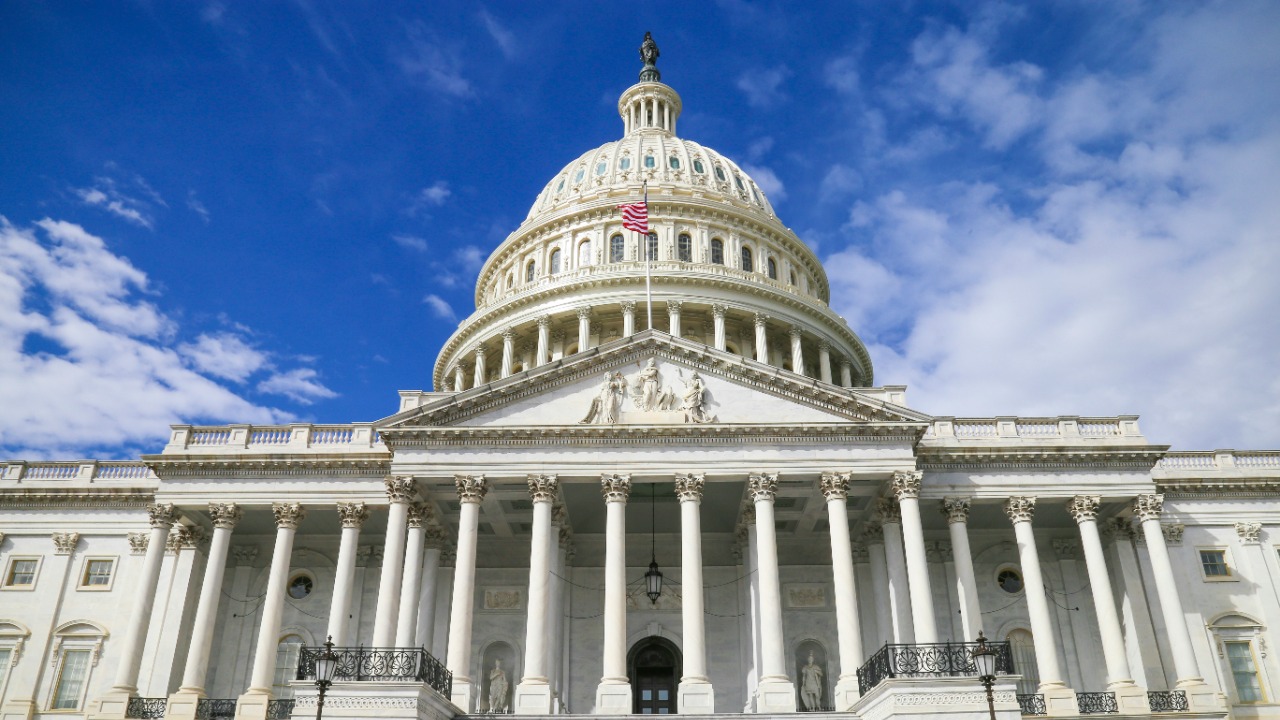
Although the White House has kept up its attacks on Powell, the Republican response on Capitol Hill has not been uniform. Some lawmakers have defended aggressive scrutiny of the Fed, arguing that powerful institutions should answer tough questions when billions of dollars are involved. But others have stopped short of endorsing the idea that Powell clearly broke the law.
Reuters reported that Sen. Tim Scott said he did not believe Powell had broken any laws, while Sen. Thom Tillis said he would block movement on a nomination for Powell’s successor until the investigation was resolved. At the White House, however, the tone has been sharper. Press secretary Karoline Leavitt publicly attacked Powell’s performance while leaving the legal question to the Justice Department.
What is really at stake for the Fed
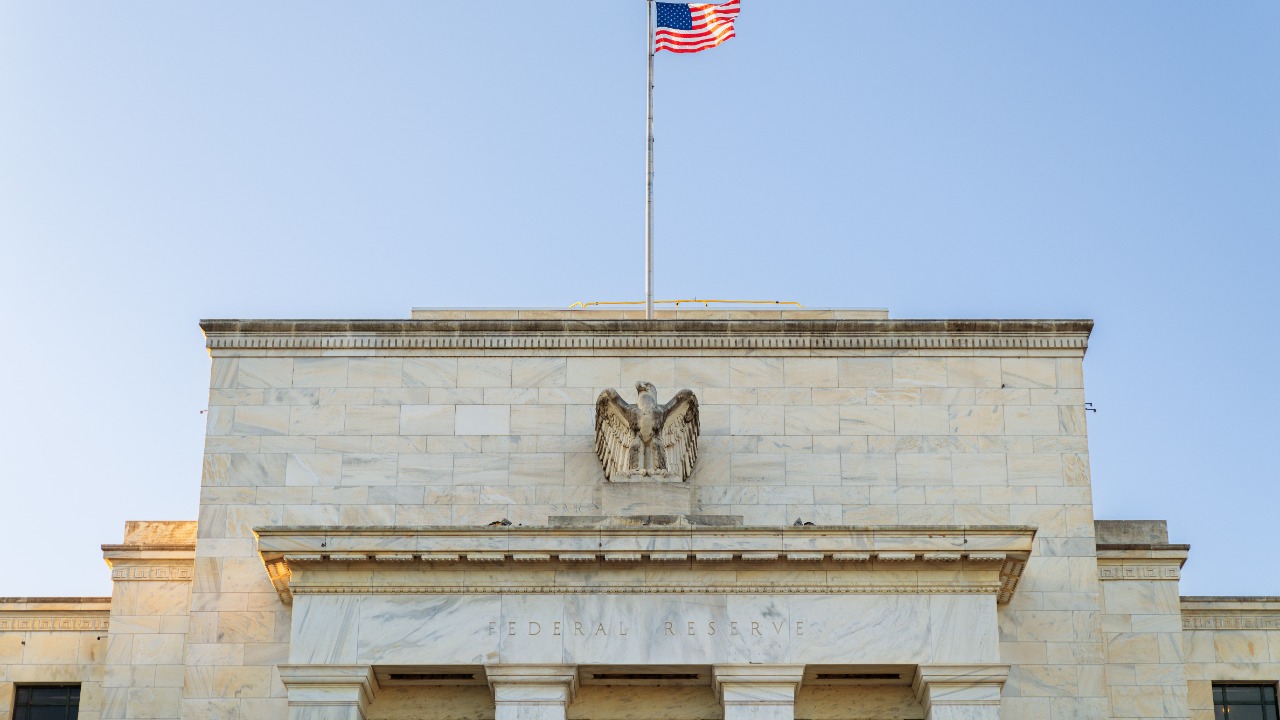
The lasting significance of this episode has little to do with concrete, marble, or landscaping. It is about whether markets and the public still believe the Federal Reserve can make interest-rate decisions based on inflation, employment, and financial conditions rather than presidential pressure. Central bank independence in the United States has never meant total isolation from politics.
Presidents regularly complain about the Fed, and Congress regularly questions its choices. But threatening a sitting chair with criminal jeopardy while pressing for lower rates crosses into different territory. If that becomes normal, future Fed leaders may calculate not just the economic consequences of their decisions but the personal legal risk of defying the White House.
A central bank seen as vulnerable to coercion is less credible when it tries to control inflation, calm markets, or respond to crisis. For Powell’s defenders, the real issue is not whether the renovation deserves scrutiny. It is whether scrutiny has become a pretext for control.