
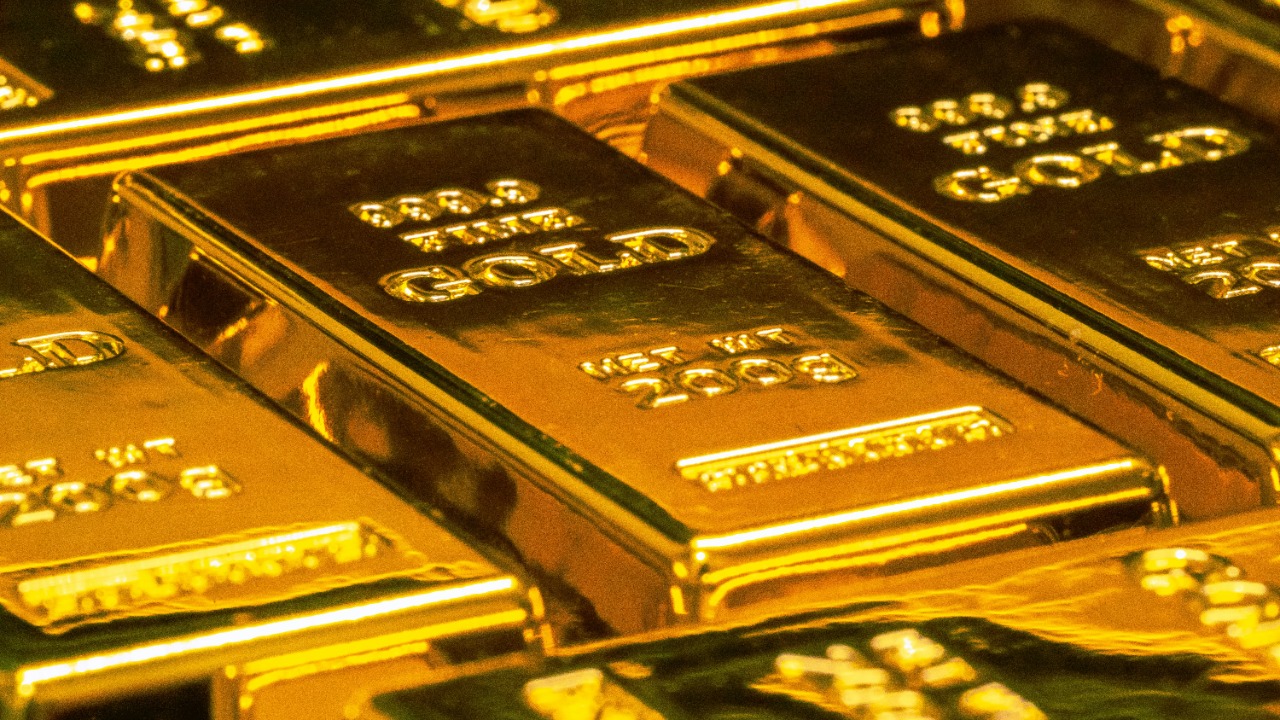
Gold’s sprint higher reached another historic milestone as investors poured into the metal, sending prices to fresh records and reinforcing its status as the market’s preferred shelter when confidence elsewhere starts to wobble.
The move did not come from a single catalyst. It reflected a stack of anxieties building at once: softer U.S. inflation data that strengthened the case for Federal Reserve rate cuts, renewed geopolitical strain, and a growing sense among investors that gold remains one of the few assets insulated from policy mistakes and financial instability. By the close of trading, the rally had become less about a headline number and more about what that number said about the mood of the market
| Gold market snapshot | Level |
|---|---|
| Jan. 12 intraday high in spot gold | $4,563.61 per ounce |
| Jan. 13 intraday high in spot gold | $4,629.94 per ounce |
| Jan. 14 intraday record in spot gold | $4,639.42 per ounce |
Gold extended its record-setting run as safe-haven demand strengthened and investors looked ahead to lower U.S. interest rates.
From breakout move to full-blown rush

Gold’s sprint higher reached another historic milestone as investors poured into the metal, sending prices to fresh records and reinforcing its status as the market’s preferred shelter when confidence elsewhere starts to wobble.
The move did not come from a single catalyst. It reflected a stack of anxieties building at once: softer U.S. inflation data that strengthened the case for Federal Reserve rate cuts, renewed geopolitical strain, and a growing sense among investors that gold remains one of the few assets insulated from policy mistakes and financial instability. By the close of trading, the rally had become less about a headline number and more about what that number said about the mood of the market
Why this rally caught fire
The clearest near-term explanation came from inflation data. Softer-than-expected U.S. inflation reinforced expectations that the Federal Reserve could cut rates later in the year, a backdrop that tends to favor bullion because gold does not pay interest and becomes more attractive when yields are expected to fall.
That monetary-policy tailwind arrived on top of a risk backdrop that was already pushing capital toward defensive trades. Gold’s strength was also tied to geopolitical tensions and wider unease about the resilience of the global economy. It benefitted from both sides of the fear equation at once: lower expected rates made it easier to own, and a darker macro picture made investors more willing to pay for protection.
The buyer base is broader than a typical momentum trade

Another reason the rally has looked durable is that demand appears to be coming from multiple parts of the market. Exchange-traded funds have attracted strong inflows, central banks have remained steady buyers and retail investors have continued to treat pullbacks as buying opportunities rather than exit points.
A gold rally driven only by leveraged futures traders can reverse quickly when sentiment shifts. A rally supported by ETF inflows, reserve managers and individual buyers tends to have a more stable floor. The market is not being carried by one class of investor chasing a hot chart. It is being reinforced by buyers with different time horizons and reasons for owning the metal.
It is a different market structure from a short squeeze or a one-day panic bid, suggesting gold is being accumulated not just as a tactical trade, but as a strategic holding.
What futures and volatility are saying
The futures market has also been flashing a useful signal. Bullion’s strength has not been limited to the spot market. Traders in gold futures have continued to price the metal aggressively, indicating the rally is being taken seriously across the market rather than dismissed as a fleeting spike.
At the same time, volatility has become part of the story. Sharp moves at record levels tend to force more caution from traders, exchanges and portfolio managers, especially when markets are trying to digest both macroeconomic data and political risk at once. For professional investors, that serves as both a validation and a warning. The validation is clear: gold is attracting institutional attention. The warning is that record highs reached in a compressed time frame can produce sudden pullbacks even within a broader uptrend.
What it means beyond the gold pit

Gold at these levels is not just a commodities story. It is a message from the market about trust, or the lack of it. Investors do not crowd into a non-yielding metal at record prices because conditions feel stable. They do it because they are looking for insulation from a world that is harder to price.
That does not mean gold rises indefinitely from here. History shows that record highs in precious metals are often followed by sharp corrections, long consolidations or both. Bullion can protect capital during periods of stress, but it can also swing sharply when sentiment shifts and buyers decide the panic has eased.
Still, the broader takeaway is hard to ignore. Gold’s surge toward $4,640 an ounce shows how quickly investor preferences can shift when policy expectations, geopolitical stress and market psychology move in the same direction. The headline number draws attention, but the more important point is what sits underneath it: a market paying a premium for protection, and doing so with unusual urgency.