

Valentino Garavani, the Italian couturier whose name became synonymous with red-carpet glamour, has died at 93.
His death marks the end of a career that helped define modern elegance in fashion. Valentino was known for refined, meticulously crafted gowns that became fixtures at major public events, worn by movie stars, royalty and first ladies.
For decades, he held a prominent place in the industry, maintaining a consistent design identity across changing trends. His work emphasized clean lines, rich color, particularly his signature red ,and precise tailoring.
In an industry often driven by rapid shifts and experimentation, Valentino built a reputation on discipline, consistency and craftsmanship, establishing one of the most recognizable brands in global fashion.
A designer who made glamour feel permanent

Born in Voghera, Italy, Valentino Garavani trained in Paris before returning to Rome, where he founded the fashion house that became one of the most prominent names in luxury design.
Over time, he came to represent a distinctly Italian aesthetic, elegant, structured and rooted in craftsmanship. Vogue traced his rise from student to internationally recognized designer, while The Associated Press noted the breadth of his clientele, which included royalty, first ladies and leading figures in film. His gowns became fixtures at major events, known for their ability to stand out while maintaining a sense of restraint and balance.
The color that became a calling card
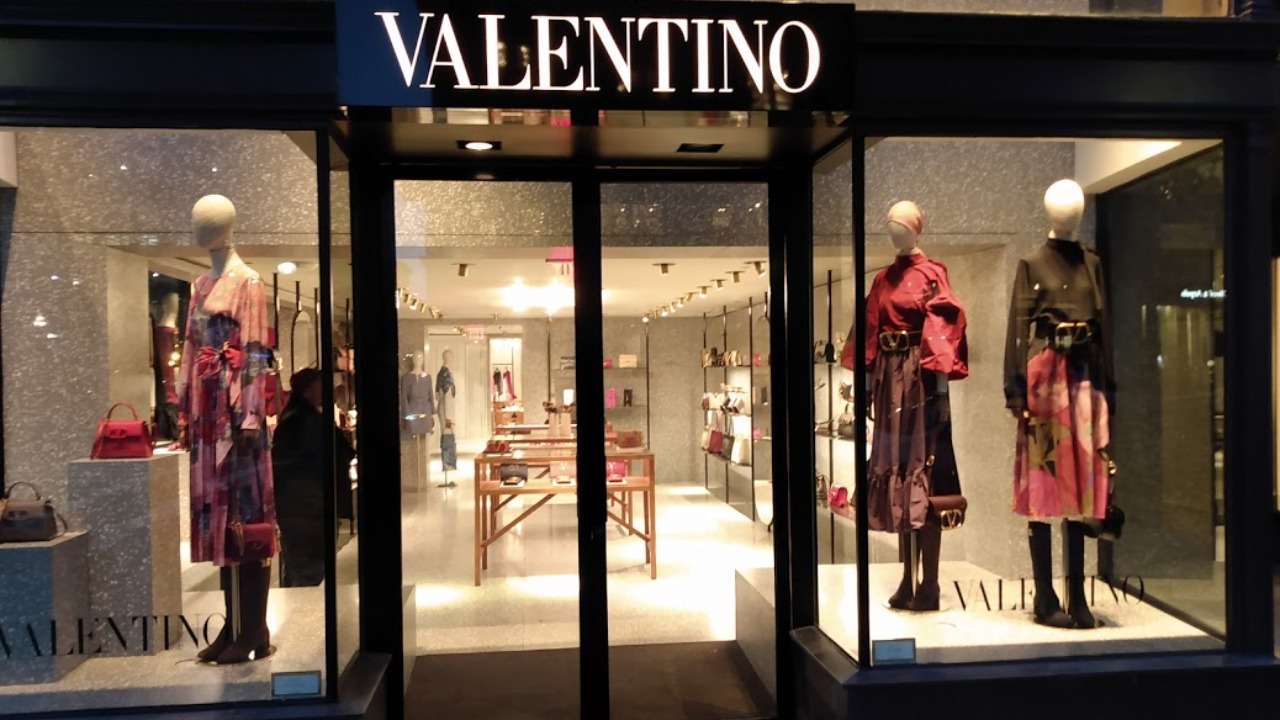
Few designers were as closely associated with a single visual element as Valentino Garavani was with red. The rich shade known as “Valentino red” became one of the most recognizable signatures in fashion, giving the house a distinct and consistent identity.
That consistency also had commercial value. Well before luxury brands emphasized logos and visual codes, Valentino had established a recognizable aesthetic that set his designs apart. A red Valentino gown was often immediately identifiable, reflecting both the designer’s artistic approach and the brand’s enduring image.
Hollywood’s longest-running red-carpet alliance
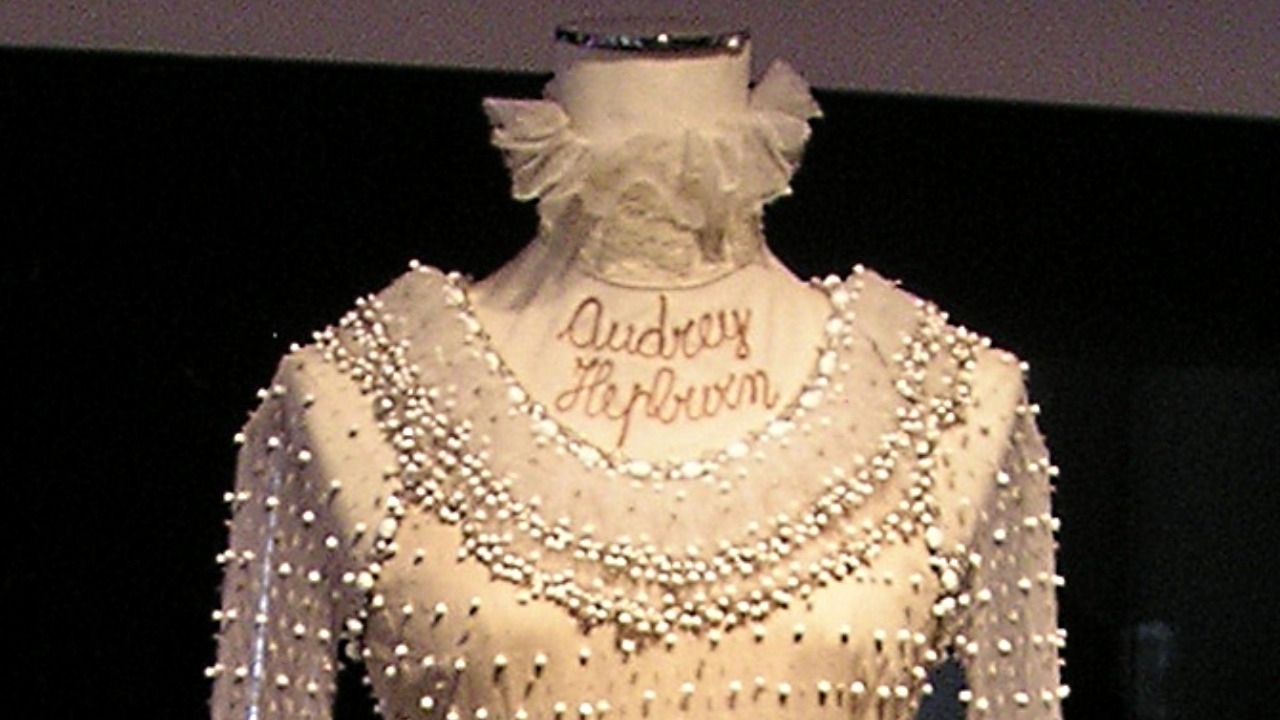
A defining thread in Valentino Garavani’s career was his enduring presence in Hollywood. His gowns were worn by generations of actors, spanning the era of studio-era glamour through the age of global awards shows and digital celebrity.
His clientele included Audrey Hepburn, Elizabeth Taylor, Julia Roberts, Cate Blanchett and Anne Hathaway, among others. The Associated Press and Vogue both noted how closely his work was tied to the film industry’s most visible figures.
Beyond name recognition, Valentino became known for consistency. His designs were frequently chosen for major public appearances because they combined visual impact with ease of movement and strong photographic presence.
That reliability helped distinguish his work from more trend-driven labels, contributing to a long-standing role in red-carpet fashion.
Rome’s farewell reflected his stature
The response in Rome reflected Valentino Garavani’s stature beyond fashion. His foundation announced his death and organized a public viewing at its headquarters, allowing admirers as well as industry figures to pay their respects.
The funeral at the Basilica di Santa Maria degli Angeli e dei Martiri drew leading figures from fashion alongside members of the public, according to The Associated Press. Anne Hathaway was among those in attendance.
Many mourners wore red, a nod to the designer’s signature color.
More than celebrity dressing
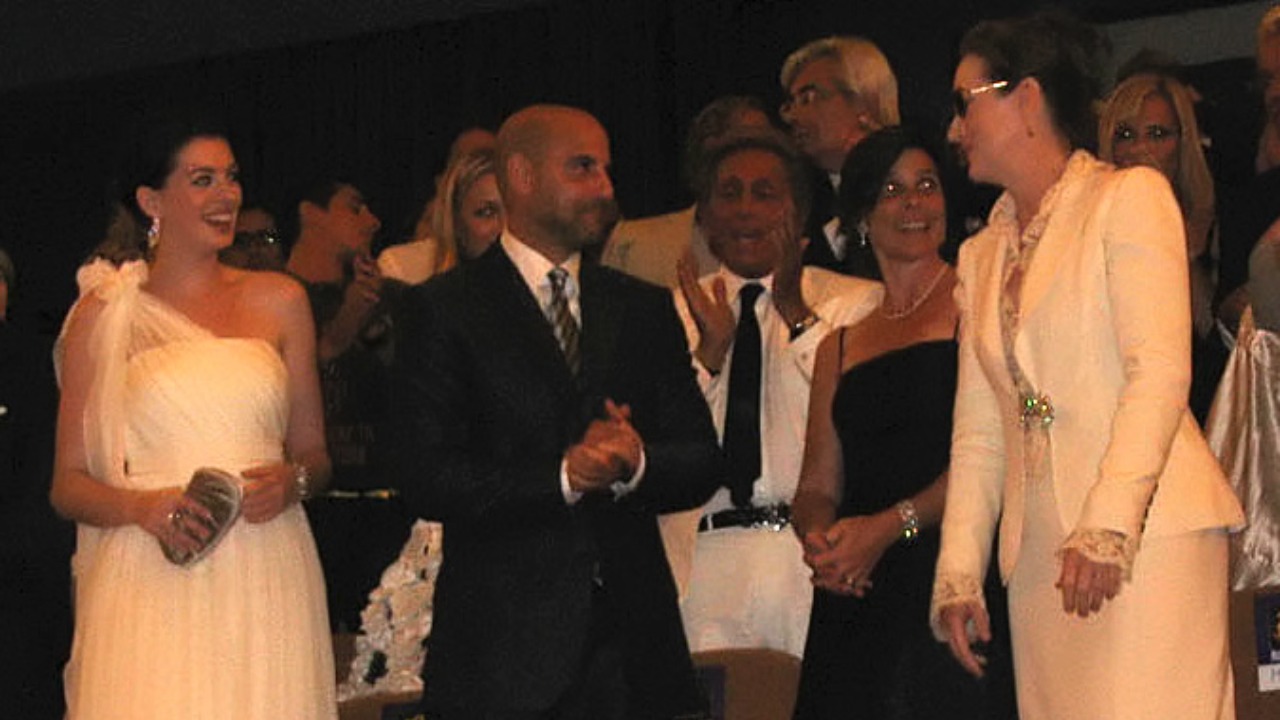
Valentino Garavani’s legacy will be reflected in widely recognized images, red-carpet appearances and the clients who wore his designs at major public moments. His broader influence, however, extended to how a fashion house could maintain a consistent identity over time.
He demonstrated that global growth did not require frequent reinvention of a brand’s visual language. Instead, his work emphasized continuity, craftsmanship and refinement.
That approach contrasts with an industry often defined by rapid change and evolving trends. Valentino built a design framework that remained recognizable across decades, supported by meticulous construction and attention to detail.
He also represented a traditional couture philosophy, centered on proportion, balance and handwork, with garments tailored to the individual wearer.
That combination of consistency and craftsmanship helped sustain the relevance of his work beyond individual collections, contributing to a lasting presence in the fashion industry.
The kind of loyalty fashion cannot fake
Valentino Garavani’s influence is likely to endure beyond individual collections or moments in fashion. While the industry continues to evolve, his career was defined by long-term relationships with clients and a consistent design approach that drew repeat trust.
He built a reputation through craftsmanship and reliability, with work that resonated across generations of wearers and audiences.
His death marks the loss of a designer whose work helped shape modern standards of elegance and red-carpet fashion.