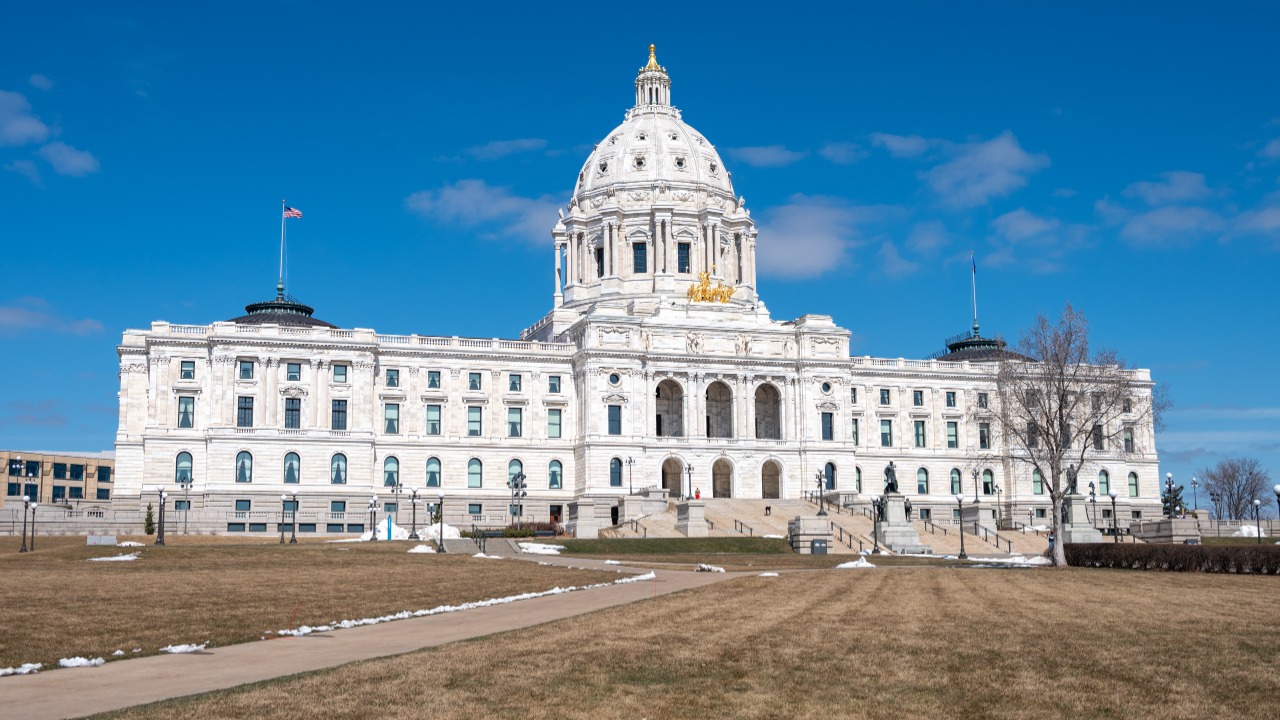
Federal prosecutors have served grand jury subpoenas on five prominent Minnesota Democratic leaders as part of a criminal investigation into whether opposition to the Trump administration’s immigration crackdown in the Twin Cities crossed into obstruction. The offices of Gov. Tim Walz, Attorney General Keith Ellison, Minneapolis Mayor Jacob Frey, St. Paul Mayor Kaohly Her, and Hennepin County Attorney Mary Moriarty were all pulled into the widening federal inquiry.
The subpoenas mark a major escalation in a fight that had already consumed Minnesota politics and spilled into the courts. What began as a bitter clash over aggressive immigration enforcement, public safety, and local control had moved onto riskier ground, with federal prosecutors seeking records from some of the state’s highest-profile elected officials.
Grand jury subpoenas raise the stakes
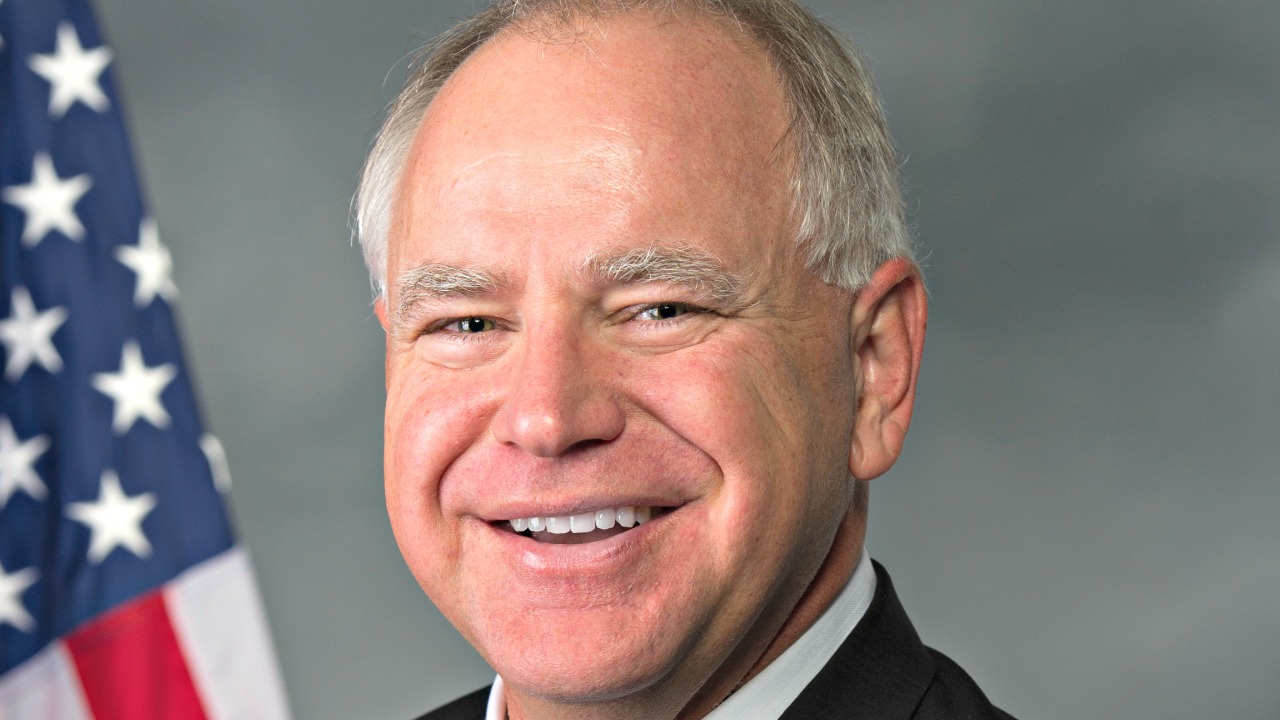
Reuters reported that the Justice Department served subpoenas on multiple Democratic offices, including Walz, Ellison, Frey and Her, while examining whether public opposition to the administration’s enforcement surge amounted to criminal conduct. The Associated Press similarly reported that federal prosecutors were investigating whether Minnesota officials obstructed or impeded law enforcement during the sweeping operation in the Minneapolis-St. Paul area.
A dispute that might normally play out as a lawsuit over federal power, preemption, or civil rights was instead being framed by prosecutors as a potential obstruction case. The story turned from a standard state-versus-federal clash into something much more serious for the officials involved, even though subpoenas do not mean charges have been filed. Frey responded by casting the move as an effort to intimidate local leaders for defending city residents and local law enforcement priorities. Walz struck a similar tone, arguing that the administration was using federal power to pressure political opponents rather than simply enforce immigration law.
A crackdown that already had Minnesota on edge
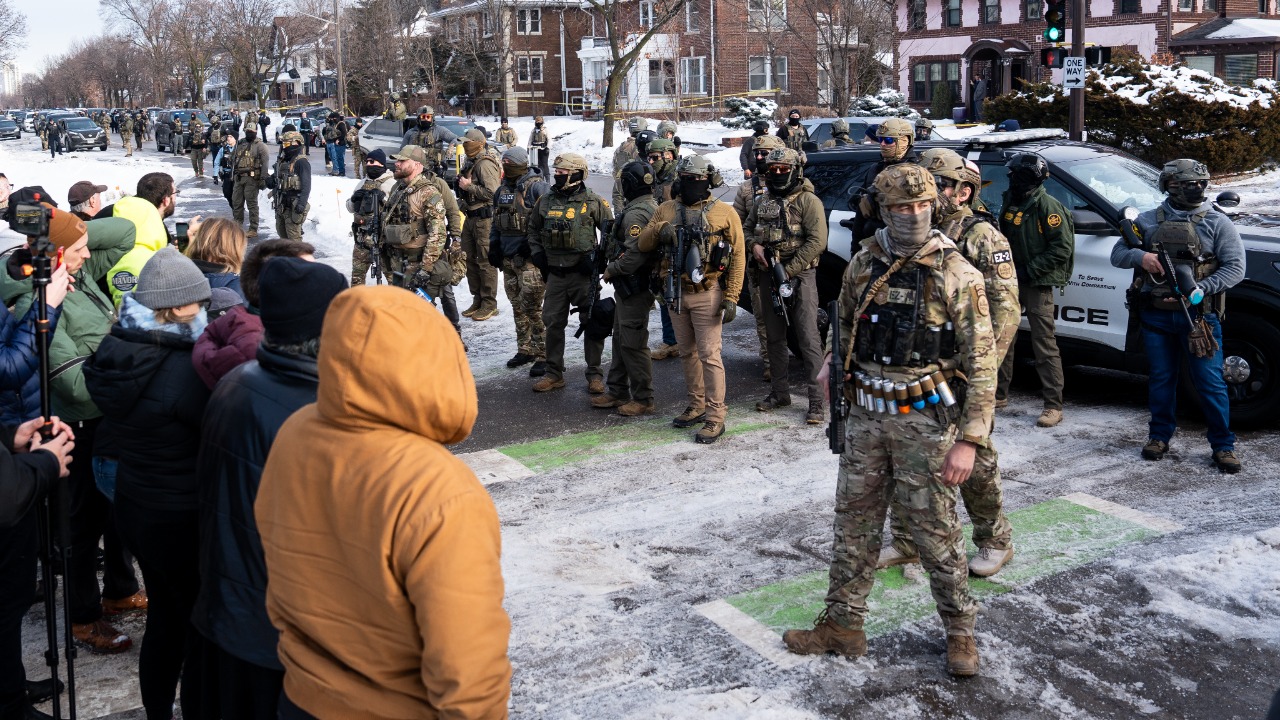
The subpoenas followed weeks of unusually aggressive federal immigration operations in and around Minneapolis, where large numbers of Immigration and Customs Enforcement and Border Patrol personnel were deployed in a concentrated enforcement push that triggered protests, legal challenges, and accusations of civil-rights abuses.
Reuters previously reported that Minnesota sued the Trump administration over that surge, arguing that federal officers were using unconstitutional tactics and targeting communities in ways that sowed fear. State and local officials framed the lawsuit as an attempt to defend residents’ rights and restore limits on how the operation was being carried out. Tensions rose further after reports that a U.S. citizen had been detained at gunpoint during one of the enforcement actions. Incidents like that quickly became rallying points for critics who argued the crackdown was indiscriminate and damaging public trust, especially in immigrant neighborhoods where fear of federal agents was already running high.
The fight over city property added to the confrontation

One of the most important local flashpoints involved how federal agents used municipal property in St. Paul. Before the subpoenas were served, city leaders had already challenged federal enforcement tactics on that front. On Dec. 19, the city issued a formal cease-and-desist letter demanding that federal authorities stop using city-owned parking lots for immigration operations without authorization. In that letter, St. Paul officials said federal agencies had staged vehicles and personnel on municipal property without the city’s consent, describing the practice as unlawful and warning that legal remedies could follow if it continued.
The dispute showed the conflict had already moved beyond rhetoric and into a direct struggle over local authority, access, and the limits of federal power on city-controlled land. That issue would later become more formalized through St. Paul legislation restricting how city property could be used for immigration enforcement activity. But for this story, the earlier cease-and-desist clash is the cleaner and more immediate sign of how tense the standoff had already become before prosecutors escalated matters with subpoenas.
Minnesota’s lawsuit was already facing headwinds
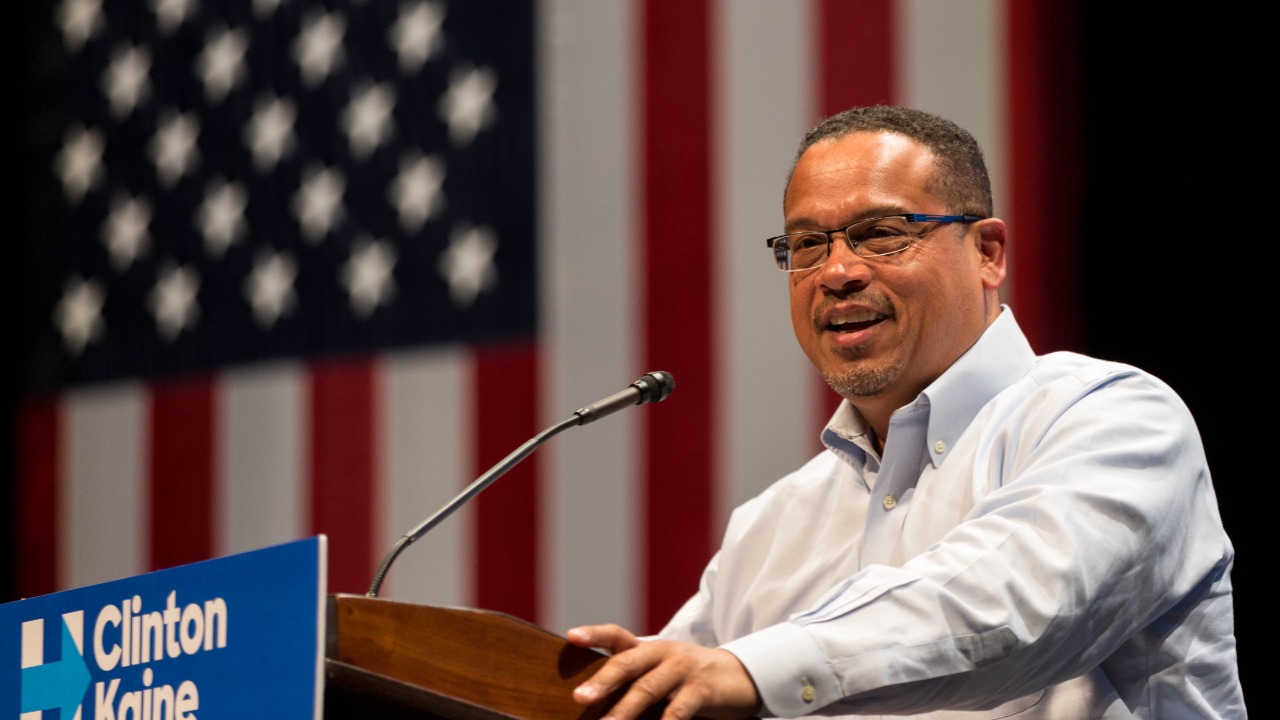
The subpoena fight also unfolded while Minnesota officials were trying to push back in civil court. Ellison, joined by Minneapolis and St. Paul, had already challenged the federal surge, accusing the administration of overreach and unlawful tactics. The case became the state’s main legal vehicle for contesting the crackdown even as the criminal investigation turned attention toward the officials resisting it. That effort was not producing immediate relief. Reuters later reported that a federal judge declined to halt the immigration operation while the lawsuit moved forward, allowing the enforcement surge to continue. The result left Minnesota Democrats in a difficult position: their bid to restrain the operation in court was faltering just as their own conduct was being examined by a grand jury.
Why the Minnesota fight matters nationally
The broader significance of the subpoenas lies not just in who received them, but in what they suggest about the administration’s strategy. Rather than limiting the conflict to lawsuits over local policies, prosecutors were testing whether opposition itself could be examined through the lens of criminal obstruction.
That carries obvious implications beyond Minnesota. If governors, attorneys general, mayors, and county prosecutors can be drawn into criminal investigations for resisting federal immigration operations, officials in other states may think more carefully before adopting similar protective measures or publicly challenging federal tactics. For now, none of the Minnesota officials has been charged. But the subpoenas alone altered the stakes. They placed the state’s top Democratic leaders under a federal microscope, deepened an already volatile fight over immigration enforcement, and signaled that the clash was no longer only about policy. It was also about whether resistance itself could carry legal risk.