

President Donald Trump formally launched the Board of Peace at the Davos Congress Center, using a high-profile World Economic Forum appearance to introduce what the administration described as a new mechanism for conflict resolution beginning with Gaza. The event gave the White House the kind of diplomatic stage it wanted, with Trump presenting the body as a forum meant to help move from war diplomacy to reconstruction, security coordination and dispute settlement. But even as the launch created a strong visual of momentum, it also left unanswered questions about membership, authority and how closely the new institution will operate alongside existing United Nations structures.
Gaza was at the center of the launch
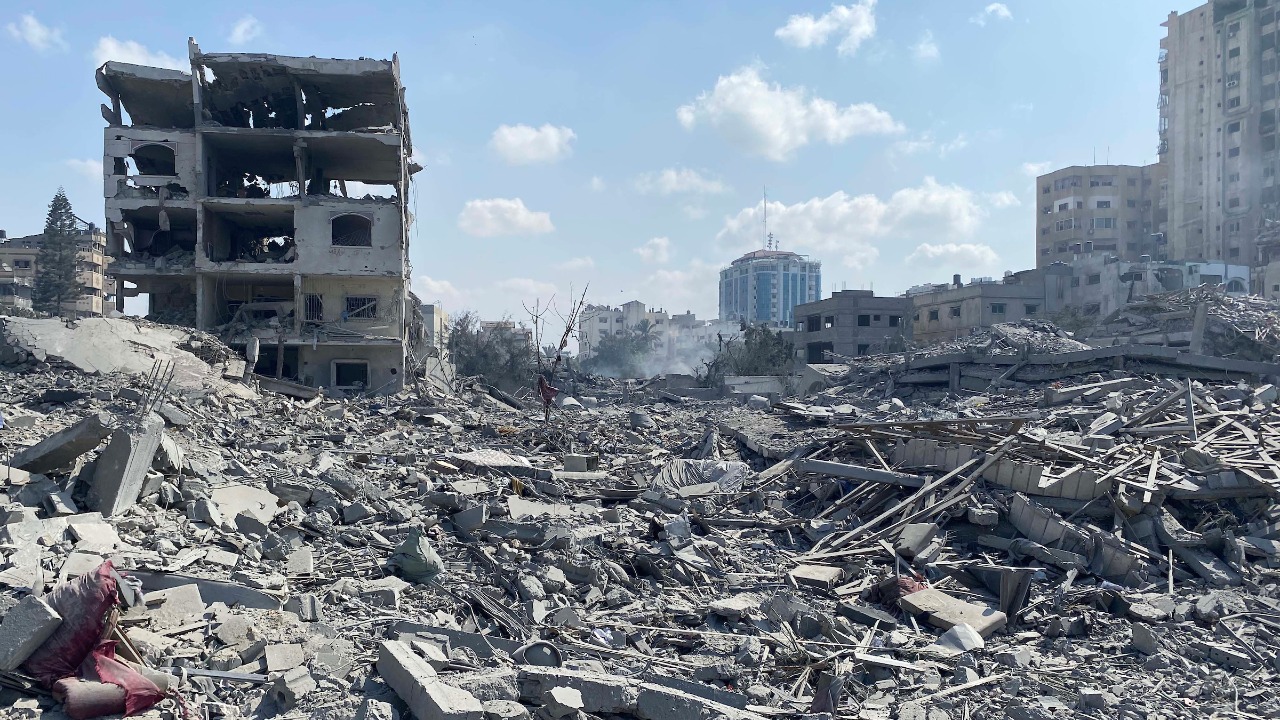
The White House said Trump ratified the Board of Peace charter in Davos and established the organization as part of an effort to create what it called a path to hope and dignity for Gazans.
By unveiling the initiative in Davos, the administration placed it before presidents, ministers, diplomats and business leaders already gathered for one of the world’s most visible annual policy meetings. The choice of venue turned the launch into more than a procedural announcement. It became a display of intent, with the administration signaling that it wanted the Board to be seen as an institution with international weight from its first day.
The White House cast the charter as part of a broader push to help stabilize Gaza after the war, linking the Board to security, humanitarian recovery and long-term rebuilding. That gave the launch immediate geopolitical relevance, especially because the administration was not introducing the body as an abstract future forum. It was introducing it with Gaza as its first practical test.
The United Nations link gives the project its legal spine
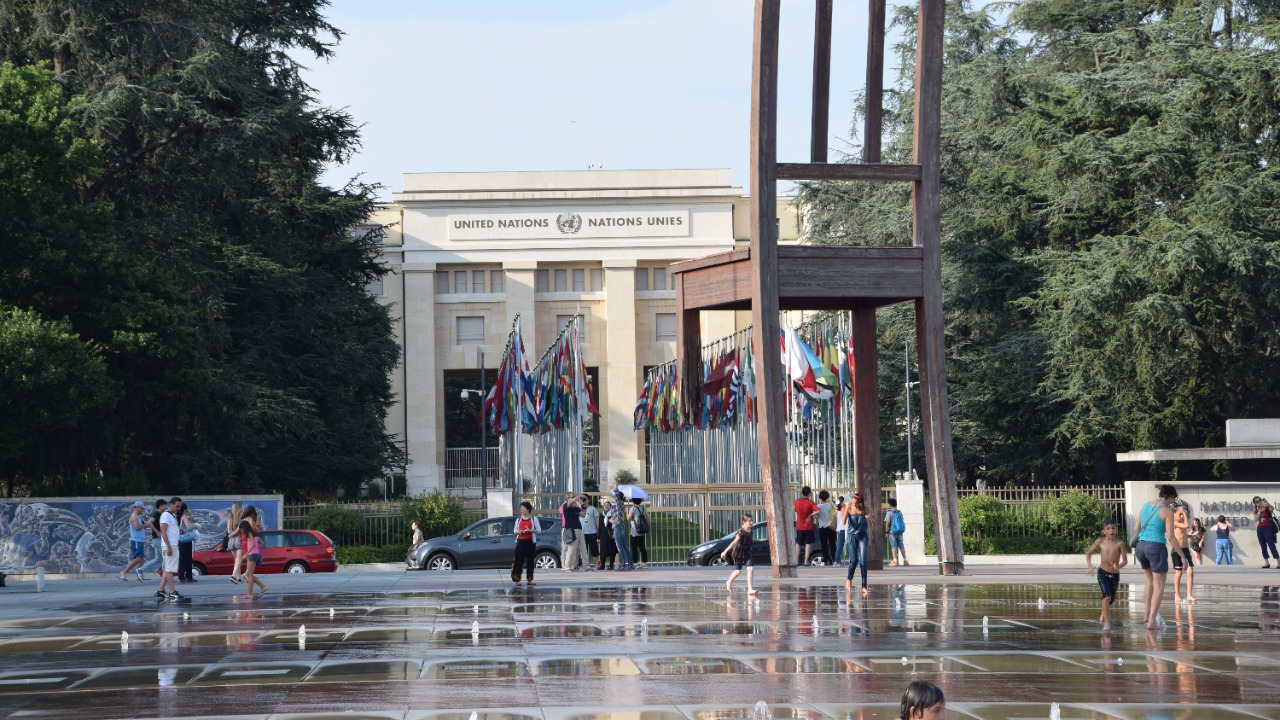
The administration’s strongest argument for legitimacy is that the Board of Peace was tied to U.N. Security Council Resolution 2803, which welcomed its establishment as part of the diplomatic framework around ending the Gaza conflict.
It allowed participating governments to argue that supporting the Board is not the same as abandoning the U.N. system. In practical terms, that linkage gives countries political cover. A government that wants to support postwar coordination in Gaza can point to the Security Council resolution and say it is working within an endorsed international process rather than signing onto a completely separate U.S. invention.
For the White House, that is a crucial distinction, because criticism of the Board has focused not only on what it may do in Gaza, but on whether it could grow into a parallel institution that reduces the influence of existing multilateral bodies. Reuters reported that some diplomats and analysts viewed the Board as a possible rival to the U.N., especially if it develops beyond Gaza and begins handling broader disputes, administrative matters or funding coordination outside the traditional U.N. process.
Membership was a selling point, but also a question mark
One of the central impressions the administration wanted from Davos was breadth. The launch was presented as an international effort, not a bilateral or purely American project. But the public documentation around who exactly joined, when they joined and in what form was less clean than the event’s staging suggested. Reuters said 35 countries had signed up to the Board of Peace, while also reporting that several major U.S. allies remained cautious and that the exact shape of the coalition was still coming into focus.
Later reporting from Time showed that a little over two dozen countries had publicly joined by the time of the Board’s first official meeting, underscoring that the membership picture remained fluid after the Davos launch. It is not a minor distinction. For a body that claims to help resolve disputes and coordinate postwar governance, legitimacy depends on more than optics. It depends on clear participation, durable commitment and confidence that the institution is not simply a Washington-led coalition wrapped in multilateral language.
Why allied hesitation matters
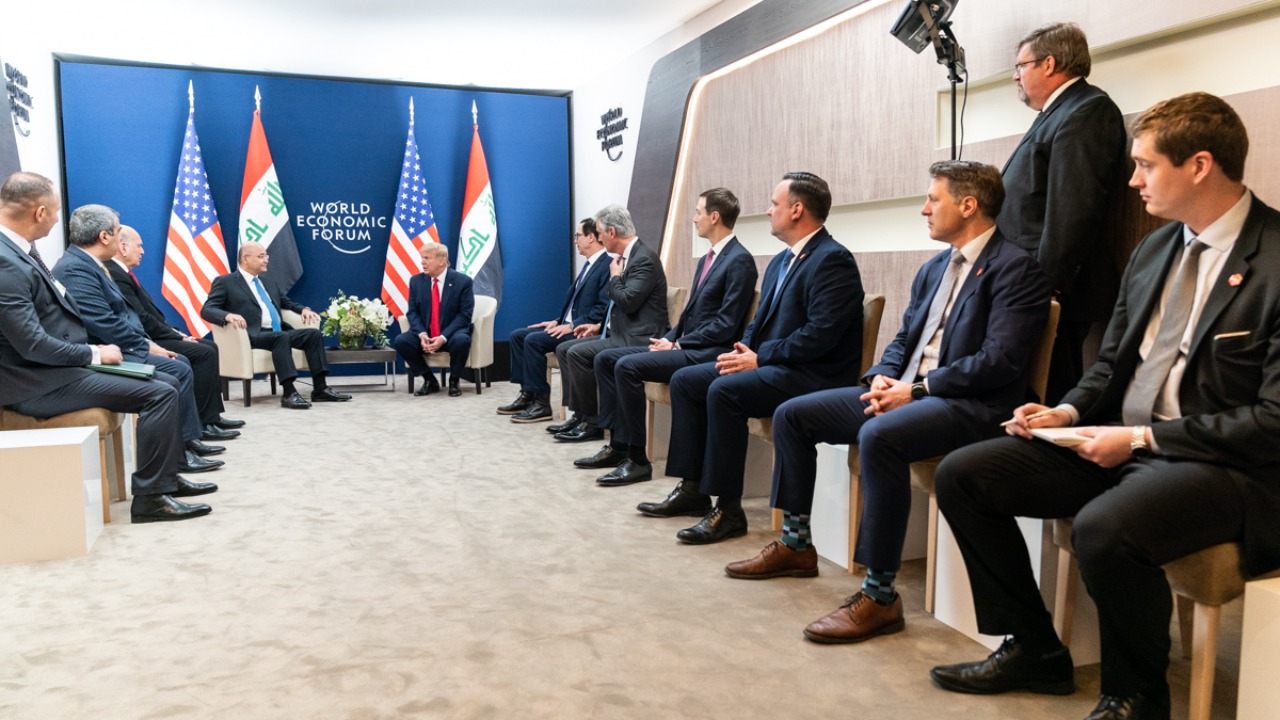
The countries that did not immediately embrace the project may end up being as important as those that did. Reuters reported that France declined to join and that Britain and China had not signed on at the time, while none of the other permanent members of the U.N. Security Council were part of the initiative then. Those countries are central players in the very system the Board is being accused of competing with.
If the Board grows with broad support across regions and political blocs, it may begin to look like a meaningful new diplomatic platform. If it remains concentrated among a narrower set of governments, it risks being seen as a coalition of convenience that carries less global legitimacy than its creators want to project. That is one reason the question of membership is not a side note. It goes directly to whether the institution can claim to speak and act with genuine international backing.
The launch was the easy part
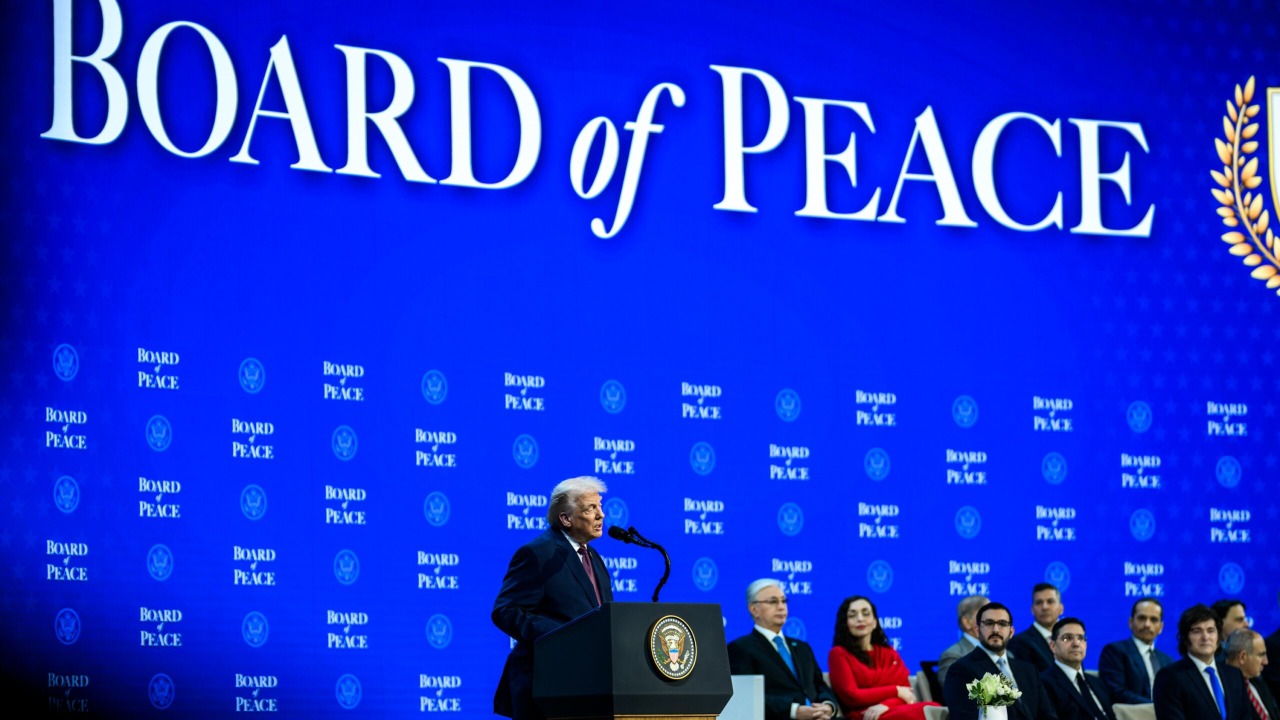
The Davos ceremony succeeded in one important sense. It made the Board of Peace real. It gave the administration a new institution, a public charter and a headline-grabbing diplomatic event tied to one of the world’s biggest policy stages. What it did not settle was whether the Board will actually perform better than the slower and more cumbersome structures it implicitly criticizes. For Gaza, that means future scrutiny will center on execution rather than ceremony. The test will be whether the Board can help produce credible reconstruction planning, clear oversight, stable security arrangements and sustained international cooperation without becoming a flashpoint in its own right.
Trump did not simply announce another initiative. He introduced a body that could reshape how the U.S. and its partners try to manage postwar reconstruction and conflict mediation. Supporters will argue that speed and clarity are exactly what Gaza needs. Critics will counter that institutions built too quickly and too narrowly can deepen mistrust rather than resolve it. For now, the Board of Peace stands as both a diplomatic launch and a political test. Davos provided the debut. The harder question, and the one that will decide whether this project is remembered as a breakthrough or a bypass, is what follows next.