Israeli forces have recovered the remains of Master Sgt. Ran Gvili, the last hostage still held in Gaza, bringing to a close one of the final unresolved cases from the October 7, 2023 attack and clearing the way for the next phase of the ceasefire process. Gvili, an Israeli police officer, was killed during the Hamas-led assault on southern Israel and his body was taken into Gaza. Israeli authorities later confirmed that his remains were recovered in northern Gaza and identified after a military operation that ended a wait of more than two years for his family and for a country that had turned the hostage issue into one of the war’s most emotionally charged symbols.
Why Ran Gvili’s case carried unusual weight
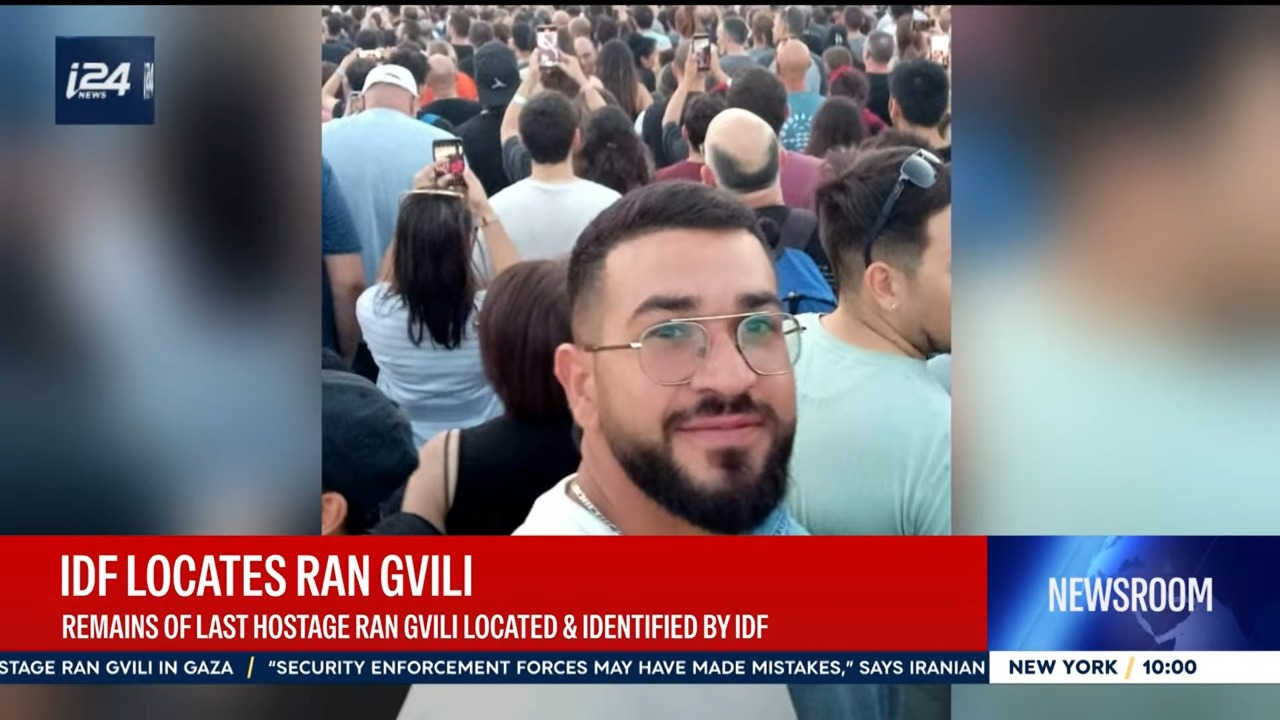
By the time his remains were recovered, Gvili’s case had come to represent more than a single loss. In Israel, he was widely seen as the final unresolved hostage file from the October 7 attack, the last person still unreturned from the group seized or taken into Gaza during the assault. Accounts from Israeli officials and later reporting described Gvili as an off-duty officer who joined the fighting near Kibbutz Alumim as militants attacked southern communities. That made him, in the eyes of many Israelis, both a victim of the assault and a symbol of resistance during its opening hours. His family’s long wait for answers became part of the wider national trauma surrounding the hostages, a trauma that shaped public protests, negotiations, and the political pressure placed on Israeli leaders throughout the war. The emotional power of the case came from the fact that there was no realistic expectation of rescue by the time the final search intensified. What remained was the effort to bring him home for burial. In Israel, that distinction mattered. The recovery of remains is treated not as a secondary issue, but as part of the state’s moral obligation to its citizens and soldiers. That is one reason Gvili’s case remained so visible long after many of the living hostages had already been freed or accounted for.
The operation in northern Gaza
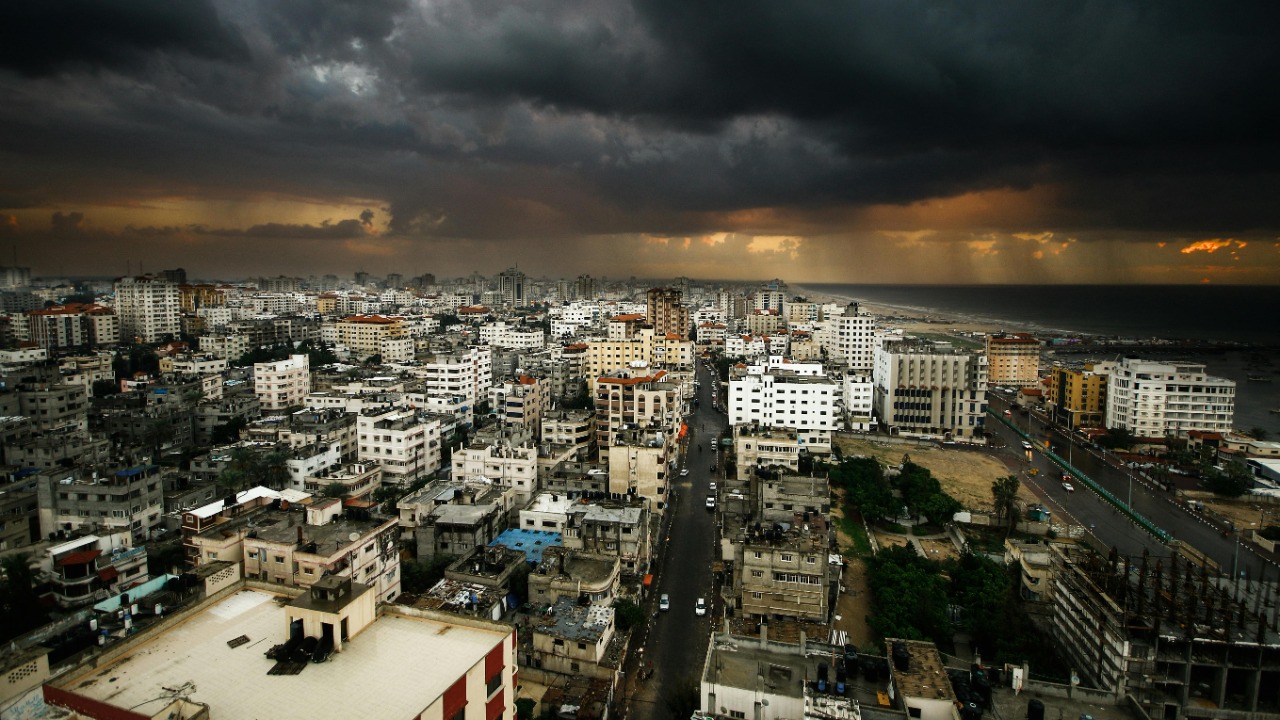
Israeli authorities said the recovery followed a targeted operation in northern Gaza based on intelligence leads developed over time. Earlier reporting indicated that the search focused on a cemetery area and that forensic specialists were involved because identification after so long in a conflict zone required far more than a visual confirmation. The story was never likely to end in a dramatic battlefield moment. It ended through methodical recovery work, forensic verification, and enough confidence for Israel to announce publicly that the remains were Gvili’s. That process gave the development weight beyond the immediate military statement. It transformed a search into closure. Later reporting from Reuters and The Associated Press confirmed that Israeli officials viewed the recovery as the moment the country could finally say no hostages remained in Gaza. That made the announcement both operationally important and politically potent.
A family’s closure and a national turning point
For Gvili’s family, the return of his remains ended a long period of suspended grief. Families of the dead often describe the absence of a body as a separate form of torment, one that keeps mourning incomplete. Burial does not erase loss, but it changes it. It allows a family to move from uncertainty into ritual, from waiting into remembrance. That personal reality is part of why the announcement resonated so strongly in Israel. The hostage issue had become one of the most persistent and painful elements of the war, driving public demonstrations and shaping debate over ceasefire terms. The recovery of the final hostage did not erase the wider trauma of October 7, but it did provide a symbolic endpoint to one part of it. Reuters later reported from Gvili’s funeral that senior Israeli officials framed his burial as the end of a painful chapter that began with the 2023 attack. That language reflected a broader public mood. Even in a war full of larger military and diplomatic stakes, the final return of one body still carried the force of a national event.
Why the recovery mattered for Rafah
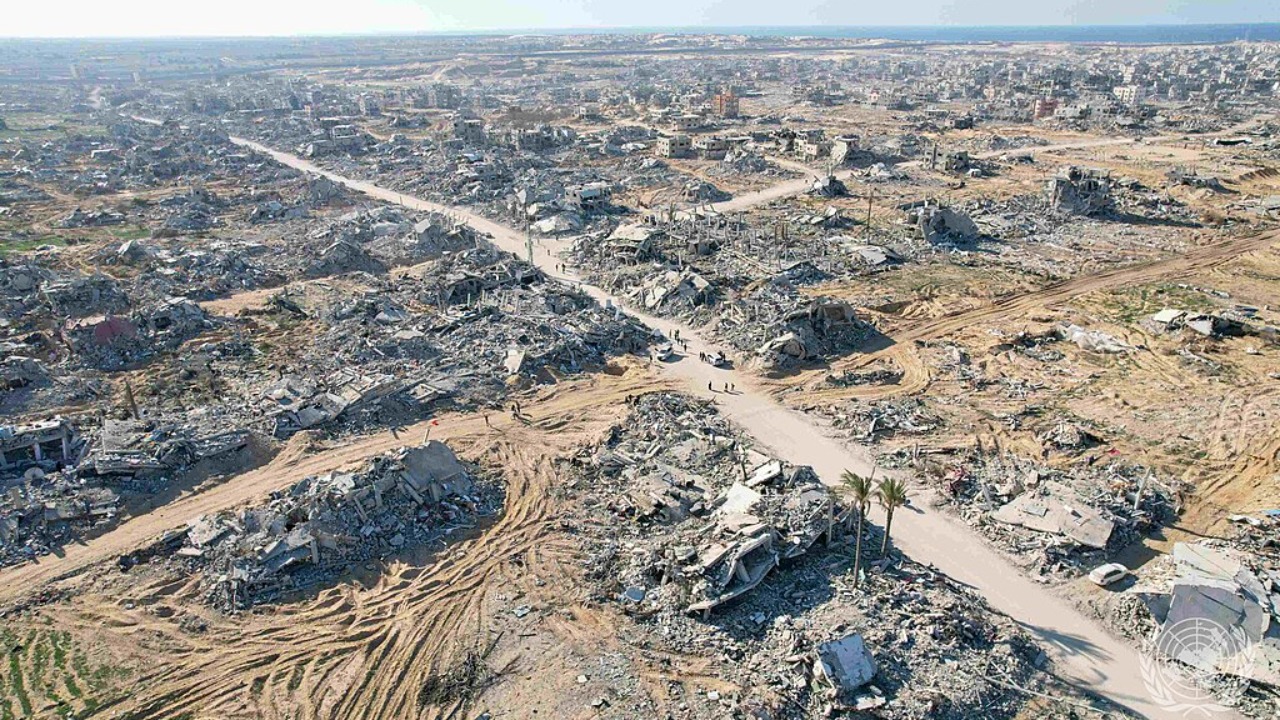
The recovery also had immediate consequences beyond mourning. Under the ceasefire framework in place at the time, Israel had tied the reopening of the Rafah border crossing to the return of all hostages, including the dead. On the day before Gvili’s recovery was announced, Reuters reported that Israel said the crossing would reopen only after the operation to locate his remains was completed. That made Gvili’s case unusually consequential for Gaza’s civilians as well. Rafah is the territory’s main gateway to Egypt and one of the most important points for movement in and out of Gaza. Its reopening carries consequences for medical evacuations, civilian travel, and the broader humanitarian picture in a territory devastated by war. Once the recovery was confirmed, that particular obstacle to reopening was removed. Still, the next stage was never likely to be automatic or simple. Border inspections, security arrangements, outside monitoring, and the wider future of Gaza all remained subjects of dispute. The return of Gvili’s remains resolved one condition in the ceasefire framework, but it did not resolve the deeper arguments surrounding how Gaza would function in the months ahead.
An ending that does not settle the larger war
The strongest way to understand this story is as a moment of closure inside a conflict that remains far from resolved. For the Gvili family, the return of his remains meant the wait was over. For Israel, it meant the hostage file that began with the October 7 attack had finally been closed. For diplomats, it removed one of the most politically sensitive barriers to the next stage of negotiations. But that does not make it a story of peace. The broader disputes remain: border access, reconstruction, governance, demilitarization, and the long-term political future of Gaza. If anything, the recovery sharpens the contrast between what can be closed and what remains dangerously open. Ran Gvili’s return therefore stands on several levels at once. It is a family tragedy brought to its final ritual. It is a national milestone for Israel after more than two years of pressure and mourning. And it is a reminder that in this war, even the dead have been bound up in the hard mechanics of negotiation. That is why the recovery landed with such force. It ended one of the war’s most painful unanswered questions. It also marked the point at which the conflict’s next, more difficult phase could no longer be delayed by the final unresolved hostage case.