
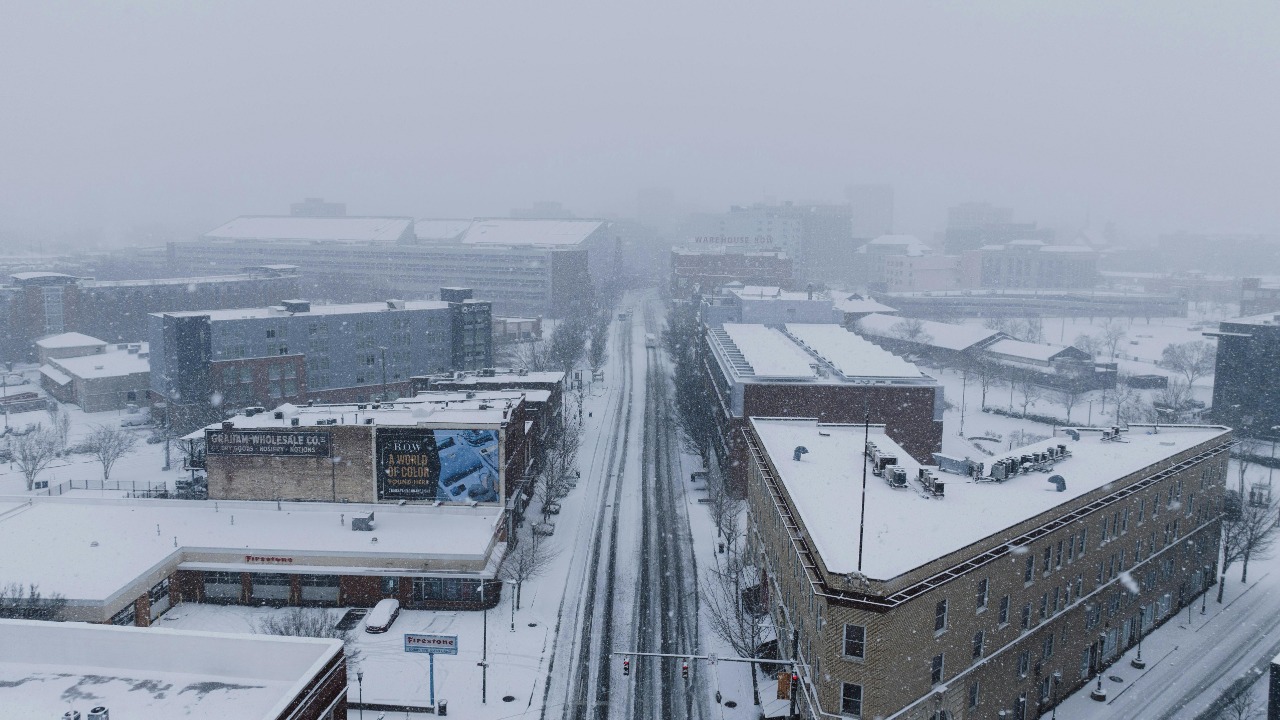
A sprawling winter storm that moved from the Plains into the Midwest, Appalachians and the Northeast over the weekend left a rising death toll across the United States. Officials in multiple states link fatalities to traffic crashes, exposure, falls, cardiac emergencies and the effects of prolonged power outages.
By Monday, the toll had climbed into the dozens as communities continued recovery efforts. Roads remained hazardous in secondary areas, and subfreezing temperatures lingered behind the storm.
In hard-hit regions, the danger did not end when the snow and ice stopped. Power outages, untreated roads, stranded motorists and prolonged cold became the next phase of the emergency.
The impact also varied by geography. In major cities, risks centered on exposure to extreme cold and the strain on shelters, warming centers and emergency services. In rural areas, dangers often stemmed from isolation, icy back roads, delayed medical access and homes losing heat after damage to power lines and utility infrastructure.
Back-to-back hazards kept the danger going after the snow eased
According to National Oceanic and Atmospheric Administration summaries for January, a major winter storm from Jan. 24 to 26 brought snow, ice and rain across a large portion of the eastern United States.
Regional National Weather Service reports showed the same pattern in more detail, with heavy snow in parts of Kentucky and southern Indiana, widespread wintry precipitation through the central Appalachians and significant snowfall across portions of the Mid-Atlantic and Northeast.
That broad footprint helps explain why the death toll continued to rise even after the heaviest precipitation moved out. In many areas, the most dangerous phase came after the storm, when extreme cold and damaged infrastructure slowed recovery.
The National Weather Service reported that bitter wind chills followed the system in parts of the Appalachians and Ohio Valley, increasing the risk of hypothermia for people exposed to the cold or without reliable heat.
New York City’s toll underscored the danger of cold even before snowfall peaked
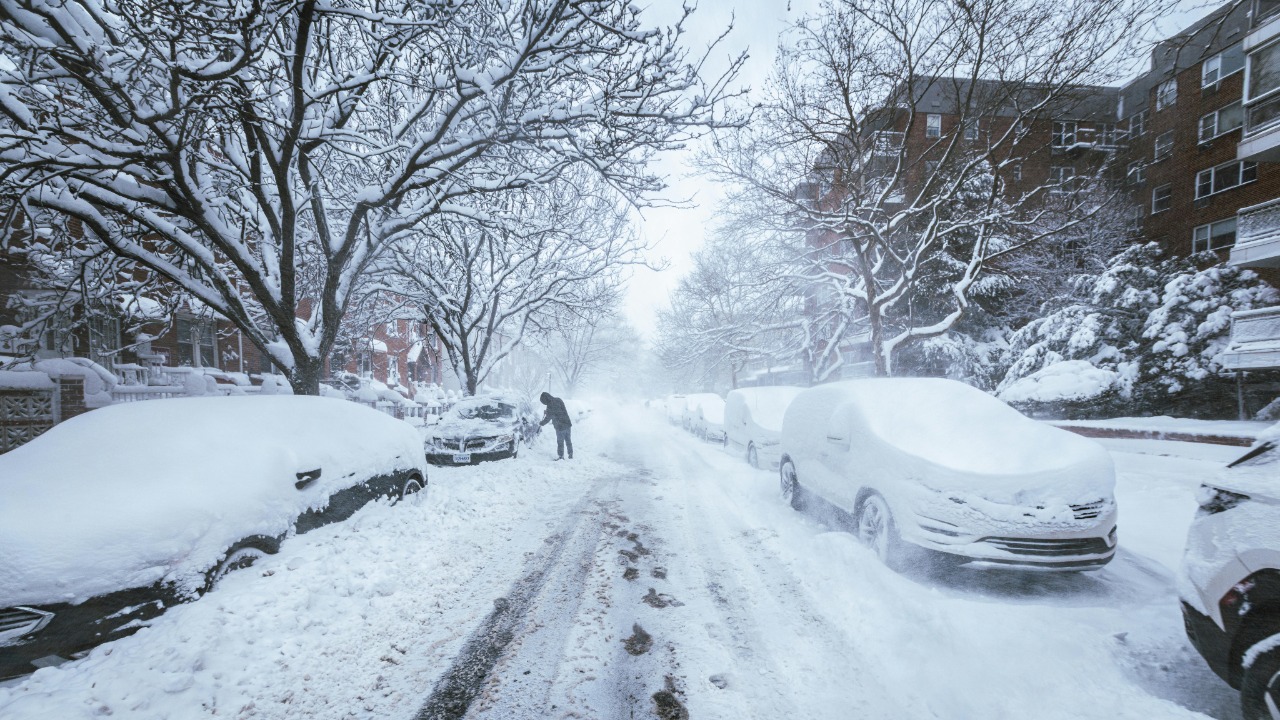
One of the clearest signs of the storm’s impact came in New York City, where officials said at least 10 people had been found dead outdoors by Tuesday.
In a briefing, Mayor Zohran Mamdani said at least five of those deaths occurred before heavy snow began, underscoring that extreme cold was a primary driver of the emergency.
City officials had activated Code Blue measures, which in New York are triggered when temperatures or wind chills are forecast to reach 32 degrees Fahrenheit or lower overnight. Under those protocols, outreach efforts are expanded and shelter access requirements are eased.
Information on assistance and warming options was distributed through the city’s 311 system and emergency management channels.
The deaths raised questions about whether cold-weather outreach reached the most vulnerable residents quickly enough. Those at greatest risk often include people experiencing homelessness, individuals with mental illness and others who may be disconnected from services or reluctant to enter shelters.
City officials had warned ahead of the storm about both snowfall and prolonged cold, a combination that increased the risk of exposure and turned the weather event into a public health concern.
Across the country, the toll rose through a mix of direct and indirect deaths
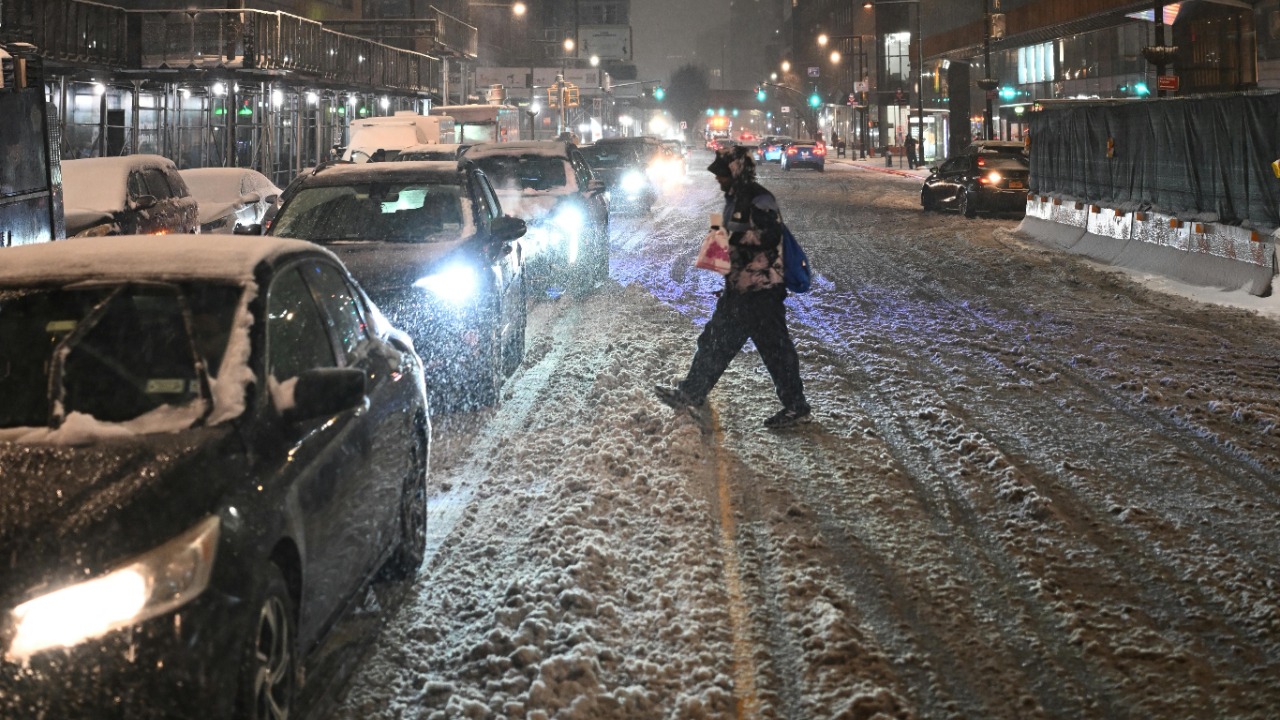
National reporting on Monday put the death toll in the dozens, with fatalities reported across multiple states affected by severe cold, snow, ice and power outages. The Associated Press reported at least 30 deaths tied to the storm and the cold that followed, while Reuters earlier put the count at at least 18, underscoring how quickly totals were changing as officials confirmed additional cases. Initial figures tend to capture the most immediate and visible deaths, while the full scope becomes clearer only after reviews by hospitals, medical examiners and local authorities are completed.
Rural counties often face the steepest risks after the storm
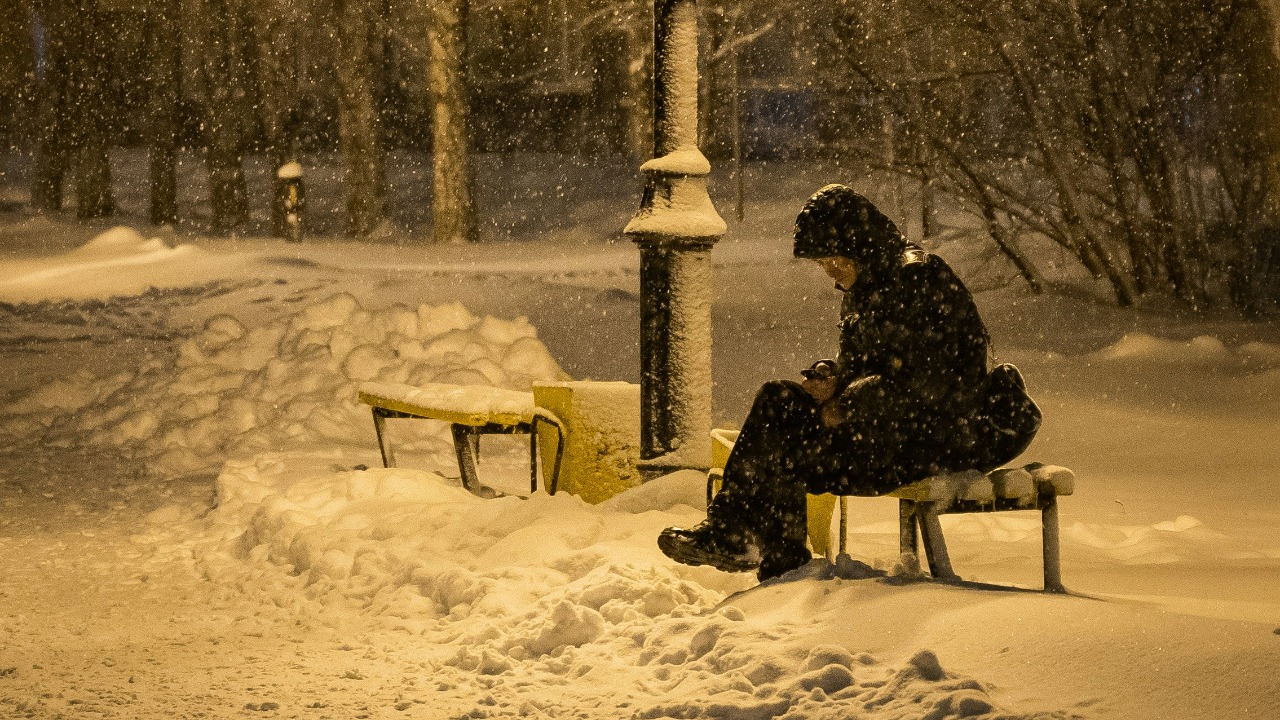
Rural communities face a different set of hazards. Homes may be miles from the nearest clinic or fire station, cell service can be limited, and secondary roads may remain icy long after major routes are cleared.
If a vehicle leaves a rural road at night or a home loses power during a prolonged cold spell, emergency response times can be significantly longer. Those risks are heightened in areas where older housing, reliance on electric heating and lower incomes overlap.
Elderly residents living alone are particularly vulnerable when indoor temperatures drop and neighbors are unable to reach them.
Utilities continued working to restore service as subfreezing temperatures followed the storm, underscoring that winter weather deaths are not solely tied to snowfall. They are often linked to the chain of impacts that follow, including power outages, blocked roads, disrupted medical care and unsafe attempts to stay warm.
What this storm revealed

The storm underscores a broader point: winter weather risks extend beyond snowfall totals. While snow is the most visible impact, many of the most dangerous conditions involve exposure to extreme cold, isolation, hazardous roads and loss of heat.
Another factor is how fatalities are counted. Official death tolls often lag as states review cases and distinguish between direct storm-related deaths and those tied to cold or infrastructure disruptions.
Even before final numbers are confirmed, the pattern is clear. The event was not only a disruptive winter storm but a prolonged, multi-region cold-weather emergency with effects that extended well beyond the initial impact.