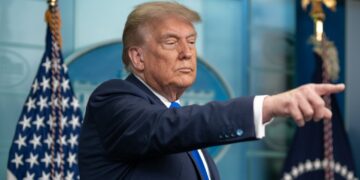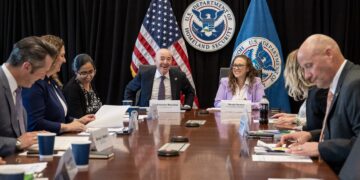
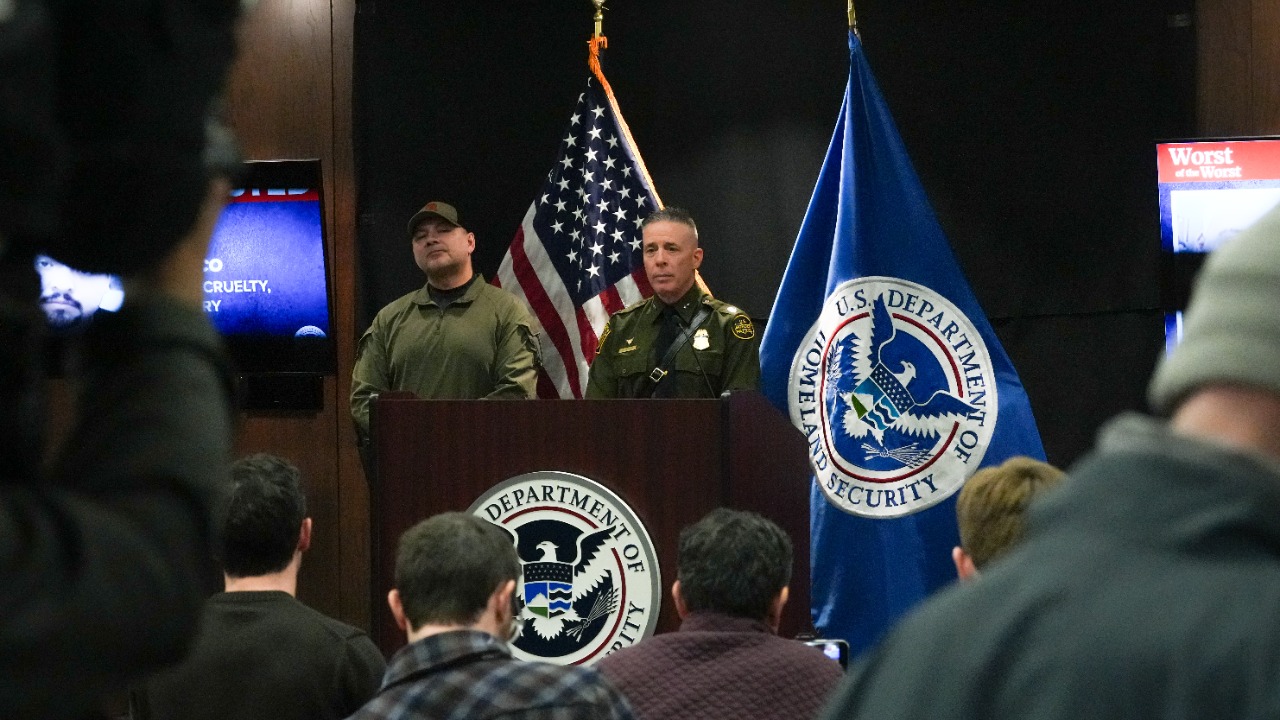
President Donald Trump has removed Gregory Bovino, the Border Patrol official who became the public face of the administration’s immigration crackdown in Minnesota, after the fatal shooting of Alex Pretti in Minneapolis deepened a political and public relations crisis for the White House.
The shake-up puts border czar Tom Homan in charge of the Minnesota operation and marks the clearest sign yet that the administration is trying to regain control of a deployment that spiraled into one of the most damaging episodes of Trump’s immigration push. It follows days of outrage over Pretti’s killing, conflicting official accounts and mounting pressure from state and local leaders demanding answers.
Bovino pushed aside after Minneapolis backlash
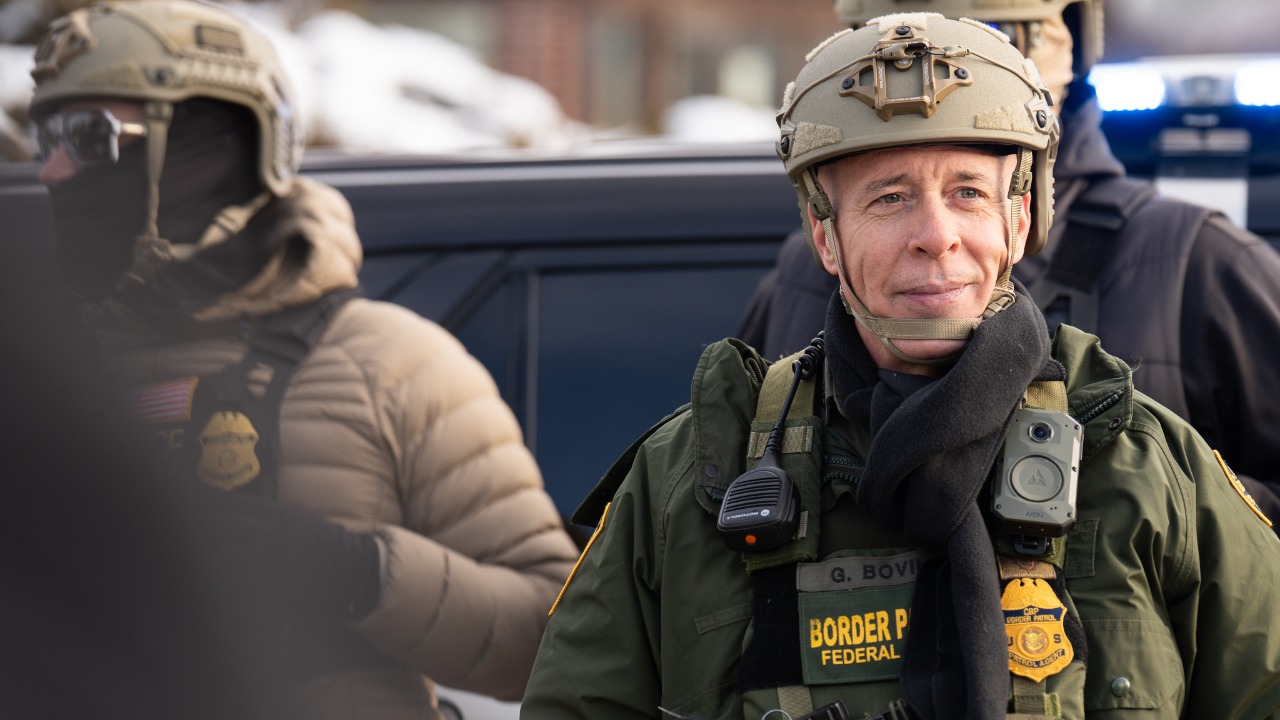
Bovino had become closely associated with the federal operation in and around Minneapolis, where immigration raids, confrontations in neighborhoods and aggressive tactics turned Minnesota into a national test case for Trump’s enforcement agenda. By Tuesday, that role had become untenable.
According to Reuters, Tom Homan was put in charge of the Minneapolis operation to replace Gregory Bovino, who was being removed as the White House sought a reset. Separate Reuters reporting and an The Associated Press report said Bovino and some agents were expected to leave Minneapolis as early as Tuesday.
The move matters because Bovino was no longer just a field commander. He had become the symbol of an operation critics said treated Minneapolis neighborhoods like occupied territory. Once that happened, removing him was not just an internal personnel matter. It was a visible concession that the administration understood the Minnesota deployment had become a liability.
Trump has not abandoned the broader immigration crackdown. But replacing Bovino with Homan signals that the White House wants a steadier hand, a lower temperature and a different public messenger as it tries to keep the larger project from being defined by what happened to Alex Pretti.
Who was Alex Pretti
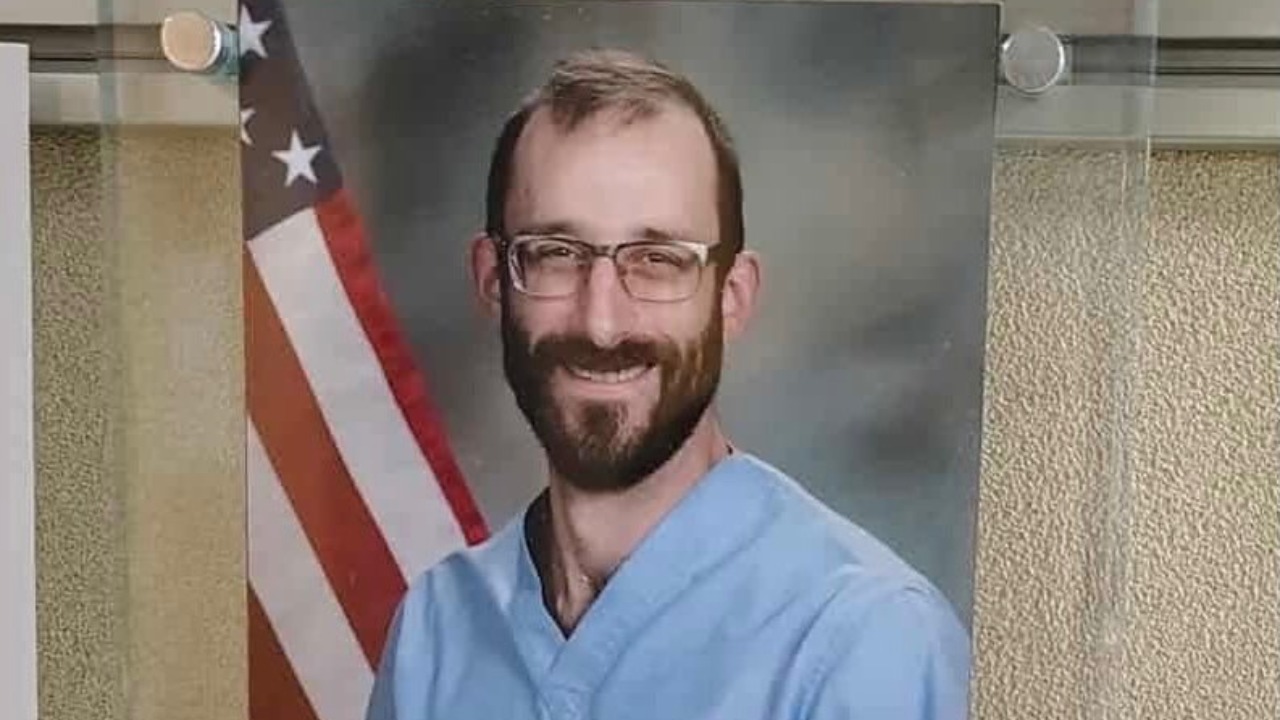
Pretti was a 37-year-old intensive care nurse whose killing stunned Minneapolis and quickly became a national flashpoint. Reuters identified him as a U.S. citizen and ICU nurse. The AP reported that Donald Trump called his death “very sad” and said he wanted an honest investigation.
The administration’s early effort to describe him as a dangerous aggressor ran into video evidence that raised serious doubts about those claims.
Reuters found that top Trump immigration officials made statements after violent encounters, including Pretti’s killing, that were later contradicted by evidence. In Pretti’s case, video reviewed by investigators showed he was holding a cellphone and had been subdued before the shooting, undercutting claims that he posed an immediate armed threat.
That gap between official rhetoric and what video appears to show is a major reason the Minnesota operation shifted from a hard-line enforcement story to a political crisis.
The shooting and the competing narratives
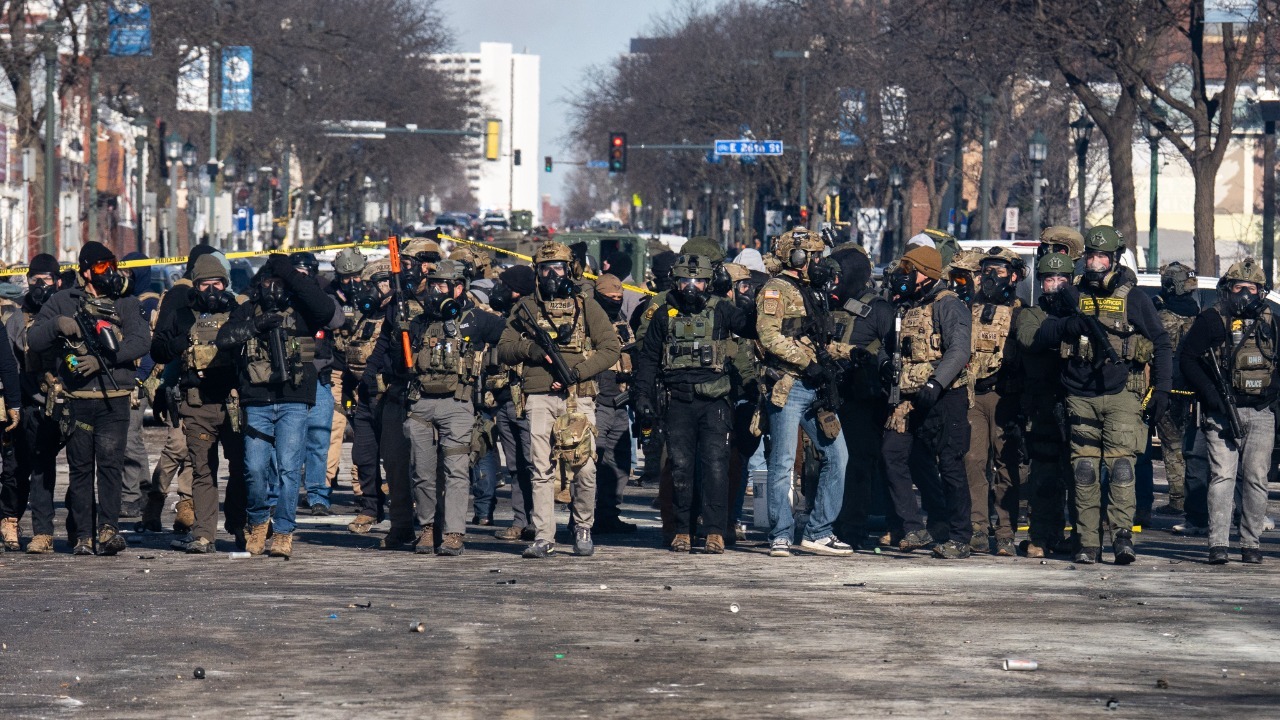
The key factual dispute is no longer whether the shooting will be investigated. It is whether the public was given a reliable account of what happened in the first place.
On the day of the shooting, Reuters reported that video showed an officer firing four shots into Pretti’s back in quick succession, with additional shots heard moments later as another agent appeared to fire. By Tuesday, the Associated Press reported that DHS had told Congress two federal officers fired during the encounter.
A later Reuters report on a preliminary federal review would underscore another important point: the review did not say Pretti brandished a firearm, even though administration officials had portrayed him as a threat soon after he was killed. That distinction has become one of the most important in the case. For the administration, it is the difference between defending a shooting as a split-second response to clear danger and defending it as a chaotic use-of-force encounter that escalated on a crowded city street. For critics, it is proof that the public was primed with an inflammatory story before the evidence was settled.
Trump’s response points to damage control
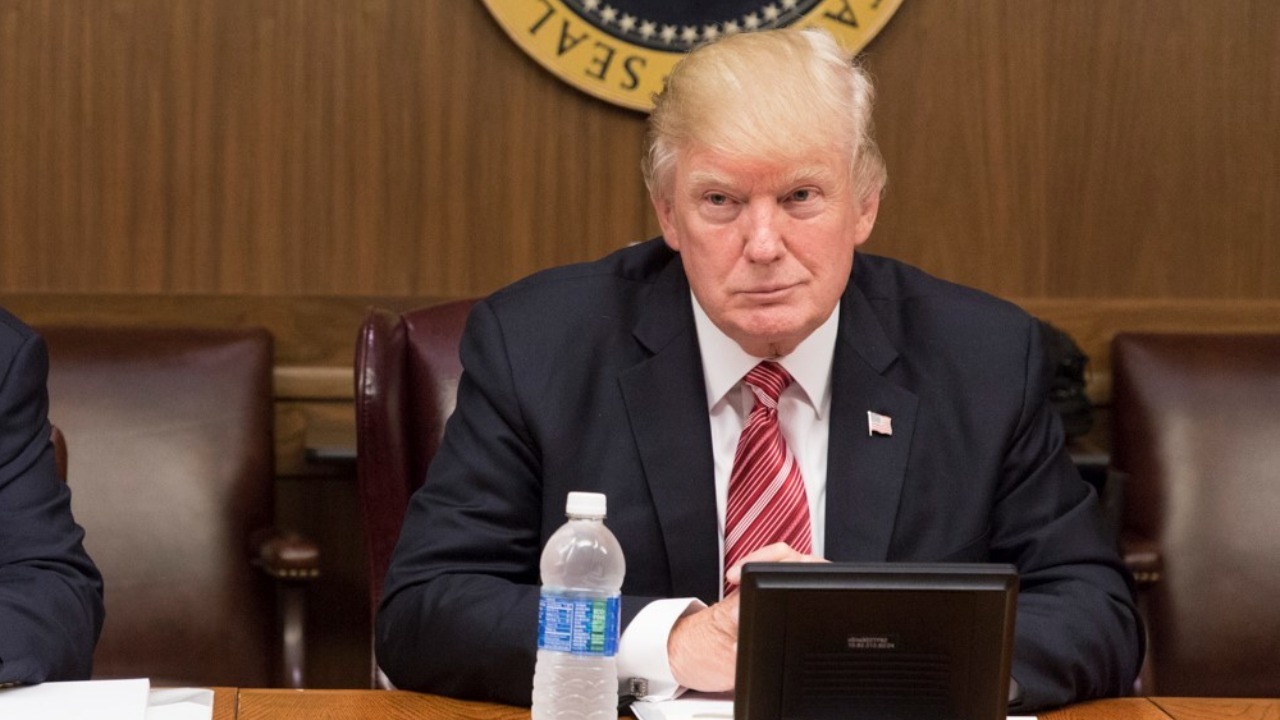
Trump’s answer has been to change the people in charge and soften the tone, at least around Minnesota.
AP reported that Trump rejected the suggestion that Pretti was an “assassin,” even as some of his own allies had used that language. Reuters reported that Trump had opened the door to cooperation with Minnesota officials after weeks of bitter clashes, which suggests the White House understands that the Minnesota operation has become politically costly. Homan’s arrival is best read as an attempt to stabilize the situation while preserving the broader enforcement campaign. The administration still wants to project strength. But Minnesota has shown the risk of doing that with large, highly visible deployments in a major American city where every confrontation can be filmed, dissected, and turned into a referendum on federal power.
What remains unresolved
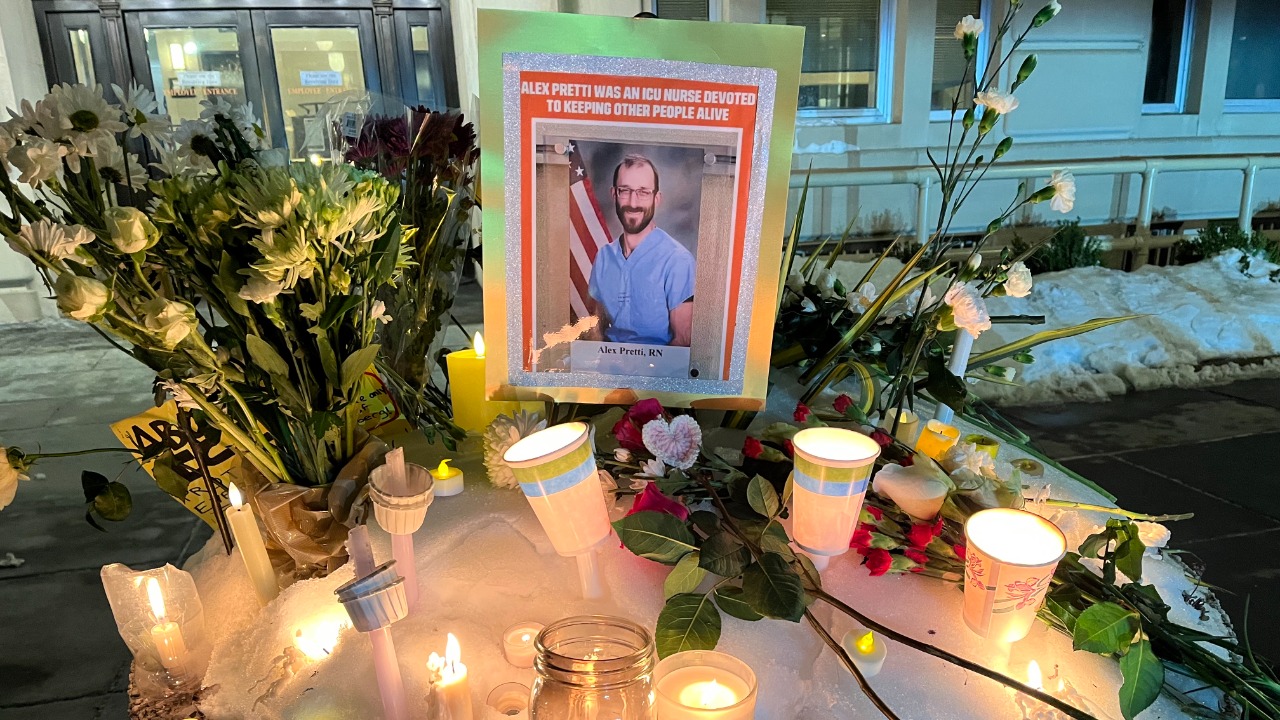
For all the movement around Bovino, the most important questions are still unanswered. The officers involved have not publicly explained their actions. The full federal account has not been aired in a way that resolves the contradictions between early official statements and the available video. And the administration has yet to show that the personnel shakeup amounts to more than a tactical effort to contain fallout. But until the government offers a fuller and more credible explanation of how Alex Pretti died, Minnesota will remain less a model for Trump’s immigration strategy than a warning about its limits.