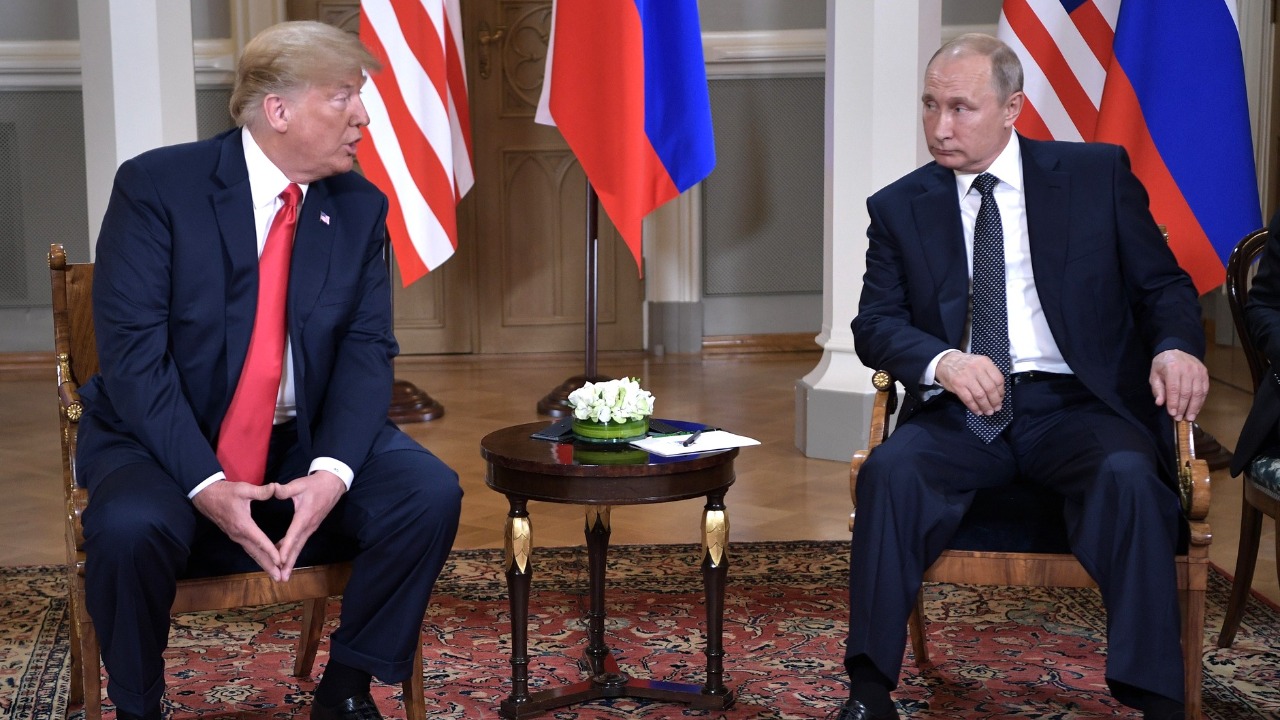
President Donald Trump said he had secured a one-week pause in Russian strikes on Kyiv after personally asking Vladimir Putin to hold fire during a dangerous cold spell that has left much of Ukraine struggling with damaged energy systems, sporadic outages, and deep winter temperatures.
The announcement landed at a moment when even a short break in attacks on the capital could matter. Russian strikes on power and heating infrastructure have repeatedly pushed Kyiv residents into freezing apartments, strained repair crews, and heightened fears that another wave of attacks could leave civilians without reliable heat at the worst possible time. If the pause holds, it could offer immediate relief. But as Trump described it, the arrangement appeared to depend on a personal assurance rather than a public agreement with clear terms.
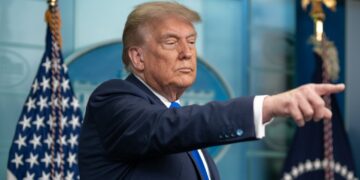
Trump made the claim during a White House Cabinet meeting, saying he had asked Putin not to target Kyiv and other Ukrainian towns for about a week because of what he called the brutal cold. Reuters reported that Trump presented the pause as a humanitarian step meant to reduce pressure on civilians after repeated attacks on Ukraine’s energy system. The Associated Press reported the same central claim, while noting that the precise scope of the arrangement was not immediately clear. Neither the White House nor the Kremlin immediately released a written readout spelling out the terms.
Why Kyiv needed a pause
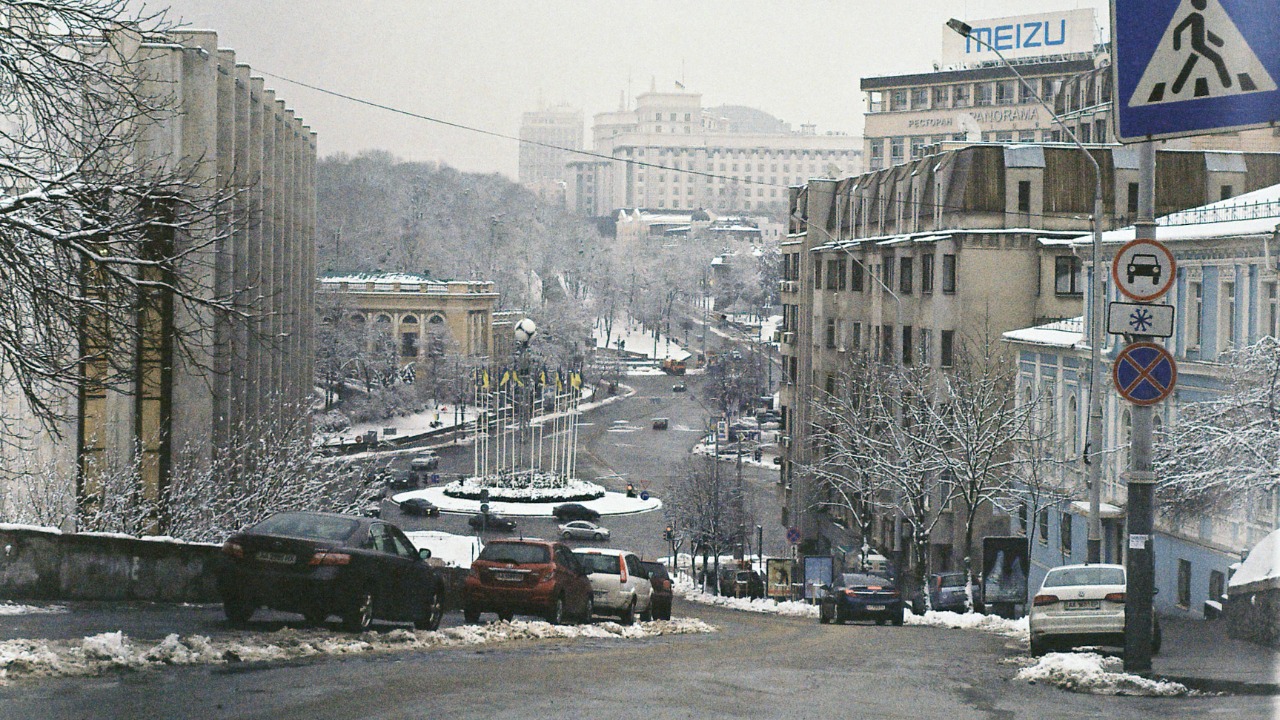
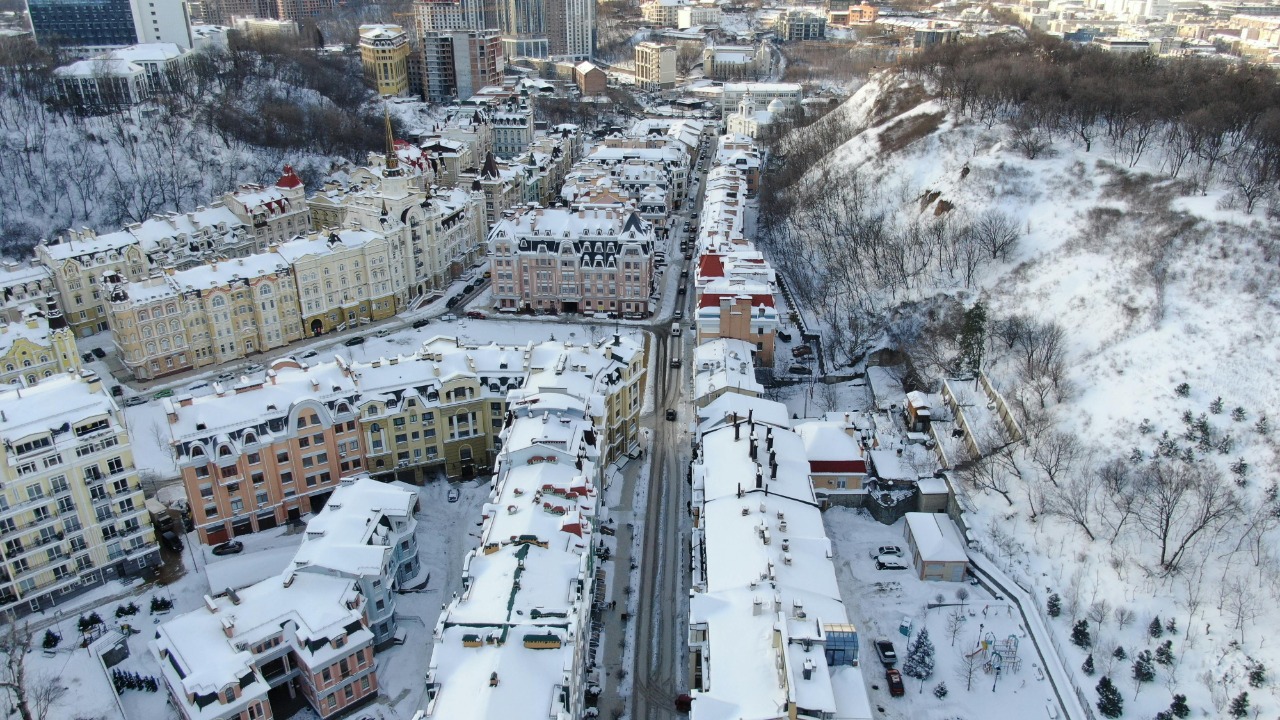
The humanitarian context gives the story its urgency. Kyiv has been living through a winter in which the cold has not only been severe on its own, but magnified by repeated damage to the infrastructure that keeps homes warm and lights on. Reuters reported that hundreds of apartment buildings in the capital were still without heat, with temperatures hovering well below freezing. Earlier coverage from Reuters detailed how major strikes had knocked out heating for more than 1,000 residential buildings in Kyiv, underscoring how exposed the city remains.
A week without strikes on the capital would not end the war, restore Ukraine’s grid, or protect every region of the country. But in the middle of a winter emergency, a few days of reduced pressure on Kyiv could allow repairs to continue, ease the strain on municipal services, and reduce the immediate danger for civilians already living through outages.
What Ukraine said
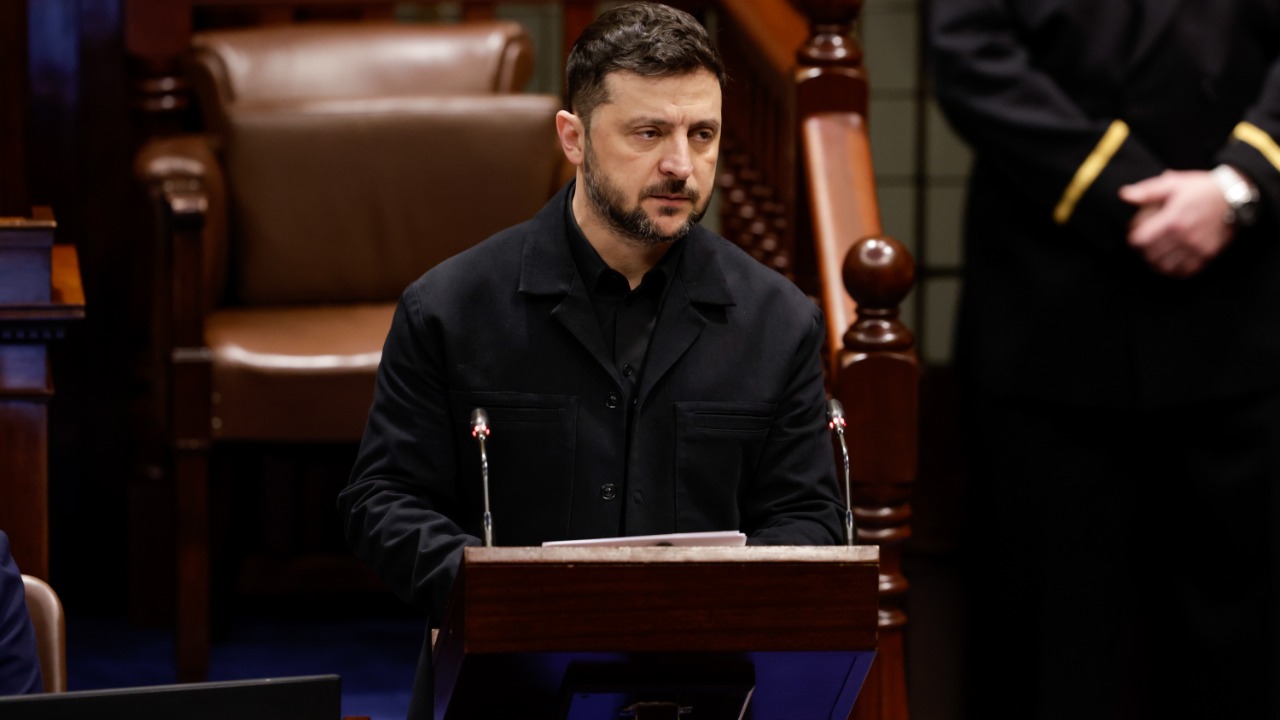
Ukrainian President Volodymyr Zelenskiy responded cautiously but not dismissively. In comments cited by Reuters, Zelenskiy welcomed efforts aimed at stopping attacks on energy sites during the cold spell and said such steps could help create conditions for progress toward peace. AP reported that Ukraine’s leadership viewed any reduction in attacks on energy infrastructure as important because the winter weather has raised the humanitarian stakes.
Zelenskiy’s emphasis remained on infrastructure and civilian protection, not on celebrating a personal deal between Washington and Moscow, fitting the way Ukraine has approached similar moments throughout the war. Verbal assurances matter less than whether incoming missiles and drones actually stop.
The gap between the headline and the fine print
For readers, the key question is simple: what exactly was paused? Trump described a halt in strikes on Kyiv and other towns for about a week. But early reporting made clear that the exact boundaries of the arrangement had not been publicly pinned down. AP noted that the Kremlin had not immediately confirmed Trump’s account, while Reuters reported the announcement without any public Russian statement matching Trump’s full description at the time.
A diplomatic opening, or only a gesture
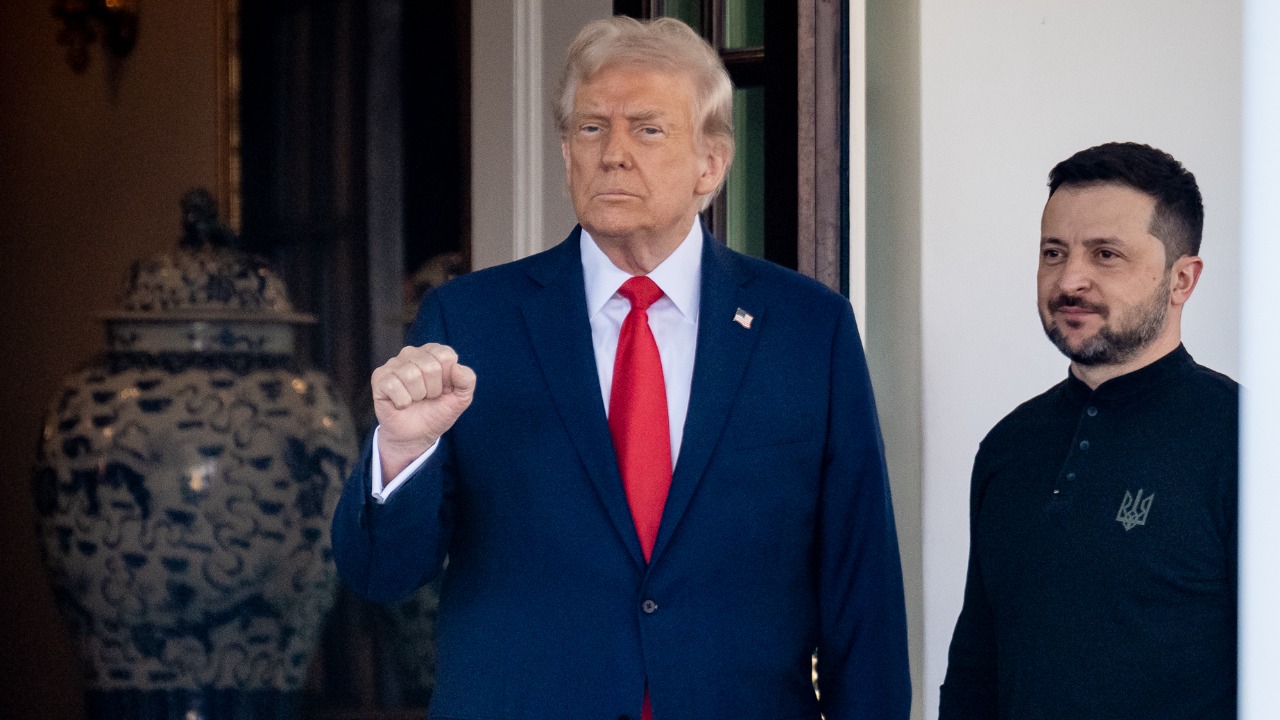
The episode also fits Trump’s broader argument that direct leader-to-leader diplomacy can produce quick results where more formal channels stall. That may be politically valuable for him, especially in a conflict where he has repeatedly cast himself as someone who can do business with adversaries others cannot. But for Ukrainians living through blackouts and air raid alerts, the value of such diplomacy is measured in outcomes, not optics.
This moment should be seen as a test rather than a breakthrough. If the pause holds in a meaningful way, Trump will be able to point to a tangible humanitarian result at a critical time. If it turns out to be partial, short-lived, or too vaguely defined to verify, the announcement will look more like a headline than a durable change on the ground.
For now, the story’s importance lies in what it could mean for civilians in Kyiv over the coming days. After months of attacks on the systems that keep the capital running through winter, even a temporary reduction in strikes could matter. But until the terms are clearer and the pause can be judged by what happens over the city itself, the most honest reading is this: Trump says he got Putin to agree, Ukraine wants the relief to be real, and Kyiv will measure the promise by whether the sky stays quiet.