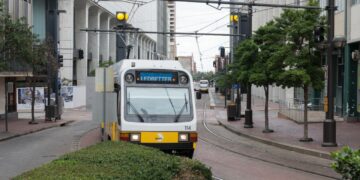
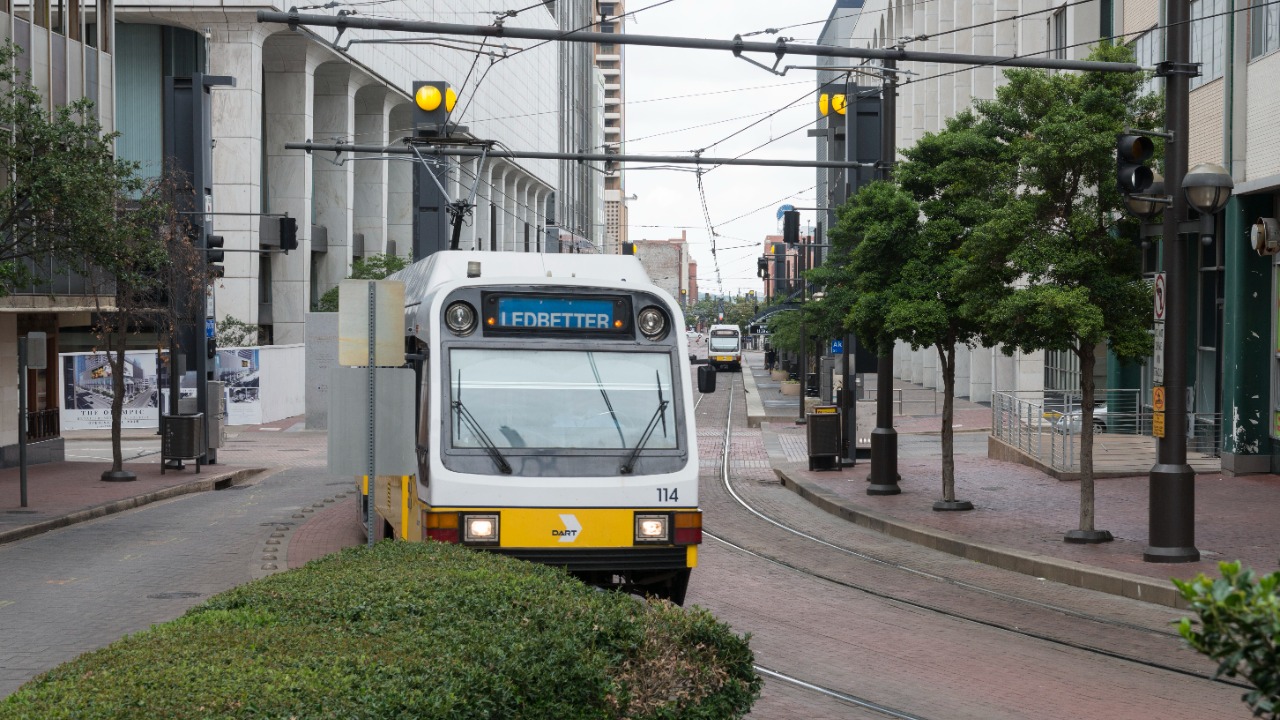
Dallas Area Rapid Transit is rolling out one of its most noticeable service pullbacks in years, cutting seven bus routes and reducing how often trains arrive during the weekday rush. For riders who depend on the system every day, the change is more than a routine schedule update. It directly affects trip times, transfer reliability, and the basic ease of getting around North Texas without a car. The changes take effect Feb. 2 and reach across both bus and rail service. Some commuters will lose a direct ride altogether. Others will keep their route but wait longer for it.
Seven bus routes are being discontinued
According to DART’s service-change notice, the agency is discontinuing Route 209 McKinney/Cole, Route 225 Nursery, Route 254 Legacy, Route 255 Story, Route 305 Addison Express, Route 378 Red Bird Express, and Route 383 Lake Ray Hubbard Express. DART says nearby alternatives include rail, GoLink, and connecting bus service, but that does not mean those replacements will feel equal to riders who relied on a direct route.
Rail riders will notice the difference fast
The rail change may sound modest at first glance, but it will be easy for regular riders to feel. DART says the Red, Blue, Green and Orange lines will now run every 20 minutes during weekday peak periods instead of every 15. Off-peak weekday and weekend service is staying the same, but the busiest parts of the day are exactly when many commuters rely on tighter spacing between trains.
Why DART says the cuts are happening
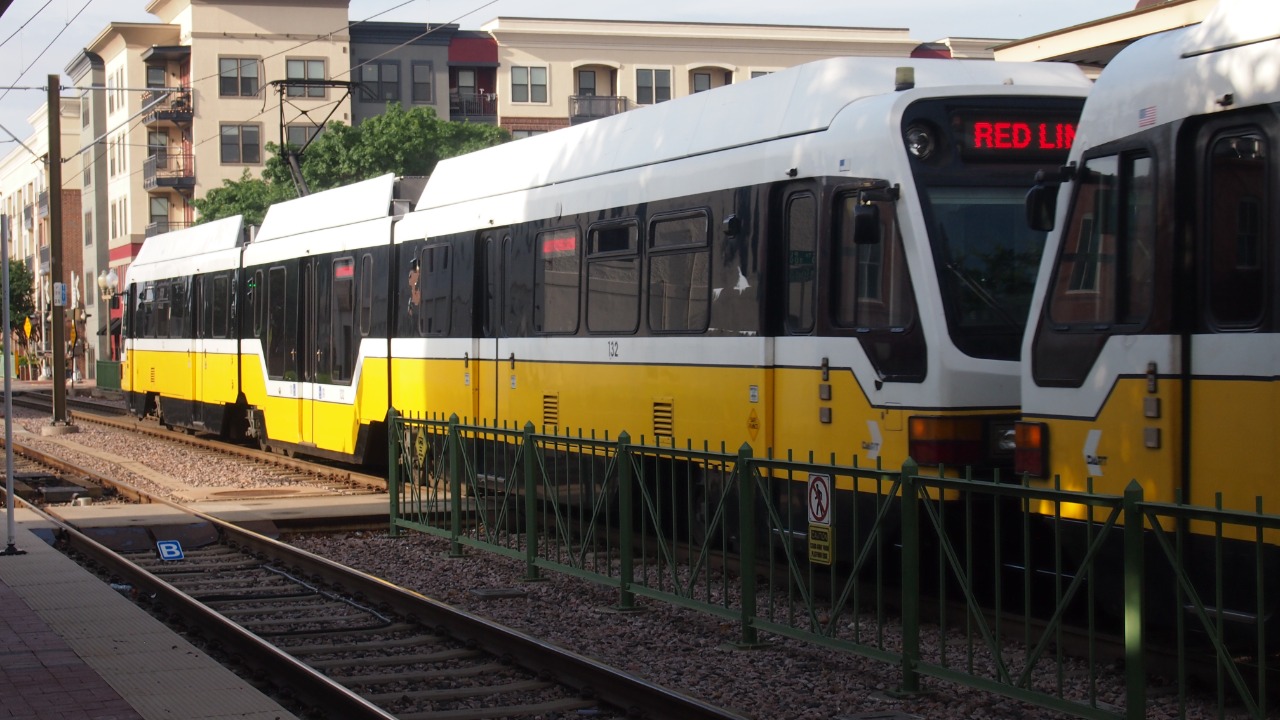
DART has framed the changes as a response to financial pressure. Board materials tied to the 2026 service changes point to budget constraints, new costs associated with the Silver Line, limits on budget growth, and the shift of 5% of sales tax revenue into a new General Mobility Fund for certain member cities. Even so, the rider impact is concentrated in ways that matter. DART’s own Title VI review found that the service changes affect minority communities at a rate above the system average. The agency concluded the package stayed within its formal policy thresholds after proposed mitigation, but the findings still underscored that the burden is not being felt evenly across the region.
What riders should expect now
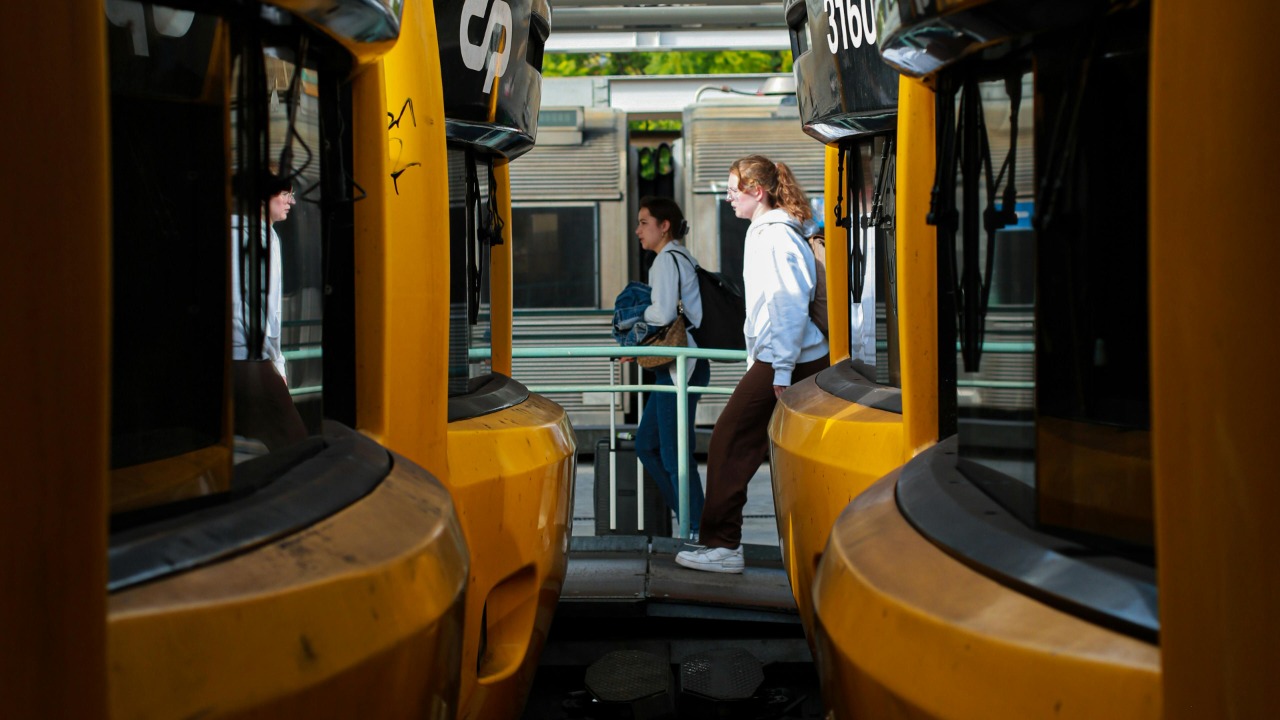
The most immediate change is practical. Riders will need to double-check their routes, travel times, and transfer points before heading out. For some, that means learning a new route number or adjusting to a longer wait. For others, it means losing a familiar route and piecing together a new trip through connections that were once optional and are now required. Service that runs every 20 or 30 minutes leaves far less room for error than service that arrives more often. Missing one vehicle can now stretch a trip much more quickly, especially for riders moving between bus and rail. What once felt routine may now require a backup plan, extra time, or both.
There may be more changes ahead
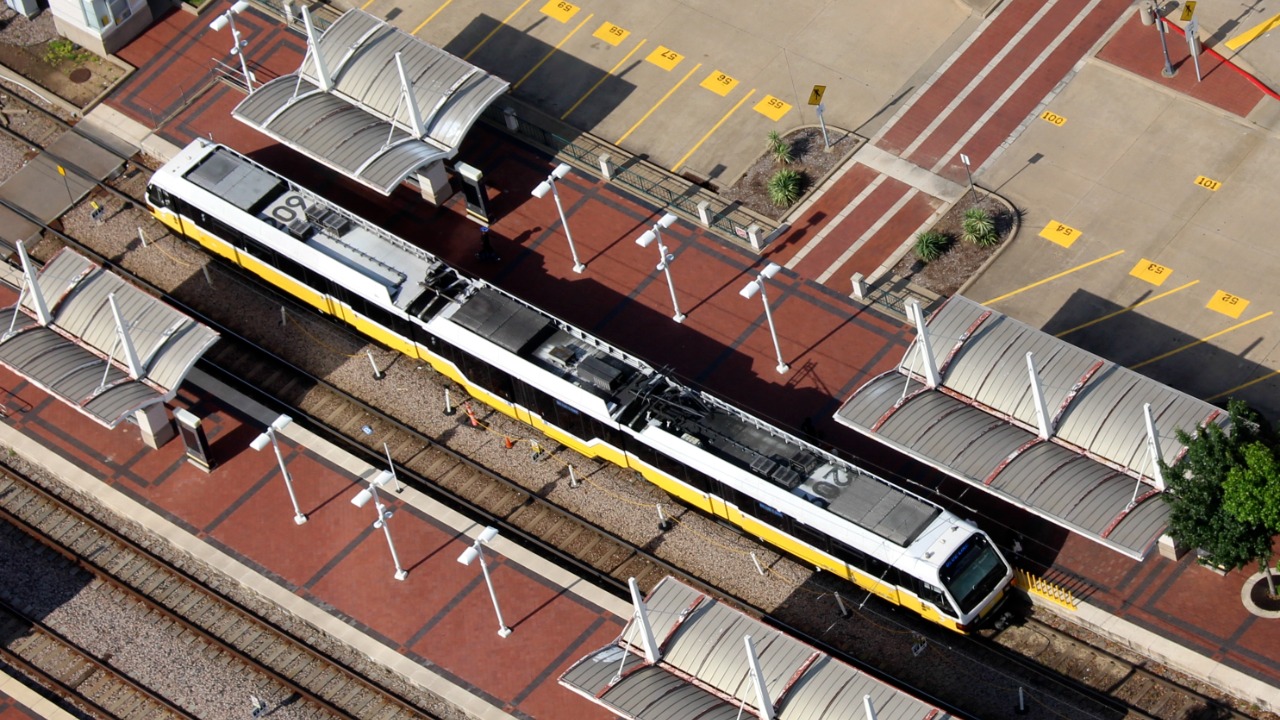
The February service reductions are not happening in a vacuum. DART has also scheduled a public hearing and community meetings on possible additional service changes that would take effect only if one or more member cities successfully withdraw from the agency in the May election. DART has been clear that those potential changes are separate from the reductions taking effect now, but the overlap adds another layer of uncertainty for riders already adjusting to less frequent service. That broader uncertainty is part of what gives the current cuts more weight. For many riders, this no longer feels like a one-time operational adjustment. It feels like a sign that the region’s transit network is entering a more unstable period, one in which service levels, route coverage, and future planning may continue to shift. For now, though, the immediate reality is straightforward. Seven bus routes are gone. Trains are coming less often during the busiest times of day. More riders will need to transfer, wait, and recalculate how long it takes to get where they need to go. DART may present the changes as a budget-driven necessity, but riders will experience them in simpler terms: a longer commute, a less forgiving schedule, and a transit system that suddenly demands more from the people who rely on it most.