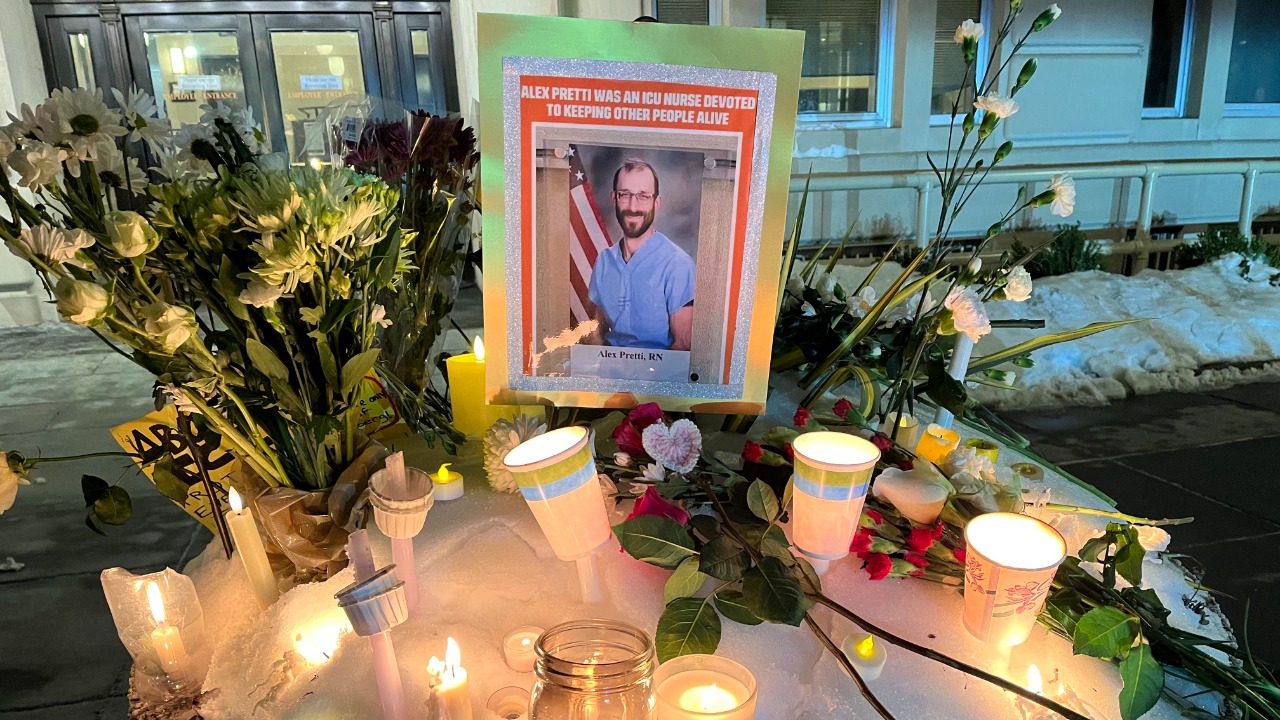
The Justice Department has opened a federal civil rights investigation into the fatal shooting of Alex Pretti, the Minneapolis man killed by federal immigration officers on Jan. 24, a move that sharply raises the stakes in one of the most scrutinized law enforcement killings of the year. Deputy Attorney General Todd Blanche announced the probe on Jan. 30, saying federal authorities would examine what happened that day and in the period leading up to it. The decision came after days of mounting public pressure, conflicting official accounts, and the spread of bystander video that quickly became central to the debate over whether the shooting was justified. The case drew national attention almost immediately because it involved federal officers operating in Minneapolis during an aggressive immigration enforcement push, not a local police department handling a routine street encounter. That distinction matters. It put the shooting at the center of a broader fight over federal tactics, accountability, and whether the government would allow outside investigators to fully review what happened.
What happened in Minneapolis
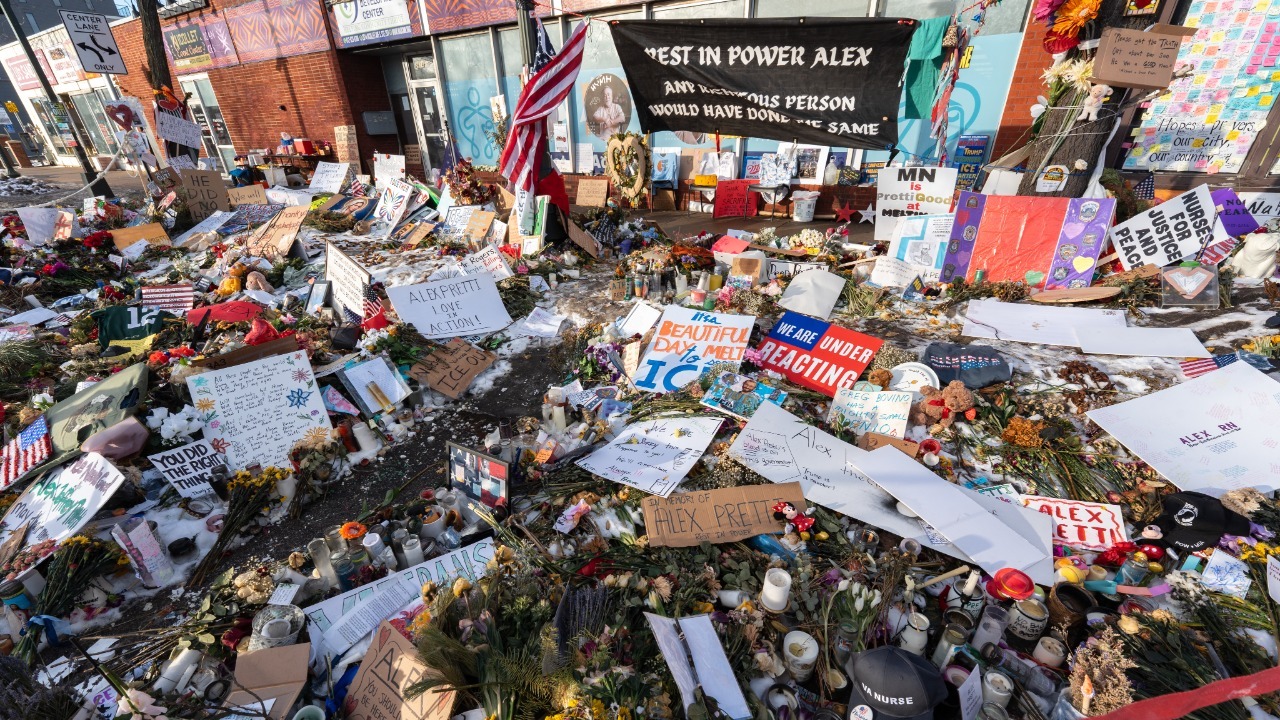
Pretti, 37, was shot during an encounter with federal immigration officers in Minneapolis on Jan. 24. In the first hours after the shooting, administration officials described him as an armed threat and suggested officers had acted in self-defense. But that narrative began to unravel as more video surfaced. Reporting from The Washington Post, Reuters, and The Associated Press found that videos from the scene showed Pretti holding a cellphone as officers wrestled him to the ground. One officer can be seen removing a handgun from Pretti’s waistband before the burst of gunfire that followed. Video reviewed by those outlets did not show him pointing a weapon or reaching for it in the moments immediately before he was shot. That visual record transformed the case. It did not answer every legal question investigators will have to resolve, but it did undercut the early public framing of the encounter and intensified demands for an independent review.
Why the DOJ move matters
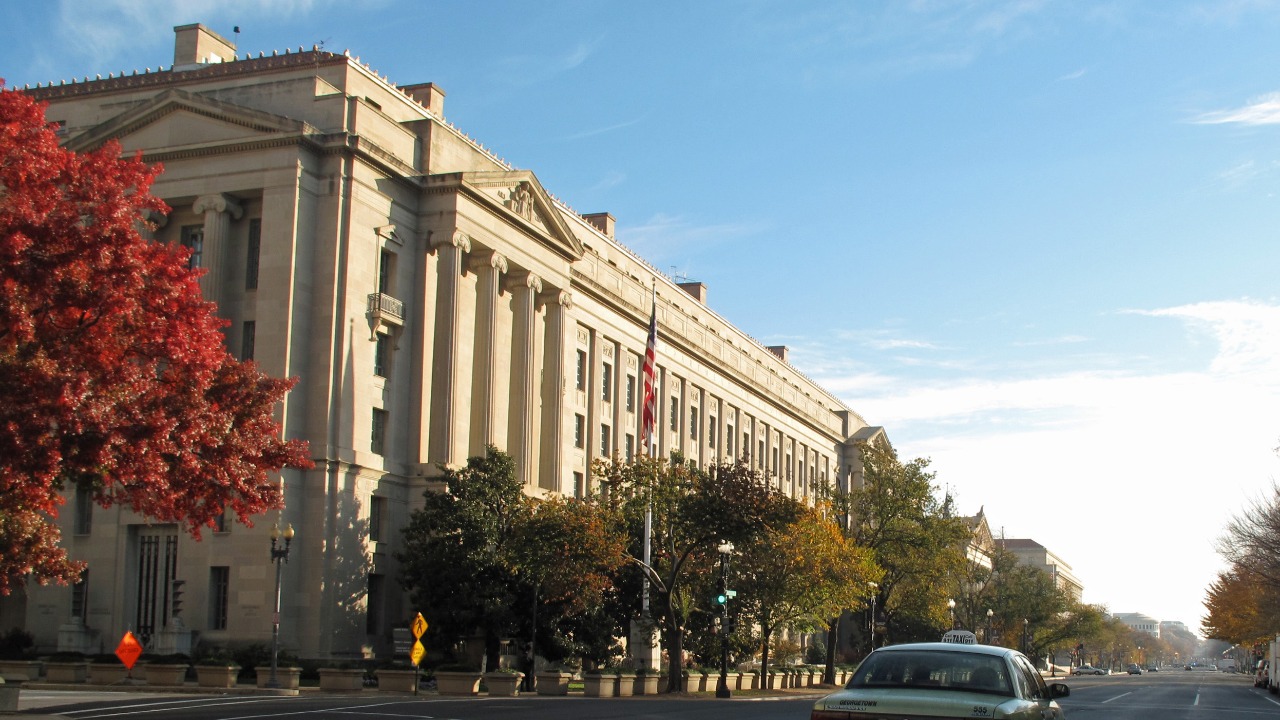
Blanche described the federal inquiry as a standard investigation, but the timeline gave the announcement far more weight than that label suggested. For several days after the shooting, the administration’s public posture left the impression that the matter would remain largely within Homeland Security’s orbit. By Jan. 30, the Justice Department had changed course and confirmed that the FBI would lead a civil rights investigation. That reversal was notable not simply because it happened, but because it happened quickly. The Washington Post described the announcement as an about-face from the administration’s earlier handling of the case. AP similarly noted that Blanche had not initially signaled such a probe was warranted, even as outrage spread over the shooting and over official claims later challenged by video. The practical effect is significant. A civil rights investigation is not just a fact-finding exercise. It can expose officers to potential federal criminal liability if prosecutors conclude the evidence supports charges under civil rights statutes. That is a high bar, and such cases are difficult to bring, but the opening of the inquiry itself means the department believes the facts merit that level of scrutiny.
How the evidence changed the story

The most important development in the case has been the gap between the initial official account and the footage reviewed afterward by journalists. In the hours after the shooting, top officials portrayed Pretti as a dangerous aggressor. As more video became public, that account came under intense pressure. Reuters later reported that even a preliminary federal review did not describe Pretti as brandishing a firearm in the way early public statements had suggested. AP’s reporting added that Pretti had a permit to legally carry the handgun seen in the videos, and that he did not appear to reach for it before officers opened fire. That does not predetermine the legal outcome. Investigators will still examine body-camera material if it exists, radio traffic, forensic evidence, officer statements, and the precise sequence of movements in the seconds before the shooting. But the videos matter because they reframed the basic public understanding of the encounter. Instead of reinforcing the early claims, they raised harder questions about threat perception, decision-making, and whether lethal force was used after the weapon had effectively been neutralized.
State and federal scrutiny are now colliding
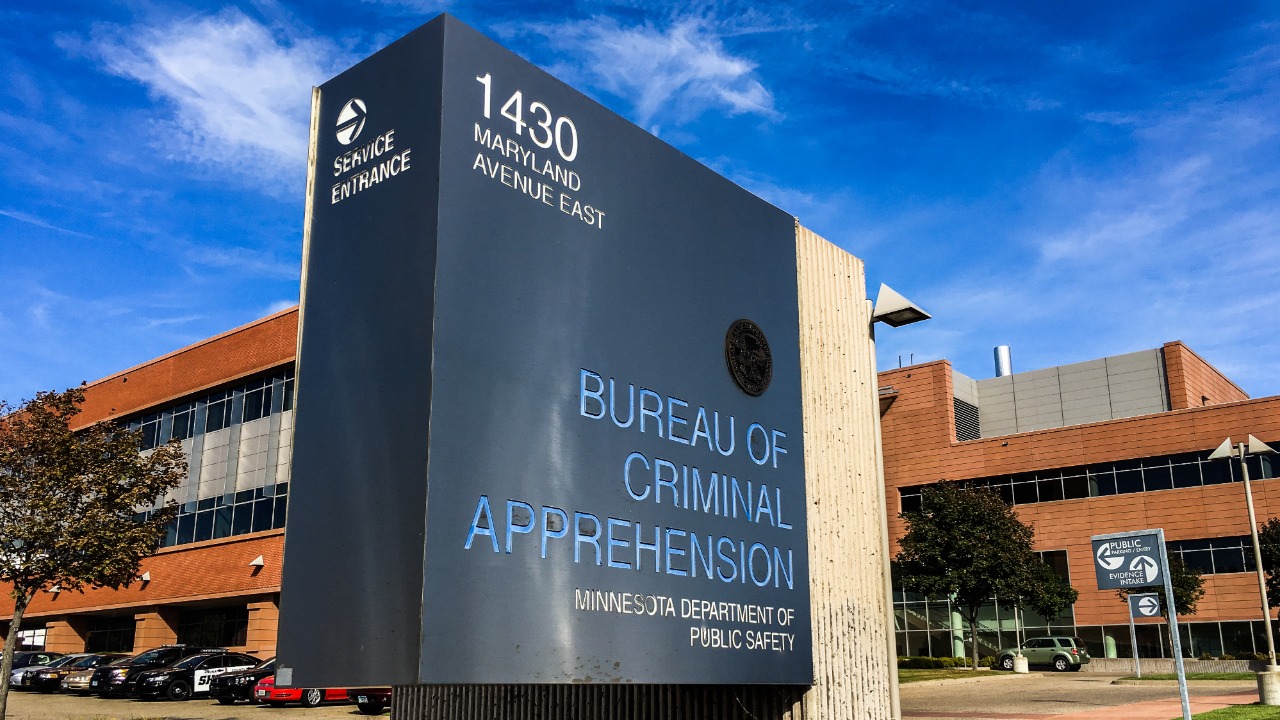
The DOJ probe is unfolding against a backdrop of distrust between federal authorities and Minnesota officials. The shooting was never likely to stay confined to an internal federal review, and the dispute over who would control evidence only deepened concerns about transparency. Reuters reported that the Minnesota Bureau of Criminal Apprehension and the Hennepin County Attorney’s Office took the unusual step of going to court in an effort to preserve evidence, highlighting how strained relations had become between local and federal authorities. The fact that outside agencies had to push so hard, so early, made the later DOJ announcement look less like routine process and more like a response to a case that was already spiraling beyond the administration’s control. That backdrop will shape public expectations from here. For Pretti’s family and for many Minneapolis residents, the central question is no longer whether the shooting deserves outside review. It is whether the review will be independent enough, transparent enough, and forceful enough to produce a credible answer.
What comes next
The next phase will likely move much slower than the first week did. Federal civil rights investigations can take months, and sometimes longer, as prosecutors work through video, witness accounts, forensic reports, and officer interviews. The FBI’s lead role gives the matter more distance from Homeland Security, but it does not guarantee charges or a quick public resolution. That is why the opening of the probe should be seen as a beginning, not an end point. It is a meaningful development, especially given the administration’s earlier reluctance to frame the killing in civil rights terms. But the real test will come later, when investigators decide whether the evidence shows not only that the shooting was troubling or avoidable, but that it crossed the line into a federal civil rights violation. For now, the Pretti case stands as a rare example of official claims being challenged almost in real time by publicly available video, and of the Justice Department being forced to respond far faster than it appeared prepared to. Whether that leads to accountability is still an open question. What is no longer in dispute is that the shooting has moved well beyond an internal use-of-force review and into the far more consequential terrain of a federal civil rights investigation.