
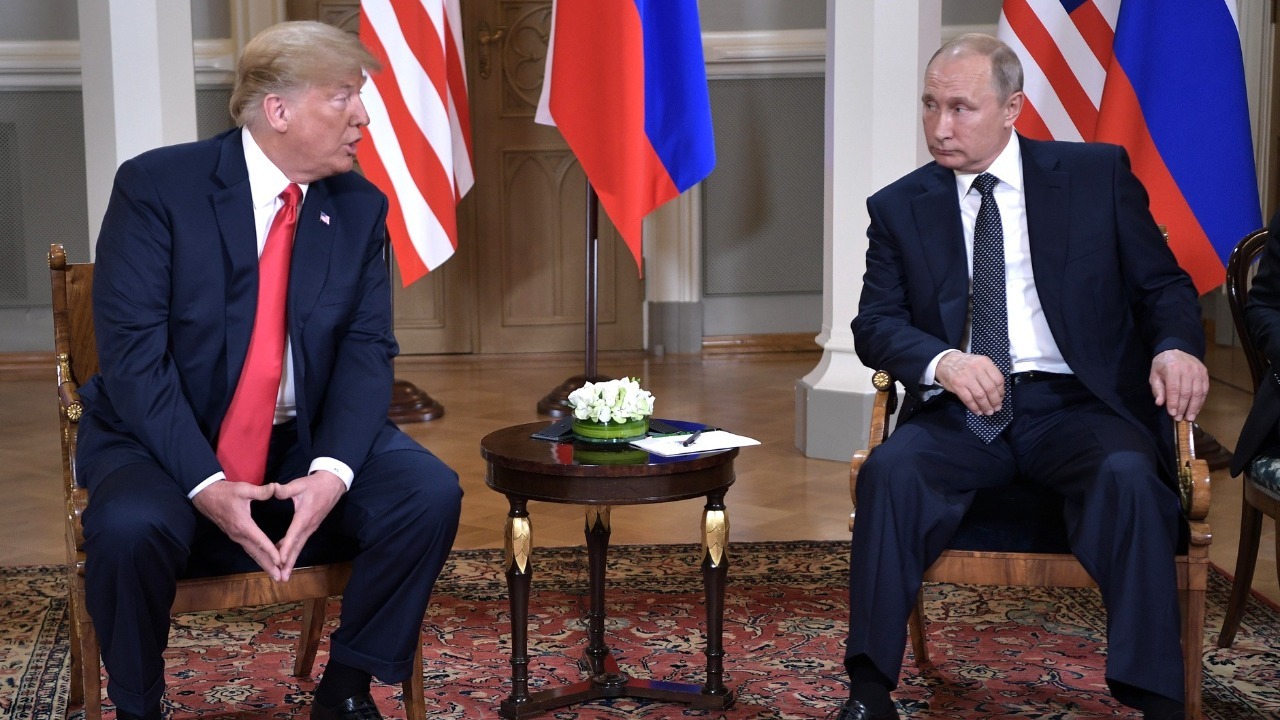
The last treaty placing binding limits on U.S. and Russian strategic nuclear forces has expired, ending a long stretch in which the world’s two largest nuclear powers operated under at least some verified restraint. New START lapsed on Feb. 5, leaving Washington and Moscow without enforceable caps on deployed strategic warheads, missiles and bombers for the first time in decades.
In a relationship already strained by Russia’s war in Ukraine and years of collapsing arms control architecture, the treaty’s expiration leaves both sides with fewer tools to judge what the other may do next.
What New START actually did
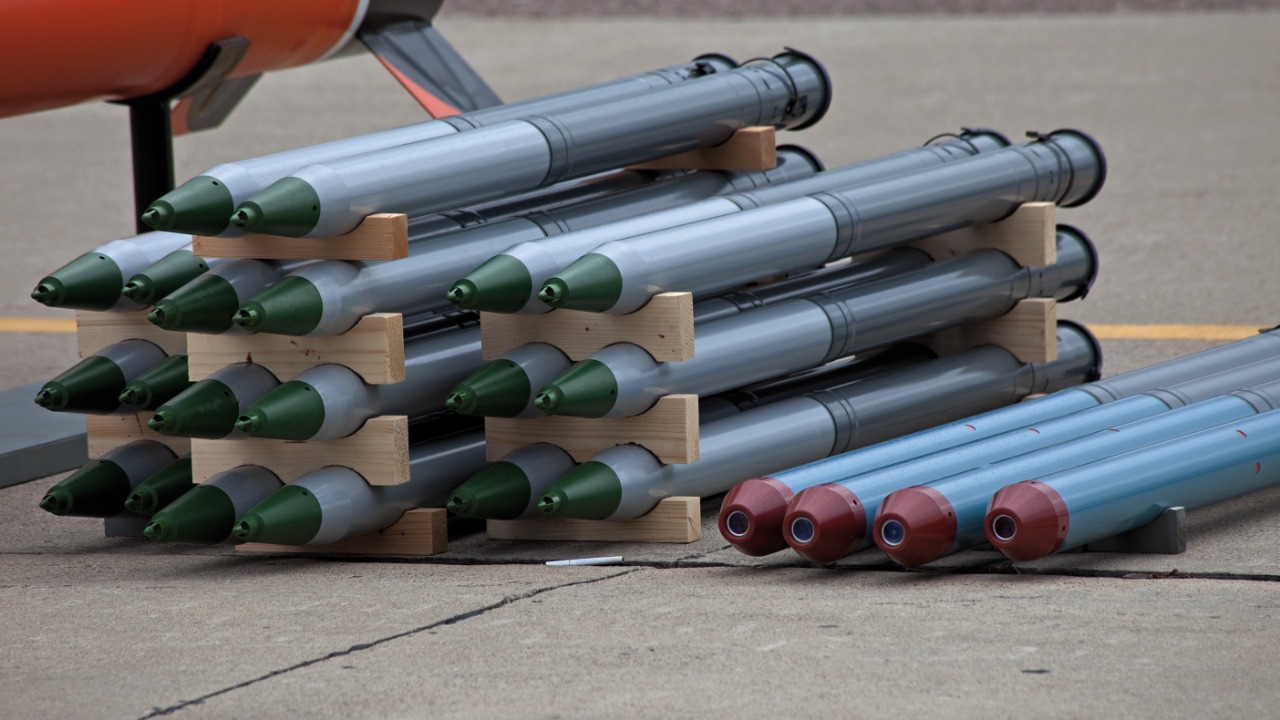
Signed in 2010 and entered into force in 2011, New START limited each country to 1,550 deployed strategic warheads and 700 deployed strategic delivery vehicles, including intercontinental ballistic missiles, submarine-launched ballistic missiles and heavy bombers. It also capped deployed and nondeployed launchers at 800.
Just as important as the numbers was the treaty’s verification system. The accord allowed 18 on-site inspections each year, along with notifications and regular data exchanges that gave both governments a direct window into the other’s strategic posture. That transparency helped reduce the odds that routine force movements or modernization activity would be misread as something more dangerous.
The treaty was originally due to expire in 2021, but the United States and Russia agreed to a five-year extension. At the time, the move was presented as a way to preserve verifiable limits while the two sides explored whether a broader follow-on arrangement might be possible.
Why the final years mattered less than the collapse itself
On paper, New START survived until this month. In practice, the treaty’s core transparency tools had already been badly weakened. Russia blocked the resumption of inspections after the pandemic pause, and in 2023 Moscow announced what Washington called an invalid suspension of its participation in the treaty.
Notifications that were supposed to give each side a running picture of strategic force changes also stopped. That left New START in an increasingly hollow state. The central limits still existed, but the mechanisms that made those limits meaningful had been eroding for years.
By the time the deadline arrived, there was no negotiated successor and no working verification regime ready to take its place.
What changed when the treaty expired
The significance of New START’s expiration is not just that a set of numbers disappeared from a legal document. It is that no replacement framework exists to restore inspections, notifications or a formal process for handling disputes. The legal guardrails are gone, and nothing durable has been put in their place.
Russia has tried to ease some of the alarm by signaling that it could continue observing New START’s old limits if the United States does the same. That may reduce the immediate pressure for a visible buildup, but it is not a substitute for a treaty. A voluntary pledge carries no inspection rights, no binding reporting requirement and no assurance that either side will stick with it if tensions worsen.
Why verification mattered more than many readers realized
Public debate over nuclear treaties often focuses on the headline numbers because they are easy to understand. The harder story is verification, and that may be the bigger loss.
On-site inspections helped confirm how many warheads were actually attributed to deployed missiles and bombers. Notifications created a regular record of movements and status changes. Without them, intelligence agencies can still track major developments, but they lose some of the detailed confidence that treaty access once provided.
That matters because arms control has never been only about reducing weapons. It has also been about reducing uncertainty. When governments have reliable information, they are less likely to base force planning on worst-case assumptions. When that visibility fades, the pressure to hedge grows.
A future agreement could prove even harder to verify. Any broader treaty that tries to cover more categories of weapons, including warheads outside current strategic limits, would demand more advanced tools and more intrusive access than New START required. Rebuilding that kind of system after years of breakdown would not be quick or simple.
The immediate danger is not instant expansion
Neither Washington nor Moscow is likely to transform its strategic arsenal overnight. Nuclear modernization programs move slowly, production capacity is limited, and budgets are finite. But both countries are already deep into long-term replacement cycles.
The United States is moving ahead with the Sentinel intercontinental ballistic missile program, Columbia-class ballistic missile submarines and the B-21 bomber, while Russia continues work on systems including the Sarmat heavy missile and other modernized platforms.
Under a treaty, those programs existed inside a binding ceiling. Without one, planners on both sides have stronger reason to think about upload potential, reserve capacity and what the other country could do if it chose to move beyond the old limits. That kind of uncertainty does not always produce an immediate arms race. It does, however, tend to push military planning in a more competitive direction.
Why this still matters globally
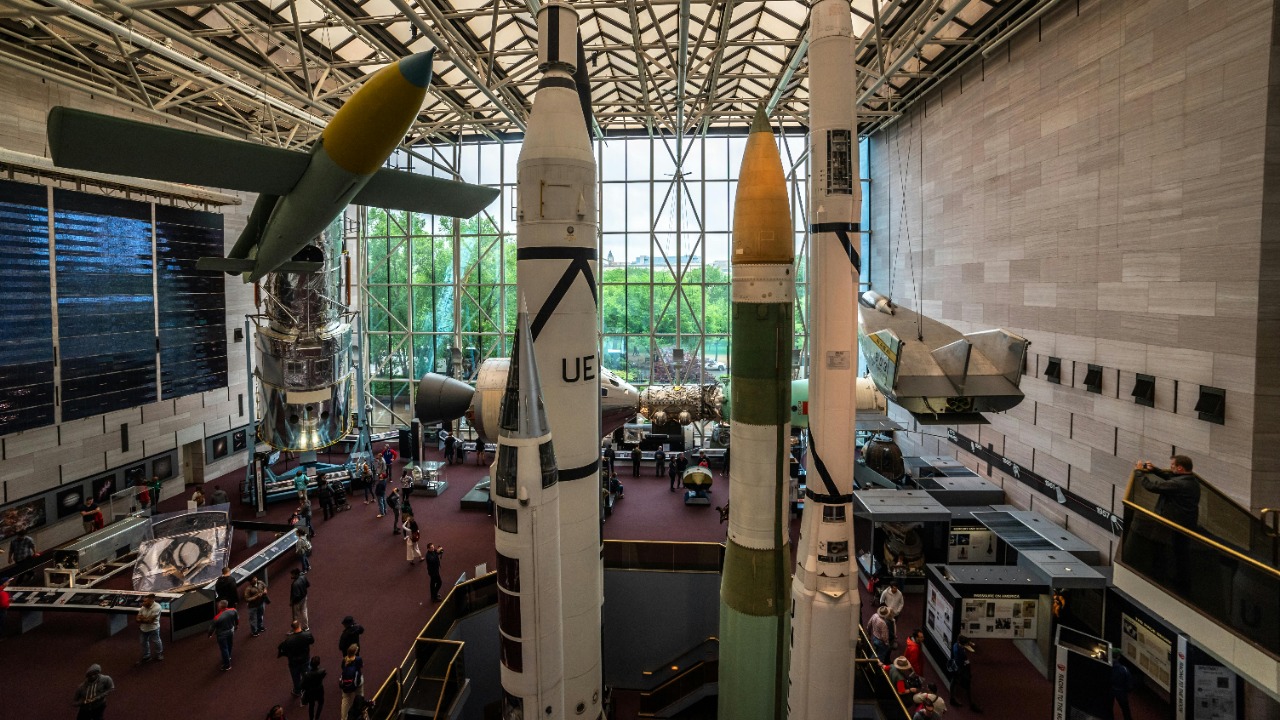
The world’s nuclear balance is no longer only a U.S.-Russia story. China’s arsenal is growing, and other nuclear states continue to modernize. Even so, Washington and Moscow still account for the vast majority of the world’s nuclear warheads. That is why the collapse of the last U.S.-Russia strategic arms treaty remains so consequential. New START did not solve the nuclear problem. It did not cover every warhead, every delivery system or every emerging technology. But it imposed verifiable boundaries on the two countries whose arsenals still matter most to global strategic stability. Its expiration strips away the last remaining bilateral framework designed to keep that rivalry more predictable.
What comes next
There is still a narrow case for restraint. If both sides continue informally observing the old limits, the worst immediate fears of a sudden quantitative buildup may not materialize. But that would amount to a temporary political understanding, not a durable arms control system. What New START leaves behind now is a vacuum. There is no binding ceiling, no inspection schedule, no standing dispute mechanism and no clear path to a successor deal. The danger is not just bigger arsenals. It is a more opaque and mistrustful rivalry between the two countries that still hold most of the planet’s nuclear firepower, at a moment when trust is already scarce and miscalculation is harder to rule out.