

Dallas police are investigating the fatal shooting of a 21-year-old man late Friday on Elsie Faye Heggins Street in South Dallas, a case that left a second man wounded and, at least publicly, few clear answers about what led to the gunfire. According to police, officers were called to the 4600 block of Elsie Faye Heggins Street at about 10:47 p.m. after reports of a shooting. When they arrived, they found two men suffering from gunshot wounds. Dallas Fire-Rescue pronounced Jackie Jernigan, 21, dead at the scene. A second man was taken to a hospital by private vehicle. Police have not publicly identified that victim or released his condition.
Two men were shot, and one died at the scene
In its initial statement, the Dallas Police Department said its preliminary investigation found that two men had been shot in the 4600 block of Elsie Faye Heggins Street. Officers said Dallas Fire-Rescue determined that Jernigan had died at the scene.
Local reporting added little beyond those first confirmed facts, which is typical in the opening stage of a homicide investigation. WFAA reported that the second victim was taken by private vehicle to a hospital. The Dallas Morning News reported that police had not immediately released the man’s condition.
What investigators have said so far
Police have classified the case as a homicide investigation and said the motive and circumstances remain under investigation. The department also released the case number, 021025-2026, and asked anyone with information to contact Detective A. Thayer.
The absence of suspect information at this stage does not necessarily indicate a lack of progress. Police departments often release only limited facts in the first hours and days after a homicide, especially when investigators are still trying to confirm witness accounts or avoid disclosing details that could complicate interviews. In practice, that can leave the public with only a thin sketch of what happened while detectives work behind the scenes.
Texas law gives agencies room to do that. Under Section 552.108 of the Texas Government Code, law enforcement can withhold certain records if releasing them would interfere with the detection, investigation, or prosecution of crime. The law still allows for the release of basic information about an incident, which helps explain why the earliest public updates in homicide cases are often brief and highly controlled.
The medical examiner now has a role too
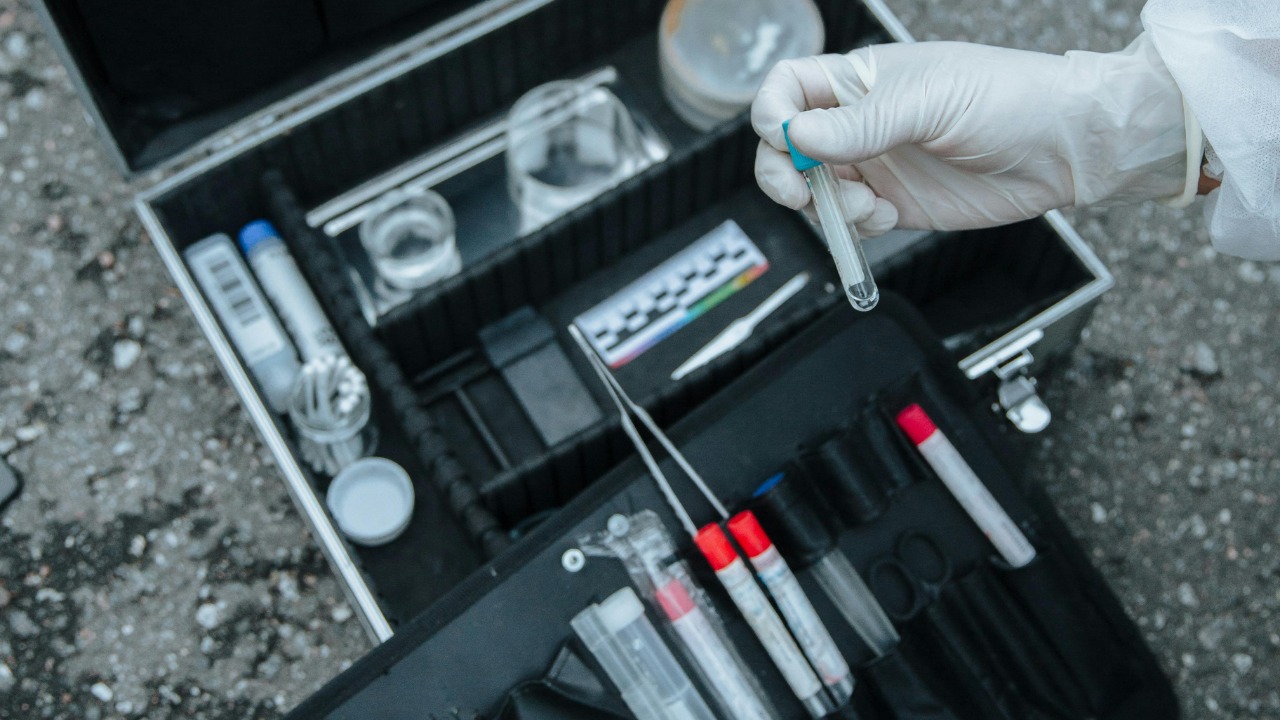
Because Jernigan died after an apparent act of violence, the case also falls under the jurisdiction of the Dallas County medical examiner. The Southwestern Institute of Forensic Sciences, or SWIFS, says violent and other non-natural deaths must be investigated under Texas law to determine both cause and manner of death. That process serves a different purpose from the police investigation, but it is still a key part of the overall case. SWIFS explains that cause of death identifies the injury or disease that produced death, while manner of death classifies how it happened, such as homicide, suicide, accident, natural, or undetermined. In a fatal shooting, that medical determination becomes part of the official record and can later become important in court if charges are filed. The full report is not immediate. SWIFS says autopsy reports are typically completed within 60 days, though some take up to 90 days when additional testing or investigation is needed. That means some of the most detailed findings in the case may not be formally available for weeks, even as detectives continue their own work on a much faster timeline.
Why the second victim matters
One of the most notable details in the initial police account is that the second wounded man was taken to a hospital by private vehicle rather than by ambulance. Publicly, that detail says only one thing for certain: another person survived the shooting long enough to reach medical treatment. It could also make that man an especially important figure in the investigation. If he witnessed the shooting or had direct contact with the gunman, his account may help detectives establish how the violence unfolded and whether Jernigan was the intended target. Police have not said whether he has been interviewed or whether he knew Jernigan, and there is no public indication yet of how central his account may become.
What comes next
For now, the case sits in the familiar early stage that follows many city homicides. Detectives are likely working to build a clearer timeline, identify everyone who was present, and determine whether any nearby surveillance cameras or cellphone video captured the shooting or its aftermath. None of that has been outlined publicly yet, but those are the kinds of steps that typically shape what happens next in a case like this.
Anyone with information about the case is being asked to contact the Dallas Police Department. For Jernigan’s family, neighbors, and anyone else waiting for answers, the next meaningful development may come in small increments rather than dramatic revelations: a new police update, a public identification of a suspect, or court records that finally explain what happened on Elsie Faye Heggins Street that night.