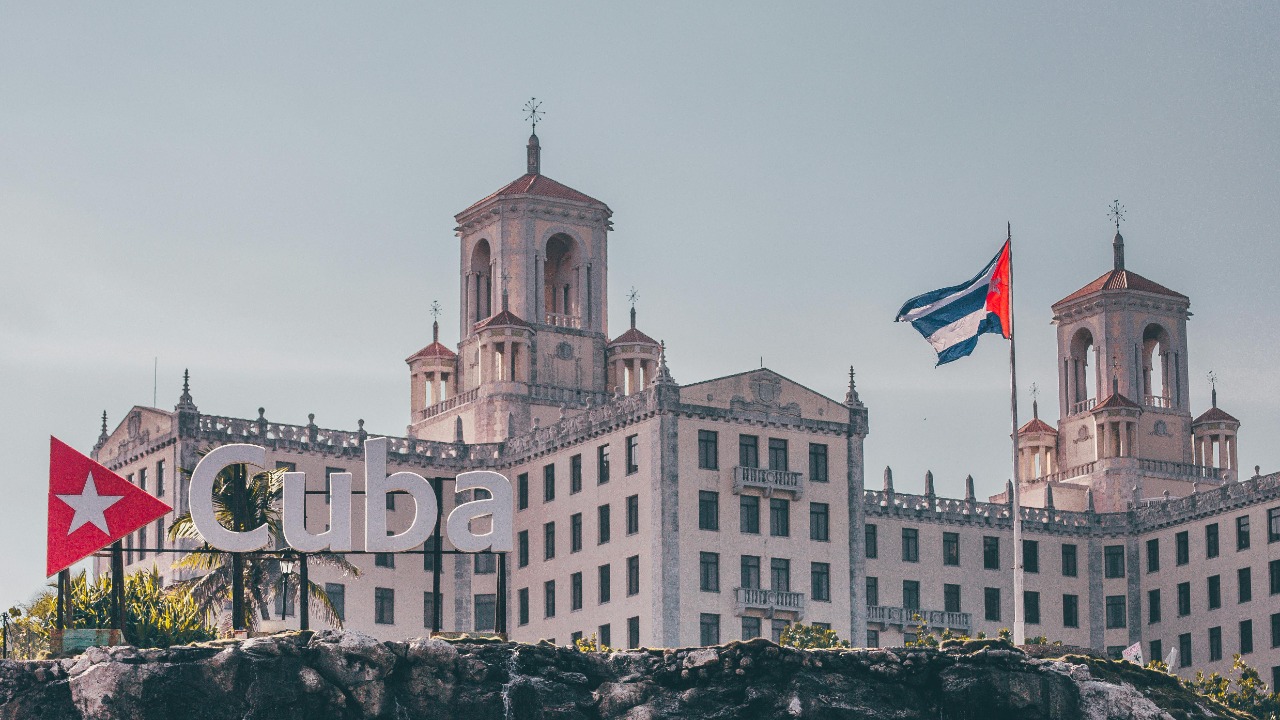
Cuba has postponed one of its best-known international events, the Habanos Festival, after worsening fuel shortages and blackouts made it harder for authorities to promise the kind of polished showcase the cigar industry depends on.
For Havana, the setback is bigger than a missed celebration. The annual gathering has long doubled as a prestige event, a trade fair and a source of hard currency at a time when the island is struggling to keep the lights on and fuel moving.
The festival has for years drawn distributors, retailers, collectors and cigar enthusiasts to Cuba for plantation tours, factory visits, product launches and high-profile auctions. Its absence removes one of the country’s most visible commercial showcases just as broader shortages ripple through tourism, transport and daily life.
Festival delayed as Cuba’s energy crunch worsens
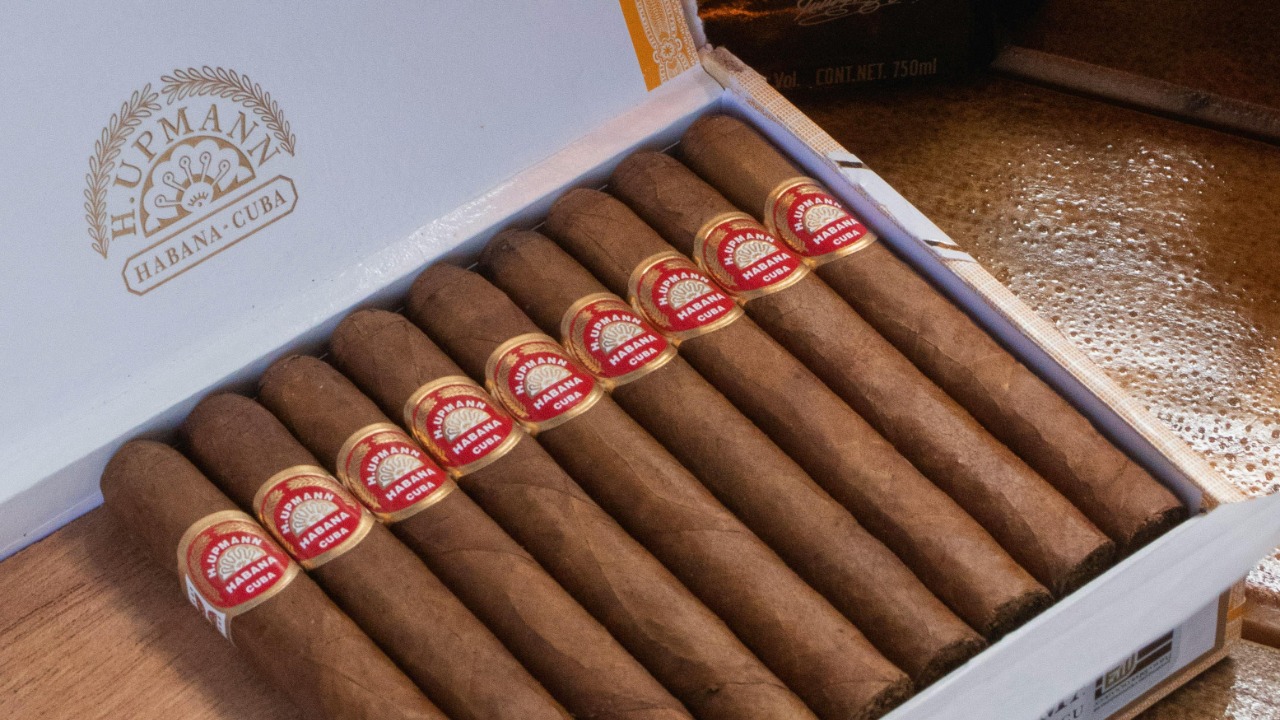
Organizers said the 26th edition of the festival, originally scheduled for late February, would be postponed to preserve the event’s usual standards.
The Associated Press reported that Habanos S.A. did not announce a replacement date, while United Press International described the move as an indefinite postponement.
The festival is one of the cigar world’s signature gatherings and a major annual marketing platform for Cuba’s premium tobacco business. Guests typically visit plantations in Pinar del Río, tour factories in Havana, and attend gala events built around limited editions and luxury humidors.
In 2025, Reuters reported that Habanos posted record sales of $827 million in 2024, underscoring how valuable the brand remains even as Cuba’s domestic economy deteriorates.
State tobacco company Tabacuba tied the postponement to the country’s broader economic distress and to what Cuban officials describe as the intensification of the U.S. economic, commercial and financial embargo. That language reflects Havana’s long-standing description of U.S. policy, but the practical problem on the ground is easier to see: rolling outages, tighter fuel supplies and a government increasingly forced to prioritize essential services over showcase events.
Why the pressure is hitting now
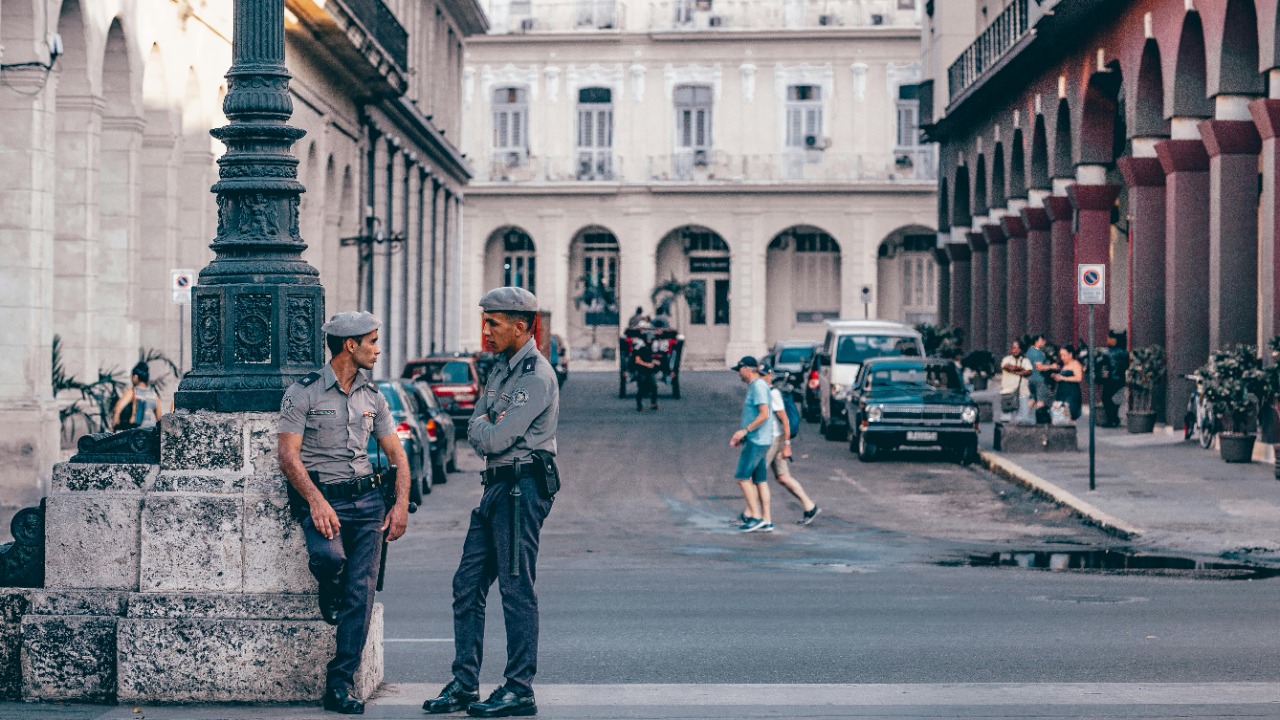
The postponement did not happen in a vacuum. Cuba has been dealing with a years long economic slide, but conditions worsened sharply after Washington hardened its posture again in 2025 and early 2026.
On June 30, 2025, the White House issued National Security Presidential Memorandum 5, paired with a fact sheet saying the administration was restoring and strengthening a tougher Cuba policy. Then on Jan. 29, 2026, President Donald Trump signed an order titled “Addressing Threats to the United States by the Government of Cuba.”
The accompanying White House fact sheet said the order created a process to impose tariffs on goods from countries that sell or otherwise provide oil to Cuba. That added a new layer of pressure to an island already heavily dependent on imported fuel.
The effect was immediate enough that even Cuba’s remaining lifelines began to look shaky. On Feb. 9, Reuters reported that Mexican President Claudia Sheinbaum said Mexico’s oil shipments to Cuba were currently halted. Reuters had also reported earlier that shipments had already been paused amid concern over possible retaliation from Washington.
From sanctions policy to blackouts on the ground
That is where the story becomes more concrete than rhetoric. Cuba’s power system was already fragile, with aging plants and chronic maintenance problems.
When imported fuel tightens, blackouts spread faster, transport slows and the government has fewer options for keeping tourism and hospitality running at normal levels. On Feb. 5, Reuters reported that Cuban authorities were preparing a rationing response as U.S. pressure threatened to block more fuel from reaching the island.
Within days, the disruption began spilling into travel. Reuters later reported that airlines were warned Cuba would run short of jet fuel, leading some carriers to suspend flights or refuel elsewhere. The Associated Press also reported that some hotels were shut down and tourists were relocated as authorities tried to conserve electricity.
In that environment, hosting an international cigar festival with plantation visits, gala dinners, factory tours and luxury auctions starts to look less like a priority than a liability.
That is what makes the postponement significant. It is not just a scheduling change but a sign that Cuba’s foreign-currency economy is being squeezed to the point where even one of its most recognizable premium export events can no longer be treated as untouchable.
A costly blow to one of Cuba’s rare bright spots
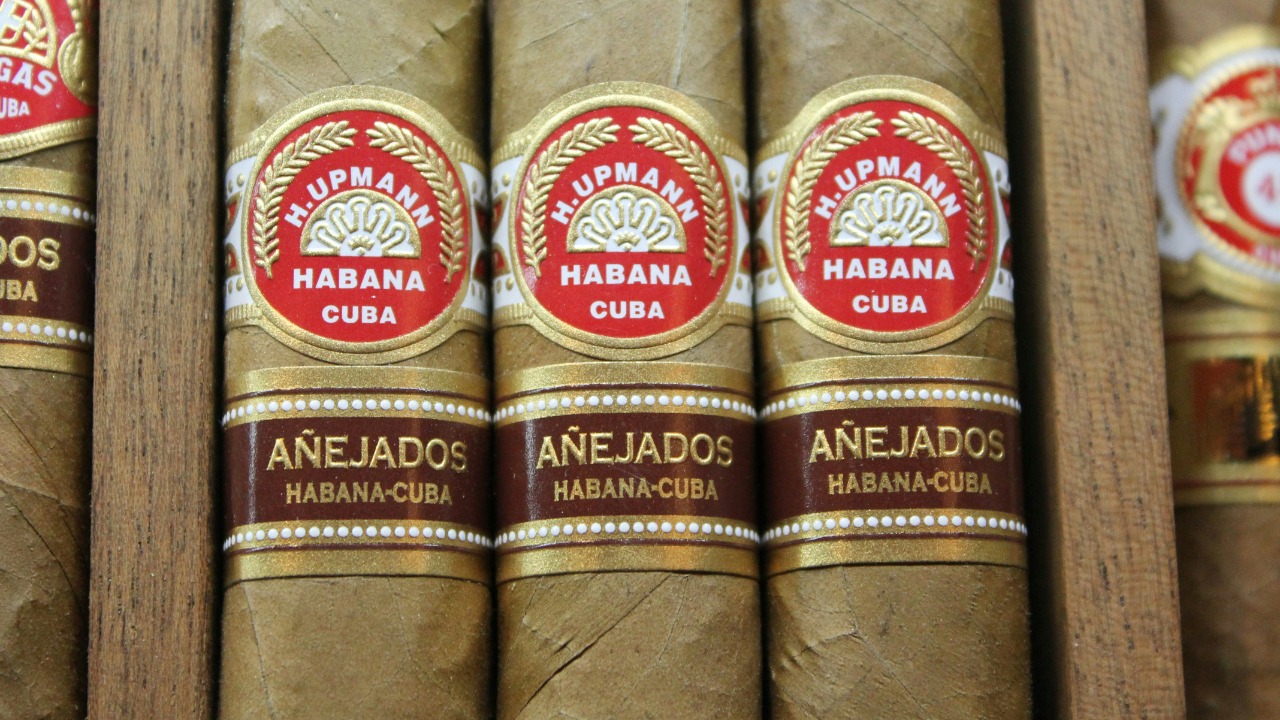
The timing is especially painful because premium cigars remain one of the few Cuban products that still carry strong global pricing power. Habanos has spent years building scarcity, heritage and luxury branding into a business that continues to sell well in Europe and Asia.
The festival reinforced that image by giving buyers and collectors a direct connection to the product’s origin and mythology. It is part trade show, part spectacle and part proof that Cuban cigars still command top-tier attention. Without that platform, Habanos loses more than a week of events. It loses one of its clearest annual opportunities to convert prestige into contracts, publicity and auction revenue.
The Associated Press noted that last year’s festival ended with an auction that brought in $18 million, with the company already having already announced record sales. The event was more than ceremonial. It was one of the few places where Cuba could still project luxury while the rest of the economy was shrinking.
The impact also extends beyond cigar executives and foreign distributors. Hotels, drivers, restaurant workers, guides, factory staff and plantation workers all benefit when the festival brings international visitors into Havana and western Cuba. In a country where shortages have eroded incomes and daily routines, the loss of a major event like this is felt at every level.
Why the story matters beyond cigars
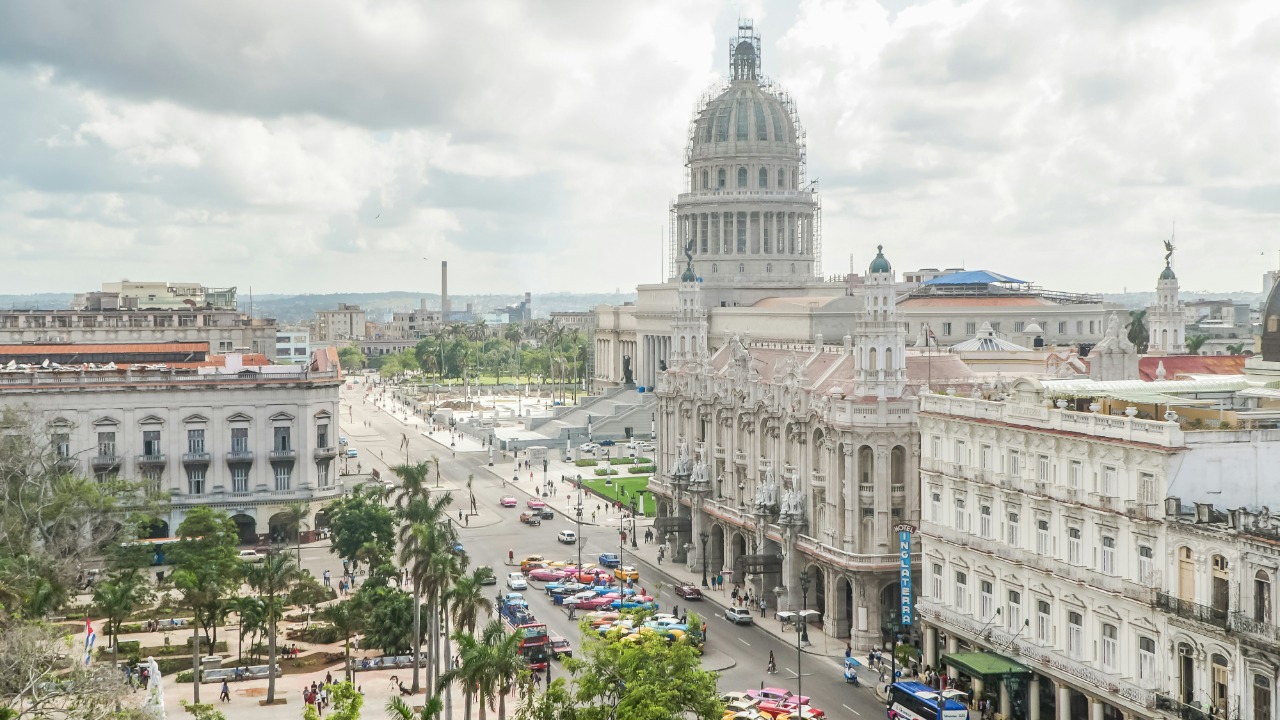
The postponed festival also says something larger about the current Cuban crisis. Havana has spent years trying to protect the sectors that generate hard currency, especially tourism and export brands with global recognition.
When even those sectors are forced to pull back because the state cannot reliably support transport, fuel supply, air travel and hospitality, it signals a deeper level of strain. That is why the Habanos Festival story lands harder than a simple event delay.
It captures, in one unusually visible decision, the collision of tougher U.S. pressure, fewer oil shipments, a weakened power grid and an economy with less room than ever to absorb another shock.
For cigar buyers abroad, it is a missed pilgrimage and a disrupted sales cycle. For Cuba, it is a reminder that one of the island’s most famous export symbols is no longer insulated from the wider crisis closing in around it.