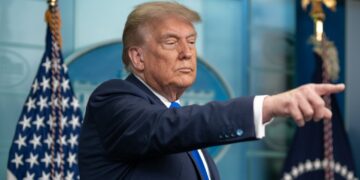
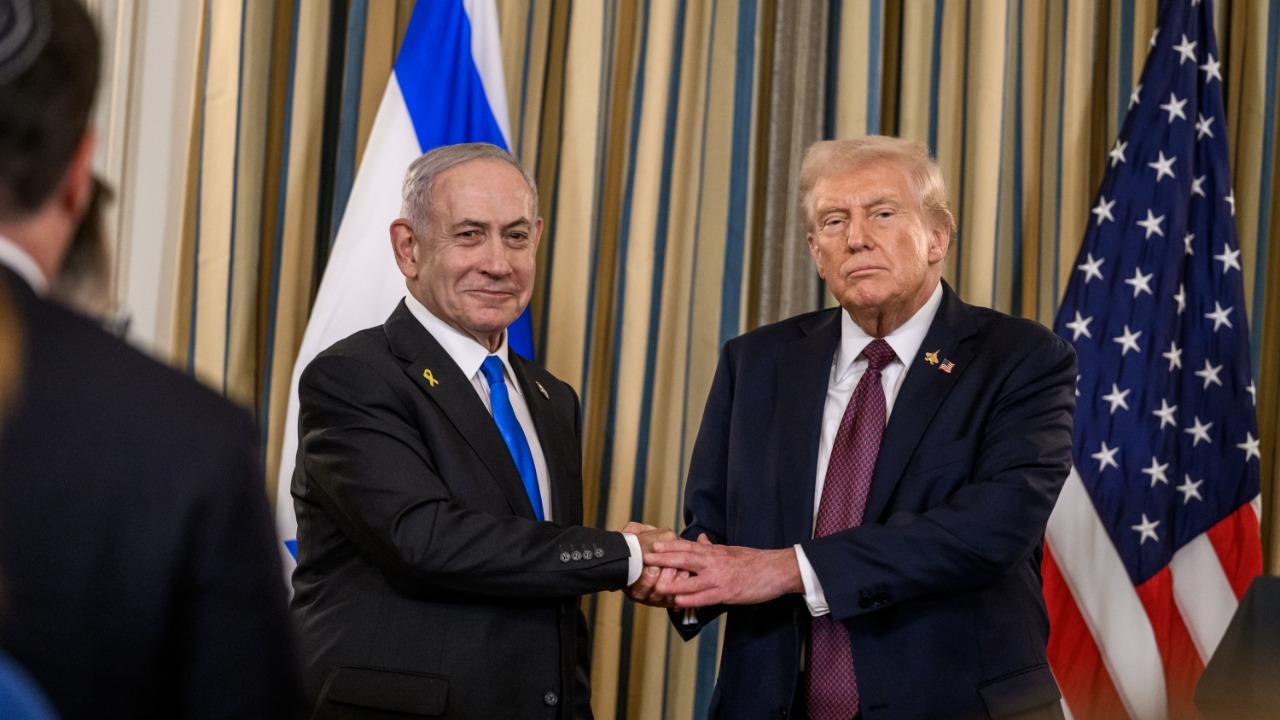
President Donald Trump spent part of the day at the White House with Israeli Prime Minister Benjamin Netanyahu as the administration confronted one of its most sensitive foreign policy questions: how far to push on Iran while keeping the region from slipping into a wider crisis. At nearly the same time, a very different U.S. diplomatic push was unfolding in Caracas, where Energy Secretary Chris Wright arrived to deepen talks with Venezuela’s interim government over oil production, investment and the future of the country’s battered energy sector. Taken together, the two tracks showed an administration trying to manage risk in the Middle East while opening a new supply channel closer to home.
Trump and Netanyahu meet with Iran at the center
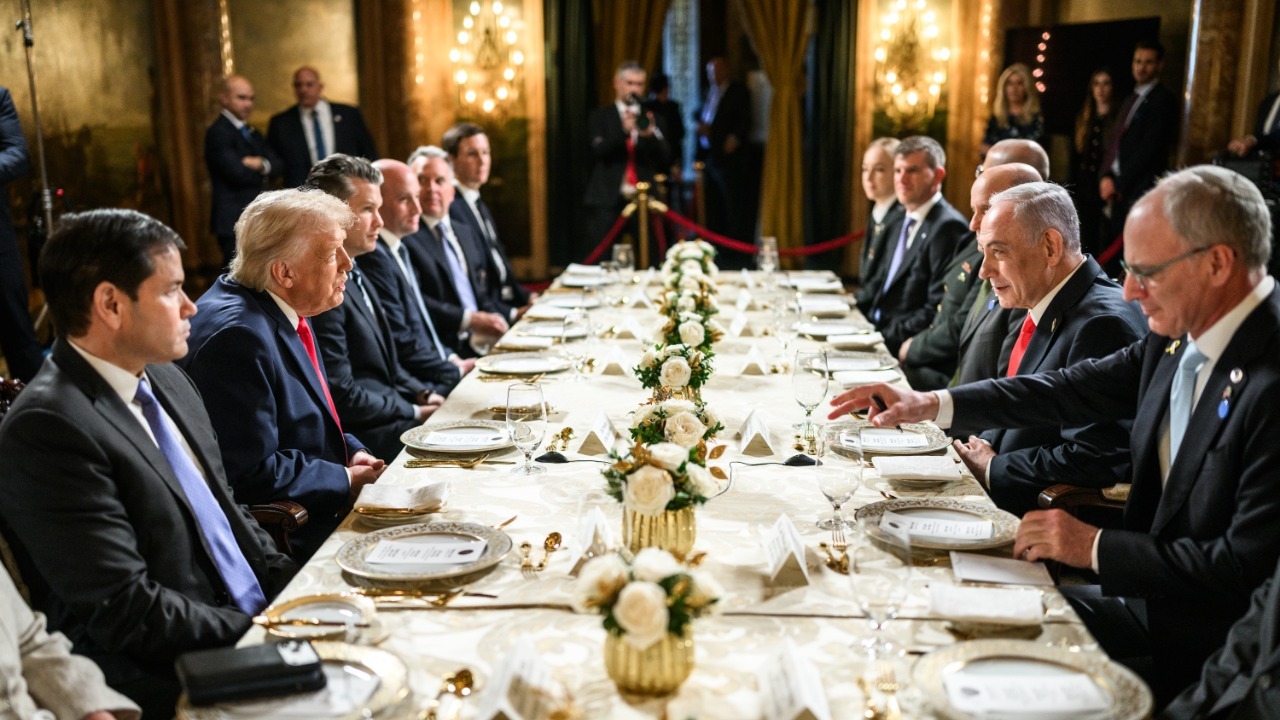
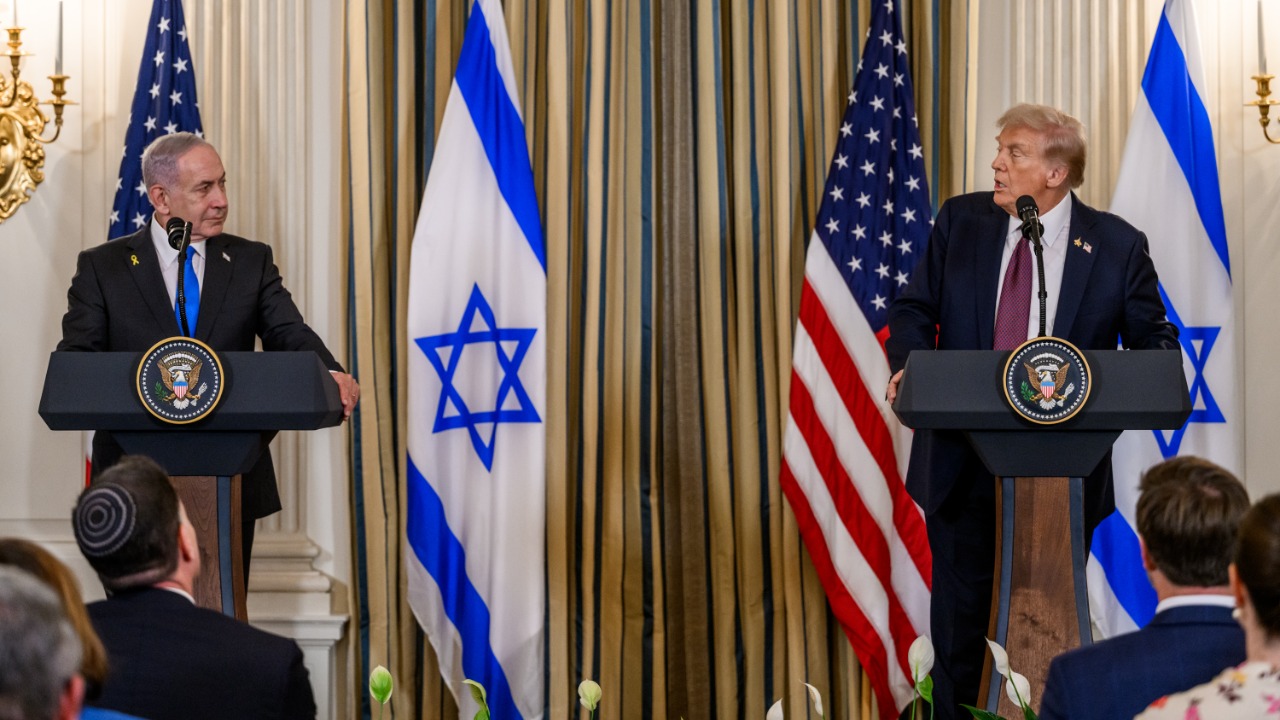
Trump’s meeting with Netanyahu was closely watched not because it produced an immediate breakthrough, but because of what it suggested about the state of U.S.-Israeli coordination at a tense moment. White House pool reports showed Netanyahu arriving at the White House shortly before 11 a.m. for a closed-press Oval Office meeting that lasted about two and a half hours.
Reuters reported ahead of the talks that Iran diplomacy was expected to dominate the conversation and afterward said Trump indicated there was no “definitive” agreement with Netanyahu while U.S. talks with Iran would continue.
That matters. It gave the meeting sharper edges than a routine allied visit. Rather than presenting a fully unified public front on next steps, Trump signaled that Washington still wanted room to maneuver.
For Netanyahu, the visit underscored how central the U.S. relationship remains as Israel presses its case on Iran. For Trump, it was a chance to show close ties with one of Washington’s key regional partners without fully locking himself into a single path.
The result was a meeting with real strategic weight, even without a splashy policy announcement. The visual message was easy to read: Israel remains central to the administration’s Middle East calculations. The harder part is what comes next, especially if diplomacy with Tehran falters or regional pressure intensifies.
Caracas becomes the other major story of the day
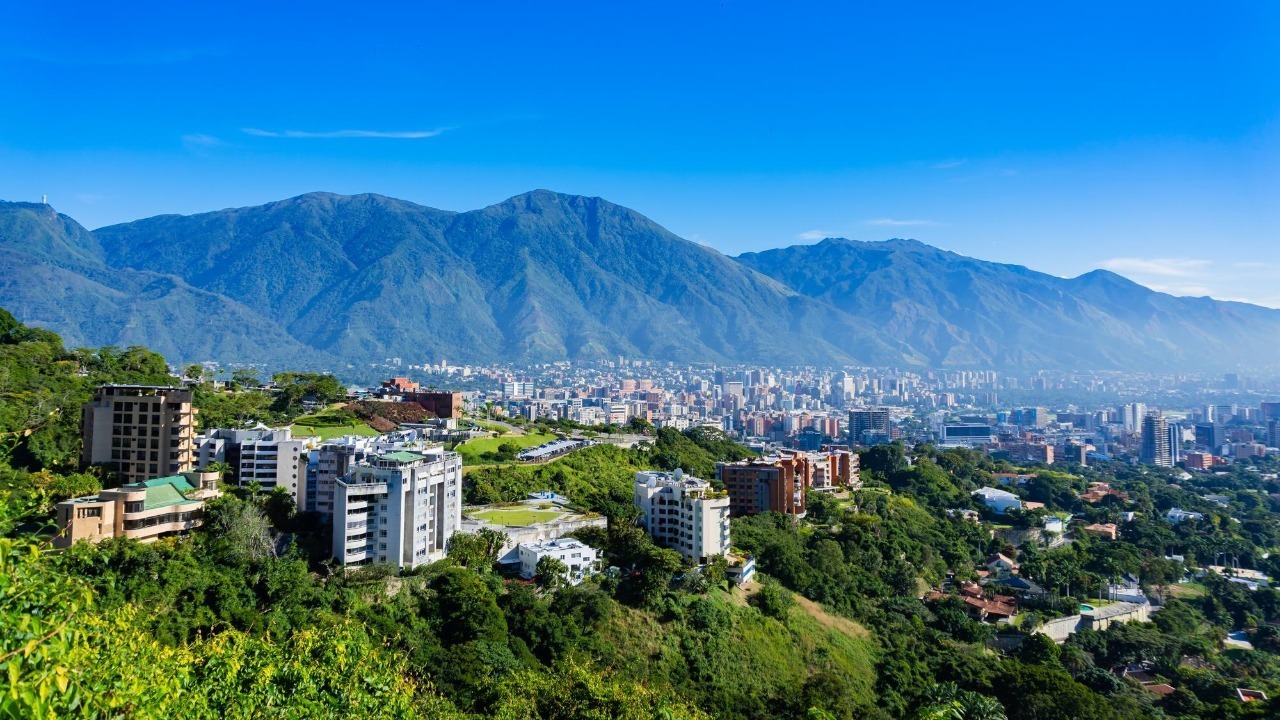
While Washington focused on Netanyahu, Wright was in Caracas for a trip the Department of Energy described as part of President Trump’s “historic energy deal” with Venezuela. The department said Wright arrived in the Venezuelan capital and later delivered remarks alongside Interim President Delcy Rodríguez after meetings at Miraflores Palace.
That alone marked a sharp shift. High-level contact of this kind had been rare for years, and the symbolism of a sitting U.S. energy secretary meeting publicly with Venezuelan leadership was difficult to miss.
Reuters described the visit as the most significant U.S. energy diplomacy with Venezuela in nearly 30 years, with Wright pushing for foreign investment and warning against deals that could deepen Chinese influence over the country’s resource sector.
For the Trump administration, the trip was about more than optics. It was an attempt to move from political disruption to economic follow-through. Venezuela has some of the world’s largest crude reserves, but years of sanctions, underinvestment and operational decline have left the sector far below its former capacity.
If Washington wants Venezuela to become a meaningful supply partner, it has to help turn a diplomatic opening into actual barrels.
From confrontation to commercial talks
The speed of the shift has been one of the most striking parts of the story. Reuters reported that Wright’s visit followed the capture of Nicolas Maduro by U.S. forces in early January and a $2 billion oil supply deal reached shortly afterward between the United States and Venezuela.
By the time Wright arrived in Caracas, the relationship had already moved from rupture to bargaining. That transition kept building. A Reuters report published the following day said Wright told NBC News that U.S.-led oil sales from Venezuela could generate $5 billion in the coming months.
The figure gave the administration a concrete way to argue that its Venezuela policy was not just geopolitical theater but an emerging commercial strategy. Subsequent reporting from The Associated Press showed the opening was broadening beyond oil. By early March, AP reported that the United States and Venezuela had agreed to reestablish diplomatic relations, and that Wright’s visit had focused on the country’s oil potential before Interior Secretary Doug Burgum traveled to Caracas for talks centered on minerals and resources.
The speed of the shift has been one of the most striking parts of the story. Reuters reported that Wright’s visit followed the capture of Nicolas Maduro by U.S. forces in early January and a $2 billion oil supply deal reached shortly afterward between the United States and Venezuela.
By the time Wright arrived in Caracas, the relationship had already moved from rupture to bargaining. That transition kept building. A Reuters report published the following day said Wright told NBC News that U.S.-led oil sales from Venezuela could generate $5 billion in the coming months.
The figure gave the administration a concrete way to argue that its Venezuela policy was not just geopolitical theater but an emerging commercial strategy. Subsequent reporting from The Associated Press showed the opening was broadening beyond oil. By early March, AP reported that the United States and Venezuela had agreed to reestablish diplomatic relations, and that Wright’s visit had focused on the country’s oil potential before Interior Secretary Doug Burgum traveled to Caracas for talks centered on minerals and resources.
The oil promise is real, but so are the obstacles
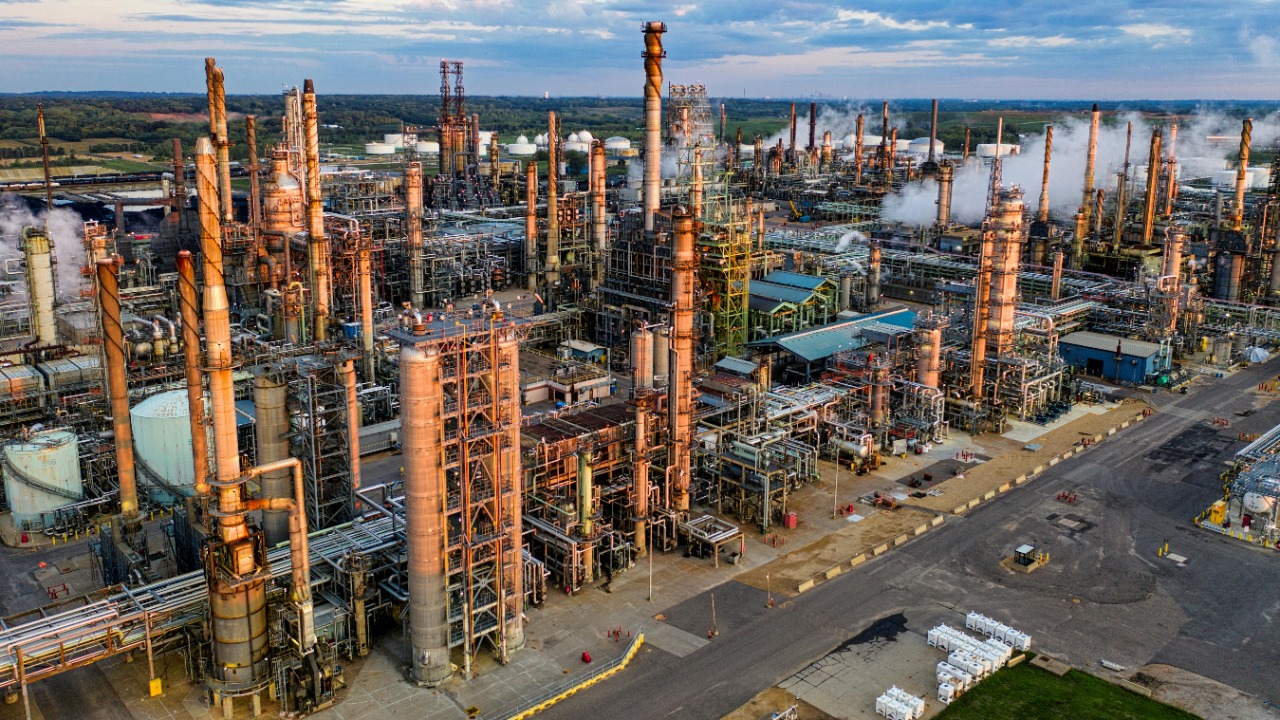
More Venezuelan crude could help feed refineries on the U.S. Gulf Coast that are built to process heavy grades, while also giving Washington more flexibility if conflict or instability squeezes supply elsewhere. That is the strategic logic behind moving quickly.
But the practical limits are just as clear. Reuters has reported that Venezuela is producing about 1 million barrels of oil per day, far below earlier levels, and that Wright’s task in Caracas was effectively Herculean. Restarting meaningful growth will require capital, equipment, maintenance, legal clarity and a work force capable of bringing neglected fields and facilities back into shape.
The gap between signing deals and restoring production is wide. Investors will want to know how durable the political arrangement is, how contracts will be protected and whether the sector can be rebuilt without another abrupt turn in policy.
Even so, the significance of the talks should not be understated. They pushed U.S.-Venezuela engagement to a level not seen in decades, and they did so with the energy secretary, not a lower-level envoy, carrying the message in person
What the dual track says about Trump’s foreign policy
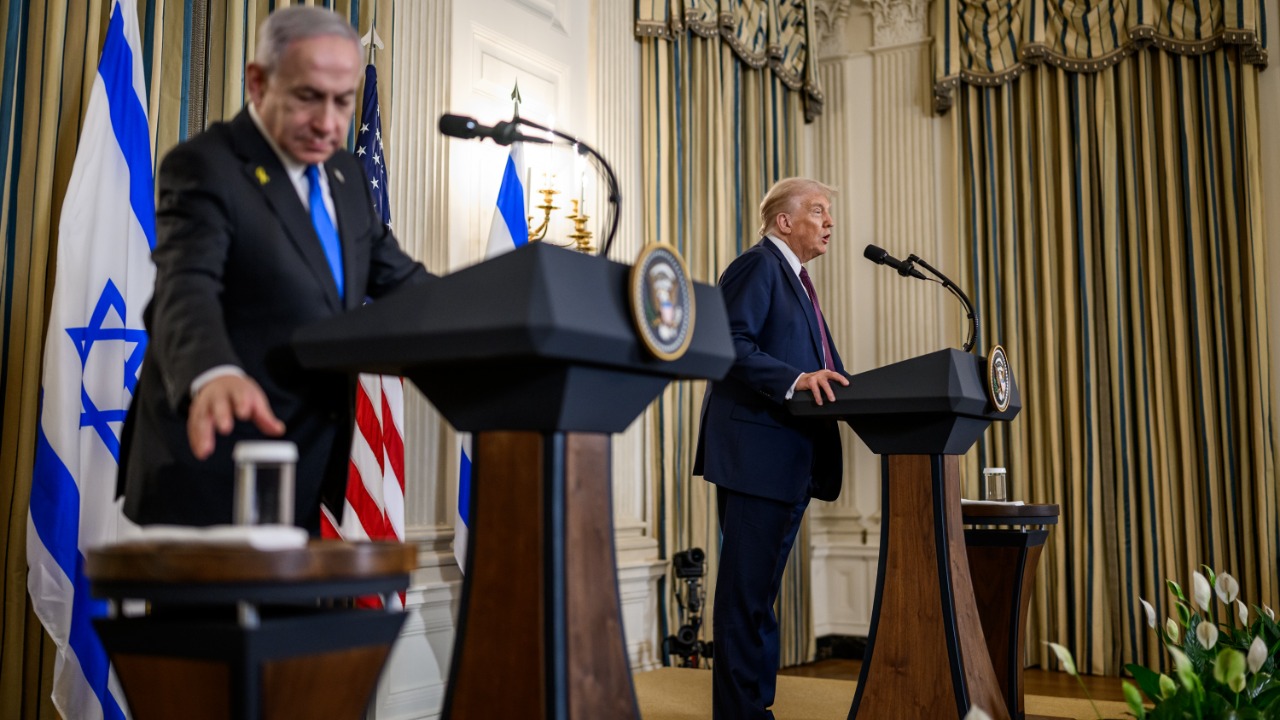
Put side by side, the Netanyahu meeting and the Caracas mission reveal a White House trying to manage two very different pressures at once. In one arena, Trump is reinforcing a close security relationship with Israel while keeping his options open on Iran. In the other, he is trying to build an energy and investment channel in Latin America that could reduce exposure to shocks tied to the Middle East.
Whether that works will depend on execution, not ceremony. The White House meeting with Netanyahu showed that Israel remains near the center of Trump’s foreign policy map. Wright’s trip to Caracas showed that Venezuela is moving onto it fast.
The harder question, and the one that will decide whether this approach holds up, is whether the administration can turn both relationships into lasting results rather than headline moments.Sources: Reuters on the Trump-Netanyahu meeting, White House pool reports via The American Presidency Project, U.S. Department of Energy on Wright’s arrival in Caracas, U.S. Department of Energy on Wright’s remarks with Delcy Rodriguez, Reuters on the Venezuela investment push, Reuters on projected oil sales, and Associated Press on the restoration of diplomatic relations.