An armed 21-year-old North Carolina man was shot and killed after breaching the secure perimeter at Mar-a-Lago in Palm Beach, Florida, in an incident that triggered an immediate multi-agency response and a federal investigation. Authorities later identified the man as Austin Tucker Martin of Moore County, North Carolina. The shooting unfolded in the early morning hours after Martin entered the property through the north gate area while a vehicle was exiting, according to law enforcement officials. Investigators say he was carrying a shotgun and a fuel canister when officers confronted him inside the protected perimeter. The encounter ended within moments, leaving Martin dead at the scene and raising urgent questions about motive, planning, and how one of the country’s most closely watched private properties was breached at all.
What happened at Mar-a-Lago
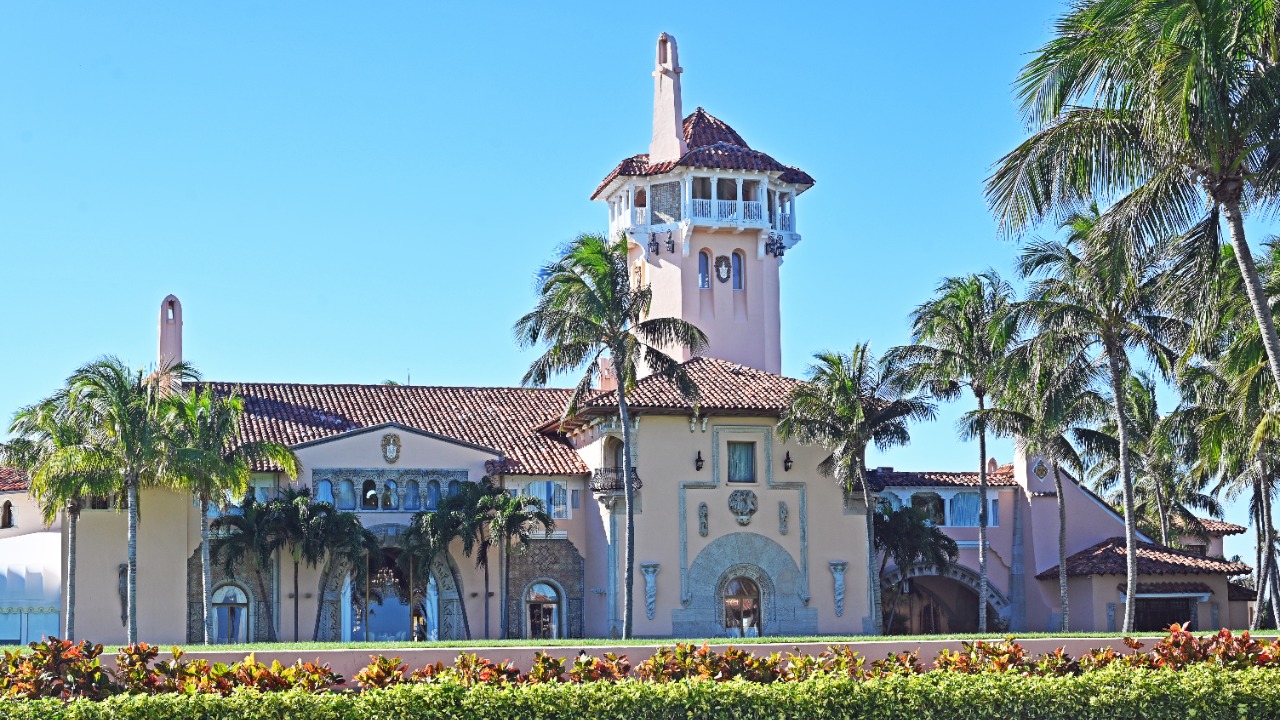
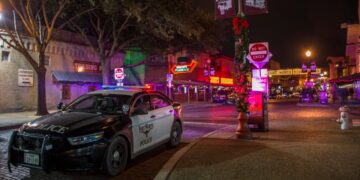
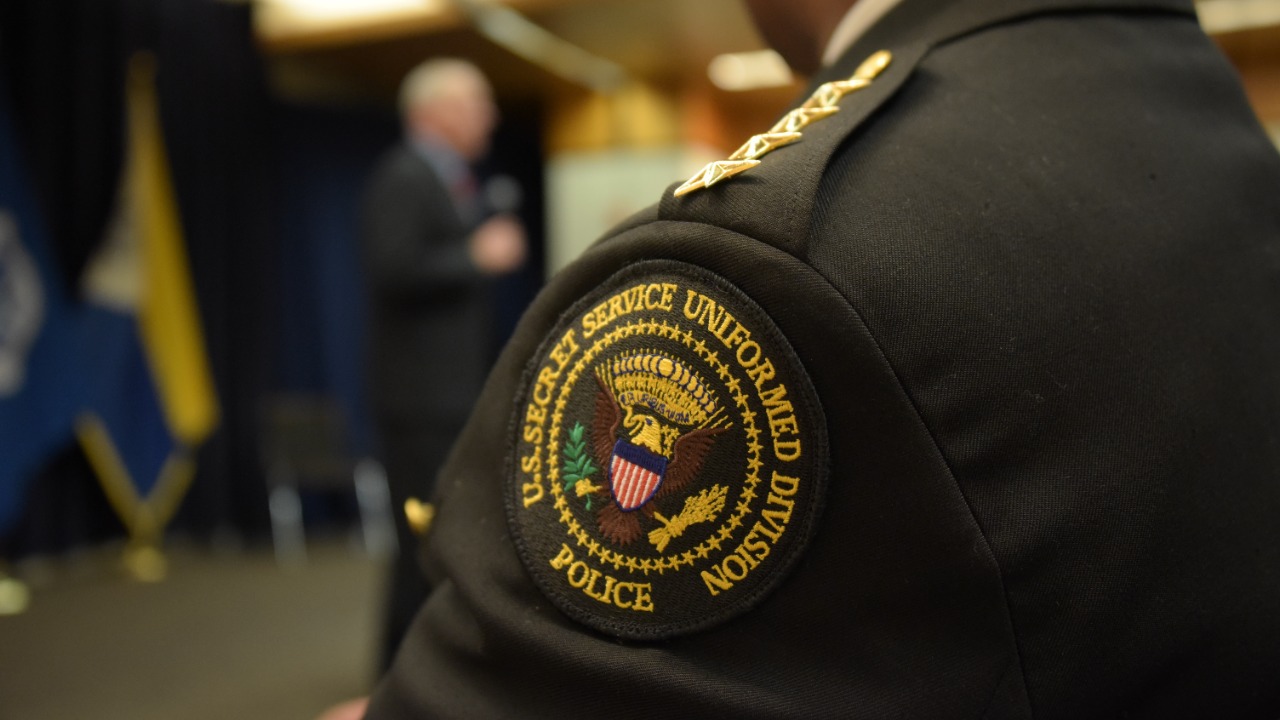
The clearest public account so far comes from statements by the FBI’s Miami field office and reporting from Reuters and the Associated Press via PBS. Together, those reports show a more precise sequence than early fragmented accounts. Officials said Martin entered the secure area near the north gate at about 1:30 a.m. while another vehicle was leaving the property. Palm Beach County Sheriff Ric Bradshaw said Martin was carrying a shotgun and a gas or fuel canister when he was confronted by two Secret Service agents and a sheriff’s deputy. Officers ordered him to drop both items. According to Bradshaw’s public account, Martin put down the canister but raised the shotgun into a firing position, prompting the officers to open fire. No officers or bystanders were reported injured. Authorities also said President Donald Trump was not at Mar-a-Lago at the time of the breach, a key detail because it helps frame the incident as both a security failure and a rapid-response law enforcement encounter. Even without the president on site, Mar-a-Lago remained under a full protective posture.
What investigators have confirmed
The FBI confirmed Martin’s identity the following day and said its Evidence Response Team processed the scene in Palm Beach while FBI Charlotte collected evidence at his residence in Moore County. The bureau said it is treating the case as a fatal officer-involved shooting, which means investigators will reconstruct the encounter in detail, examine physical evidence, and determine whether the use of force complied with the law and agency policy. That framework matters because early reports sometimes focused on whether the Secret Service alone fired. Public statements from local officials were more specific. Bradshaw said the shots came from two Secret Service agents and one Palm Beach County sheriff’s deputy. Investigators are still expected to determine whose rounds caused the fatal wounds, but the broader point is clear: this was a joint law enforcement shooting, not a single-agency encounter. Authorities have also asked nearby residents to review security footage and submit any images or video that could help fill in the timeline. That request suggests investigators are looking beyond the seconds before the shooting and trying to piece together Martin’s route, approach, and actions in the area before he crossed into the protected zone.
What is known about Austin Tucker Martin
Publicly confirmed information about Martin remains limited, and that is where caution is especially important. The FBI has publicly identified him as a 21-year-old from Moore County, North Carolina. Reporting also indicated that a relative had reported him missing in North Carolina at about the same time the shooting was unfolding in Florida. Sheriff Bradshaw said Martin was not previously known to law enforcement in any significant way. Beyond that, much of the personal detail that surfaced in early coverage came from relatives or acquaintances speaking after the fact, and not all of it bears directly on the security breach itself. What matters most for a publication-safe version of this story is that investigators had not publicly established a motive at the time of the initial reporting. Authorities have not said whether Martin intended to target the president personally, force a confrontation with police, set a fire, or carry out some other act. They have not publicly tied him to any organized political group, and they had not announced evidence showing a wider conspiracy. Until investigators release more, any confident claim about motive would outrun the facts.
Why the breach matters
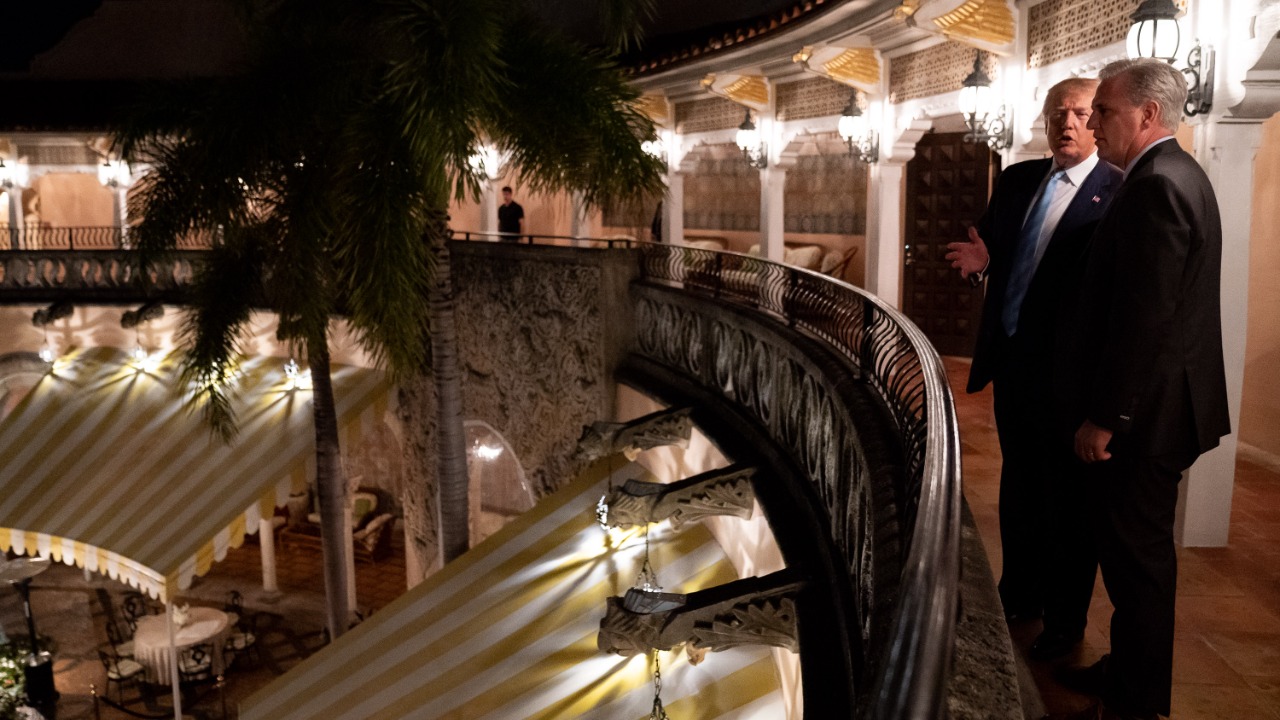
Mar-a-Lago presents a security challenge unlike a standard government compound. It is a high-profile private club, a residence used by the president, and a property that requires layers of federal and local protection. That combination creates pressure points at gates, driveways, and service access areas, especially when vehicles are moving in and out. This case illustrates that vulnerability in the starkest possible way. Martin did not have to scale a wall or force his way through a sealed checkpoint. Investigators say he entered as a vehicle was exiting, taking advantage of a moment when the perimeter was active rather than static. For security planners, that detail will likely matter as much as anything that happened after officers made contact. At the same time, the response also showed how those layers are designed to work once a breach occurs. Within seconds, the intruder was confronted by armed personnel already in position. Within hours, the FBI had taken the lead on the shooting investigation, local officials had publicly briefed reporters, and federal investigators were gathering evidence in both Florida and North Carolina.
What comes next
The next stage of the case is likely to center on three questions. The first is motive: why Martin traveled from North Carolina to Palm Beach and entered the Mar-a-Lago perimeter armed with a shotgun and fuel canister. The second is timeline: how he got there, what he did in the hours before the breach, and whether anyone knew what he intended. The third is forensic clarity: which rounds struck him, what body camera and surveillance footage show, and whether every officer involved acted within policy. Those answers will determine how the incident is ultimately remembered. For now, the basic outline is established. An armed man entered the protected perimeter at Mar-a-Lago in the middle of the night. Officers ordered him to disarm. He raised the shotgun, according to law enforcement. Two Secret Service agents and a Palm Beach County deputy opened fire, and the FBI is now investigating the deadly encounter. That is the strongest verified version of the story at this stage, and it is the one the article needs to deliver cleanly.