
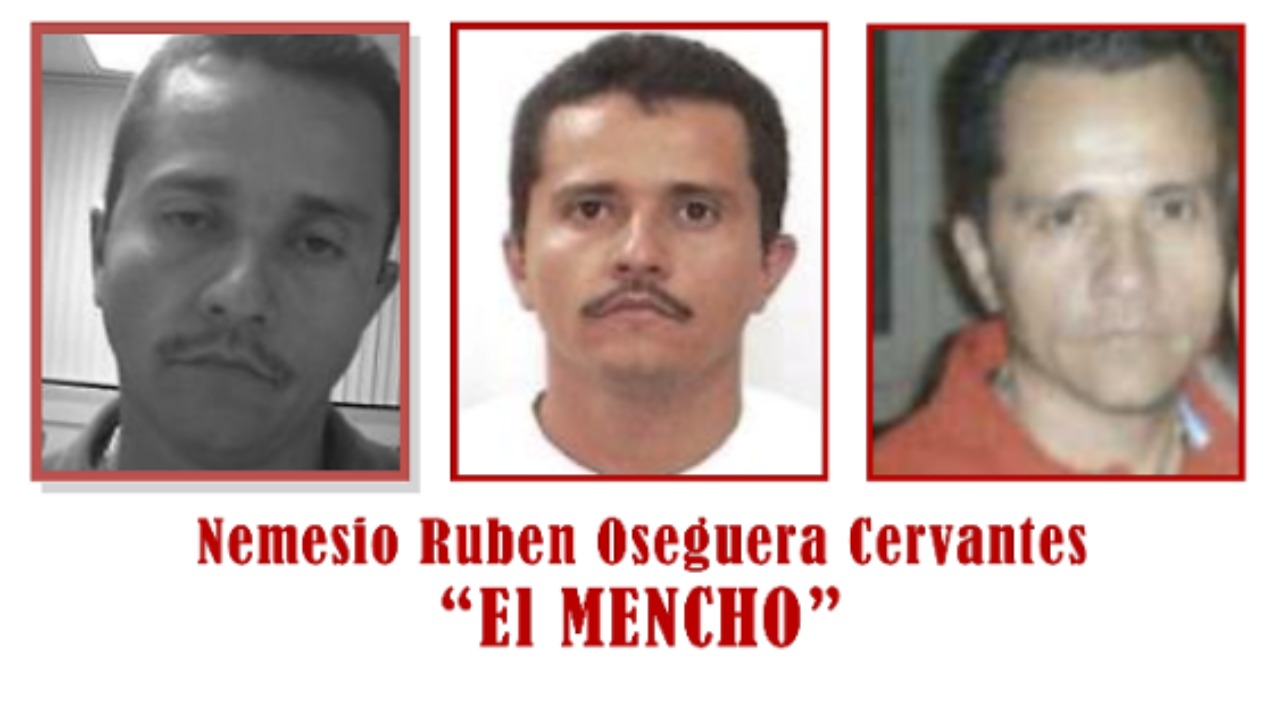
Mexican security forces have killed Nemesio Oseguera Cervantes, the longtime leader of the Jalisco New Generation Cartel, in what authorities described as one of the most consequential strikes against organized crime in recent Mexican history. The death of the man better known as El Mencho did not bring immediate calm. Instead, it triggered a rapid wave of retaliatory violence that spread across several states, disrupted roads and public life, and prompted U.S. officials to order government personnel in affected areas to shelter in place. What began as a major tactical victory quickly became a test of whether the state could contain the fallout from the fall of one of Mexico’s most feared cartel leaders.
How the operation unfolded
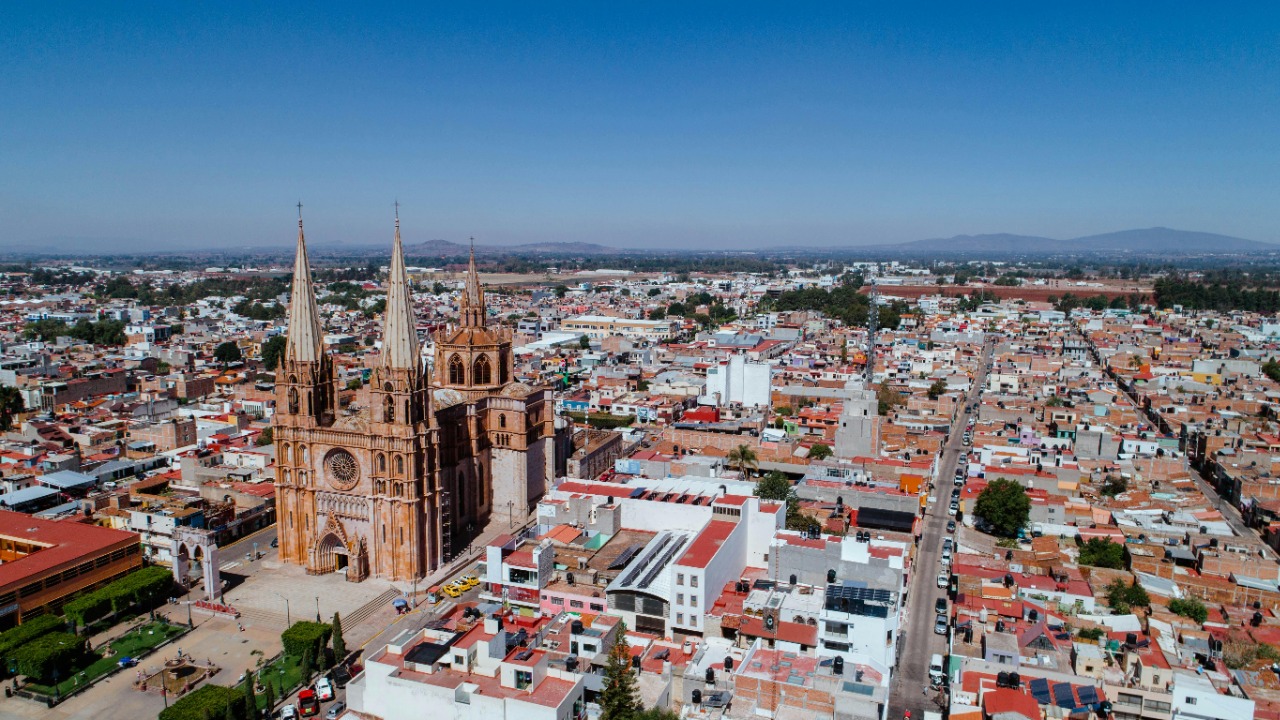
Mexican officials said the operation took place in Jalisco state after security forces tracked Oseguera to a rural property and moved in with military support. A firefight broke out. By the end of the mission, El Mencho was dead, along with several men around him. Public reporting makes clear that this was not a spontaneous raid. It was the product of sustained surveillance and intelligence work aimed at a fugitive who had eluded authorities for years. Reuters reported that the operation was carried out by Mexican forces with U.S. backing in the intelligence chain, while later reporting indicated officials benefited from a fresh lead tied to one of Oseguera’s personal relationships. Authorities have not publicly released every operational detail, and that is not unusual in a case of this sensitivity. Even so, the broad outline is strong enough. Mexican forces located one of the most wanted men in the hemisphere, closed in on him, and killed him during or immediately after the clash. For a government under constant pressure over cartel violence, the result was both symbolic and operationally important. The operation also appears to have come at a cost. Subsequent reporting indicated members of Mexico’s security forces were killed in the raid or died from injuries afterward, underscoring the intensity of the confrontation and the level of protection around the cartel boss. This was not a low-risk arrest attempt. It was a direct armed encounter with a target who had built an organization known for confronting the state with military-style force.
Why El Mencho mattered so much
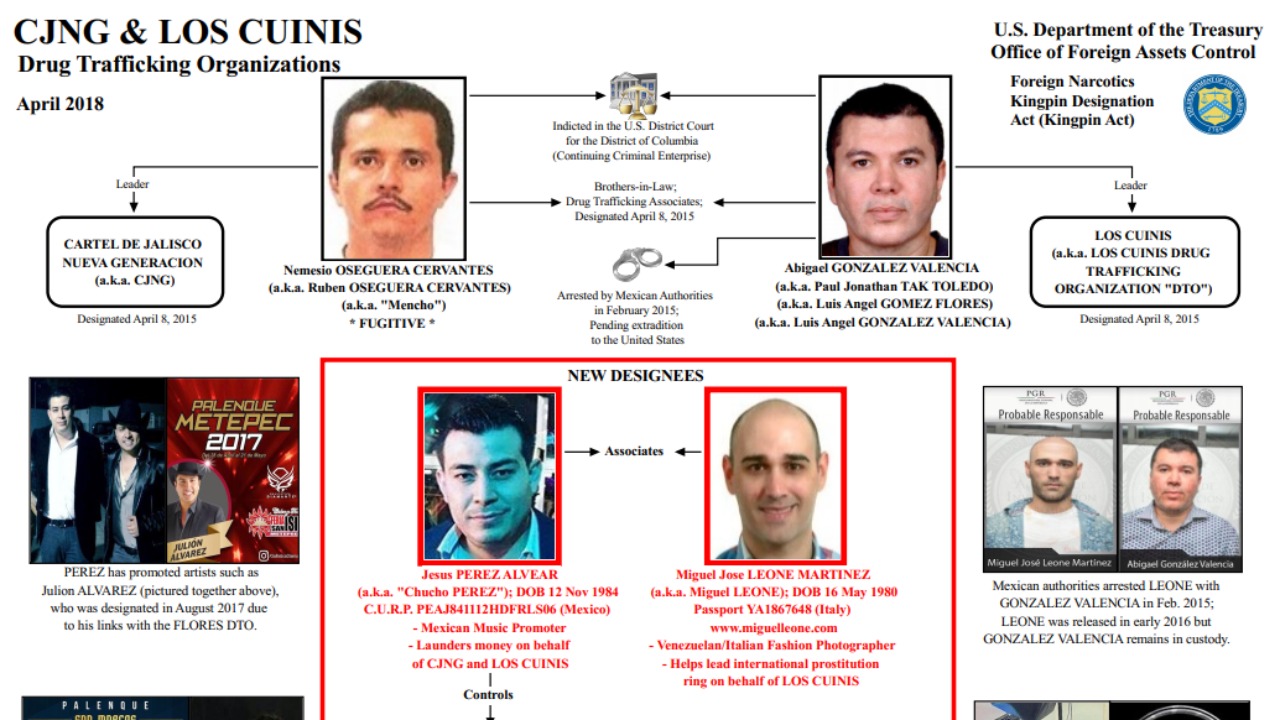
Oseguera was not just another trafficker. Under his leadership, the Jalisco New Generation Cartel, better known as CJNG, became one of the most aggressive and far-reaching criminal organizations in the Americas. The group built its power through speed, violence, and its willingness to challenge both rivals and the government. U.S. authorities had pursued him for years. He was under federal indictment in the United States and had been the subject of a multimillion-dollar reward offer. His cartel was deeply tied to the trafficking of fentanyl and methamphetamine into the United States, making him a central figure in the cross-border drug trade and a major target for law enforcement on both sides of the border. That is why his death carried significance far beyond western Mexico. It removed a cartel boss who had become a fixture in U.S. drug enforcement strategy and in Mexico’s long struggle to contain criminal organizations that often operate with paramilitary reach. It also gave President Claudia Sheinbaum’s administration a dramatic security success at a time when Washington had been pressing Mexico to show stronger results against traffickers moving synthetic drugs north.
The U.S. role and the diplomatic response

Mexican officials publicly acknowledged U.S. support, though the wording was measured. According to Reuters, the United States provided assistance that helped shape the operation, but Mexican forces led the mission on the ground. That distinction matters politically. Security cooperation between Mexico and the United States is real, but it is also highly sensitive. Mexican leaders rarely want a major success against organized crime to appear foreign-directed, especially in a country where sovereignty concerns can quickly become domestic political issues. The public language around the raid reflected that balancing act. Mexico could present the strike as its own, while the United States could still point to meaningful intelligence cooperation against one of its top cartel targets. The violence that followed showed how seriously both governments viewed the risk. U.S. personnel in several parts of Mexico were told to shelter in place as roadblocks, arson attacks, and gunfire spread after the operation. The alert was an unusually stark sign that officials feared immediate instability in areas where CJNG still has strong influence.
Violence spreads after the killing
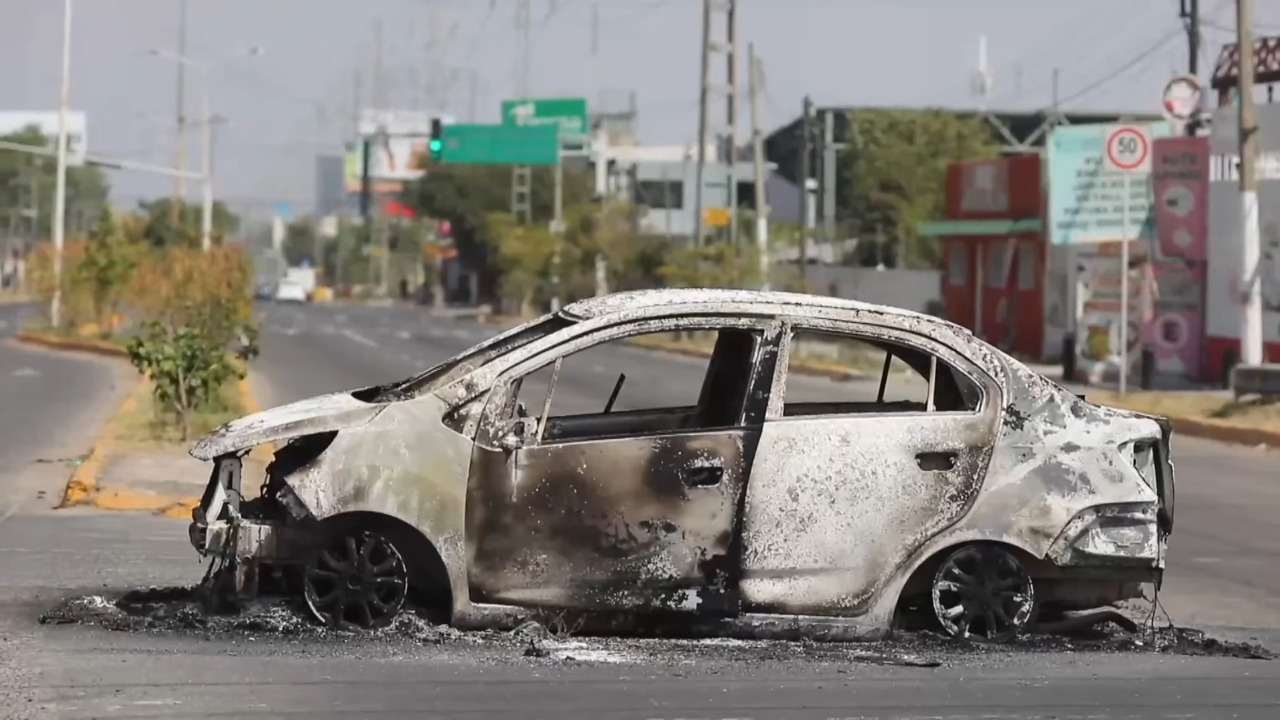
If the raid was a tactical success, the aftermath became a public display of the cartel’s reach. Within hours of Oseguera’s death, scenes of disruption began surfacing from western Mexico and beyond. Burning vehicles blocked roads. Public movement slowed. In some areas, daily life was interrupted almost immediately. That response fit a pattern long associated with cartel retaliation in Mexico. Road blockades and vehicle burnings serve more than one purpose. They hinder the movement of security forces, create confusion for civilians, and send a message to residents, local officials, and rival groups that the organization remains capable of generating fear even after losing its top leader. The Associated Press later reported that the violence connected to the operation and its aftermath left more than 70 people dead. Whether that toll rises further or not, it makes the larger point clear. In Mexico’s drug war, the removal of a kingpin often begins a new phase of instability rather than ending one. For ordinary residents, that matters more than the symbolism of the raid. Businesses close. Schools suspend classes. Travel becomes uncertain. Families stay indoors waiting for reassurance that may take days to arrive. The state can kill a cartel boss in one operation, but restoring normal life usually takes much longer.
What happens to CJNG now
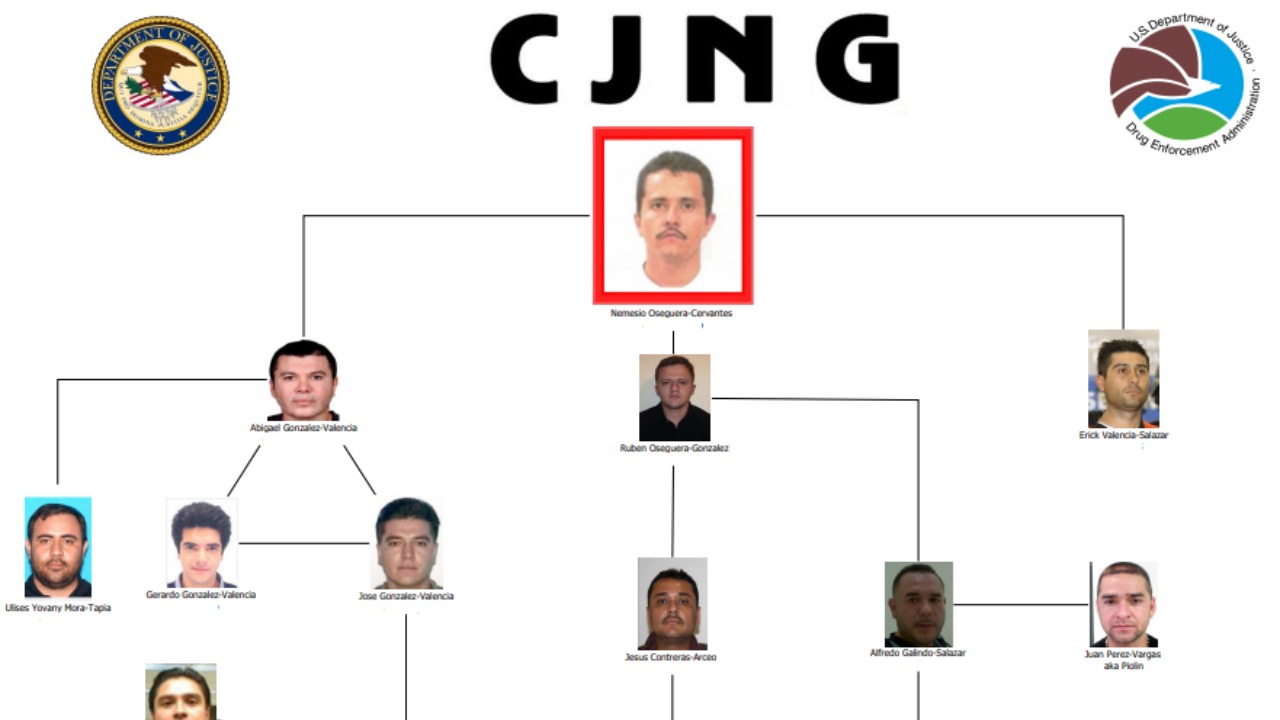
The biggest unanswered question is what the cartel becomes without the man who built it into a national and international force. CJNG is not a one-man organization, and that is why security analysts have long cautioned against assuming that removing its leader would cause it to collapse overnight. The cartel still has regional commanders, drug production capacity, trafficking routes, local alliances, and a brand of fear that retains power even after its founder’s death. That means the immediate risk is not disappearance. It is fragmentation, infighting, or a scramble among lieutenants to prove they can maintain control through even more violence. That possibility gives the story its real second act. A kingpin takedown can weaken a cartel, but it can also produce splinter groups, turf battles, and renewed competition over ports, smuggling corridors, extortion networks, and local political influence. Rival organizations may also test CJNG’s hold in contested territory. None of that guarantees a long-term deterioration. Governments sometimes use the shock of a leadership strike to move quickly against finances, logistics networks, and midlevel operators. But the meaning of this operation will be judged less by the drama of the raid than by what follows. If violence stays elevated, if extortion remains entrenched, and if fentanyl flows continue with little interruption, then the strategic value of the victory becomes harder to define.
What comes next
Mexican authorities later returned Oseguera’s body to his family after completing legal procedures and confirming the family relationship through genetic testing, according to Reuters and AP. That step did little to answer the larger question hanging over western Mexico. For now, El Mencho’s death stands as both a landmark law enforcement success and a warning. Mexico succeeded in eliminating one of the most feared traffickers of his generation. But the events that followed underscored a harder truth: taking down a cartel leader is not the same as dismantling the criminal system that allowed him to thrive. That is why this story matters beyond the raid itself. The headline is about the fall of one man. The real test is whether the government can prevent his death from becoming the opening move in another violent reshuffling of criminal power.