
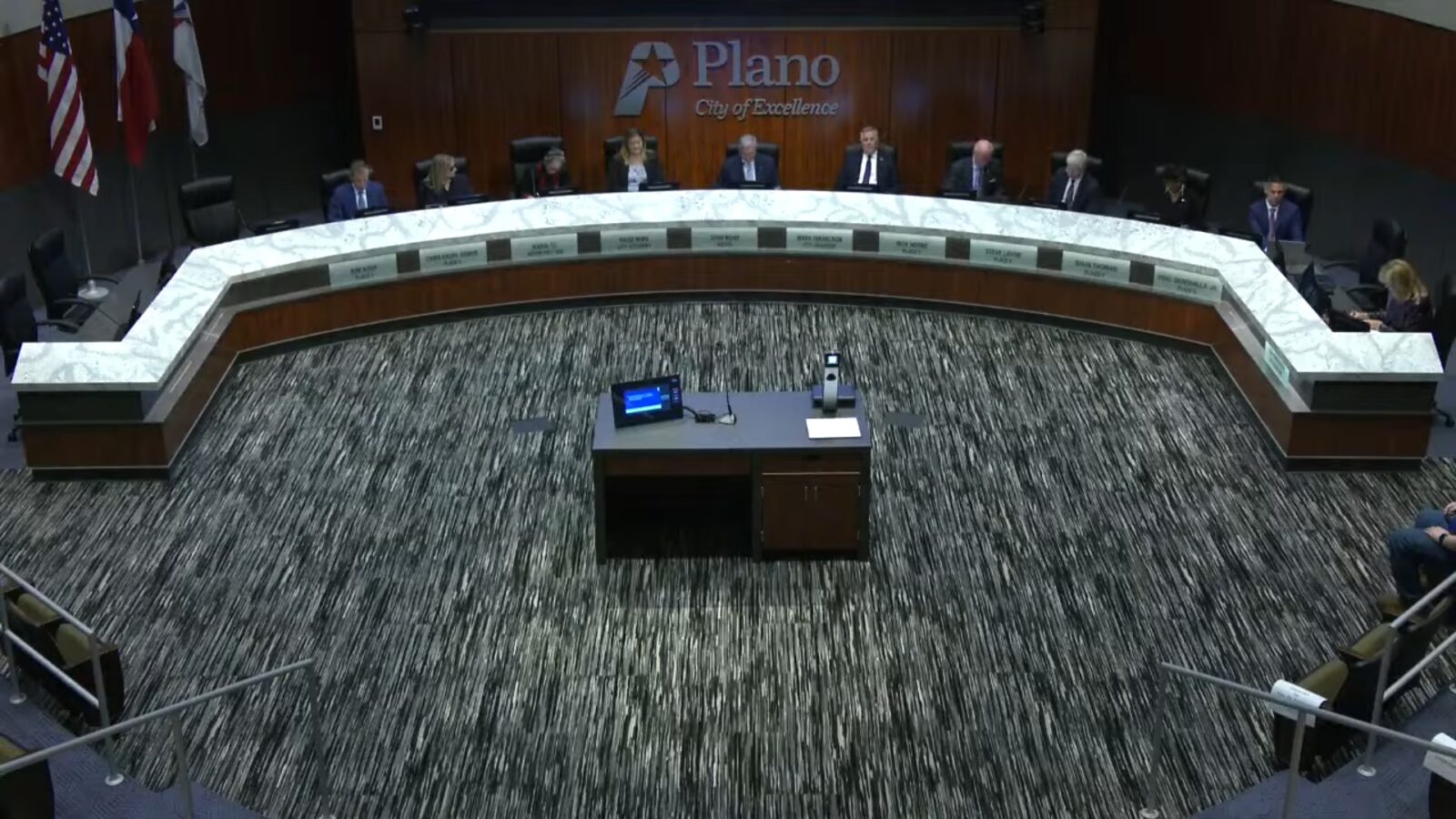
Plano will not hold a May 2 special election on whether to leave Dallas Area Rapid Transit after the City Council voted Monday night to scrap the ballot measure and approve a new funding agreement with the regional transit agency. The action answered the biggest immediate question hanging over Plano’s transit future. Instead of sending the issue to voters this spring, council members chose to keep the city in DART under a revised arrangement that promises phased funding returns for member cities and preserves existing regional transit connections. The vote matters well beyond City Hall. A withdrawal election would have opened the door to an abrupt break from the transit system that serves Plano riders traveling across North Texas. By canceling the election and approving the new agreement, the council kept that disruption off the table, at least for now, while setting up a new framework for how local sales tax dollars can flow back into transportation projects inside the city.
What the council approved
At its Feb. 23 meeting, the Plano City Council approved an interlocal agreement with DART for what is called a General Mobility Program, adopted a governance-related resolution, repealed an earlier resolution supporting a DART tax cap, and repealed the ordinance that had ordered the May 2, 2026, withdrawal election. That sequence is the heart of the story. Plano did not merely pause the political fight. It replaced a pending public vote with a negotiated policy package. The city’s own post-meeting news release said the council approved a new interlocal agreement with DART that secures funding returns and reaffirms Plano’s participation in the regional system. The same night, the council also approved a contract with Via Transportation for alternative transit services, with an initial six-month term capped at about $4 million and later renewals estimated at up to $8 million annually. Plano had originally been preparing that backup option in case voters chose to leave DART and service ended immediately after the election was canvassed.
What is in the new DART deal
The revised funding framework is more concrete than early debate around withdrawal suggested. According to DART, participating member cities would receive a phased return of sales tax revenue beginning at 5% in the first year and rising gradually to 7.5% by year six. With support from the Regional Transportation Council, the total guaranteed return would reach 10% in the sixth year. Plano described the deal in even more direct terms. In the city’s release, Mayor John Muns said the agreement guarantees a minimum funding return and creates a stronger framework moving forward. Plano also said the returned money can be used only for transportation-related projects. The agreement does more than shift dollars. Plano said member cities can exchange or replace some local transit services, while DART will continue providing paratransit. That distinction is important because it gives suburbs more flexibility on local service design without blowing up the regional network that many commuters and riders still rely on for rail and broader cross-city connections. Governance changes are part of the package too, but they are not finished. Plano said proposed changes to DART’s board structure still require legislative action. In other words, the city secured movement on funding and flexibility now, while the larger fight over how the agency is governed is still headed for the state level rather than being settled entirely at the local dais.
Why the election was canceled
Plano’s withdrawal push had become one of the most closely watched tests of suburban frustration with DART’s funding model. Several member cities had called for May 2026 withdrawal elections while negotiations were still underway. A City of Dallas memo on the regional negotiations said six member cities had called such elections and described the new interlocal agreement as a way to allocate the equivalent of up to 10% of DART sales tax revenue to mobility projects. That same memo made another key point: cities wanting to enter the agreement could not hold a withdrawal election. For Plano, the practical choice became clear. If city leaders wanted the new funding deal, the election had to go. That does not mean the political tension vanished. Canceling the vote removed residents’ chance to decide the issue directly, and critics are likely to argue that a question involving transit service, regional governance, and a full cent of local sales tax should have gone to voters. But from the council’s standpoint, a negotiated agreement with defined funding returns appears to have become more attractive than a ballot fight with uncertain consequences.
What the decision means for residents
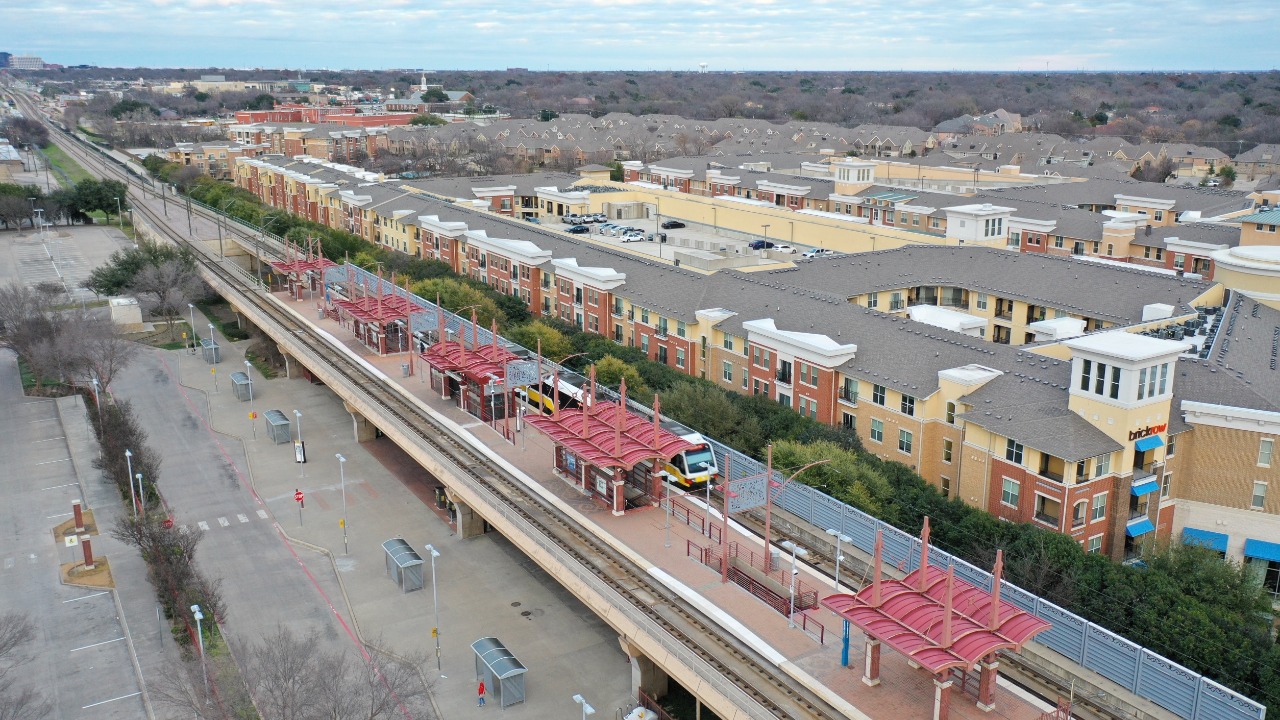
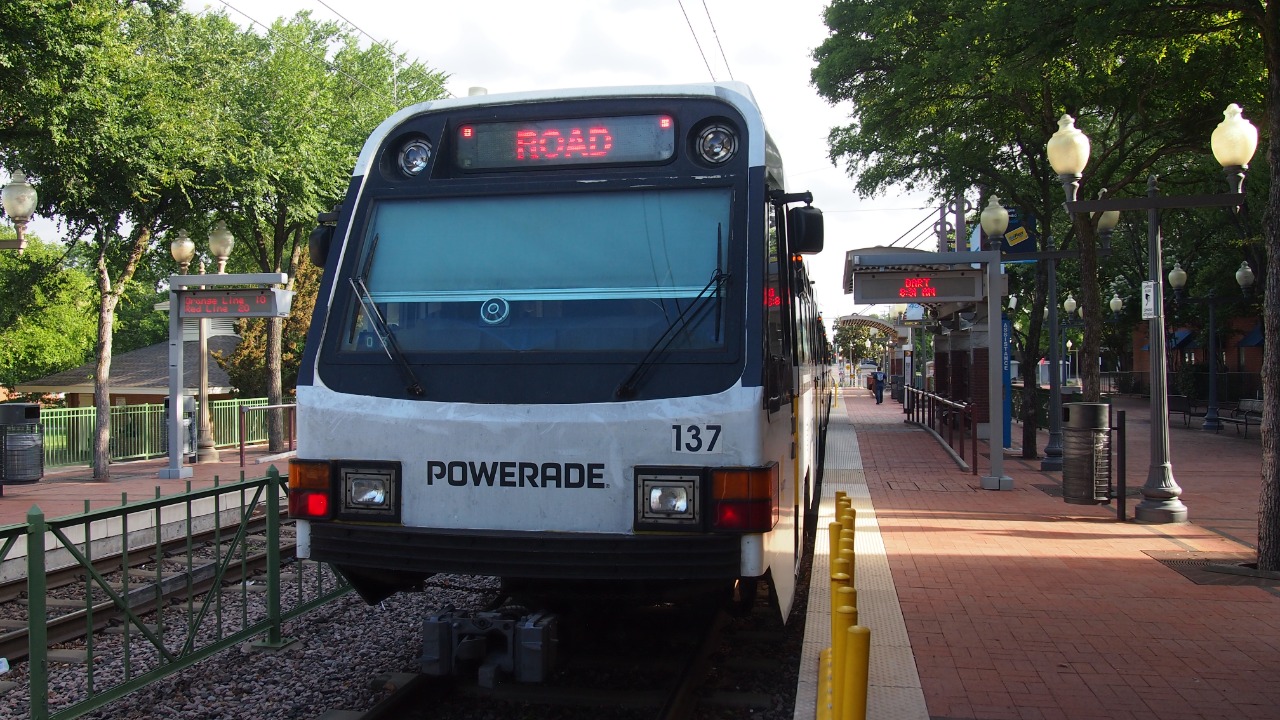
For Plano riders, the immediate takeaway is continuity. DART service is staying in place, and the city is not heading into a sudden post-election service cliff. The council’s Via approval also suggests Plano wants extra flexibility if it decides to supplement or reshape local mobility options while remaining inside the broader DART system. For taxpayers, the bigger question is whether the new arrangement produces visible results. The deal gives cities a path to recover a portion of their contribution for transportation-related projects, but residents will want to see where that money goes, how local service changes are measured, and whether the promised flexibility actually improves mobility on the ground. For DART, keeping Plano in the system is a major defensive win. A high-profile suburban exit would have intensified pressure across the region. Instead, the Plano vote offers a model for compromise: keep the regional network intact, return some money to member cities, and continue the battle over governance in Austin rather than through city-by-city divorce votes.
The bottom line

Plano’s council did not simply cancel an election. It used the new DART agreement to change the city’s course. The headline outcome is straightforward: the May 2 withdrawal vote is off, Plano remains in DART, and the city has signed onto a funding structure that ramps up returns over six years while preserving regional transit service. The longer-term verdict will depend on whether those promised returns, local service options, and governance reforms produce something residents can actually feel in their daily commutes. For now, though, the council has made its choice. Instead of letting voters decide whether Plano should leave DART, it decided the better bet was to stay in and renegotiate the terms.