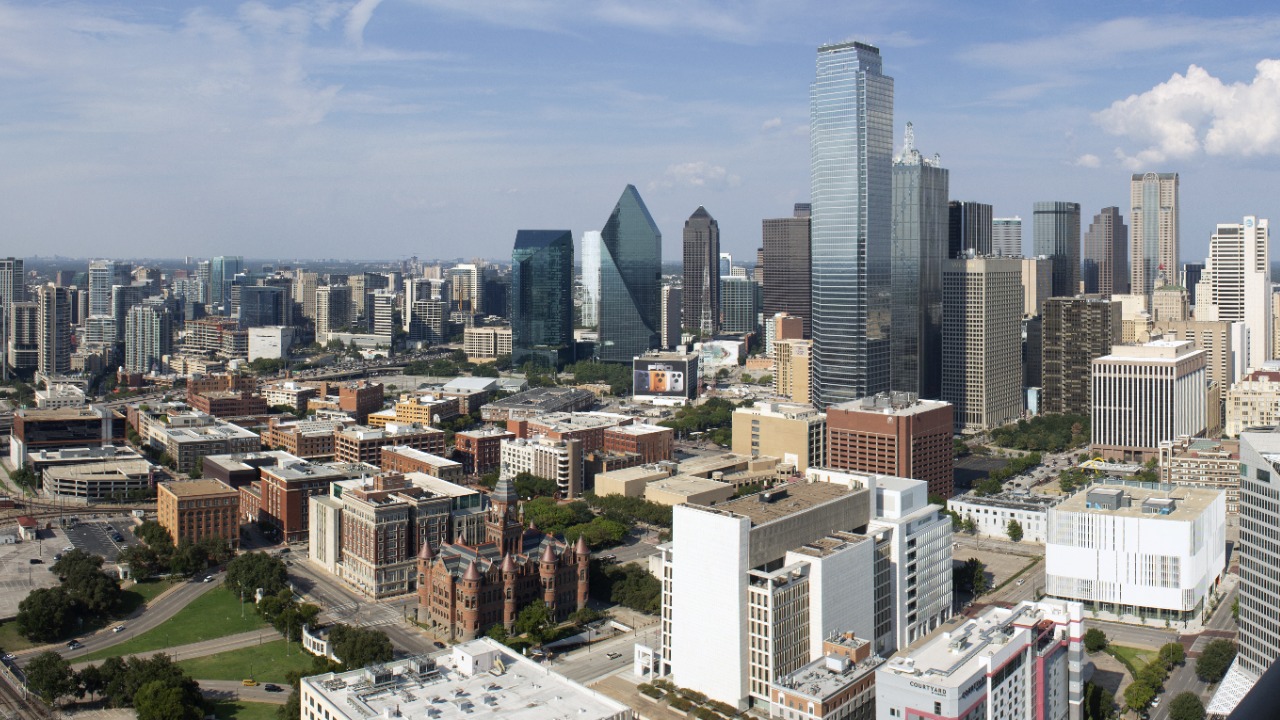
Dallas police are investigating the fatal shooting of a 26-year-old man on Hidden Valley Drive after officers were called to a South Dallas neighborhood late Wednesday and found the case had already turned deadly. The victim was identified by police as Malachi Palmer, 26. Investigators say he was shot in the 1200 block of Hidden Valley Drive and later died while being transported to a hospital, prompting a homicide investigation that remained open as detectives worked to identify the shooter.
What police say happened
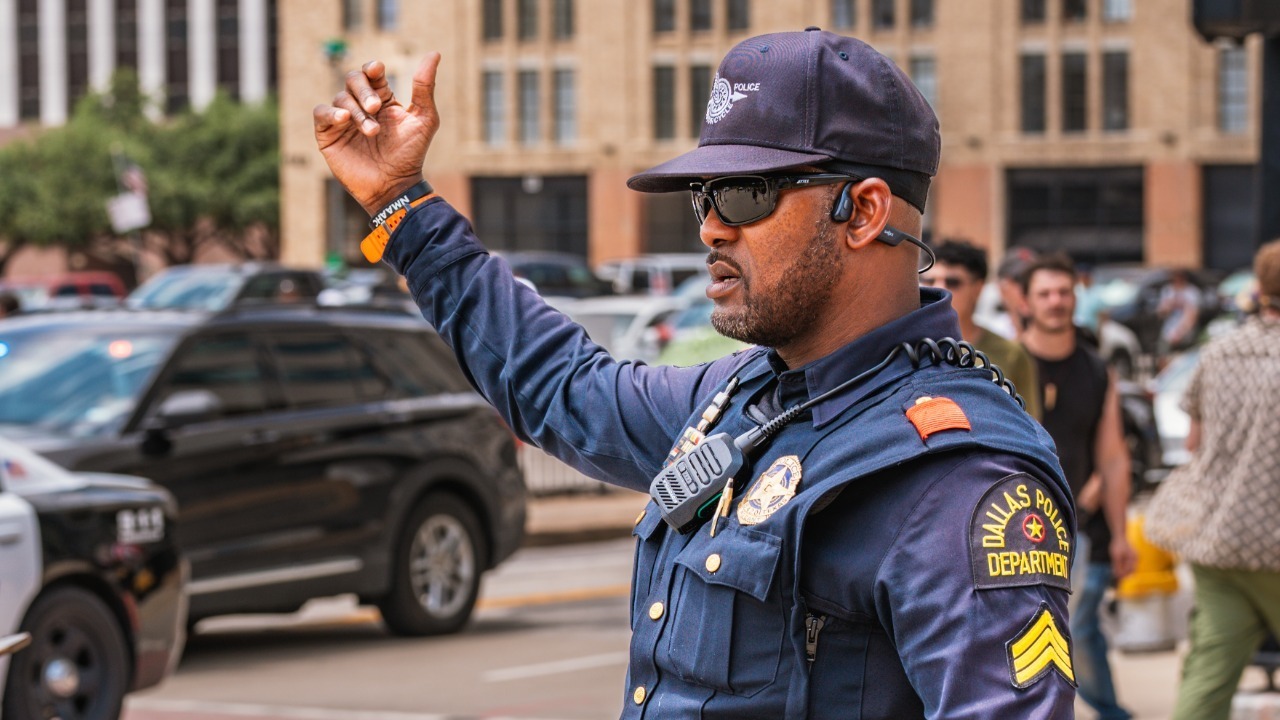
According to the Dallas Police Department, officers responded to a shooting call in the 1200 block of Hidden Valley Drive at about 9 p.m. Feb. 25. A preliminary investigation found Palmer had been shot at the location by an unknown suspect or suspects. Dallas Fire-Rescue responded and began transporting him to a local hospital, but he died during transport. Police said the case is being investigated under case number 027150-2026. The department has asked anyone with information to contact Detective F. Serra at 214-662-4552 or frank.serra@dallaspolice.gov. The official police release was brief, which is often the case in the first hours after a homicide. Authorities did not immediately describe a suspect, identify a motive or say whether witnesses or surveillance footage had helped detectives narrow down a timeline.
A neighborhood shooting with few public answers
A homicide in a residential corridor can unsettle far more people than those directly connected to the victim. It leaves nearby residents wanting to know whether the violence was targeted, whether there is any immediate threat to others, and whether someone in the area saw or heard something important without realizing it at the time.
For now, Dallas police have publicly said only that Palmer was shot by an unknown suspect or suspects. Until detectives release more, the basic facts remain narrow but serious: a young man was shot on a residential block, emergency crews tried to save him, and investigators are still looking for the person responsible.
How Texas tracks violent deaths after the investigation begins
Once a homicide case moves through the formal reporting process, it also enters a broader public health system designed to study violent death across Texas. The Texas Violent Death Reporting System, operated by the Texas Department of State Health Services, compiles data from death certificates, medical examiners, justices of the peace, and law enforcement agencies. The state says the program removes personal information and uses linked records to better understand the circumstances behind violent deaths. That system feeds into the federal National Violent Death Reporting System, which the Centers for Disease Control and Prevention describes as a way to collect more complete information on homicides, suicides, deaths caused by law enforcement acting in the line of duty, and other violent deaths.
Rather than relying on one document alone, the system is built to connect multiple records so researchers and policymakers can see patterns that might otherwise stay hidden. In practical terms, that means a case like Palmer’s may eventually contribute to a larger picture of where violent deaths occur, what age groups are most affected, what weapons are involved, and what circumstances are known by the time a case is closed or coded. Texas also says the system is intended to help decision-makers and program planners use stronger evidence in violence prevention work, even if that process happens well after the immediate police investigation is over.
Why that context matters, and where it falls short
Data systems can help officials understand violence over time, but they do not resolve the immediate fear and uncertainty left behind after a shooting. For relatives, neighbors, and friends of the victim, the urgent questions are not statistical. They are personal. Who did it? Why did it happen here? Will anyone be arrested? Is there still a danger to the neighborhood? That is the gap at the heart of many local homicide stories. The long-term record can become more complete as public health agencies and researchers gather and code information. The short-term reality is much harsher. Detectives need witnesses, evidence, and cooperation right away, while the community wants reassurance that the block where the shooting happened is not about to become the site of another one. Dallas police maintain public crime-reporting resources that note their daily figures are preliminary and can later change after reclassification or additional investigation. That is an important reminder in the early days of any homicide case. Initial police summaries are often only the first layer of a much larger story, and what investigators believe in the opening hours can evolve as more evidence comes in.
What investigators need now
The next stage in the Hidden Valley Drive case will likely center on familiar but critical steps: securing any nearby surveillance video, identifying who was present before the shooting, comparing witness accounts, tracing vehicles seen in the area, and determining whether Palmer knew the shooter or was targeted unexpectedly. In the meantime, the public role is straightforward. Anyone who saw movement around the 1200 block of Hidden Valley Drive around the time of the shooting, heard an argument, noticed a vehicle leaving quickly, or has doorbell or security footage that might help investigators can provide that information to Dallas police.