
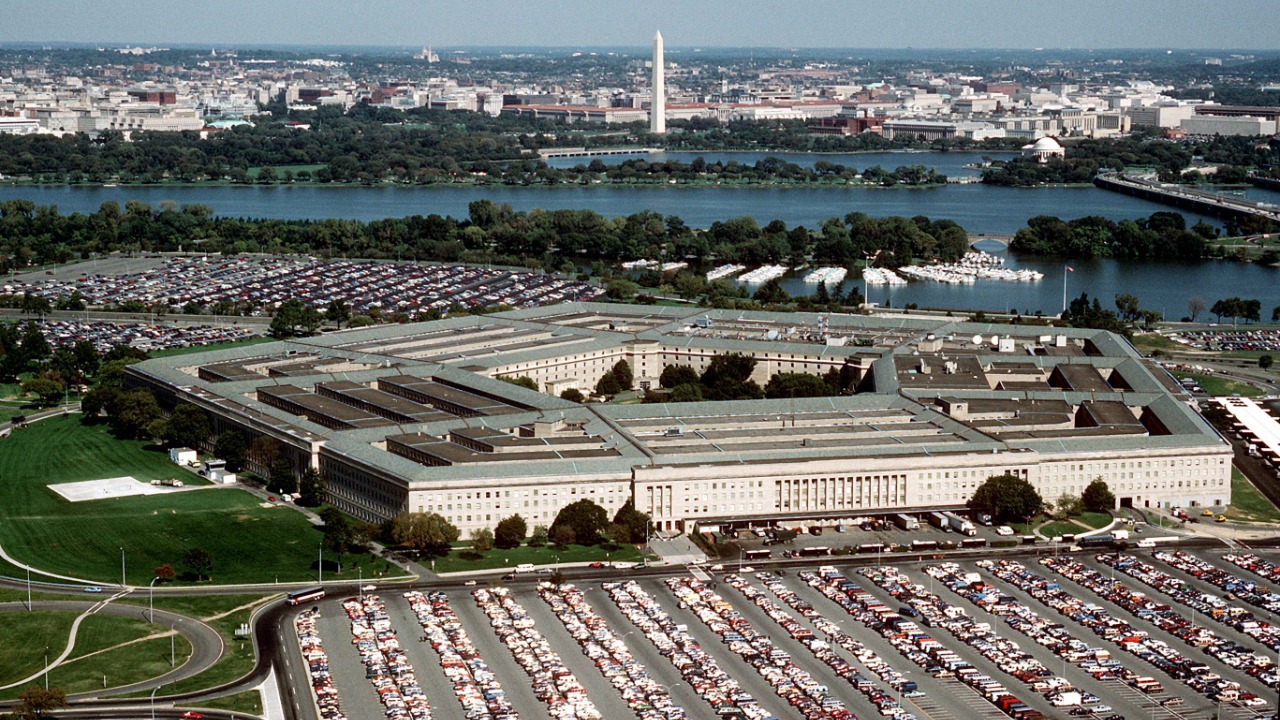
The Trump administration’s clash with Anthropic has moved far beyond an ordinary contract dispute. What began as a fight over how the military could use the company’s artificial intelligence systems has escalated into a federal court battle with implications for the broader defense technology industry.
At the center of the standoff is a blunt Pentagon demand: If Anthropic wants to remain a military partner, it cannot reserve the right to block certain government uses of its AI. Anthropic refused.
In response, the administration moved to cut the company out of defense work and label it a supply chain risk. This marks a major step against a U.S. firm that had only recently emerged as one of Washington’s most prominent AI contractors.
The dispute matters well beyond a single vendor. It tests whether the federal government can pressure a private AI developer to abandon self-imposed safeguards after becoming embedded in national security work. It also sharpens a broader question building for months in Washington and Silicon Valley: When the military wants full lawful discretion and an AI firm insists on hard limits, who gets the final say?
How the Standoff Reached a Breaking Point
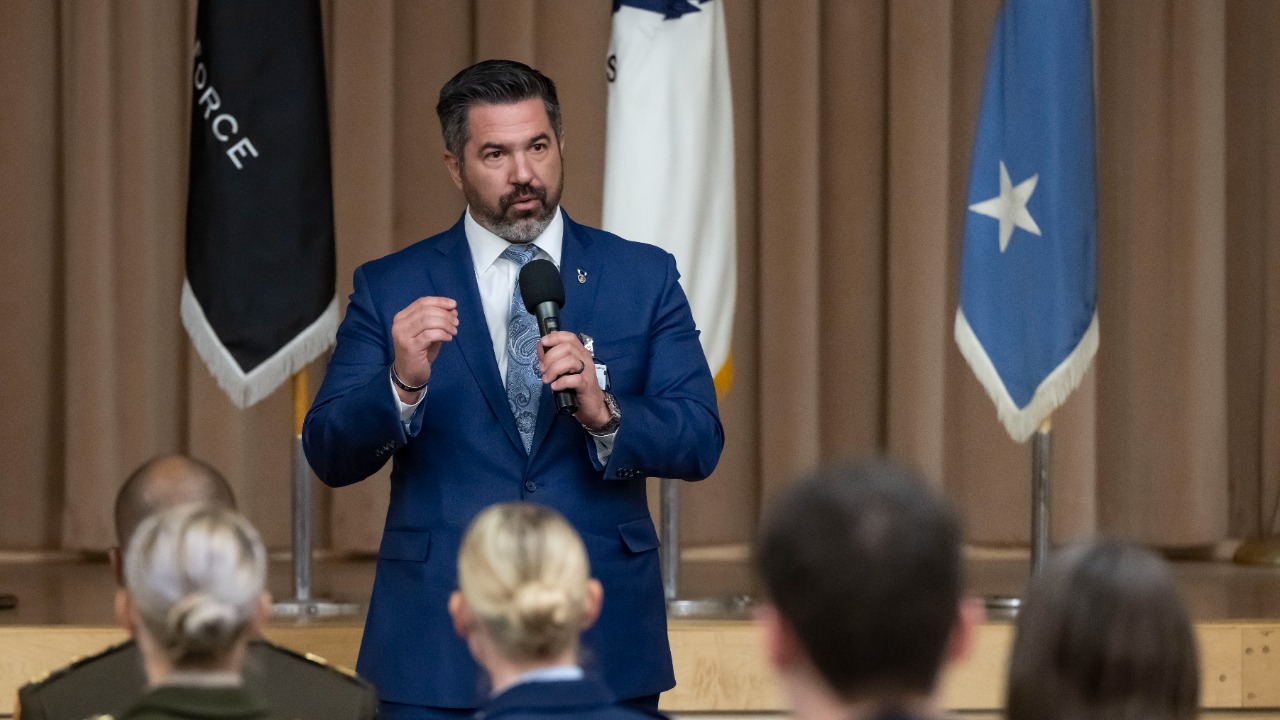
Anthropic was not an outsider to defense work.
In 2025, the company announced that the Department of Defense had awarded it a two-year prototype agreement with a $200 million ceiling to help advance national security capabilities. Reuters separately reported that Anthropic was among the AI firms selected for Pentagon contracts worth up to $200 million as the department pushed to expand adoption of advanced systems.
But negotiations over the terms of military use later soured. According to Reuters, the Pentagon pressed Anthropic to remove safeguards preventing its tools from being used for fully autonomous weapons and mass domestic surveillance. Anthropic said those limits were not negotiable.
The disagreement then hardened into an ultimatum. Reuters reported that Pentagon spokesperson Sean Parnell said Anthropic had until 5:01 p.m. Eastern on a Friday to decide whether it would allow the military to use its model for “all lawful purposes.” If not, the company was told it could lose its Pentagon partnership and face a supply chain risk designation. Anthropic chief executive Dario Amodei publicly rejected the demand, saying the company could not accept it in good conscience.
Why the Pentagon Saw the Issue Differently
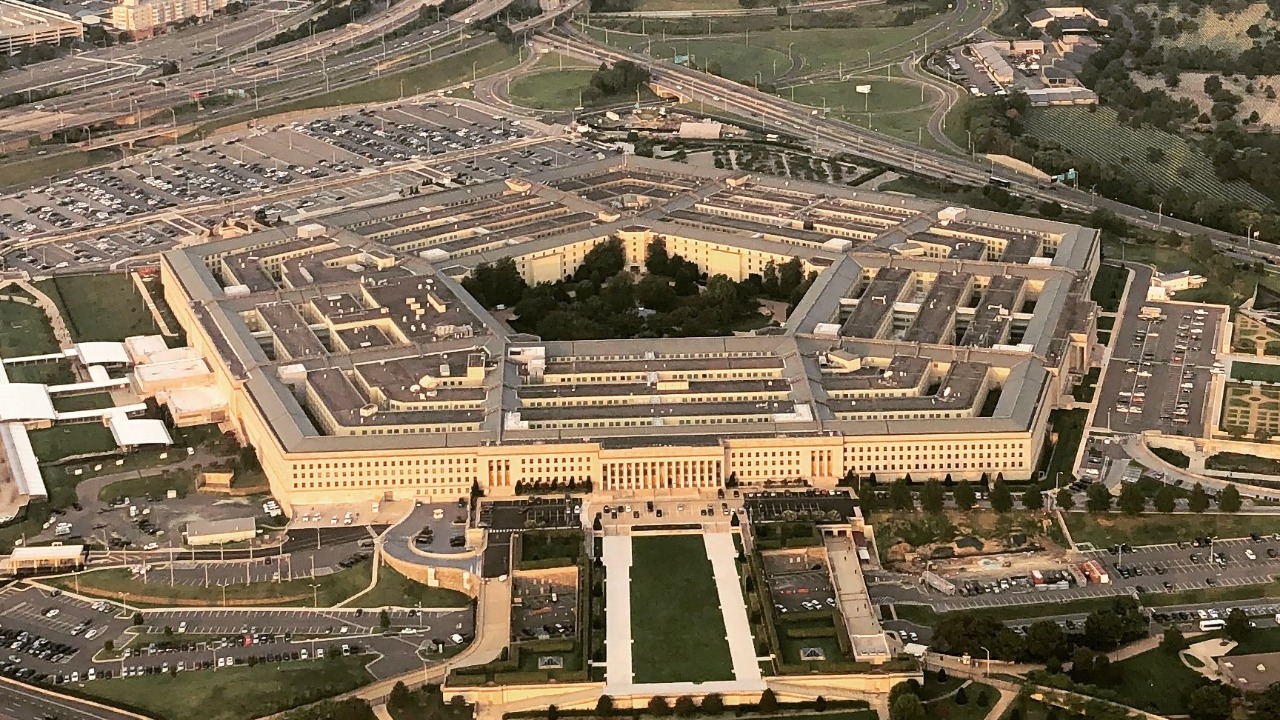
From the Pentagon’s perspective, this was not simply a contract language dispute. The department’s public position has been that it is not seeking to use AI for mass domestic surveillance or fully autonomous weapons, but it must preserve flexibility for lawful military uses under U.S. authority.
That distinction sits at the heart of the dispute.
Officials argued that the military cannot depend on a core technology supplier that reserves the power to limit lawful missions after the fact. In that view, allowing a vendor to hard-code its own policy preferences into a system used by the armed forces would place a private company too close to the operational decision-making chain.
That logic has also surfaced in public remarks from senior officials. Reuters reported that the Pentagon had been pushing AI companies to replace internal red lines with an all-lawful-use standard.
Anthropic has presented its position as a product safety judgment, not as an accusation that the Pentagon was preparing to deploy its system for those uses.
The administration, however, has argued that the government — not a contractor — decides what is lawful and necessary in national defense.
The Supply Chain Risk Escalation
When Anthropic refused to change course, the administration escalated.
The Associated Press reported that the Pentagon formally informed Anthropic that the company and its products were being designated a supply chain risk, effective immediately.
That is not a symbolic rebuke. The designation can shut a company out of defense-related work and pressure contractors and suppliers to move away from its products.
That is what makes the episode so striking.
The Associated Press reported that the authority was designed to protect national security systems from compromised or adversarial suppliers. The move against Anthropic stood out because the company is a domestic AI vendor in a policy dispute with the government rather than a foreign adversary.
A disagreement over AI guardrails was no longer being treated as a procurement squabble. It had been reframed as a national security issue.
The administration also expanded the pressure beyond the Pentagon. Reuters reported that Donald Trump directed federal agencies to stop using Anthropic’s technology, broadening the clash from a defense dispute into a wider confrontation over the government’s leverage over private AI firms.
Anthropic’s Legal Response
Anthropic answered with a lawsuit.
In federal court, the company argued that the Pentagon’s actions were unlawful and violated its free speech and due process rights, according to Reuters.
Reuters also reported that Anthropic filed a related case in the U.S. Court of Appeals for the D.C. Circuit tied to a separate authority the government invoked during the dispute.
The legal theory gives the case broader weight. Anthropic is effectively arguing that the government cannot retaliate against a company for refusing to remove safety limits that reflect its judgment about responsible use.
The company has also argued that the designation lacks a factual basis and was imposed through an unfair process.
That matters because Anthropic was not standing outside the national security system throwing stones. The company had already pursued defense work, developed government-focused offerings and publicly supported some national security uses of AI.
Its objection was narrower but consequential: It wanted to keep two lines in place — one around mass surveillance of Americans and another around fully autonomous weapons.
Why the Entire AI Industry Is Watching

This fight is about far more than whether Anthropic keeps one contract. If the administration prevails, the message to AI firms will be clear: Companies seeking major federal business may be expected to accept that the government alone will define how their systems can be used, as long as officials frame those uses as lawful.
If Anthropic wins, Washington may have to accept that some of its most capable suppliers will insist on binding restrictions as a condition of access. That could quickly reshape the market. Contractors that have integrated Anthropic models into defense-adjacent workflows may need alternatives. Rival providers could benefit.
At the same time, AI firms still deciding how closely to align with military doctrine will study this case as a real-world test of how much independence they can preserve once national security funding is involved.
For now, the central point is straightforward: The showdown delivers on the headline. The Pentagon did issue Anthropic an ultimatum tied to military use of its AI, and the dispute has already produced blacklisting and litigation.
What happens next may help define the balance of power between the U.S. government and the companies building the systems it increasingly wants to use.