Florida’s ongoing drought now affects the entire peninsula. The latest U.S. Drought Monitor assessment shows all of Florida is now classified as at least abnormally dry, with significant stretches of the state in more severe drought categories. That is an uncommon statewide picture, and it underscores how quickly a dry winter has tightened its grip on the state. Conditions have worsened in parts of Southwest Florida, and South Florida water managers have warned of mounting supply concerns. The wildfire risk is rising as the state moves deeper into its traditional dry season. (U.S. Drought Monitor)
Florida has endured serious droughts before, but it is unusual for it to cover the entire state at once. The latest map turns what might have seemed like a regional weather problem into a statewide stress test for water managers, farmers, homeowners, and communities facing a long wait for the wet season to fully return. (U.S. Drought Monitor)
Every Part of Florida is Now in Drought
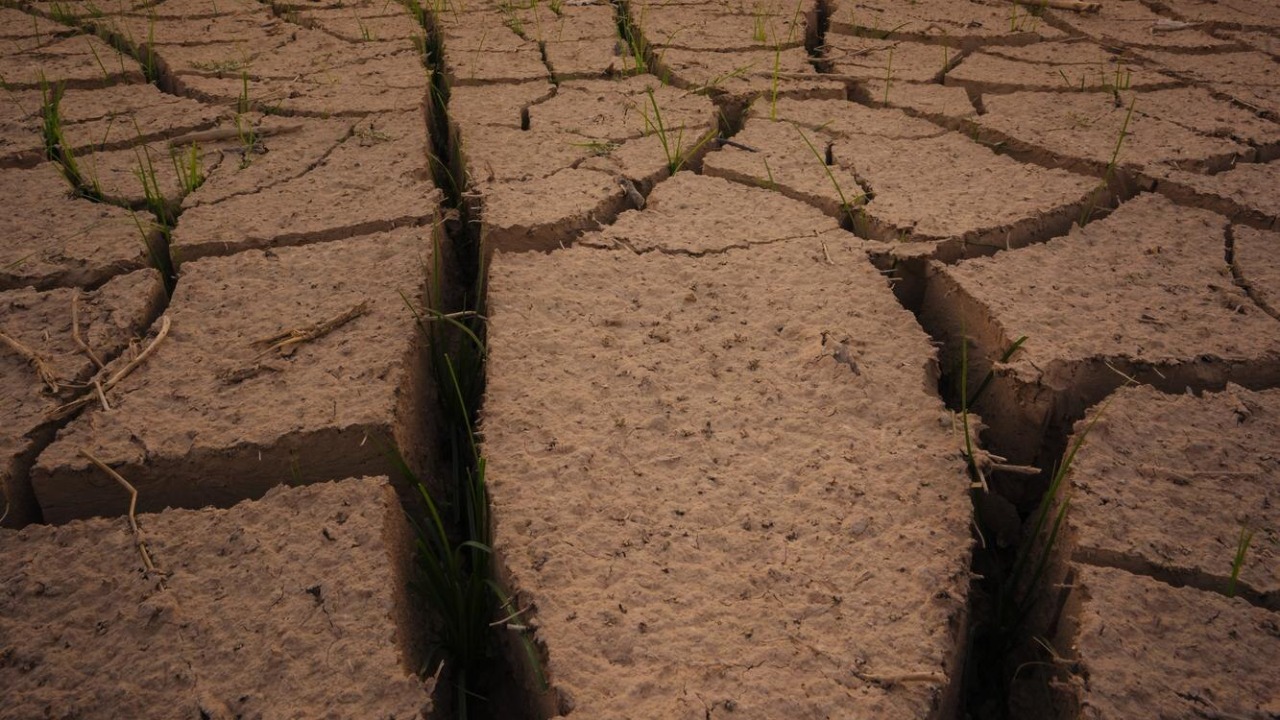
According to the latest Florida summary from the U.S. Drought Monitor, 0.00% of the state is now outside drought classification. In other words, every county in Florida is designated at least abnormally dry or worse, with the harshest conditions concentrated across the southern half of the peninsula.
Outside reporting on the shift, citing Brad Rippey, described it as the first time since U.S. Drought Monitor records began that all of Florida has been in drought at once. That historical context helps explain why the latest map has drawn so much attention. It is not just another dry spell on the calendar but a rarer statewide benchmark.
Southwest Florida is Under the Heaviest Strain

While drought now covers the entire state, the intensity is not evenly distributed. Southwest Florida has emerged as the clearest pressure point, with conditions there deteriorating faster and carrying more immediate consequences for water supply, agriculture and fire risk.
The National Weather Service office in Miami said extreme drought, or D3, expanded into the remainder of southwestern Florida in the latest assessment. It is a serious category associated with major water stress, worsening impacts on vegetation and pastures, and a much smaller margin for error if rainfall remains limited. Once deficits build through winter and early spring, even a few scattered showers do little to change the broader picture. What the region needs is sustained, meaningful rain, and there has been little sign of that so far.
South Florida Water Managers are Already Responding
The South Florida Water Management District issued a Water Shortage Warning for Collier, Glades, Highlands, Lee, Miami-Dade and Monroe counties, citing continuing dry conditions and increasing water supply concerns. The district said declining groundwater levels in the Biscayne Aquifer and Lower Tamiami Aquifer were adding to saltwater intrusion risks, while canals and lakes in the Indian Prairie Basin were also falling.
It is an early signal that officials want residents, businesses and utilities to conserve water before conditions force tougher restrictions. It also tells readers the drought has moved from a meteorological concern into daily-life consequences, especially in areas where water systems are already being closely watched.
The district has urged residents to limit irrigation and follow local watering rules, a message that becomes more important the longer the dry season drags on. If voluntary conservation is not enough, officials have made clear they could move toward tighter restrictions to protect public water supplies and avoid more serious damage to water resources.
Edits made (AP style + clarity):
Lake Okeechobee Shows How Narrow the Margin is Becoming
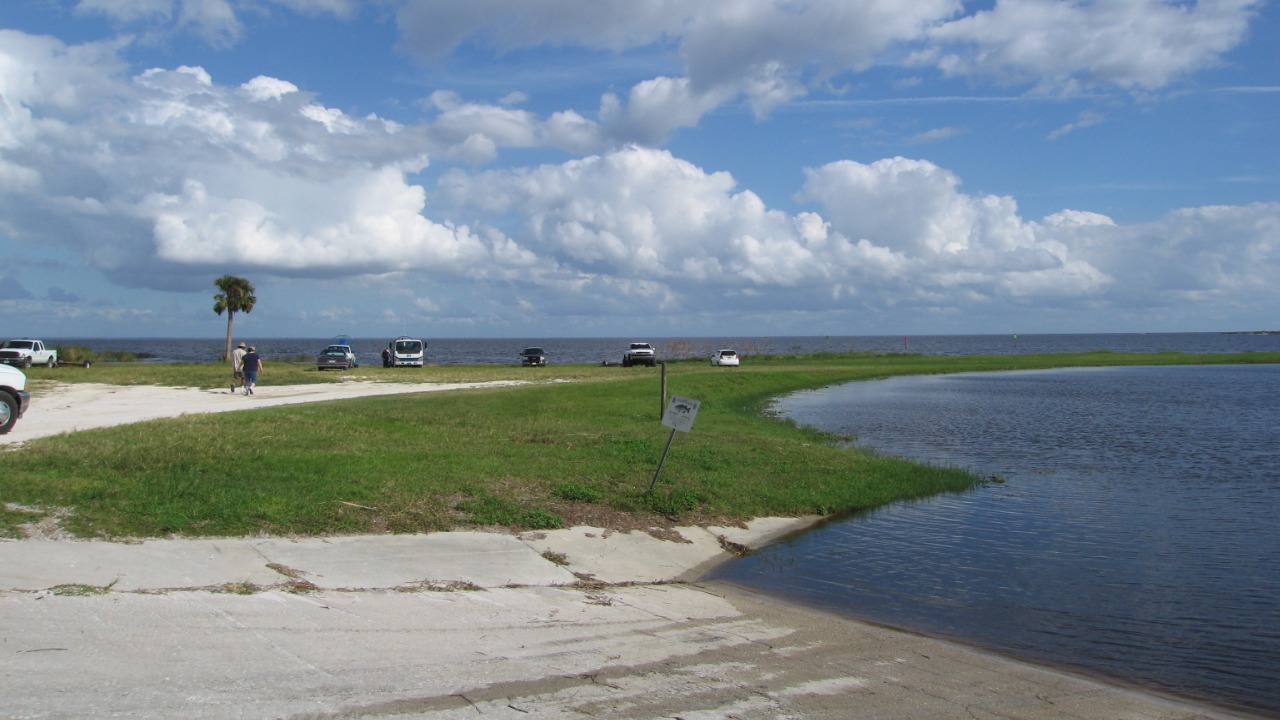
One of the clearest indicators of stress in South Florida is Lake Okeechobee, which remains a central part of the region’s water management system.
The Miami drought statement said Lake Okeechobee stood at 12.28 feet, or 2.22 feet below normal, well beyond the shoreline. The lake supports a network of deliveries tied to urban water use, agriculture and environmental management farther south.
When the lake runs low, flexibility starts to disappear. Managers have fewer easy choices about where water can be moved, how much can be held back and how to balance drinking water needs with ecological demands. In South Florida, those trade-offs are never simple, and drought makes them sharper.
Wildfire Risk is Rising with the Drought
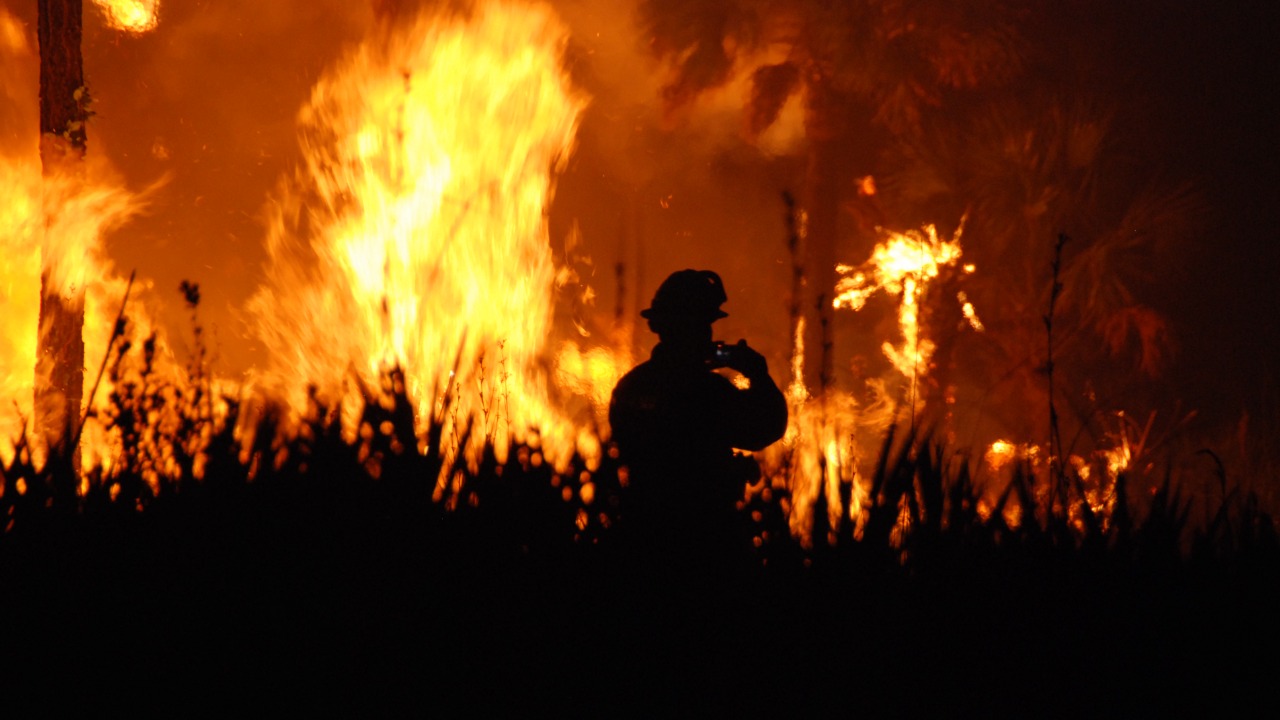
Dryness in Florida rarely stays confined to water issues alone. It also changes the fire picture, sometimes quickly.
The National Weather Service said South Florida’s Keetch-Byram Drought Index was running between 600 and 699, a range associated with very dry soils and heightened fire concern. The same statement noted burn bans in multiple counties, including Collier, Hendry, Glades and Palm Beach. When vegetation dries out and humidity stays low, even a modest spark can become a fast-moving brush fire.
That is part of why the current drought matters beyond lawns, landscaping or crop conditions. A broad rain deficit, paired with wind and heat, can turn into a statewide fire problem with very little warning. Florida has already seen how quickly brush fires can spread once those ingredients line up.
There is Little Sign of a Quick Reset
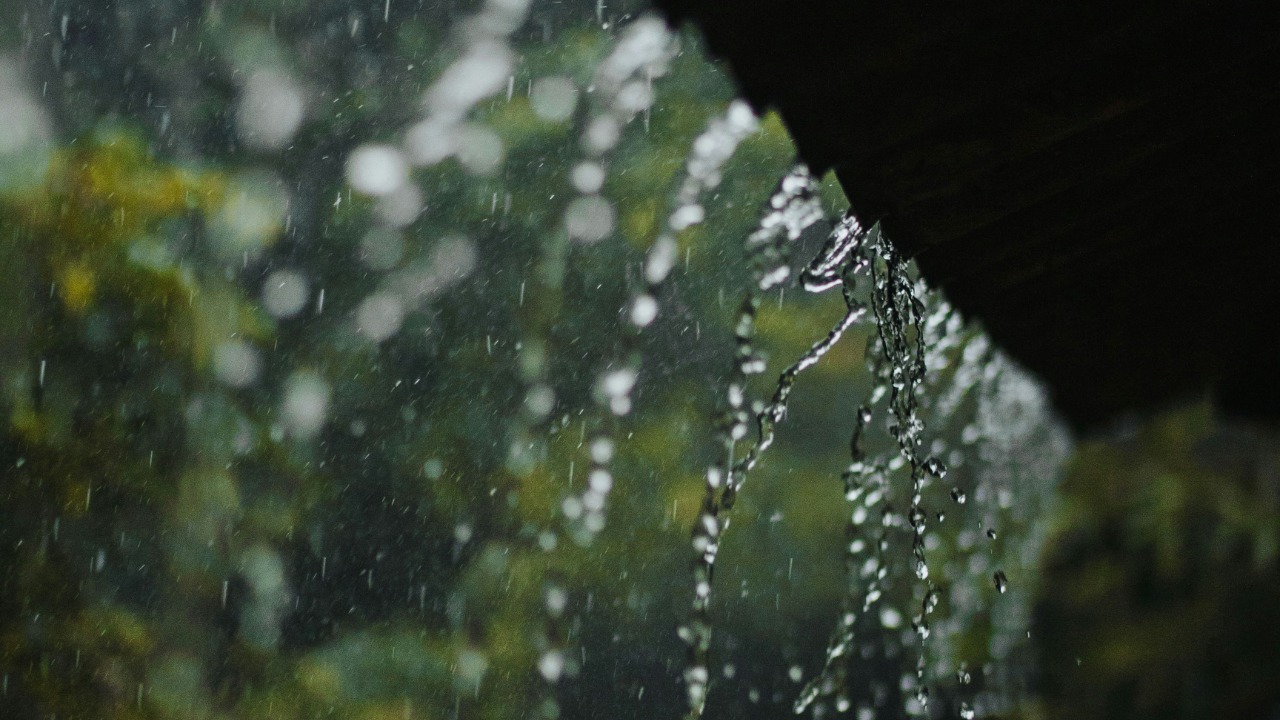
The outlook does not point to an easy recovery. The Miami forecast office said rainfall in the near term is expected to remain limited, with most of South Florida projected to receive less than half an inch over the following week. Its drought outlook also said drought is expected to persist across the region over the next three months, even with equal chances of above-, below- or near-normal rainfall overall.
Recovery is not about getting one decent rain event. It is about receiving enough widespread, repeated rainfall to refill what has been lost in soil moisture, groundwater, canals and lakes. Until that happens, Florida remains in a position where conditions can still worsen before they improve.
For readers, that is the real takeaway from the latest map. What comes next: tighter water management, growing pressure in the southwest and a dry season that still has time to do more damage before the weather pattern finally shifts.