Russia said its troops had taken full control of Ukraine’s Luhansk region. Hours later, Ukraine said the front line there had not changed. On the surface, the clash in claims sounds like a simple yes-or-no dispute over territory. It is not that clean.
The fight over Luhansk appears to center on the last pieces of ground still held by Ukrainian forces, not on a sudden collapse across the whole region. That is what makes the story important. If Moscow can credibly say it finished the job in Luhansk, it gains a symbolic victory before more diplomacy. If Kyiv can show that even a small foothold remains, Russia’s declaration looks premature.
What is actually confirmed
Image by Freepik
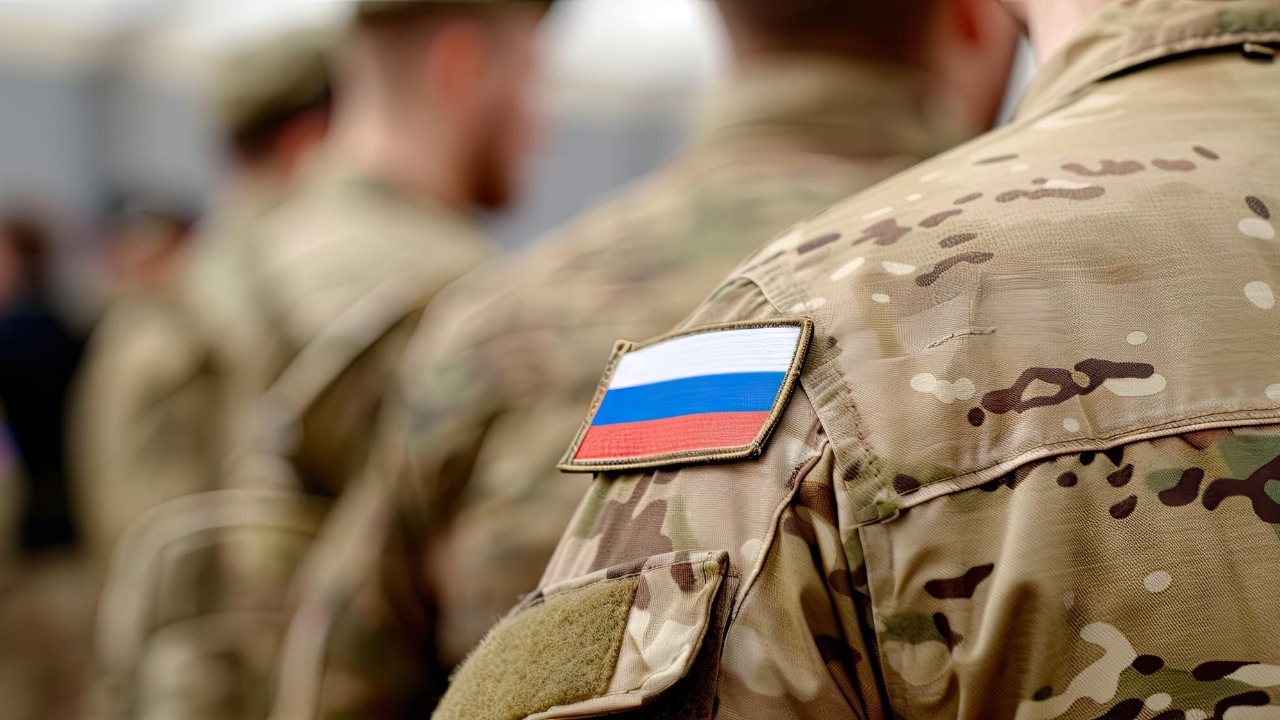
As Reuters reported, Russia’s Defense Ministry said units of its “West” grouping had completed the “liberation” of what Moscow calls the Luhansk People’s Republic. The wording matters. Russia is not just describing battlefield movement. It is wrapping the claim in the political language it has used since its 2022 annexation drive, which Ukraine and most Western governments reject.
Ukraine did not answer with a vague objection. In AP’s reporting, Joint Forces spokesperson Viktor Trehubov said there were “no changes” to report in the region and added that Ukraine still holds small patches there that the 3rd brigade has defended for some time. That makes the real disagreement clearer. Moscow is claiming the last remaining Ukrainian positions are gone. Kyiv is saying those positions are still there.
There is another important piece of context in the Reuters account: Russia already controlled more than 99% of Luhansk before this announcement. So the claim is significant, but it should not be read as if an entire region flipped in a single day. The dispute is about whether the final sliver has now been erased from the map or whether Ukraine still holds on.
Why the claim cannot be treated as settled
Image Credit: Imagery from LANCE FIRMS operated by NASA’s Earth Science Data and Information System (ESDIS) with funding provided by NASA Headquarters. – Public domain/Wiki Commons
Neither side has provided independently verifiable proof that closes the argument. Reuters said it could not independently verify Russia’s battlefield report, and the AP likewise noted that it was not possible to confirm either side’s version from open reporting alone. In practical terms, that means readers are still being asked to choose between rival wartime statements.
That gap is harder to close than it once would have been because the OSCE Special Monitoring Mission to Ukraine, which previously produced daily field reports, ended operations in 2022. There is no standing neutral mission publishing fresh patrol accounts from the Luhansk contact zone now. Without that kind of third-party ground verification, maps and official statements carry more weight than they should.
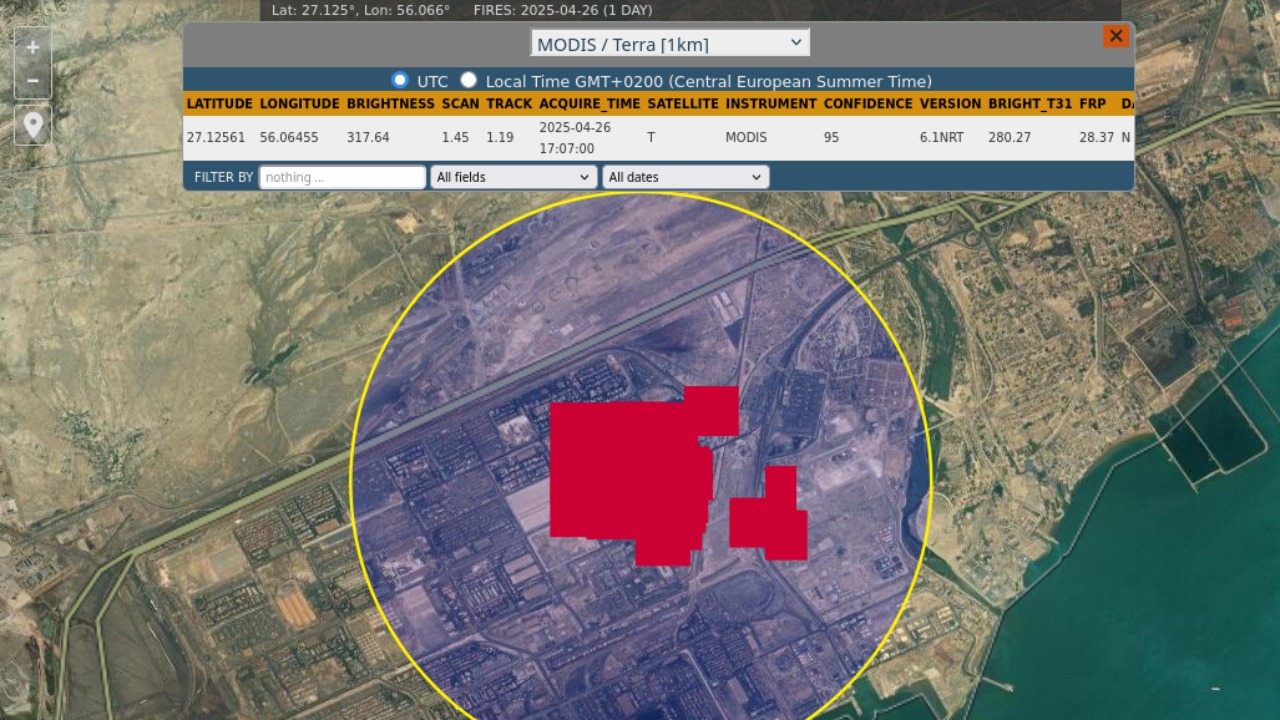
Even public data tools have limits. NASA’s FIRMS fire and thermal anomaly system can help show where burning and combat-related heat signatures are appearing, but it cannot tell readers who controls a trench line, a tree line, or a village street. It is a useful indicator of activity, not a referee on sovereignty.
Why the timing matters
President Of Ukraine – CC0/Wiki Commons
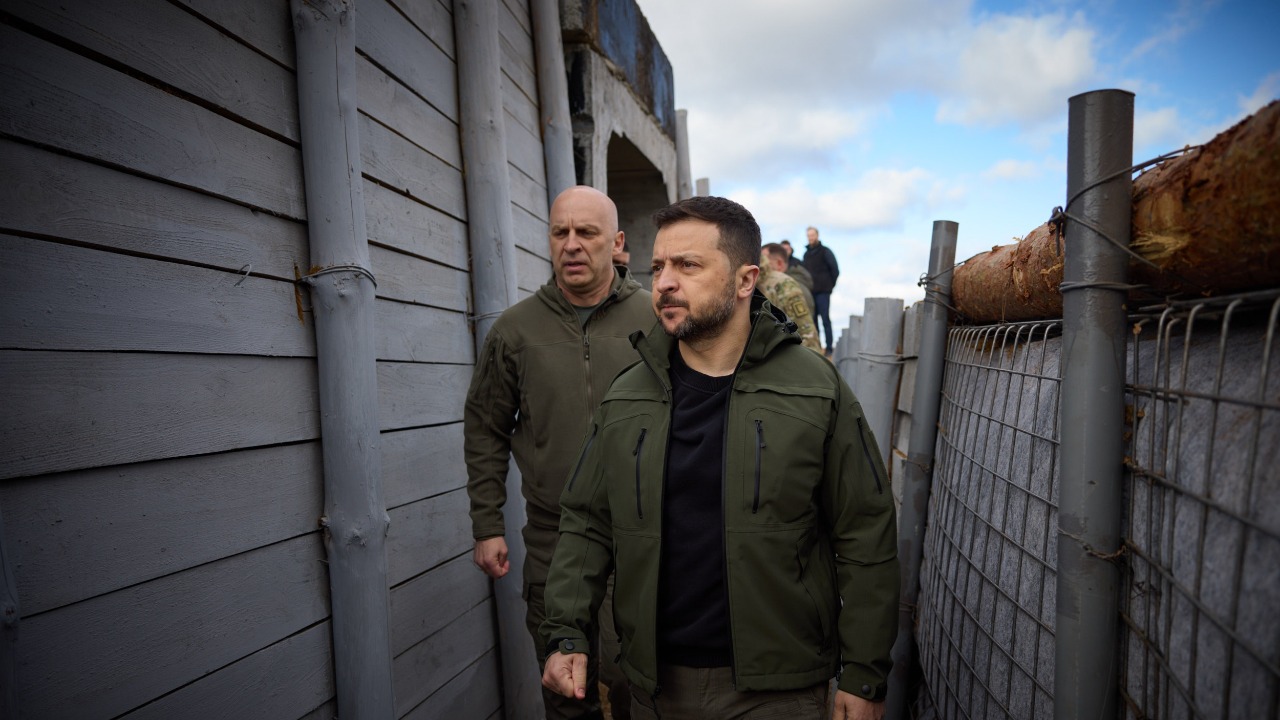
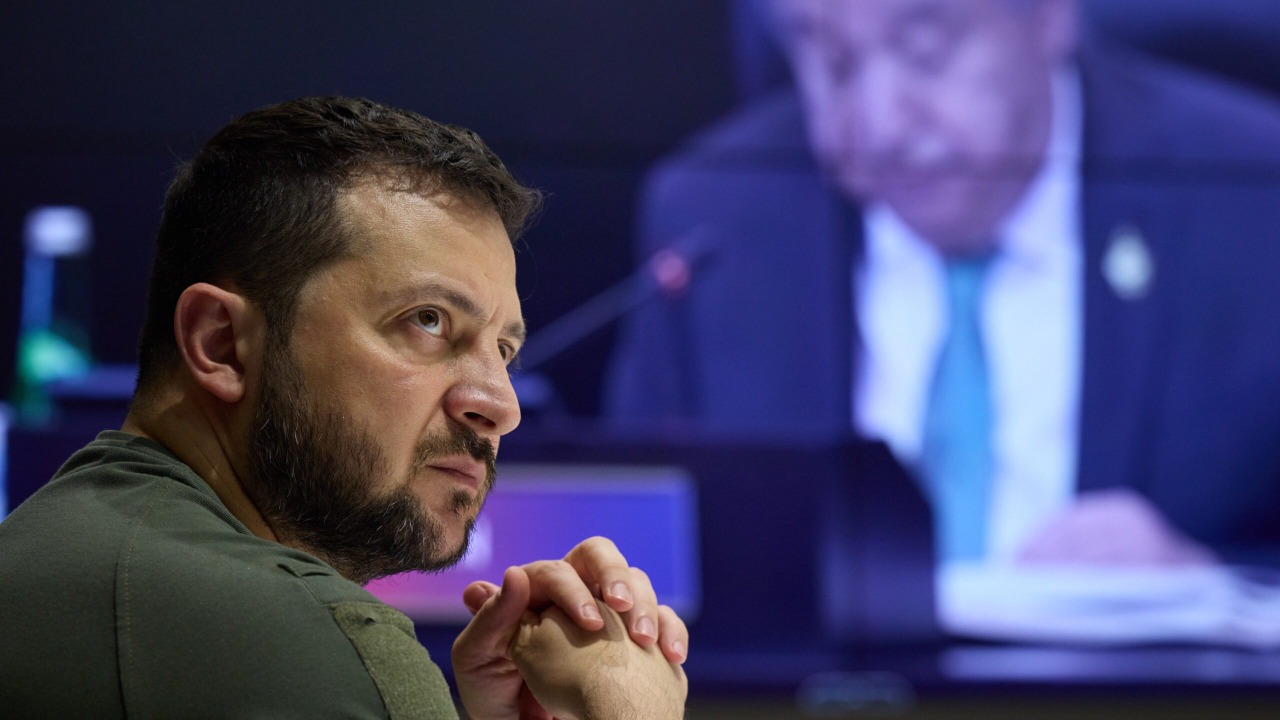
The timing of Russia’s announcement makes the claim more than a battlefield update. AP reported that President Volodymyr Zelenskyy was preparing for talks with U.S. envoys the same day, while a separate Reuters report said the Kremlin was again insisting Ukraine should pull its troops out of Donbas as a condition for ending what Moscow calls the war’s “hot phase.” That gives Russia a clear incentive to present Luhansk as finished business before diplomacy moves forward.
Ukraine has an equally obvious reason to reject that framing. If Kyiv accepts that all of Luhansk is gone, even implicitly, it weakens its argument that Russian advances can still be contained and reversed. So the competing statements are not just military updates. They are part of the negotiating environment around the war.
What readers should take from the headline
President Of Ukraine from Україна – CC0/Wiki Commons
The most honest reading is narrower and more useful than either government’s talking point. Russia has made a formal claim that it now controls all of Luhansk. Ukraine says the line there has not meaningfully moved and that small positions remain in Ukrainian hands. No independent public evidence has yet resolved that gap.
That means the headline only works if the article explains what “full control” really means in this context. It means completion of a long campaign over the last fragments of Ukrainian-held ground in a region Moscow has mostly occupied for years. It does not mean a sudden, dramatic breakthrough across territory that was previously secure.
What to watch next
Image by Freepik
The next real test will be evidence, not rhetoric. If Russia has in fact taken the last Ukrainian positions in Luhansk, open-source analysts should eventually be able to match that claim with geolocated imagery, local footage, or a noticeable drop in reports of fighting inside the region. If those signs do not emerge, Moscow’s declaration will look more like a negotiating message than a finished military fact.
For now, the safest conclusion is also the clearest one: Russia says it has completed the capture of Luhansk. Ukraine says it has not. The gap between those statements is small in geography, large in symbolism, and still unresolved in verifiable public evidence.
Cayla Corkill is a writer and editor contributing news and topical coverage at Overview Today. With a background in research, fact-checking, and editorial work, she brings a detail-oriented approach to every piece she publishes. Cayla holds a Bachelor's degree from Central Methodist University and continues to grow her editorial portfolio through consistent publication work.
President Donald Trump has turned the Strait of Hormuz into the next pressure point in the widening war with Iran, giving Tehran 48 hours to reopen one of...
Israel’s reported planning for possible attacks on Iranian energy facilities has pushed a new question to the center of the conflict: whether Washington is prepared to support a...
Russian forces hit Sumy Oblast with guided aerial bombs, drones, and conventional shelling over a punishing stretch of attacks that wounded six civilians and tore through apartment buildings,...
For 60 years, the family of Camilo Torres Restrepo never got his body back. The Colombian priest turned guerrilla fighter was killed in his first and only battle...
The United States and Israel launched coordinated military strikes against Iran, opening a major new phase in a confrontation that had been moving steadily toward direct war. The...
Stay informed with today’s most important headlines from around the world. We bring you clear, up-to-date reports on politics, global events, culture, crime, lifestyle and more — all in one place.