Israel’s reported planning for possible attacks on Iranian energy facilities has pushed a new question to the center of the conflict: whether Washington is prepared to support a broader campaign that moves beyond military and nuclear targets and toward infrastructure that could shake global fuel markets.
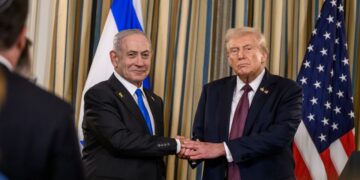
That question comes from a Reuters report citing a senior Israeli defense official who said Israel had prepared for strikes on Iranian energy sites and was waiting for a green light from the United States. The claim matters because it lands at the intersection of battlefield momentum, White House rhetoric, and the economic pressure tied to the Strait of Hormuz. It also matters because it remains, for now, a major reported claim rather than a publicly confirmed U.S. policy decision.
What is verified so far
Image by Freepik
The strongest confirmed fact is the Reuters report itself, which attributed the claim to a senior Israeli defense official who said strikes on Iranian energy facilities could come within days and that Israel was awaiting U.S. approval. That places the energy sector inside a credible reporting channel, not inside rumor alone. At the same time, Reuters attributed the claim to one official, not to a public Israeli announcement or an on-the-record U.S. confirmation.
The wider escalation around that report is also well documented. Reuters separately reported that a peace proposal had been circulated even as President Trump threatened severe consequences if the Strait of Hormuz remained shut. The practical effect is that diplomacy and escalation are unfolding at the same time, with neither track yet decisive.
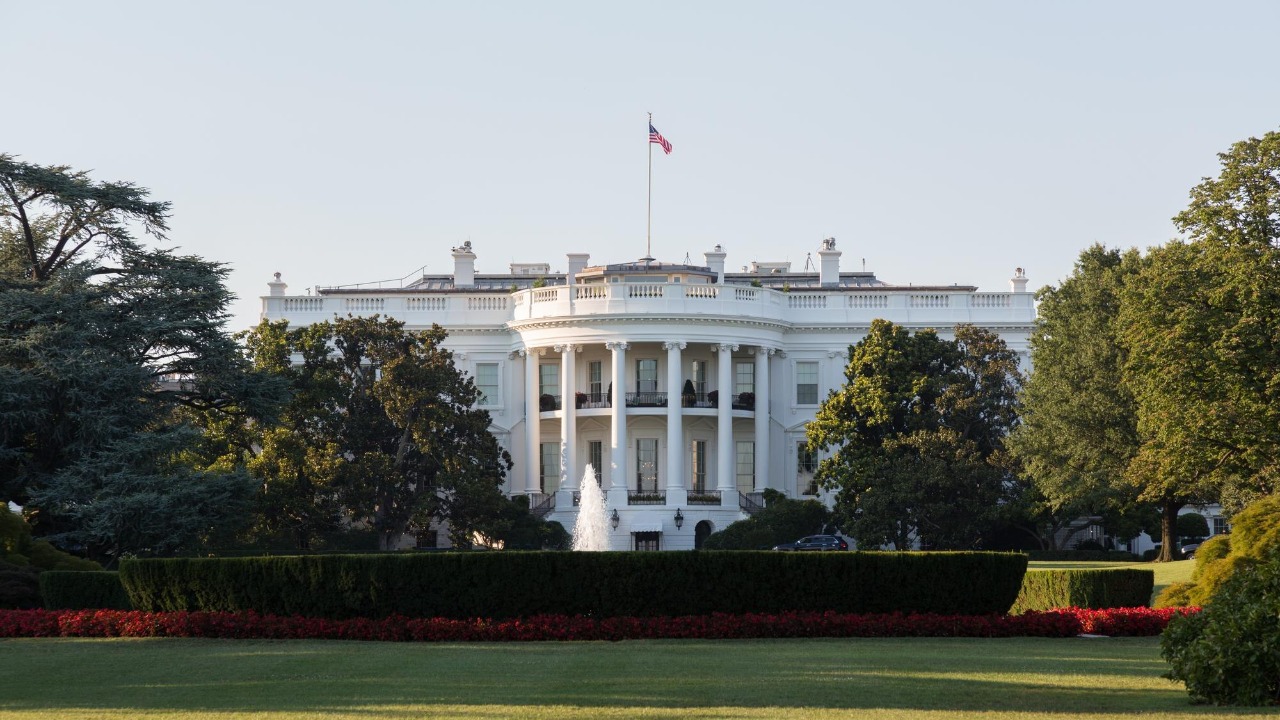
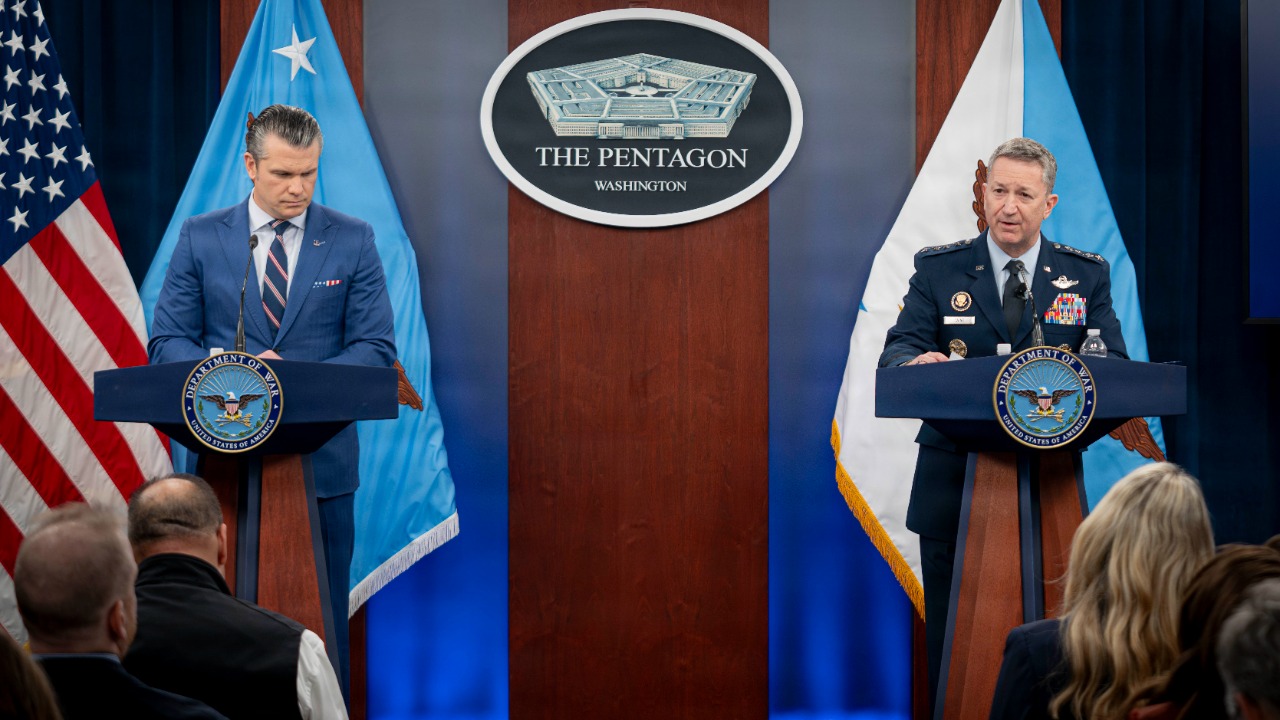
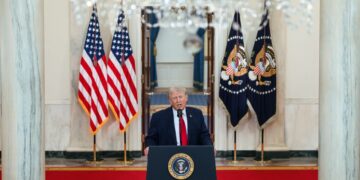
The White House’s own public language has been forceful, but not fully aligned with the idea of a declared energy-targeting campaign. In an April 1 release on Trump’s primetime address and a separate statement describing Operation Epic Fury’s “clear and unchanging objectives”, the White House framed the campaign around Iran’s ballistic missiles, naval power, support for proxies, and nuclear ambitions. That does not rule out energy facilities as possible targets, but it does show the administration has not publicly defined attacks on oil and gas infrastructure as one of its stated core objectives.
What remains uncertain
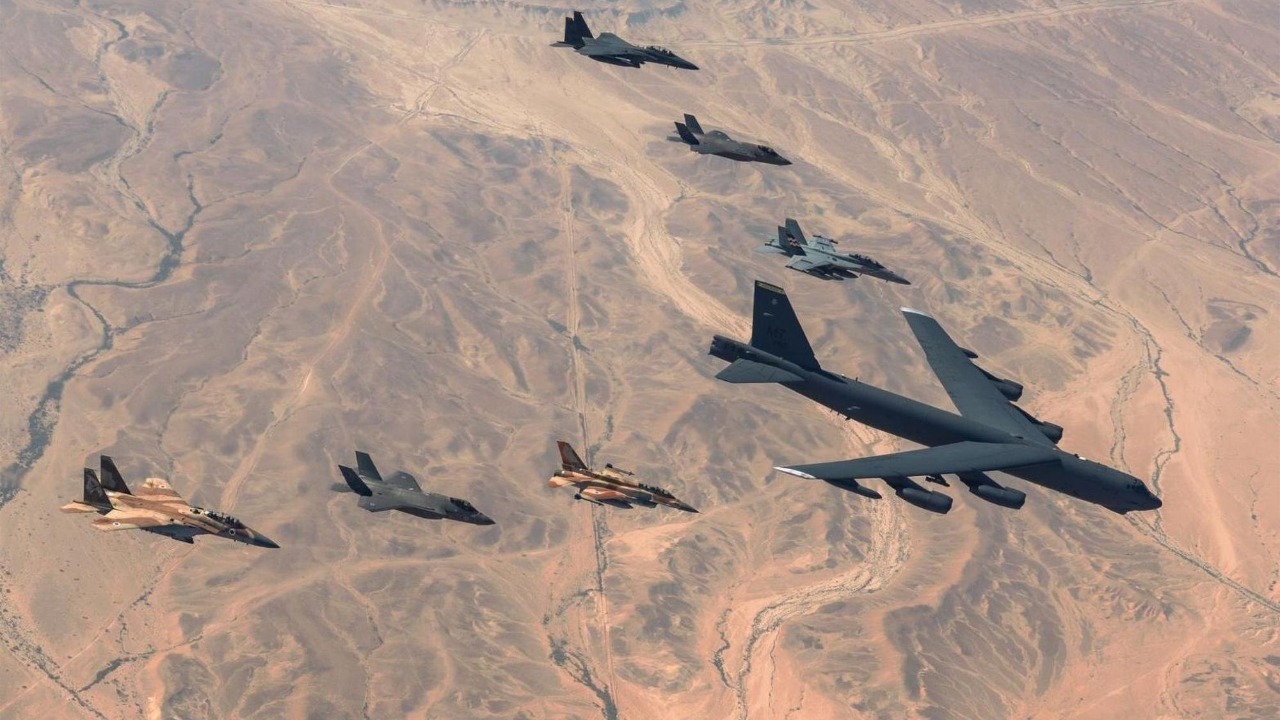
Image Credit: Chief Petty Officer James Mullen – Public domain/Wiki Commons
The biggest unresolved issue is whether there is, in fact, a formal U.S. approval process for this category of strike. Reuters says an Israeli defense official described one. But no U.S. official has publicly confirmed that Washington is reviewing, delaying, or withholding approval for attacks on Iranian energy facilities. That distinction is the central editorial line in this story. It separates what has been reported by a top-tier news agency from what has been publicly verified by governments involved.
There is also an important difference between energy-adjacent targets and a broader campaign against Iran’s export system. The public reporting establishes that infrastructure threats are now part of the rhetoric surrounding the conflict. What it does not yet establish is that the United States has signed off on a sustained effort to hit refineries, export terminals, storage hubs, or other sites central to Iran’s energy lifeline.
Another open question is what Washington would actually be approving. One possibility is a narrow decision tied to specific facilities. Another is tacit acceptance without a formal public declaration. A third is that the leak itself serves as strategic pressure aimed at Tehran, at energy markets, and at policymakers in Washington. The public record does not yet settle which explanation is closest to reality.
Why the energy angle matters
Image by Freepik
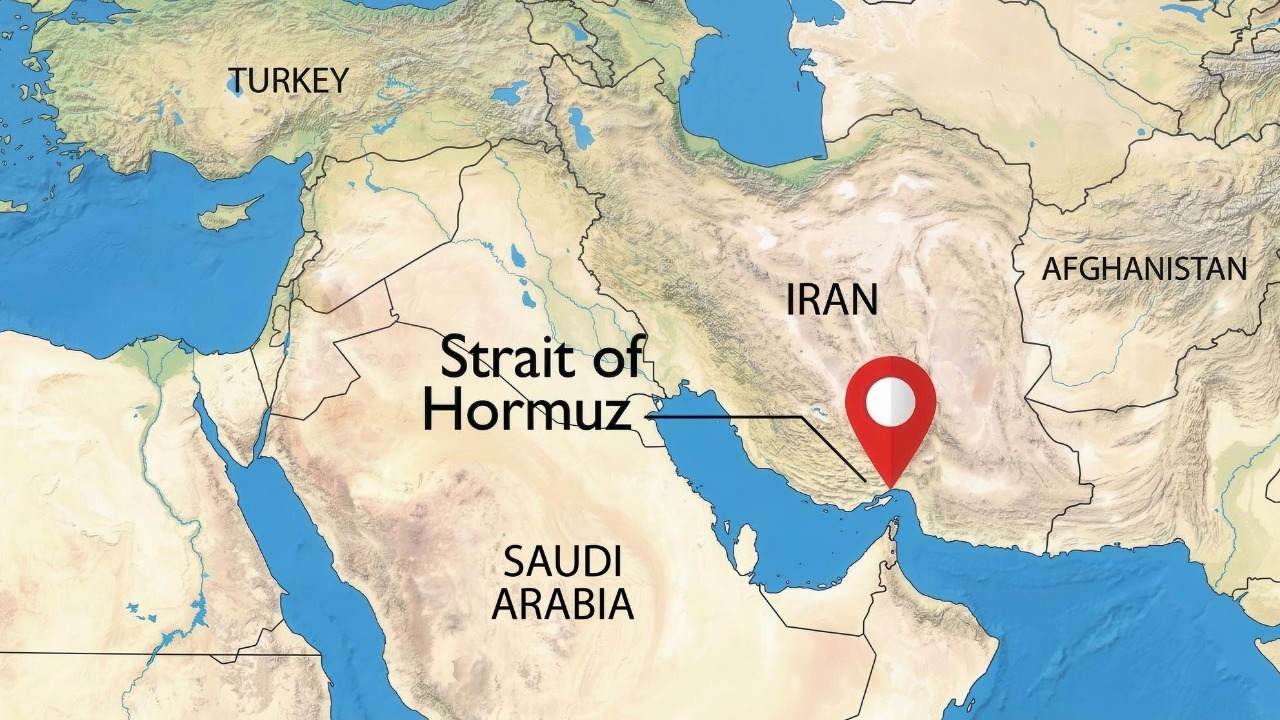
Energy infrastructure is not just another target class. It is where military escalation and economic fallout meet. According to the U.S. Energy Information Administration, the Strait of Hormuz remains one of the world’s most important oil transit chokepoints, carrying a large share of globally traded crude and liquefied natural gas. Any credible threat to Iranian energy assets therefore reaches well beyond the battlefield. It becomes a story about crude prices, gasoline costs, shipping insurance, tanker routes, and inflation pressure far outside the Gulf.
The EIA has also noted in more recent market analysis that war-risk concerns in and around Hormuz have already driven tanker rates sharply higher. That matters here because the threat of additional disruption can move markets before any new strike takes place. In other words, the economic consequences begin long before the first confirmed hit on a refinery or export terminal.
That is why the gap between public rhetoric and private authorization matters so much. Trump’s infrastructure threats make the Reuters report plausible. The White House’s stated objectives, however, still stop short of openly declaring Iran’s energy network a public target category. The report sits inside that gap, which is exactly why it deserves close scrutiny rather than blanket acceptance or dismissal.
How to read the evidence now
chesnutt/Unsplash
The clearest way to frame the situation is this: Reuters has reported that Israel is prepared for possible strikes on Iranian energy facilities and is awaiting a U.S. green light. The White House has publicly threatened overwhelming action and continues to describe Operation Epic Fury in terms of missiles, naval forces, proxies, and nuclear risk. The market backdrop makes any move against energy infrastructure unusually significant. What remains unconfirmed is whether Washington has actually approved a new phase focused directly on Iran’s energy sector.
That means the most defensible version of the story is not a flat declaration that major energy strikes are imminent. It is that the idea has moved into credible reported planning at a moment when both military and economic escalation are becoming easier to imagine. That still leaves room for diplomacy, delay, or strategic ambiguity. It also means the next meaningful signal will not be broad rhetoric alone, but either additional reporting from major outlets, clearer White House language, or visible operational steps that point to a shift from pressure to execution.
For now, the situation is defined less by certainty than by convergence. A senior Israeli defense official has described possible energy-site strikes to Reuters. The White House has embraced maximal language about the campaign’s aims. The Strait of Hormuz remains central to the global oil picture, which magnifies the stakes of any decision involving Iran’s energy system. In that environment, the difference between signaling and intent can narrow very quickly, and that is precisely why the article must treat the reported planning seriously without presenting it as settled fact.
Cayla Corkill is a writer and editor contributing news and topical coverage at Overview Today. With a background in research, fact-checking, and editorial work, she brings a detail-oriented approach to every piece she publishes. Cayla holds a Bachelor's degree from Central Methodist University and continues to grow her editorial portfolio through consistent publication work.
President Donald Trump has turned the Strait of Hormuz into the next pressure point in the widening war with Iran, giving Tehran 48 hours to reopen one of...
Russian forces hit Sumy Oblast with guided aerial bombs, drones, and conventional shelling over a punishing stretch of attacks that wounded six civilians and tore through apartment buildings,...
Russia said its troops had taken full control of Ukraine's Luhansk region. Hours later, Ukraine said the front line there had not changed. On the surface, the clash...
For 60 years, the family of Camilo Torres Restrepo never got his body back. The Colombian priest turned guerrilla fighter was killed in his first and only battle...
The United States and Israel launched coordinated military strikes against Iran, opening a major new phase in a confrontation that had been moving steadily toward direct war. The...
Stay informed with today’s most important headlines from around the world. We bring you clear, up-to-date reports on politics, global events, culture, crime, lifestyle and more — all in one place.