A Dallas Police Department SWAT officer fatally shot an armed suspect while helping serve a federal narcotics search warrant in West Dallas, according to police, after a confrontation that unfolded in seconds inside a property on Shaw Street. Authorities say the suspect opened a door while holding a handgun and pointed it at officers as the team was clearing the location. The shooting happened during a planned operation involving Dallas police, the Lewisville Police Department, and a Drug Enforcement Administration task force. No officers were injured. Police later identified the man who was killed as 26-year-old Matthew Leija.
What happened on Shaw Street
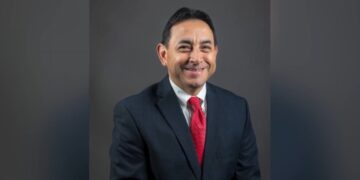
Dallas police said the operation began at about 10:05 a.m. in the 1000 block of Shaw Street, where SWAT officers were assisting with a federal narcotics search warrant. According to the department’s public account and follow-up reporting, officers were clearing a property that included a single-story residence and a detached two-story structure behind it. At a later briefing summarized by FOX 4 and shown in the department’s critical incident video release, Police Chief Daniel Comeaux said officers encountered dogs while moving toward the second-floor area of the detached structure and used flash-bang devices before continuing upstairs. At the top, officers came to two closed doors.
Police said that as officers announced themselves, Leija opened one of the doors with a firearm in his right hand and pointed it toward the team. Officer Elias Wells fired multiple rounds from his rifle, striking him. Dallas police said a SWAT doctor tried life-saving measures, but Leija was pronounced dead at 10:23 a.m. That account was later reinforced by body-worn camera video released by Dallas police, a step officials said was meant to provide transparency about what happened during the raid. The release moved the story beyond an initial police summary and gave the public a clearer sense of how quickly the confrontation unfolded in a confined space.
What investigators say they found
After the shooting, police said officers recovered several firearms and multiple narcotics from the property, including methamphetamine, marijuana, and fentanyl. NBC 5 DFW reported that Dallas police disclosed those findings in a follow-up update days after the shooting.
Police also said several of Leija’s family members were inside the single-story home at the time and were detained and interviewed by DEA task force members. Two infant children were found unharmed in the second-story area immediately after the shooting, according to the department’s video briefing. Dallas officials said Child Protective Services responded, and the children were later released to their mother.
What comes next in the investigation
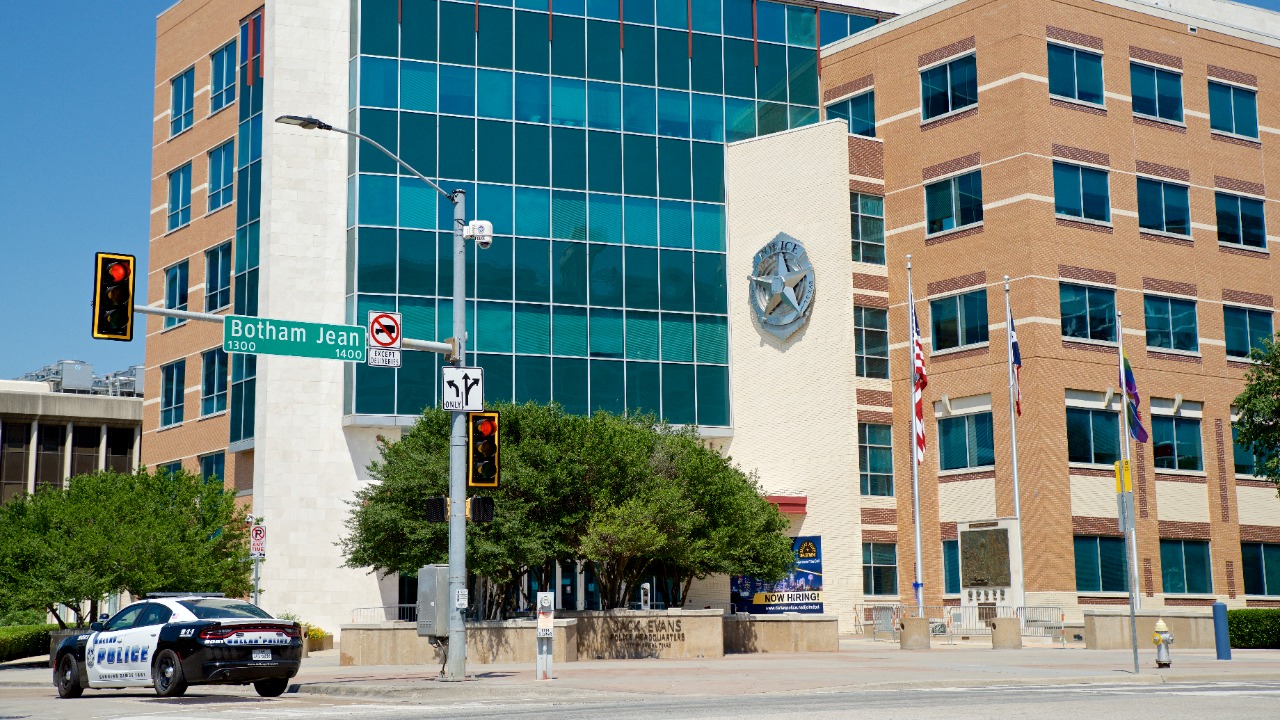
The case is being investigated by the Dallas Police Department’s Special Investigations Unit, which handles officer-involved shootings. Dallas police said the Dallas County District Attorney’s Office will conduct an independent investigation, and the department has also said the Office of Community Police Oversight was briefed on the case through its public release. Officer Wells was placed on administrative leave, which is standard procedure after a fatal police shooting. In Texas, the legal standard in police shootings generally turns on whether the officer reasonably believed deadly force was necessary to protect against an imminent threat of death or serious bodily injury.
A case that fits a larger Dallas debate
Fatal shootings during warrant service draw intense scrutiny because they combine two of the most contested issues in policing: tactical drug enforcement and split-second use-of-force decisions. In this case, Dallas officials have framed the shooting as a direct response to an armed suspect pointing a gun at officers during a lawful search operation. The released footage and the chief’s public comments, as reflected in coverage from FOX 4 and WFAA, have strengthened that official account.
Supporters of SWAT deployments argue that specialized teams reduce risk by bringing training, discipline, and equipment to volatile situations. Critics argue that heavily armed entries can heighten tension and leave little room for de-escalation once contact is made. That tension is especially sharp in a residential neighborhood, where the consequences of a tactical mistake can reach beyond the target of the warrant. The fact that children and relatives were inside the property when this operation turned deadly will only add to those concerns, even if investigators ultimately conclude the officer acted within the law and department policy.
Why the case will be judged on more than the first police account
Early police statements often shape public understanding of officer-involved shootings, but they rarely settle the matter on their own. In this case, Dallas moved faster than many departments by releasing body camera footage within days, offering a clearer view of the encounter than the original incident summary alone. That will likely help the department defend the shooting as a response to an immediate armed threat.
But transparency is not the same as finality. The district attorney’s review, internal investigative findings, and any additional records that emerge will determine whether the public sees this as a straightforward case of self-defense by police or as another example of a drug raid that ended with a death before the full story was known. For now, the central facts are clearer than they were in the first hours after the shooting. Dallas SWAT officers were serving a federal narcotics warrant on Shaw Street in West Dallas. Police say Matthew Leija opened a door, pointed a handgun at officers, and was shot by Officer Elias Wells. Drugs and guns were later recovered from the property. The legal and policy questions that follow will take longer to answer, but the incident has already become one more closely watched test of how Dallas handles deadly force, public disclosure, and accountability after a high-risk operation turns deadly.