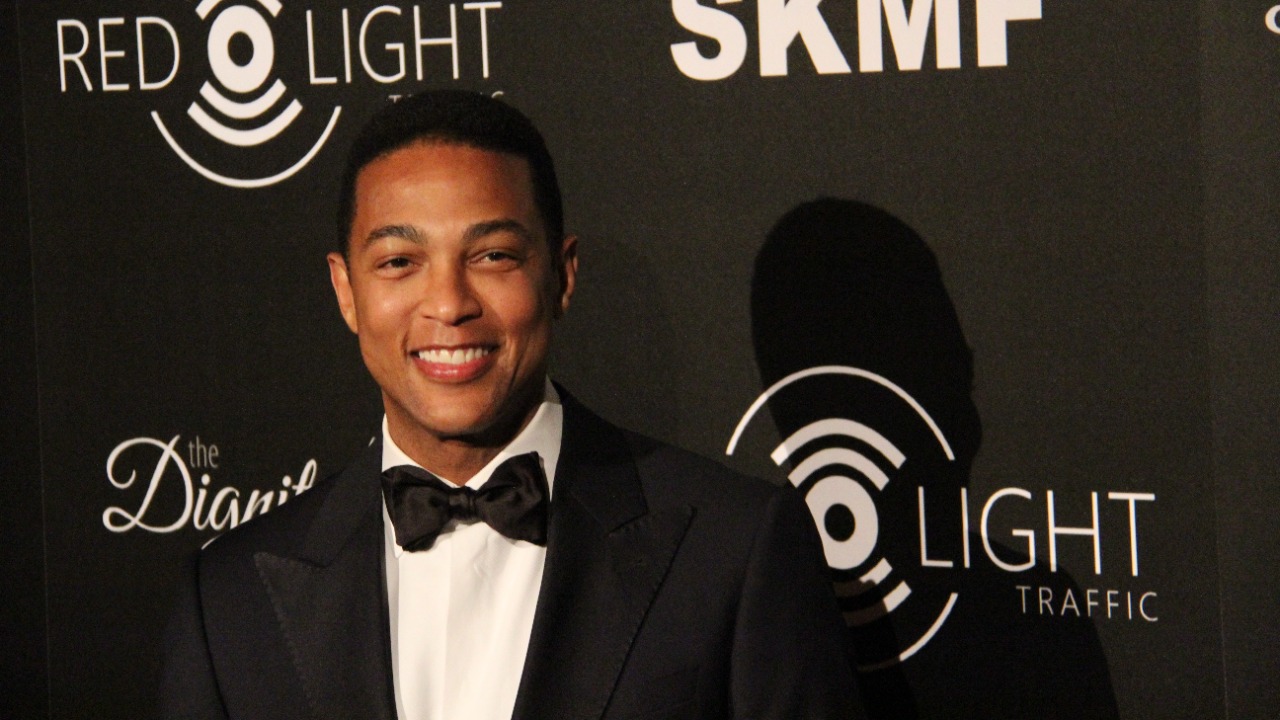
Former CNN anchor Don Lemon and independent journalist Georgia Fort were arrested after federal prosecutors tied them to a protest that disrupted a church service in St. Paul, Minnesota, turning what began as a local confrontation over immigration enforcement into a national fight over protest rights, religious liberty and press freedom. The case stems from a Jan. 18 demonstration inside Cities Church, where protesters confronted pastor David Easterwood over his reported role with U.S. Immigration and Customs Enforcement. By the end of the month, the Justice Department had moved beyond the protest’s core participants and brought charges that also swept in two journalists who say they were there to document the event, not direct it. That distinction now sits at the center of the legal battle.
What happened at Cities Church
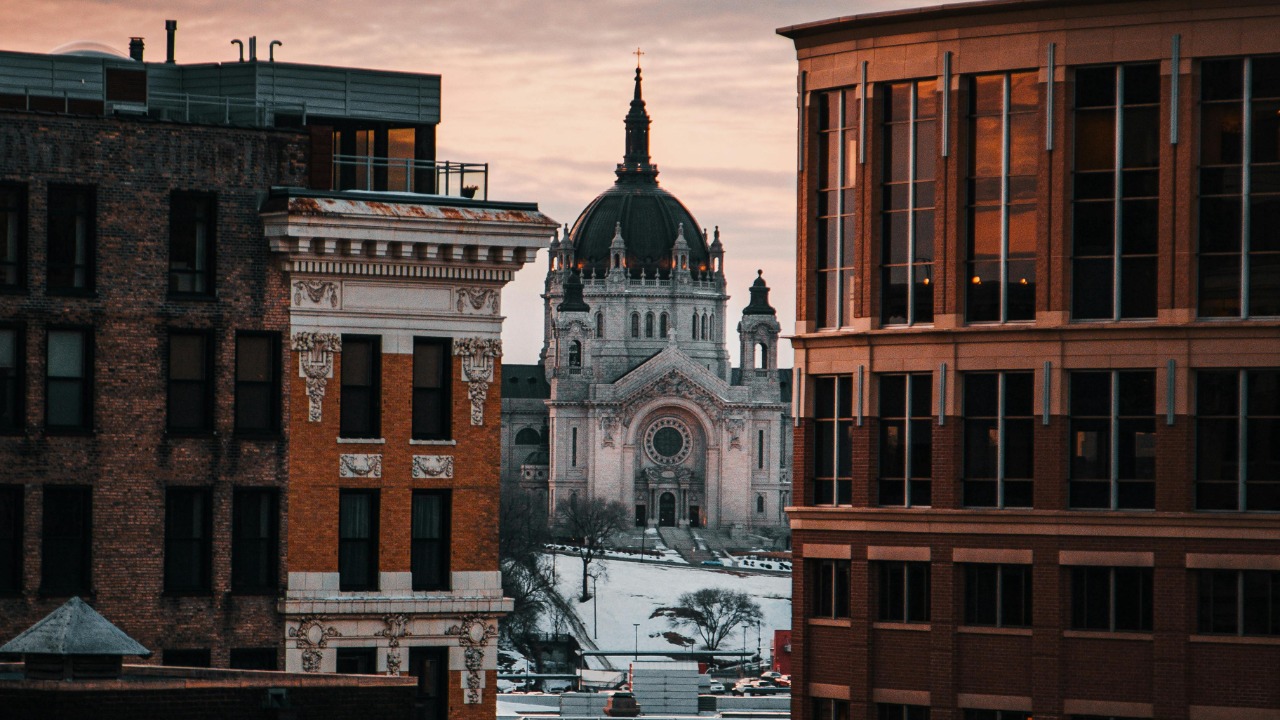
According to reporting from Reuters, The Associated Press, MPR News and Sahan Journal, activists entered a Sunday service at Cities Church in St. Paul and interrupted worship while protesting federal immigration enforcement in Minnesota. The church became a target because Easterwood was identified by protesters as both a pastor and a senior ICE official. Video from inside the sanctuary showed chanting, movement through the aisles and a confrontation serious enough to halt the service. What is not in serious dispute is that worship was interrupted. What is disputed is who crossed the line from witness to participant. Federal prosecutors have treated the incident not as a routine protest arrest but as interference with worship at a protected religious site. That matters because the laws cited in the case carry greater weight than ordinary trespass or disorderly conduct charges. As Reuters noted in its legal analysis, one of the statutes involved is the Freedom of Access to Clinic Entrances Act, better known as the FACE Act, a law more commonly associated with abortion-clinic cases but one that also applies to houses of worship.
Lemon’s arrest and the government’s theory
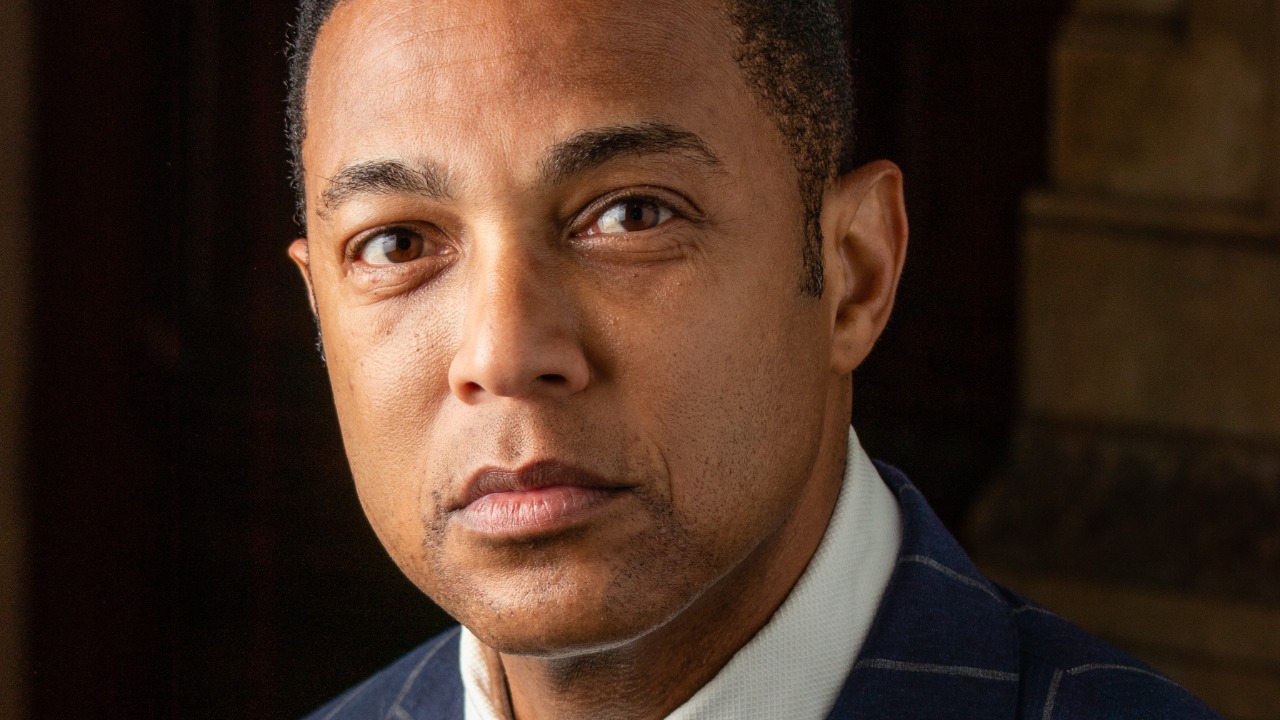
Lemon, now working independently, was arrested after livestreaming the protest and later appeared in federal court in Los Angeles. Reuters and AP reported that prosecutors accused him of conspiring to deprive worshippers of their civil rights and of violating the FACE Act by helping obstruct access to a place of worship. The government’s theory appears to rest less on any single dramatic act than on the idea that people who entered the church as part of the same action helped create the disruption, even if they were also recording it. That is what makes the case feel unusually aggressive. Lemon’s public position has been straightforward: he says he was there as a journalist, covered what unfolded and intends to fight the charges. That defense goes directly to intent, which is critical in a case like this. To prove a FACE Act violation, prosecutors must do more than show that someone was present while worship was interrupted. They must persuade a jury that the person intentionally interfered through obstruction, intimidation or coordinated participation. Lemon’s likely argument is that his purpose was to document an event of obvious public interest, not to help carry it out.
Georgia Fort and the press-freedom question
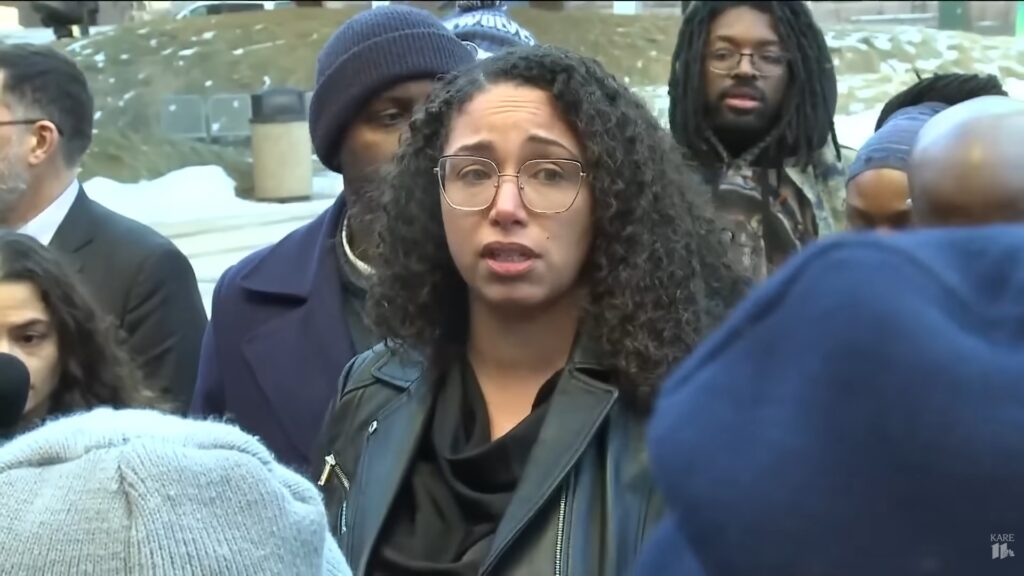
Fort’s arrest may prove even more consequential for journalism because it sharpens the press-freedom question at the center of the case. The Minnesota reporter was also inside the church documenting events when federal authorities decided to charge journalists alongside activists. Coverage from MPR News and Sahan Journal underscored how unusual that move was and how quickly it alarmed local media advocates. There is little debate that journalists can lawfully report from scenes of confrontation, even chaotic ones. The harder question is whether a reporter’s physical presence inside a building during a coordinated disruption can later be portrayed as part of that disruption. Civil-liberties advocates see the government’s answer as dangerous. If filming and narrating become evidence of participation, reporters covering protests at churches, mosques, synagogues or temples could face legal jeopardy simply for staying close enough to show the public what happened. That concern is not abstract. The legal theory being tested here could reach far beyond a celebrity defendant. Fort’s case is a reminder that whatever precedent emerges will affect local reporters and freelancers long after the national spotlight moves on.
Why the case is drawing so much scrutiny
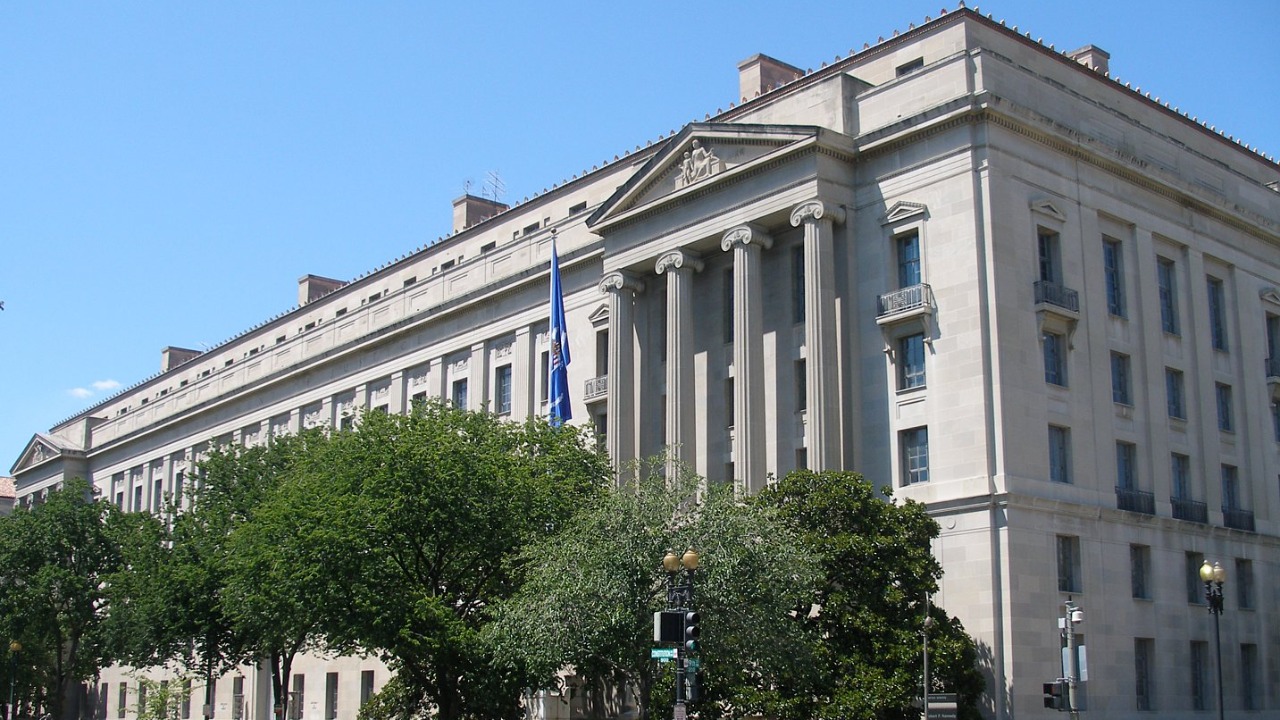
Part of what makes the prosecution so striking is the route the Justice Department took to get there. Contemporary reporting indicated that earlier efforts to secure warrants for some proposed defendants faced resistance from judges who found the evidence insufficient at that stage. Prosecutors ultimately proceeded through a grand jury indictment. That sequence does not make the charges invalid, but it does add to the skepticism around them. It suggests the evidence against at least some people at the scene, especially journalists, was not initially viewed as strong enough to justify arrest warrants. Once that backdrop is understood, the case stops looking like a straightforward prosecution of church intruders and starts looking more like a broad test of how far the federal government can stretch conspiracy and civil-rights theories around a protest. There is also an unavoidable political dimension. The protest targeted a pastor linked to ICE during an intense national argument over immigration enforcement. Supporters of the prosecution say houses of worship cannot become venues for political disruption. Critics argue the government is using an unusually heavy federal response to chill dissent and warn reporters against getting too close to politically charged demonstrations.
What comes next
The next phase of the case is likely to turn on video, intent and role. Prosecutors will try to show that entering the sanctuary as part of a coordinated action was enough to interfere with congregants’ right to worship. Defense lawyers will try to separate organizers and lead protesters from journalists and other observers whose conduct looked very different on camera. That is why the case matters beyond Minnesota. It may help define whether the law treats a reporter inside a protest as a chronicler of events or as part of the event itself. For Lemon and Fort, the answer could shape the outcome of their cases. For the broader press, it could influence how future protests at sensitive sites are covered at all.