

Federal, state, and local investigators raided jewelry stores in Irving and Frisco, Texas, after what authorities described as a yearlong investigation into a fraud network that preyed on older adults and funneled stolen money through gold transactions. The case drew attention not only because of the targets, but because of the scale. Investigators say elderly victims across Texas lost at least $55 million in a scheme built around fear, secrecy, and the false promise that gold could somehow protect their savings. The raids hit Tilak Jewelers in Irving and Saima Jewelers in Frisco, where officers seized millions of dollars in cash and gold, according to local reporting. Authorities allege the stores were buying or processing gold that victims had been pressured to surrender to couriers after being told they were under federal investigation or at risk of financial ruin.
How the alleged gold-bar scam worked
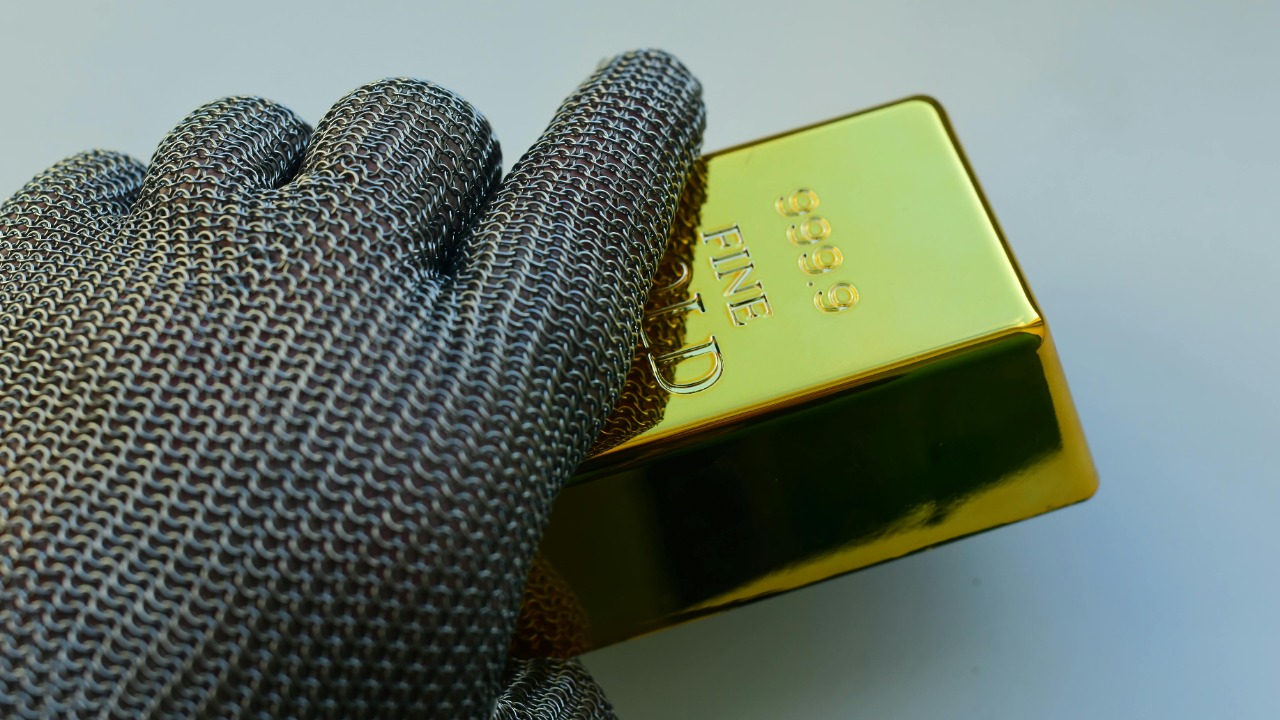
Investigators say the operation followed a now-familiar script. Older victims were contacted by people posing as federal agents or regulatory officials and told their identities, bank accounts, or retirement savings were in danger. Some were threatened with prosecution. Others were told they had to act immediately and tell no one. From there, the instructions escalated: liquidate accounts, withdraw cash, buy gold, and hand it over.
That playbook has shown up in other federal cases. In September 2025, the U.S. Attorney’s Office for the Western District of Kentucky announced a federal grand jury indictment alleging that conspirators deceived senior victims into believing they had been caught up in identity theft and that purchasing gold would protect their assets. According to that case, the scammers then posed as government officials to pick up the gold and steal the proceeds. The Kentucky indictment does not establish a direct tie to the North Texas raids, but it shows how well-developed this fraud model has become. Federal prosecutors described nearly the same mechanism, and consumer protection agencies have been warning about the same tactic. The Federal Trade Commission says no real government agent will ever tell someone to buy and deliver gold bars to protect money. The FBI’s Internet Crime Complaint Center also warned that scammers have increasingly told victims, many of them seniors, to liquidate assets into cash or precious metals and hand them to couriers for supposed safekeeping. That combination of urgency, secrecy, and impersonation is what makes the scheme so effective.
Why storefronts mattered in North Texas
The most striking detail in the Texas case is the alleged use of real jewelry stores as part of the laundering chain. Investigators told local media that victims were convinced to buy or surrender gold, which was then routed through couriers to the stores. From there, authorities allege, some of it was melted down into jewelry, including bracelets, sold to unsuspecting customers, or moved out of the country. CBS Texas reported that a Brinks armored truck was brought in during the raids to haul away evidence. The storefront element gave the scheme a layer of legitimacy that simple wire fraud does not have. A jewelry counter looks lawful. A bullion transaction looks ordinary. A victim walking into a real business may feel less alarmed than someone told to wire money to a stranger overseas. Investigators believe that apparent legitimacy helped the operation keep moving while older victims were being manipulated in the background. According to NBC DFW, authorities said more than $7 million was stolen from victims in Collin County alone, with statewide losses exceeding $55 million. Sheriff Jim Skinner told CBS Texas that around 200 Collin County victims were over age 65. Even by the standards of modern fraud cases, those numbers are enormous.
Why elderly victims are hit so hard

Gold-bar scams are especially destructive because they are designed around the habits and fears of older adults. Many victims have substantial retirement savings, own homes outright, and remain more likely to trust an authoritative voice on the phone. The criminals exploit that instinct. They invoke federal agencies, badge numbers, case files, and legal threats. They isolate victims by warning them not to speak to relatives or bank employees. Then they turn fear into action. Once the money has been converted into gold and passed to a courier, recovery becomes much harder. Gold is portable, fungible, and easy to melt or resell. That is one reason the FBI has repeatedly warned that courier-based scams involving cash and precious metals can move faster than traditional fraud investigations. In a 2024 public service announcement, the FBI said it had already seen more than $55 million in aggregated losses from a surge in schemes that directed victims to buy gold, silver, or other precious metals and hand them to couriers. IC3’s warning makes clear how quickly these cases can escalate.
What this case says about the wider fraud threat
The North Texas raids matter beyond Irving and Frisco because they show how elder fraud keeps adapting. Gift cards and wire transfers are still common, but gold adds a new layer of concealment and psychological credibility. It sounds old-fashioned and secure, which is exactly why scammers use it. Victims are told they are not losing money, only moving it somewhere safer. By the time they realize the truth, the asset is gone. Authorities say the raids were only one stage of a larger investigation, and more arrests could follow. What is already clear is that the case fits a broader national pattern. The FTC, the FBI, and federal prosecutors have all described nearly identical methods in recent warnings and indictments. The difference in North Texas is that investigators say the alleged laundering chain ran through neighborhood jewelry stores, not an anonymous website or offshore account. That is what makes the story land so hard. The scam did not rely only on fake calls and fake badges. Investigators say it also relied on real counters, real display cases, and businesses that looked ordinary from the street. For elderly victims who believed they were obeying the government and protecting a lifetime of savings, that extra layer of realism may have been the final push that made the fraud work. For families, the warning sign is simple and urgent: no legitimate government agency will tell someone to buy gold, hand assets to a courier, or keep a financial emergency secret from loved ones. In this case, investigators say that lie fueled losses on a staggering scale.