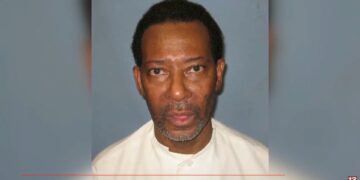
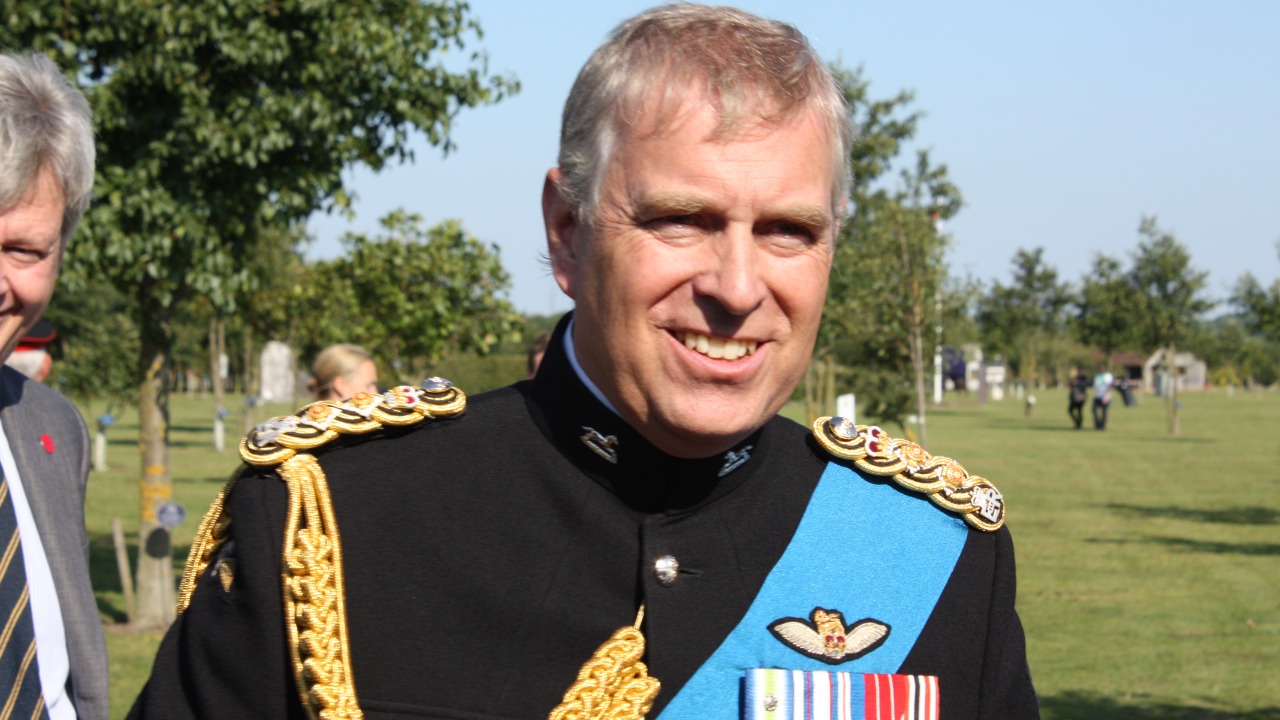
Andrew Mountbatten-Windsor, formerly Prince Andrew, was arrested Thursday as British police intensified scrutiny of his long-running ties to Jeffrey Epstein. The development marks one of the most serious legal moments ever faced by a member of the modern royal family, even if the case remains at an early stage. The 66-year-old was detained on suspicion of misconduct in public office and later released under investigation, according to police. That distinction matters. Authorities have not publicly announced a formal criminal charge, but the arrest alone has pushed a scandal that long seemed politically toxic, yet legally stalled, into a new and far more volatile phase.
How the Epstein files fed into the arrest
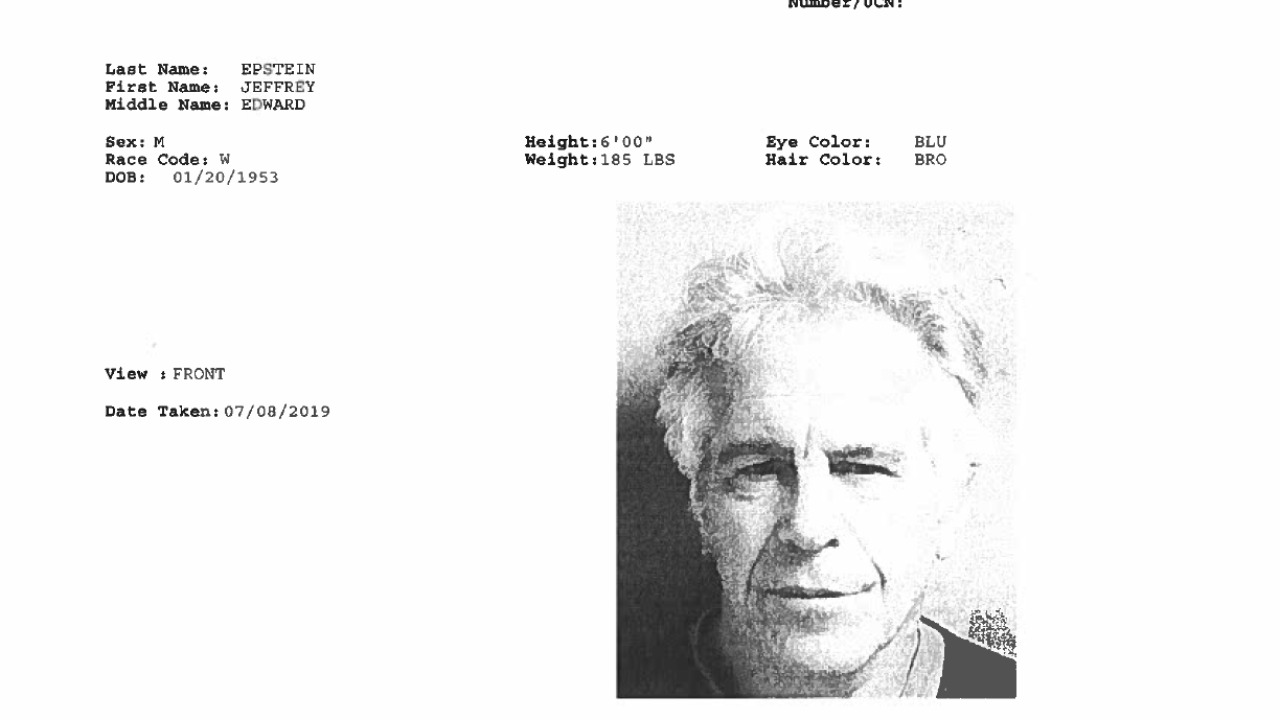
The arrest did not come out of nowhere. It came weeks after the U.S. Justice Department said it had published millions of pages of material in response to the Epstein Files Transparency Act, a sweeping disclosure effort that reopened scrutiny of Epstein’s network and the public figures around it. In a January 30 announcement, the department said the broader compliance effort amounted to nearly 3.5 million released pages, while an accompanying letter to Congress described more than 3 million responsive pages in the latest tranche. That release helped revive questions that had followed Andrew for years, but this time with more documentary detail and more institutional pressure. Reuters reported that investigators were examining whether Andrew shared confidential trade information with Epstein during his time as Britain’s special representative for trade and investment. The Associated Press likewise reported that the arrest centered on suspicion tied to his conduct in that quasi-official role, not a newly announced sex offense case. That difference is crucial. The scandal’s public reputation has long been inseparable from Epstein’s abuse and trafficking network, but the legal theory now under examination appears narrower and more specific: whether Andrew misused a public position by passing along sensitive information or otherwise abusing the trust attached to that office.
What misconduct in public office means in practice
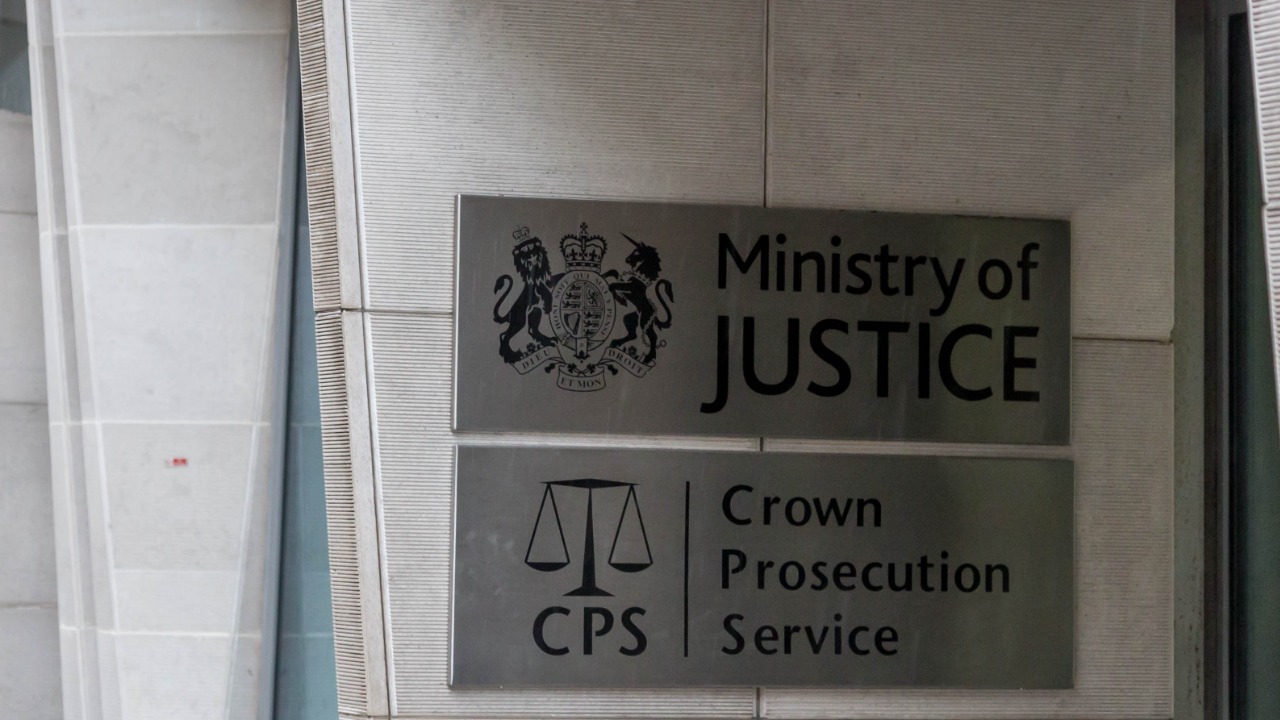
Misconduct in public office is not a casual or symbolic allegation in England and Wales. The Crown Prosecution Service’s guidance describes it as a common-law offense involving serious, willful abuse or neglect of the powers or responsibilities of public office. It carries a maximum sentence of life imprisonment, though actual outcomes depend heavily on the facts, the proof available, and whether prosecutors ultimately decide the conduct meets that high threshold. The central legal question is not simply whether Andrew had access to privileged information, but whether his former status as a trade envoy placed him clearly enough within the offense’s definition. Prosecutors would need to show a direct link between the conduct under scrutiny and the responsibilities of the office he held. That may sound technical, but it is likely to shape the entire case. If that argument gains traction, the matter becomes bigger than one disgraced royal. It would suggest British authorities are prepared to treat the conduct of a royal operating in a public-facing government role as fully subject to the same public-law expectations that apply elsewhere in the state. That would be legally and symbolically significant.
What police have actually said

Officially, the public record remains tighter than many headlines suggest. In its initial statement, Thames Valley Police said it had opened an investigation into misconduct in public office and had arrested a man in his sixties from Norfolk at about 8 a.m. on February 19 while conducting searches at addresses in Berkshire and Norfolk. Later that day, the force confirmed that the man had been released under investigation. Police did not name Andrew in the formal statement, which is standard practice under U.K. law, but major outlets including Reuters and AP identified him as Andrew Mountbatten-Windsor. Both outlets reported that investigators were examining whether material in the newly disclosed U.S. records helped drive the British action. That means the article cannot honestly say he was arrested “on charges.” A more defensible phrasing is that he was arrested “on suspicion” and released while the investigation continues. That is less dramatic, but it is also accurate, and accuracy matters more than heat when a story will face platform review.
Why this still represents a major royal crisis
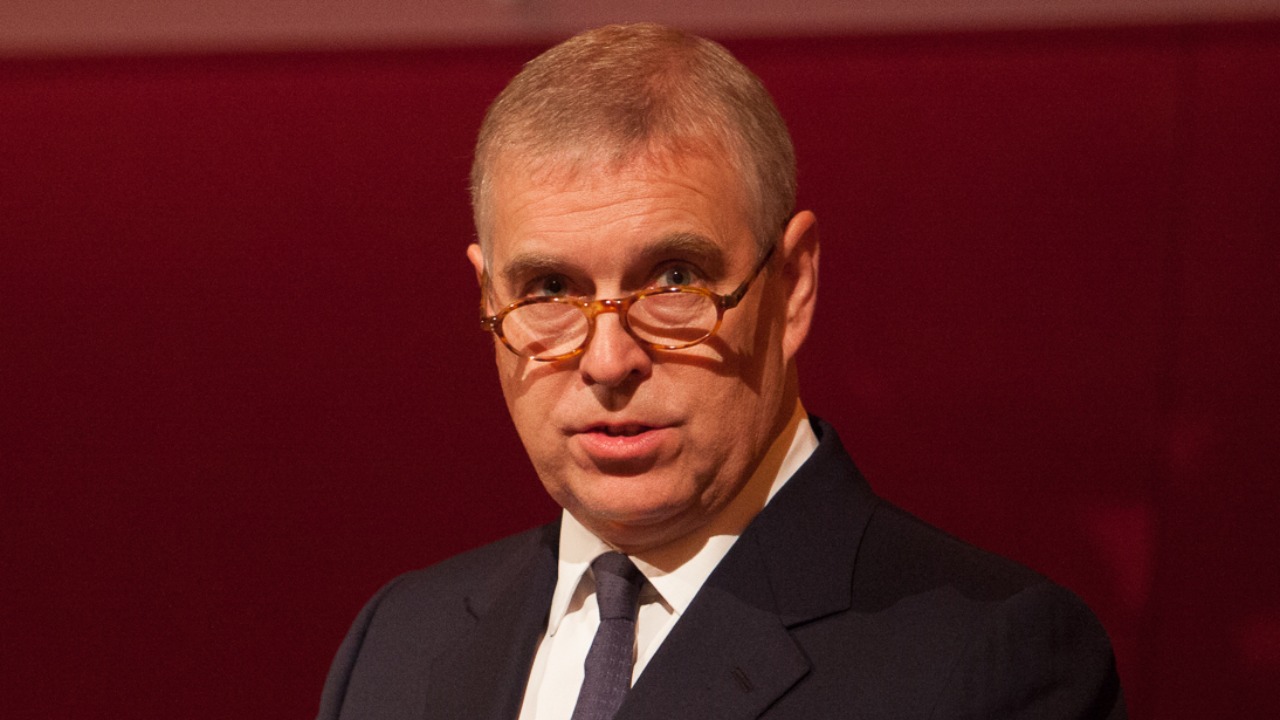
Even with that caveat, the story remains enormous. Andrew is not just another public figure with a tainted past. He is the younger brother of King Charles III and, until recently, a titled royal whose name had already become synonymous with the monarchy’s most persistent reputational wound. Last October, Buckingham Palace said the king had initiated a formal process to remove Andrew’s style, titles and honors, a move later reflected in reporting by Reuters and AP. His legal jeopardy now sharpens a question that has hovered over the royal household for years: whether scandal at the highest level of inherited status can ever trigger the same machinery of accountability that would apply to anyone else. The answer is still unresolved, but Thursday’s arrest suggests the old assumptions of untouchability have weakened. That is what gives the story its force. The arrest is not a final legal judgment. It does not prove guilt. It does, however, show that authorities were prepared to detain and question a man who once occupied one of the most protected positions in British public life. For an institution built on symbolism, that alone is a jolt.
What comes next
For now, the case moves into a quieter stage. Police can continue reviewing records, conducting interviews and consulting prosecutors before any public charging decision is made. The evidence trail may stretch across trade files, travel patterns, communications and the huge body of U.S. disclosures that helped reignite interest in the matter. That leaves the immediate picture both clearer and narrower than many early drafts implied. Andrew Mountbatten-Windsor has been arrested, questioned and released under investigation in a case tied to Jeffrey Epstein and his own former public role. That is already historic enough without overstating it. The real test now is whether investigators can turn a deeply damaging scandal into a case that holds up in court, not just in the court of public opinion.