
The world’s 500 richest people added a record $2.2 trillion to their combined fortunes in 2025, lifting their total net worth to $11.9 trillion and capping one of the most lucrative years ever recorded for the ultra-wealthy.
The gains were heavily concentrated at the top, with just eight people accounting for about a quarter of the increase, according to Bloomberg’s year-end review of its billionaire rankings.
The scale of that surge highlights how strongly 2025 rewarded ownership of the assets that dominated financial markets, especially big technology stocks, cryptocurrencies and precious metals.
It also sharpened a broader argument that has become harder to ignore as fortunes at the top continue to grow faster than wages, public finances and living standards for many households around the world.
A Record Year Driven by Markets, Not Paychecks
The headline number comes from the Bloomberg Billionaires Index’s year-end tally year-end tally, which found that the 500 richest people on the planet gained more wealth in 2025 than in any year since the ranking began.
Bloomberg said the increase was fueled by strong markets across equities, cryptocurrencies and precious metals, with technology fortunes again leading the advance. Billionaire wealth on this scale is usually tied less to salary or cash income than to ownership stakes in businesses and financial assets. When mega-cap stocks surge, founders and top shareholders can add tens of billions of dollars to their net worth on paper in a matter of months.
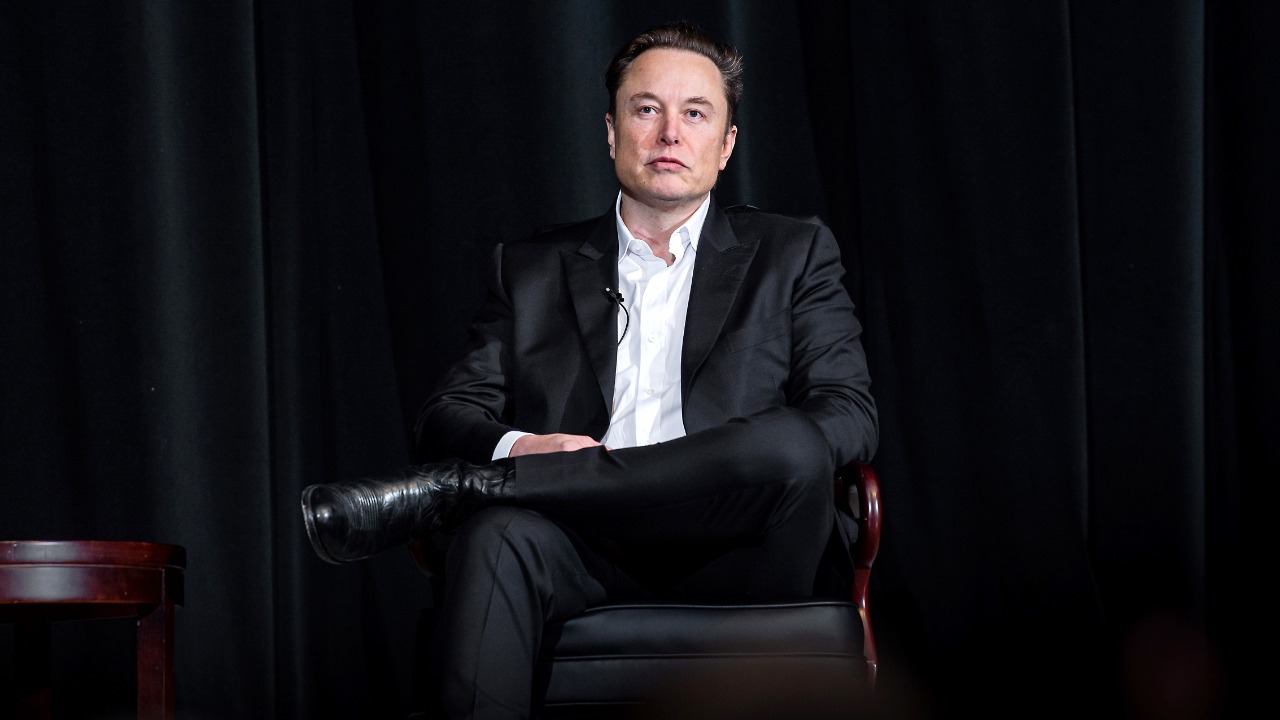
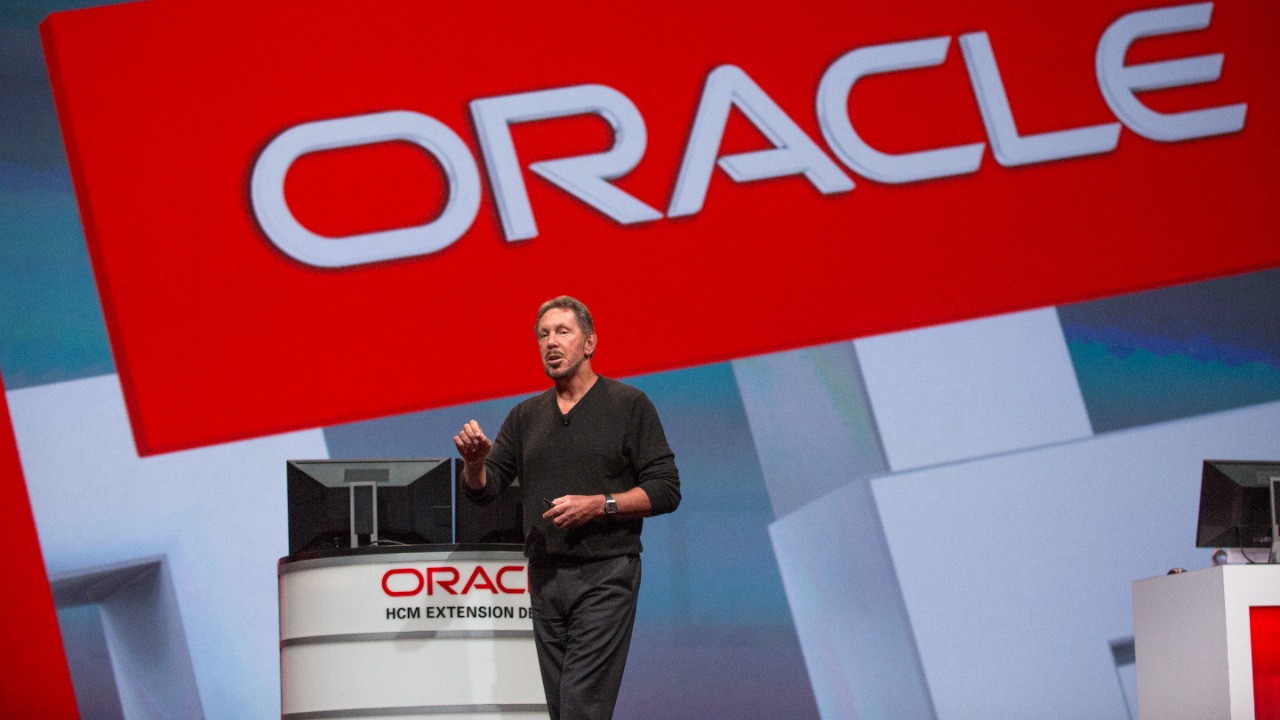
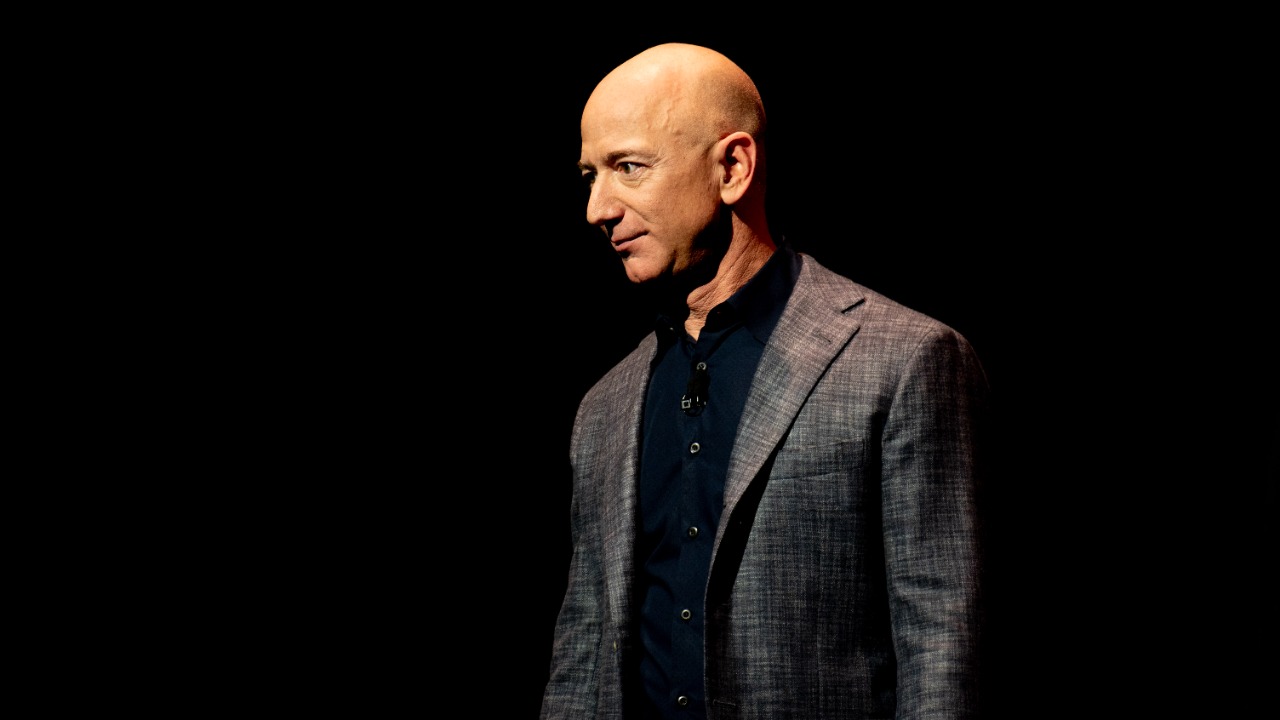
In 2025, those tailwinds proved especially powerful for people with major holdings in companies exposed to artificial intelligence, cloud infrastructure, digital advertising and enterprise software. Bloomberg’s review said about a quarter of the year’s total gain came from just eight individuals, including Elon Musk, Jeff Bezos, Larry Ellison and Larry Page.
Why the Gains Clustered at the Top
The biggest winners were largely people whose wealth is anchored to a small number of highly valued companies. That made 2025 a year in which market enthusiasm, especially around artificial intelligence and related infrastructure, translated quickly into enormous personal gains.
Coverage of the year-end wealth jump in outlets including Fortune and The Guardian similarly pointed to Big Tech’s outsized role in the surge.
That does not mean every dollar of new billionaire wealth arrived as spendable cash. Much of it reflects higher share prices or richer private-market valuations.
Still, paper wealth at this level has real-world consequences. Shares can be sold, borrowed against, pledged or used to reinforce control over companies, philanthropy, media ownership and political influence.
That is why annual billionaire rankings attract so much attention, even when the underlying fortunes can swing sharply with the markets.
The volatility matters too. These fortunes can fall quickly when asset prices reverse, as earlier downturns showed. But a temporary mark-to-market decline does not erase the structural advantage that comes from owning large stakes in businesses that dominate essential parts of the economy.
That is one reason the 2025 surge is likely to continue fueling debates about who benefits most when markets rise.
The Bigger Billionaire Picture
Bloomberg Billionaires Index covers the top 500, not every billionaire globally. A broader estimate released by Oxfam ahead of the World Economic Forum in Davos found that total billionaire wealth worldwide jumped more than 16% in 2025 to $18.3 trillion, its highest level on record.
Reuters reported that Oxfam said billionaire wealth has risen 81% since 2020.
Placed side by side, those figures show how dominant the very top tier has become. If Bloomberg’s $11.9 trillion estimate for the richest 500 is compared with Oxfam’s $18.3 trillion figure for billionaires as a whole, the top 500 account for roughly two-thirds of total billionaire wealth.
In other words, concentration is not just a feature of the wider economy. It is also a defining feature within the billionaire class itself.
That helps explain why year-end rich-list stories resonate so strongly. They are not merely celebrity finance. They are a snapshot of ownership patterns in a global economy where capital gains, company control and financial assets can compound much faster than labor income.
How Bloomberg Calculates Fortunes

Bloomberg Billionaires Index is updated each business day and uses a methodology based on public market prices, currency moves, private-company comparisons, reported transactions and other valuation inputs.
According to Bloomberg’s published methodology, publicly traded holdings are generally valued using the latest closing prices, while private assets are estimated using comparable companies or transactions, with adjustments where appropriate.
Private holdings are especially sensitive to assumptions. A fresh funding round, a revised comparable-company multiple or a large move in a listed peer can all push an individual’s estimated wealth sharply higher or lower without any major sale taking place.
That caveat is worth keeping in mind, but it does not change the main finding. Whether the final figure is slightly above or slightly below the headline number, 2025 was clearly a banner year for people who own some of the world’s most valuable assets.
Why the Number Lands so Hard
The record gain arrives at a moment when inequality remains central to political and economic debate. Oxfam has argued that extreme private wealth increasingly translates into political influence, while supporters of the current system counter that many of the same fortunes are tied to companies driving innovation in electric vehicles, software, artificial intelligence, logistics and space technology.
The poverty comparison that often accompanies these stories is also evolving. The World Bank updated its international poverty lines in 2025, raising the global extreme poverty line to $3.00 per person per day using 2021 purchasing power parity data.
In the end, the $2.2 trillion gain is more than a striking statistic. It is a measure of how strongly modern markets reward concentrated ownership, especially when technology-led asset booms take hold.
For supporters, that is evidence of value creation and successful risk-taking. For critics, it is proof that the gains from growth are being captured by too few people.
Either way, the 2025 numbers ensured the debate entered the new year with renewed urgency.