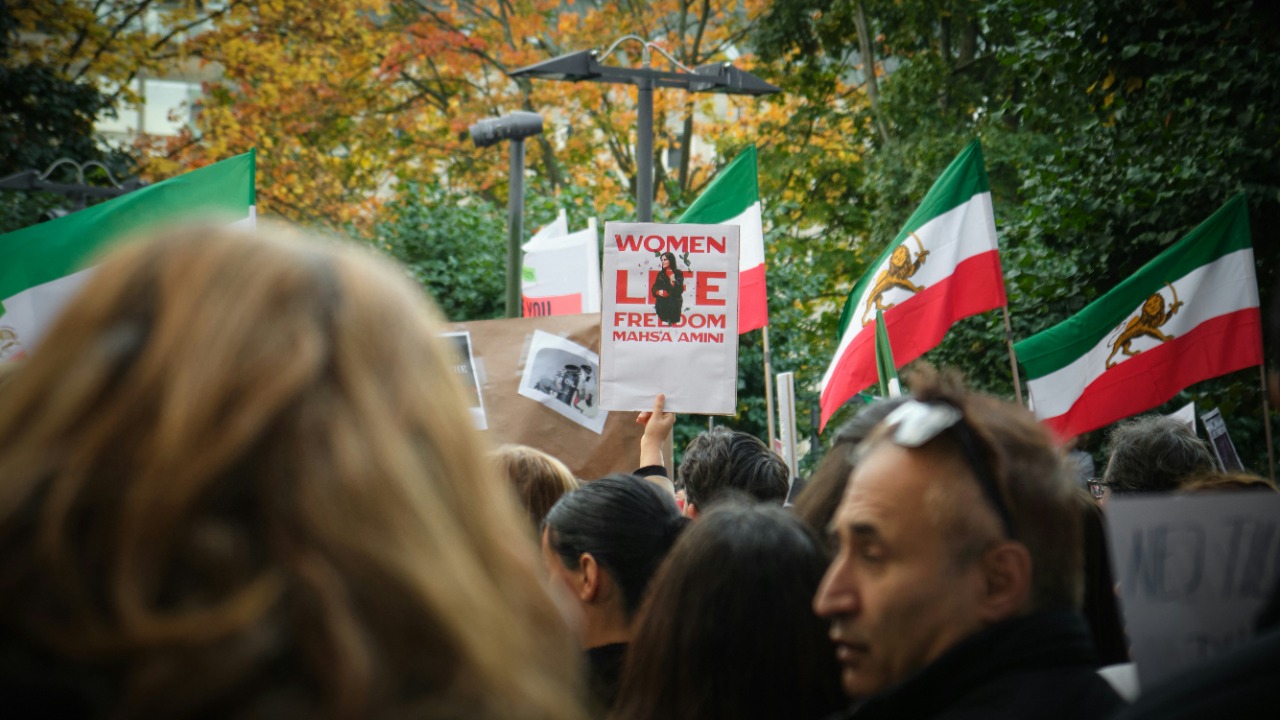
Iran has, for the first time, put an official nationwide death toll on the protests that erupted after Mahsa Amini died in morality police custody, saying 3,117 people were killed in the crackdown. The admission is significant on its own. It is also immediately contested. The government’s figure, carried by state television and attributed to the Foundation of Martyrs and Veterans Affairs alongside the Interior Ministry, is well below counts compiled by independent rights monitors. That gap is more than a dispute over arithmetic. It goes to the heart of how the Islamic Republic wants the unrest remembered, who gets recognized as a victim, and how much of the bloodshed may never be fully documented.
Tehran finally puts a number on the crackdown
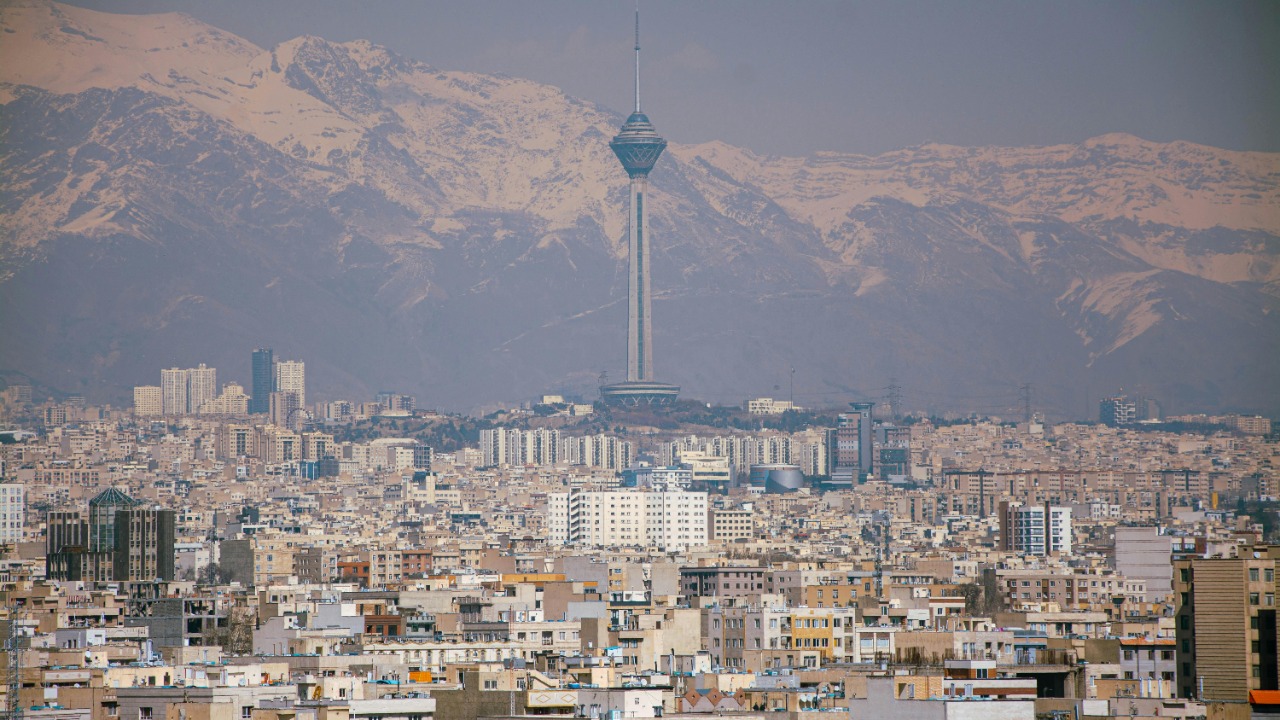
For weeks, Iranian authorities avoided releasing a single nationwide death toll from the unrest. When that changed, the number was staggering even before it was challenged. State media said 3,117 people were killed during the demonstrations, making the episode one of the deadliest periods of domestic unrest in Iran in decades. Just as revealing as the top-line figure was the way officials described it. According to Associated Press reporting, Iranian authorities said 2,427 of the dead were civilians and members of the security forces, while declining to clearly account for the remainder. State messaging around the protests has consistently referred to demonstrators as rioters and tied the unrest to foreign enemies, a narrative Tehran has used to justify an exceptionally forceful response. That matters because official labels in Iran are never just descriptive. They shape how the state explains violence, which deaths are publicly mourned, and which are politically erased.
Why the gap with rights groups matters
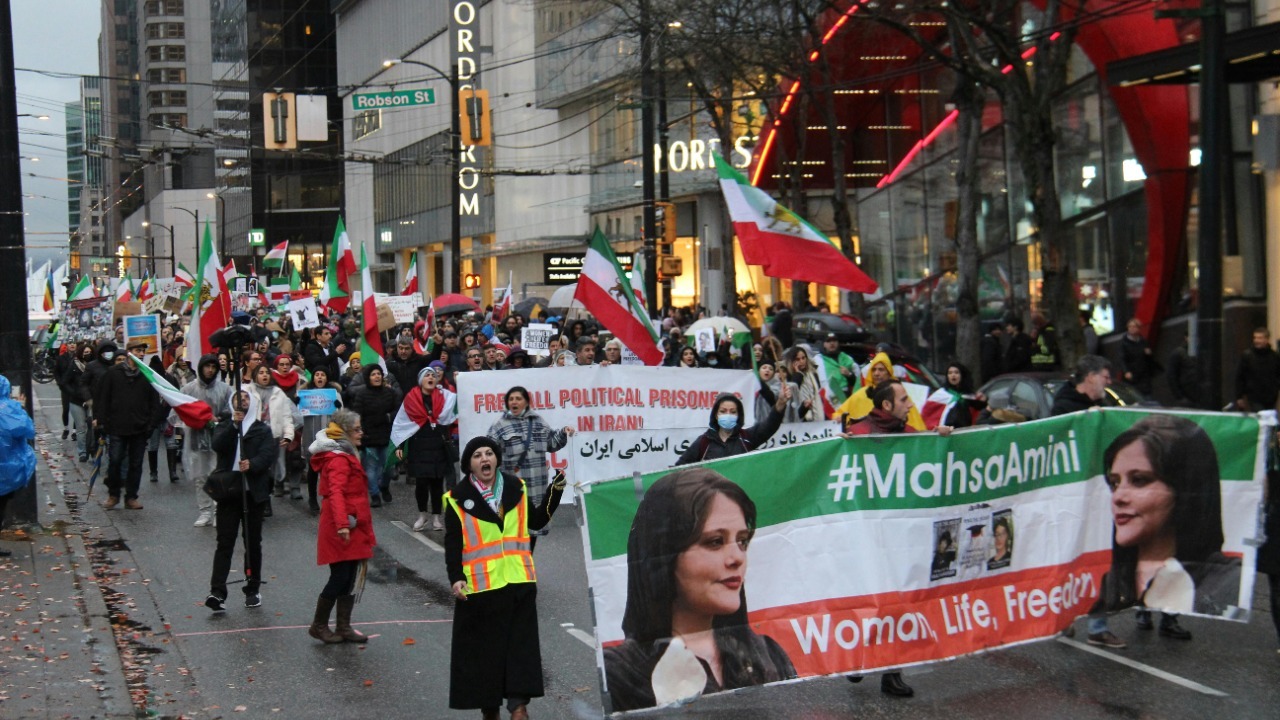
Independent monitors have reported a much higher toll. AP said the U.S.-based Human Rights Activists News Agency, or HRANA, had verified at least 4,902 deaths at the time of its report, with fears the real number could climb further as more information emerges. The wire service also noted that other groups had published figures above the government’s count. The discrepancy is large enough to change the meaning of the story. If Tehran’s number is incomplete, it suggests the state is still trying to contain the scale of the killings even while appearing to acknowledge them. If rights groups are closer to the truth, then the official figure is less a final accounting than an attempt to define the outer limits of public blame. There are practical reasons the numbers diverge. Governments count through institutions they control. Rights groups build cases from witnesses, family testimony, activist networks, hospital information, and visual evidence that surfaces over time. Both approaches have limits in a closed environment, but only one side controls the records, the crime scenes, and the ability of outsiders to investigate.
A blackout helped hide the human cost
Any attempt to verify the death toll runs straight into one of the defining features of the crackdown: information suppression. NetBlocks documented major internet disruptions during the unrest, including regional blackouts, restrictions on Instagram and WhatsApp, and nation-scale mobile network shutdowns. Those disruptions did more than slow online reaction. They cut off one of the only ways killings could be documented in real time. Videos failed to upload. Families struggled to circulate names of the dead. Journalists lost contact with sources. In that environment, every toll became provisional. AP said it could not independently verify the casualty figures in part because Iran restricted internet access and limited reporting on the ground. That caveat is not a routine disclaimer. It is part of the story itself. The state did not merely answer questions with its own version of events. It also narrowed the channels through which competing evidence could emerge.
The official count is an admission, but not full transparency
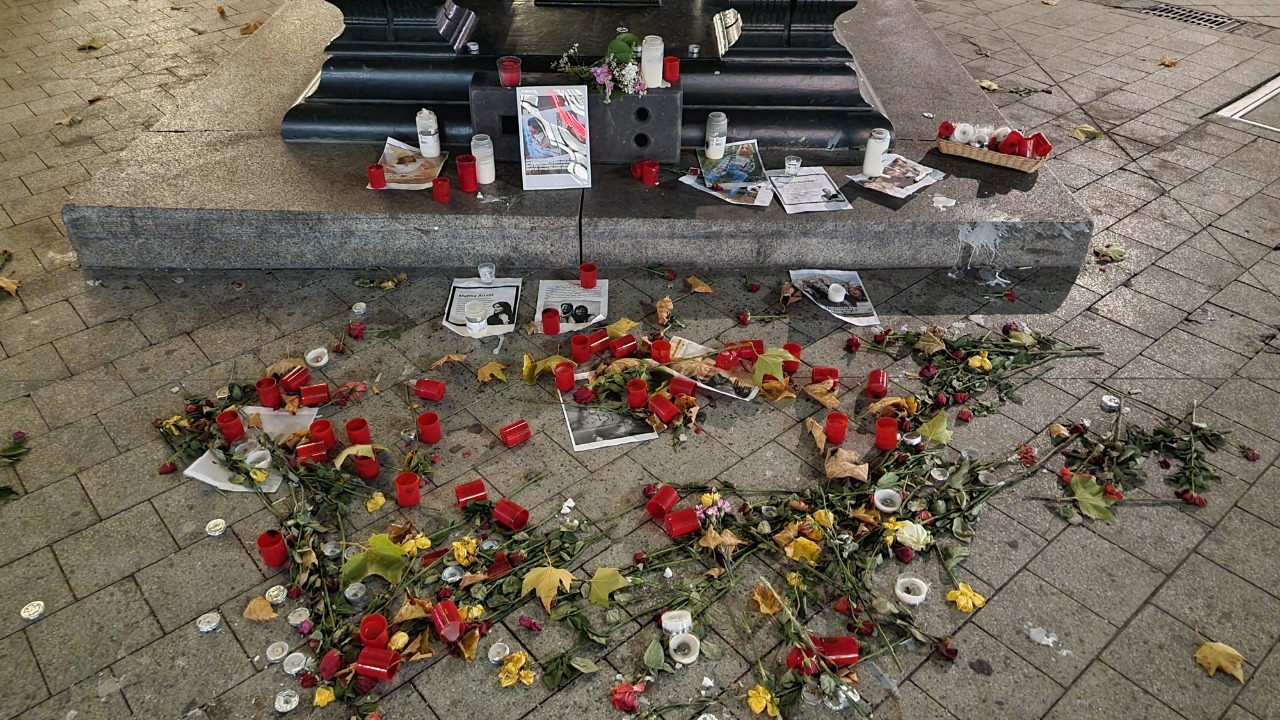
Even taken at face value, 3,117 dead is an extraordinary acknowledgment. It confirms that the crackdown was not a contained security incident or a brief clash on the margins. It was mass bloodshed. But an official number is not the same thing as a transparent one. Tehran has not opened its records to outside investigators, released a detailed public methodology, or allowed independent forensic review of the deaths. Without that, the announcement functions as both disclosure and damage control: a concession large enough to look credible, but structured in a way that preserves the state’s grip on the narrative. That is where the broader international record becomes important. A United Nations fact-finding mission concluded in 2024 that Iran’s violent repression of the protest movement led to serious human rights violations, many of which amounted to crimes against humanity. That finding did not settle the death toll. It did, however, lend authoritative weight to the argument that what happened was systematic, not accidental.
The number is now part of the fight over memory
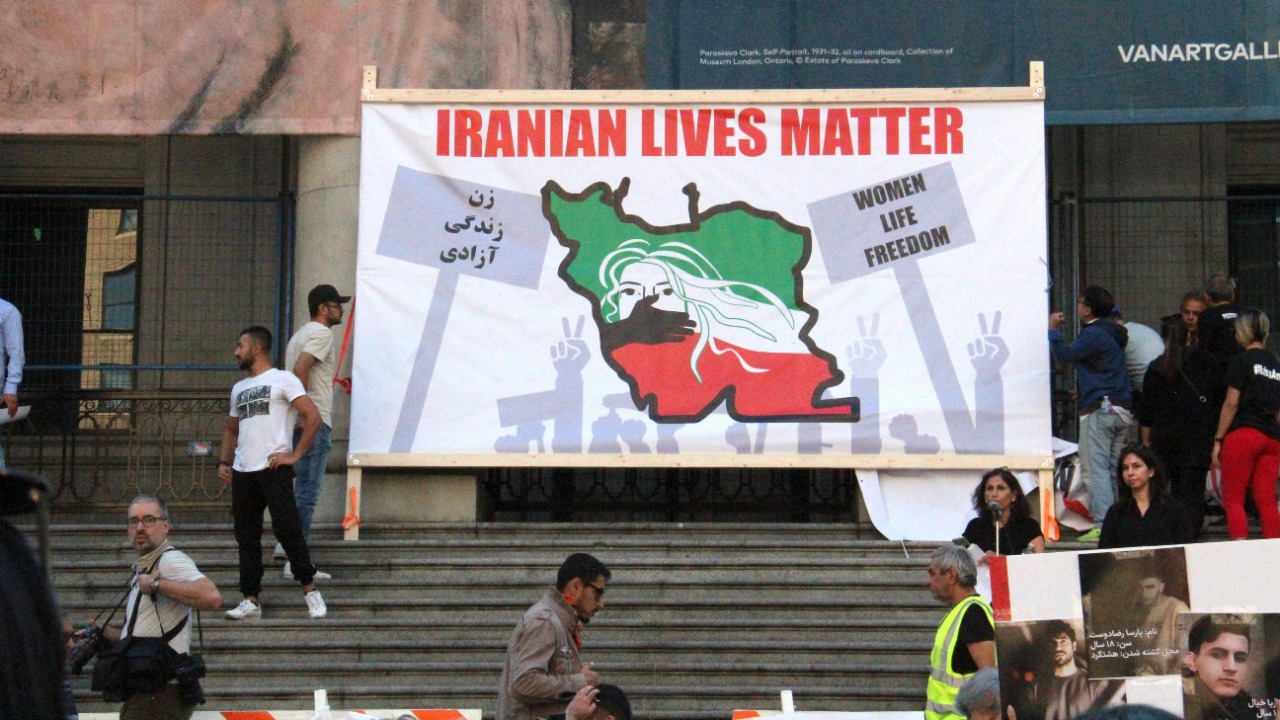
The struggle over Iran’s protest toll is no longer just about how many people were killed. It is about who gets to define the dead. For the government, releasing a lower official count offers a way to appear responsive while still limiting the scale of acknowledged wrongdoing. For rights groups, every additional verified death pushes against that boundary and widens the historical record. For families, the contest is more personal. A relative is either recognized, miscast, or omitted altogether. That is why the gap between the official figure and independent estimates will continue to matter well beyond the first headlines. It will shape future sanctions debates, human rights investigations, and any serious attempt to establish accountability. Until outside investigators are given meaningful access, the final toll will remain unsettled. But Iran’s own admission has already done one thing it may not have intended: it has confirmed, in the government’s own numbers, that the crackdown was on a scale too large to dismiss and too deadly to bury.