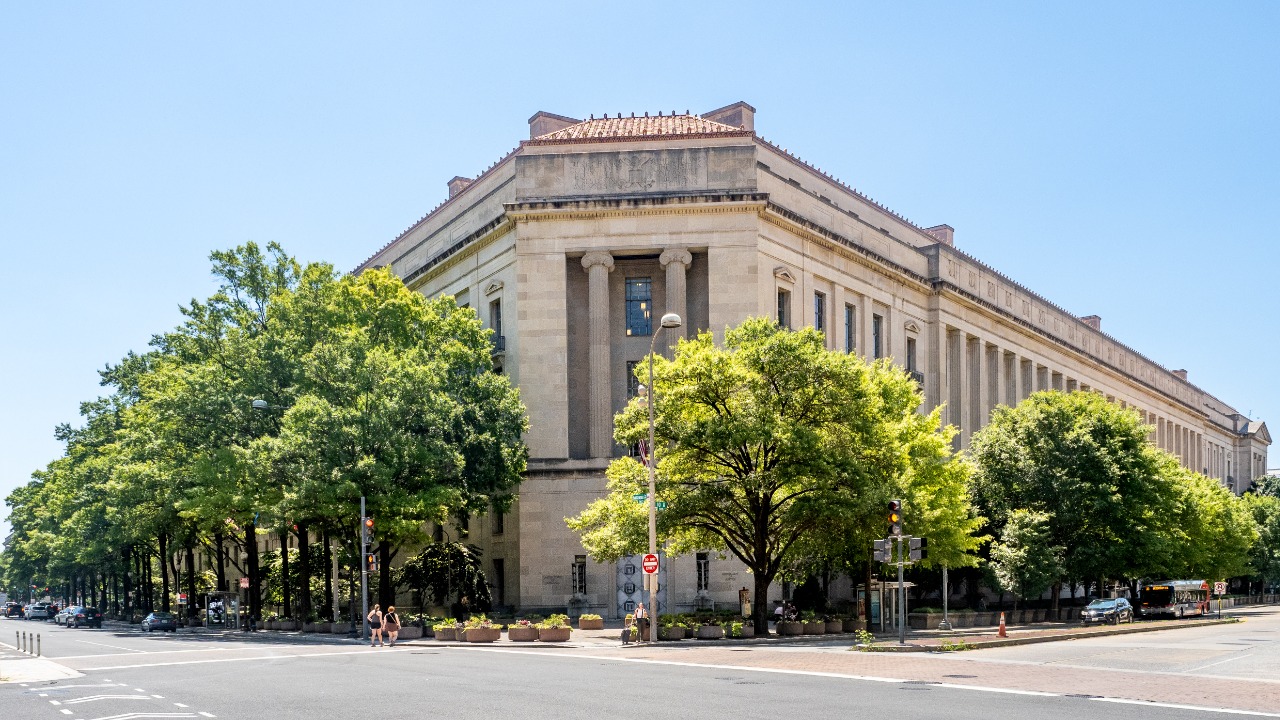
The U.S. Department of Justice has opened a criminal investigation into Minnesota Governor Tim Walz and Minneapolis Mayor Jacob Frey over allegations that they interfered with federal immigration enforcement in the Twin Cities, according to multiple reports. The inquiry adds a new and more volatile layer to an already bitter fight over the administration’s immigration crackdown in Minnesota. What began as a policy and courtroom clash is now testing a far more explosive question: when elected officials publicly push back on federal enforcement, where does political opposition end and potential criminal exposure begin?
Probe shifts the conflict from policy to personal legal risk
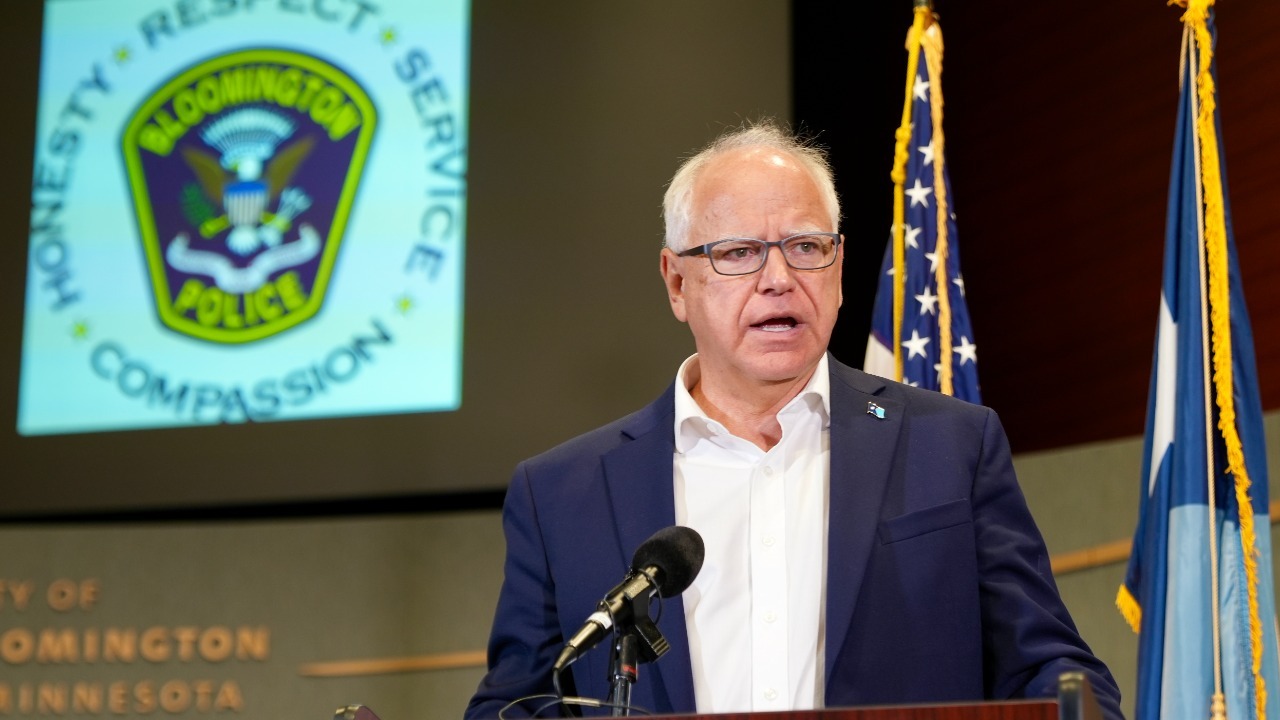
Reuters reported that the Justice Department opened a criminal investigation into Walz, Frey, and other Minnesota Democrats over an alleged conspiracy to impede immigration agents. The Associated Press also reported that federal authorities were examining whether public comments by state and local officials interfered with immigration operations in the Minneapolis area.
Governors and mayors regularly criticize federal actions, especially when those actions trigger protests, fear, and political backlash. A criminal probe suggests prosecutors are asking whether this case went further, including whether statements or related conduct may have helped frustrate enforcement activity in a concrete way. That is an unusually aggressive theory when aimed at sitting elected officials rather than organizers or people accused of directly obstructing agents on the ground.
Grand jury subpoenas made the investigation impossible to dismiss
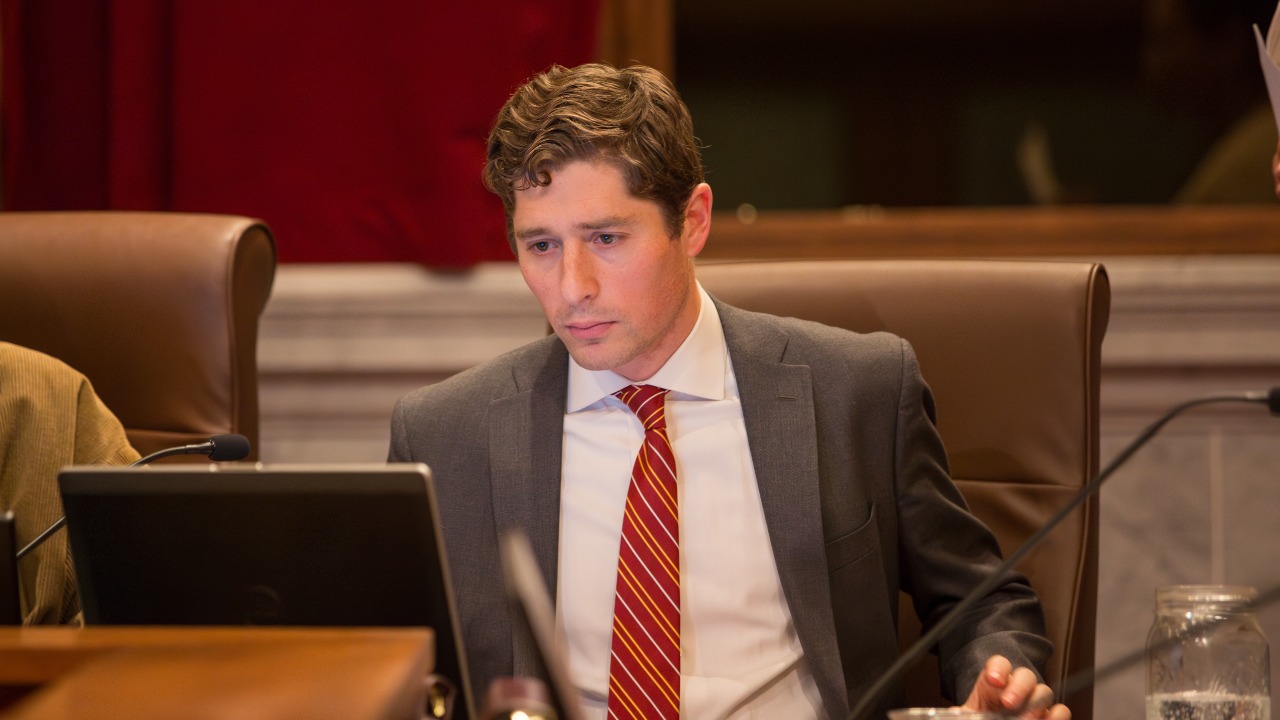
The legal stakes rose further when the investigation moved into the grand jury phase. Reuters later reported that subpoenas were served to the offices of Walz, Frey, and other Minnesota officials as part of the criminal probe. AP likewise reported on grand jury subpoenas tied to the same investigation. Subpoenas do not mean indictments are coming, but they do mean the inquiry is operating with the weight and secrecy of the federal criminal process. Prosecutors can use that process to gather testimony, internal communications, calendars, draft statements, and other records that help reconstruct what officials knew and when they knew it. For Walz and Frey, that turns a politically charged controversy into something more dangerous: a case where every public statement and private exchange can be reviewed for evidence of intent.
The criminal case grew out of an earlier civil battle
The investigation did not appear out of nowhere. In late 2025, the Justice Department sued Minnesota, Minneapolis, St. Paul, and other officials over what it described as sanctuary policies that interfered with immigration enforcement. Reuters’ coverage of that lawsuit portrayed it as part of a broader campaign against Democratic-led jurisdictions that limit cooperation with federal authorities.
The civil case targeted policies. The criminal probe is more personal, focused on whether specific officials crossed a legal line during a particular enforcement push. Together, the two matters form a potent one-two punch. One seeks to force changes in how Minnesota handles cooperation with federal immigration authorities. The other explores whether resistance by political leaders themselves can carry criminal consequences.
The Minnesota crackdown had already become a political flashpoint
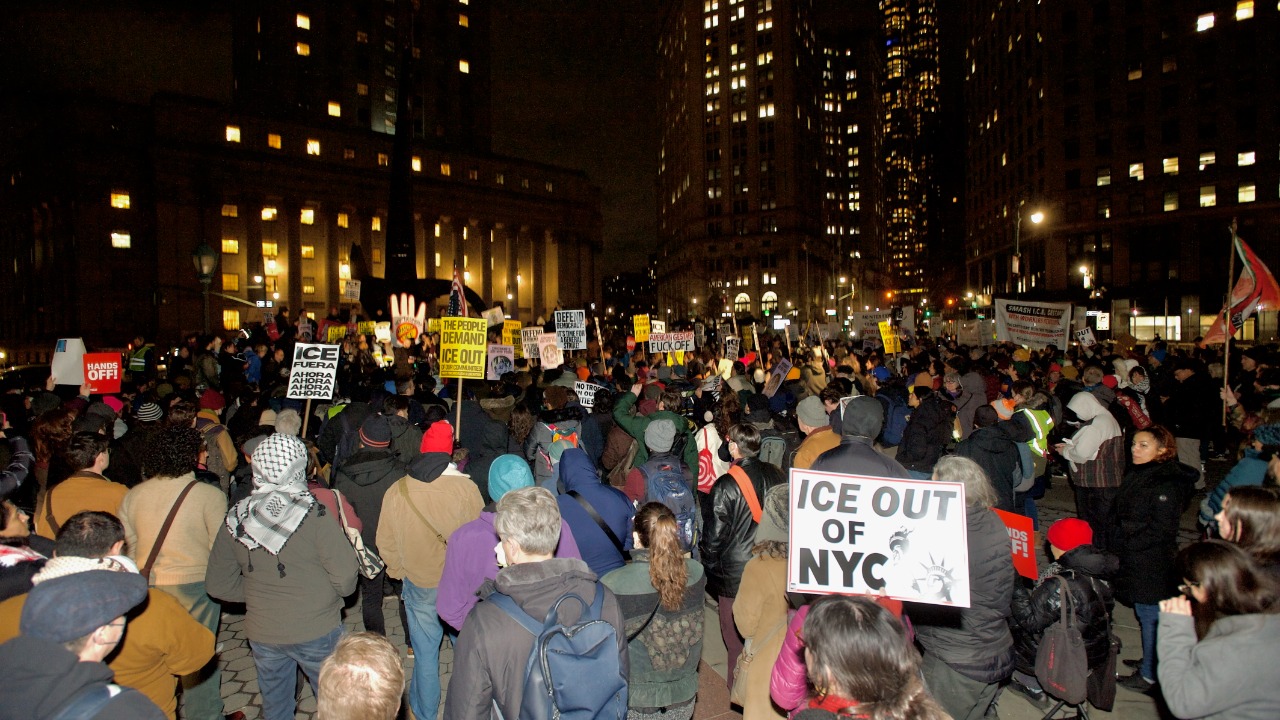
The investigation unfolded during one of the most combustible moments of the administration’s immigration drive in the state. Reuters reported that an ICE agent fatally shot 37-year-old Renee Nicole Good during the federal immigration surge in Minneapolis, setting off protests and intensifying scrutiny of the operation. Follow-up reporting from Reuters showed how sharply state and federal officials diverged in their accounts of the incident. That backdrop helps explain why local leaders were speaking in unusually urgent terms. The federal operation was not unfolding in a political vacuum. It was unfolding in neighborhoods already on edge, under the glare of national coverage, with questions mounting about tactics, force, and public safety. That does not answer whether any statement could amount to obstruction, but it does explain why the rhetoric around the crackdown escalated so quickly.
The legal theory faces a high bar
Any eventual case would likely turn on intent. Public criticism of federal action is ordinarily protected, and elected officials are expected to address major operations affecting their constituents. To transform that speech into a criminal matter, prosecutors would likely need to show more than anger, defiance, or political theater. They would need to argue that statements or related conduct were intended to interfere with a specific federal operation rather than simply condemn it, describe it, or urge residents to understand their rights.
That is why this case carries consequences well beyond Minnesota. If the Justice Department pushes a broad obstruction theory here, officials in other cities and states may start viewing routine public comments about federal raids as potential legal hazards. Even if no charges are filed, the message will already have landed: resistance to federal immigration tactics may now be examined not just as policy dissent, but as possible criminal conduct.
Walz and Frey are confronting different political realities
Walz and Frey may be aligned in substance, but they are not navigating the same political terrain. Walz has to manage statewide constituencies, protect his administration, and avoid saying anything that could deepen his legal vulnerability. Frey, whose political base sits at the center of the enforcement operation’s fallout, has stronger incentives to speak directly and frame the federal response as intimidation or overreach.
The difference in tone is not unusual once a grand jury becomes involved. Subjects of criminal investigations are often advised to keep public remarks brief and disciplined, especially when prosecutors may later compare those remarks with testimony or internal records. Silence in that environment does not necessarily signal weakness. It can simply reflect the reality that the political battle is now inseparable from the legal one.
What happens next could shape far more than one Minnesota dispute
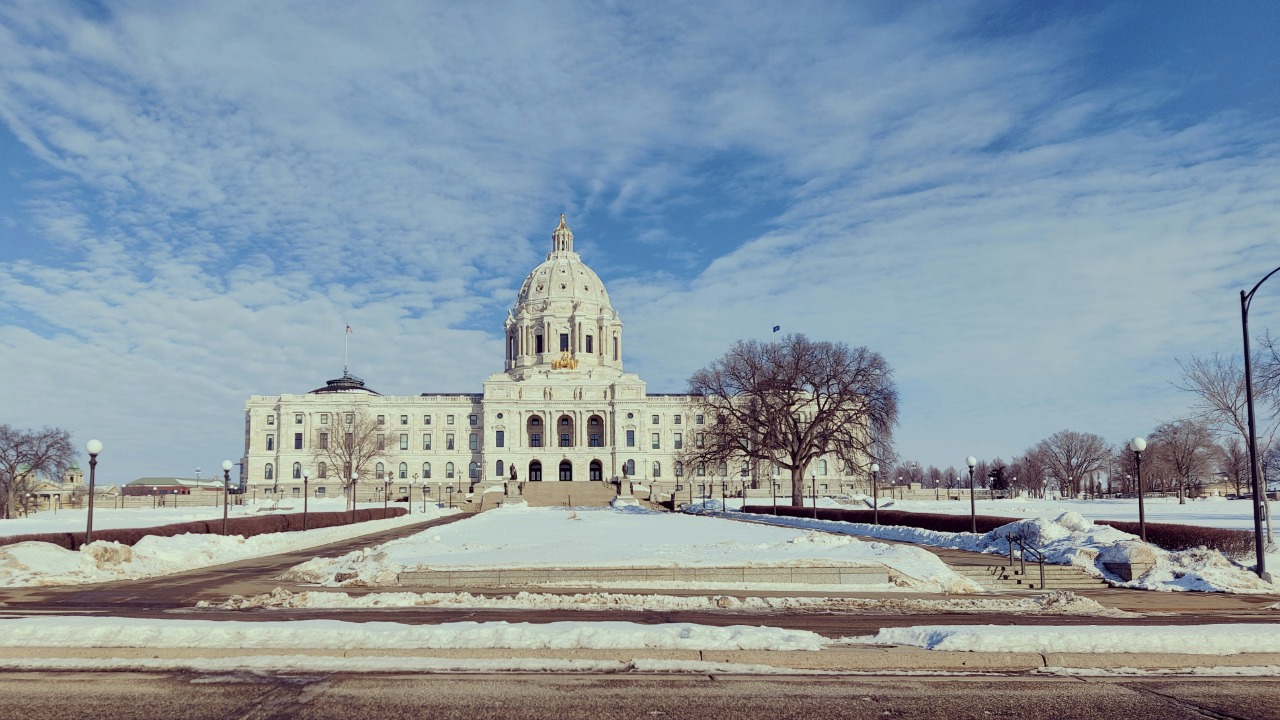
For now, the case appears to remain in an investigative stage. Prosecutors are gathering records and testimony, but no charges have been announced. That leaves several possible outcomes. The probe could end quietly without indictments. It could remain a tool of pressure alongside the civil sanctuary-policy lawsuit. Or it could become a constitutional showdown over how far the federal government can go when local officials publicly resist immigration enforcement. Whatever path it takes, the investigation has already changed the story. This is no longer just a fight over Minnesota’s immigration posture. It is now a live test of whether sharp public opposition by elected officials can be reinterpreted by Washington as criminal interference. That makes the stakes much larger than one governor or one mayor. It makes Minnesota the early proving ground for a far more aggressive federal approach to local resistance.